A practical, discreet guide for Paris-based families evaluating Sunny Isles Beach condominiums as cross-border assets for succession, tax, probate, and long-term ownership planning.
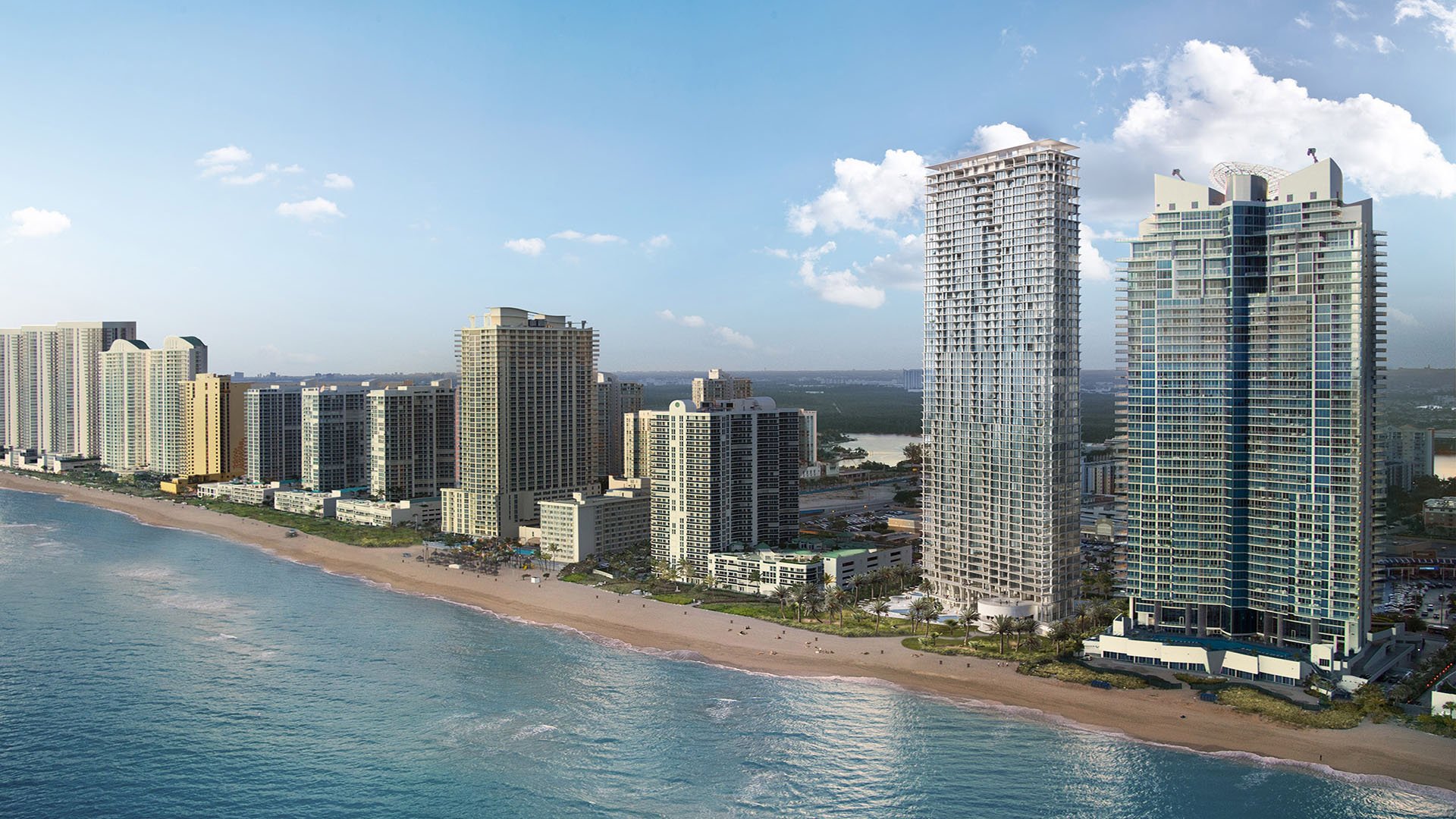
For a Paris-based family, a condominium in Sunny Isles Beach is rarely just a lifestyle purchase. It is an Atlantic-facing residence, a dollar-denominated asset, a potential rental property, and, in many cases, part of a multigenerational balance sheet. Set on the barrier island north of Miami Beach in Miami-Dade County, Sunny Isles Beach is a natural destination for international buyers seeking oceanfront privacy, services, and proximity to Miami.
The planning question is not simply whether the family prefers a high-floor residence, a branded tower, or a move-in-ready beachfront home. It is how that Florida asset will be owned, reported, financed, used, and eventually transferred. French succession principles, French wealth tax, U.S. federal tax, Florida real-property law, probate mechanics, and condominium association rules can all converge around one deed.
That is why this perspective begins before the offer, not at closing. The most elegant structure is the one that fits the family’s domicile, matrimonial regime, heirs, liquidity, risk tolerance, privacy expectations, financing needs, and exit plan.
French residents may need to consider Impôt sur la fortune immobilière, commonly known as IFI, when net taxable real-estate assets exceed €1.3 million. A Sunny Isles Beach condominium can therefore matter not only as a U.S. property, but as part of the French real-estate wealth-tax picture.
Succession planning is equally sensitive. A French family may already have a marriage contract, children from one or more relationships, existing gifts, holding companies, or a broader European estate plan. EU Succession Regulation No. 650/2012 allows certain cross-border succession-law choices within the European framework, but it does not override the practical reality of Florida title, Florida probate, and U.S. federal estate-tax exposure for U.S.-situated property.
In practical terms, a Paris family should not assume that a French will, a French holding structure, or a familiar civil-law planning technique will operate cleanly in Florida without local coordination. The Florida deed, the condominium documents, and the U.S. tax profile need to align with the family’s French planning architecture.
Florida does not impose its own state estate tax, and Florida has no personal income tax. Those facts can be attractive, but they do not eliminate U.S. federal tax considerations. A nonresident noncitizen who dies owning U.S.-situated assets may trigger U.S. estate-tax filing obligations, with a $60,000 threshold highlighted for U.S.-situated assets at death. For a luxury condominium, that threshold is not a planning detail. It is a central issue.
The estate of a nonresident who was not a U.S. citizen may need to use Form 706-NA for the U.S. estate-tax return. Whether tax is ultimately due depends on the full facts, including applicable treaty positions and deductions, but the filing and valuation process can be complex for heirs who live abroad.
This is where the U.S.-France treaty framework matters. The treaty landscape includes income-tax and estate/gift-tax agreements, which is one reason Paris-based buyers should coordinate French and U.S. advisers before choosing direct ownership, a Florida LLC, a trust, a corporation, or a family holding company.
Direct individual ownership can feel simple, especially for a second home used mainly by parents, children, and guests. It may also be easier for certain financing and association approvals. But simplicity can come with probate exposure, estate-tax concerns, and less flexibility for future transfers.
A Florida LLC is commonly discussed in real-estate structuring, yet it does not, by itself, solve estate tax, French tax, financing, or beneficial-ownership reporting issues. A foreign entity used in Florida can create additional qualification, public filing, and compliance obligations. Trust ownership, corporate ownership, and family companies can also be useful in the right context, but each can carry its own tax, lending, reporting, and association-review consequences.
The key is sequencing. For intergenerational planning, the structure should be selected before closing. Changing title later can create transfer tax, lender consent, condo-association review, FIRPTA, gift-tax, estate-tax, or French tax consequences. A family evaluating Bentley Residences Sunny Isles, for example, should treat the title decision as part of acquisition strategy, not a post-closing housekeeping item.
Some families want pure personal use. Others expect seasonal rentals, family-office cost allocation, or occasional long-term leasing. If a nonresident owner rents a Florida condominium, U.S. taxpayer identification and federal filings may be required, especially if rental income is treated as effectively connected income. A buyer who is not eligible for a Social Security number may need an ITIN for tax reporting.
Exit planning deserves equal attention. FIRPTA generally requires withholding when a foreign person sells U.S. real property. That can affect liquidity at resale, the timing of closing proceeds, and the documentation a family must organize before listing.
Transparency is also changing the comfort level around legal-entity and trust ownership. Federal residential real-estate reporting rules target certain non-financed transfers of residential real estate to legal entities and trusts. Beneficial-ownership reporting is a key compliance issue where cross-border family companies or foreign entities are involved. Privacy is still possible, but anonymity should not be assumed.
Intergenerational planning is not only tax architecture. It is also asset quality. Florida’s post-Surfside condominium-safety reforms created milestone-inspection and reserve-study requirements that buyers should review when evaluating high-rise ownership costs and future assessments. Insurance, reserves, maintenance obligations, pending assessments, rental restrictions, and association approval rules all affect the net usefulness of the property to the next generation.
For an oceanfront tower such as Jade Signature Sunny Isles Beach, the financial review should go beyond purchase price and monthly association dues. The family should ask how future capital needs are funded, what reserves are in place, what rental rules apply, and whether ownership through an entity or trust is permitted.
Homestead assumptions also require care. Florida homestead tax benefits generally depend on the property being the owner’s permanent residence. Most Paris-based second-home buyers should not assume they qualify simply because they own a Florida residence.
The strongest families treat the acquisition as a governance exercise. Who may use the residence in August or during school holidays? Who pays carrying costs? Can one child buy out another? What happens if the parents later become U.S. tax residents, or if one heir moves to the United States? Is the property intended to be retained for decades, sold after a liquidity event, or transferred into a broader family structure?
These questions matter whether the target is St. Regis® Residences Sunny Isles, The Ritz-Carlton Residences® Sunny Isles, or a resale residence in an established building. Branded services may enhance lifestyle continuity, but they do not replace legal documents, tax modeling, and clear family rules.
For investment-minded buyers, the best structure is one that survives scrutiny in both countries, keeps heirs from inheriting administrative confusion, and preserves flexibility. The most refined outcome is not the most elaborate entity chart. It is the structure that lets the family enjoy Sunny Isles Beach while knowing the next transfer, rental filing, sale, or estate event has already been considered.
Should a Paris-based buyer own a Sunny Isles Beach condo personally? Sometimes, but direct ownership can create probate and U.S. estate-tax concerns. The right answer depends on the family’s French and U.S. profile.
Does Florida have an estate tax? Florida does not impose a state estate tax. U.S. federal estate-tax rules can still matter for foreign owners of U.S. real property.
What is the $60,000 threshold? Nonresident noncitizens with U.S.-situated assets at death may face U.S. estate-tax filing obligations once that threshold is exceeded. Luxury real estate can exceed it immediately.
Can an LLC solve the estate-tax issue? Not automatically. LLCs can support some planning goals but may create tax, reporting, financing, and association-review issues.
Will a French estate plan control a Florida condo? It may be relevant, but Florida real estate still requires U.S. legal review for title and probate mechanics. Coordination is essential.
Does IFI apply to a Florida condominium? French residents may need to include foreign real-estate assets when evaluating IFI exposure. The analysis should be done with French tax counsel.
What happens if the condo is rented? A nonresident owner may need a U.S. tax identification number and federal tax filings. Rental restrictions in the condominium documents must also be reviewed.
What is FIRPTA? FIRPTA is a U.S. withholding regime that generally applies when a foreign person sells U.S. real property. It should be considered before purchase and before resale.
Do second-home buyers receive Florida homestead benefits? Usually not if the property is not the owner’s permanent residence. Most Paris-based second-home buyers should not assume eligibility.
What building issues matter for intergenerational planning? Reserves, insurance, inspections, assessments, rental rules, and association approvals all affect long-term ownership. These items should be reviewed before closing.
When you're ready to tour or underwrite the options, connect with MILLION.
If branded residences are on your mind — as a home or as an allocation — we would be glad to share what we are seeing, privately.
Begin a quiet conversation