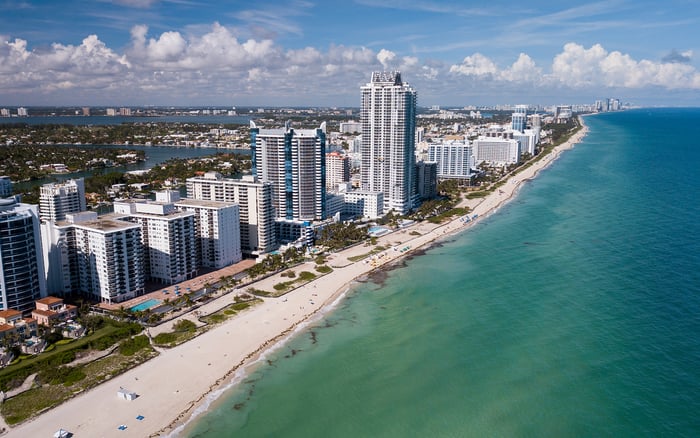
For Geneva buyers, the financing decision is less about purchasing power than balance-sheet design. Cash can simplify execution, while portfolio-backed borrowing may preserve liquidity but introduces collateral, currency, and timing considerations.
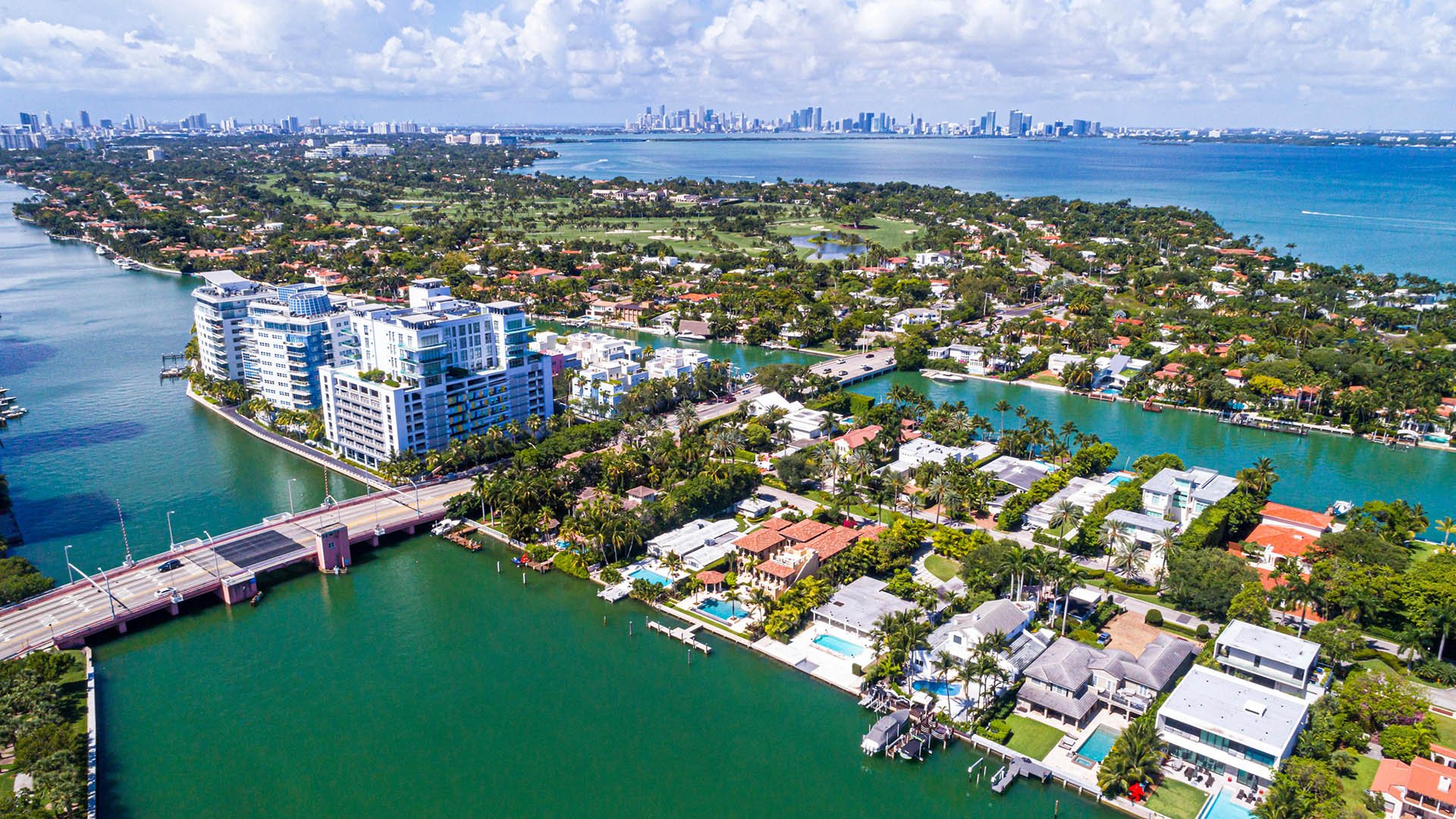
For a Geneva buyer considering a Miami Beach second home, the central question is rarely whether the residence can be purchased. It is how the acquisition should fit within a broader balance sheet spanning currencies, custodians, investment mandates, and family priorities.
An all-cash offer and portfolio financing can lead to the same closing, yet leave very different exposures afterward. Cash converts liquid assets into direct real estate ownership. A portfolio-backed facility may preserve invested capital, but it also introduces borrowing costs, collateral requirements, and sensitivity to financial markets. Neither approach is inherently more sophisticated.
The comparison should begin with the buyer’s desired post-closing liquidity, tolerance for leverage, expected holding period, and ability to meet obligations without selling assets under pressure. That framework is more useful than assuming cash is automatically conservative or financing automatically efficient.
Cash can make the acquisition process more direct because closing does not depend on lender underwriting. Even so, proof of funds, identity verification, source-of-funds review, title work, inspections, association review, and legal documentation may still shape the timetable.
The strategic cost is concentration. Capital that was diversified and readily deployable becomes committed to a single residence, together with closing expenses, furnishing, carrying costs, and reserves. A buyer should therefore model liquidity after the complete acquisition, not merely after paying the contract price.
Cash can also be used tactically rather than permanently. A buyer may close without financing, then evaluate whether borrowing against the property or another asset pool suits the longer-term plan. Any subsequent financing should be treated as a new decision-with its own costs, documentation, and risks-rather than assumed in advance.
Portfolio financing generally means borrowing against eligible financial assets rather than relying solely on the Miami Beach residence as collateral. Its appeal lies in optionality. The buyer may retain market exposure, avoid disrupting an established mandate, and preserve capital for other investment opportunities or family needs.
That flexibility is not free. The facility may carry a variable cost, and the lender may reassess collateral eligibility or require additional support if pledged assets decline. The buyer should understand advance rates, excluded assets, concentration limits, interest mechanics, cure periods, and the circumstances that could trigger a collateral sale.
The prudent test is not whether expected portfolio returns might exceed the borrowing rate. It is whether the buyer could comfortably service and reduce the facility through a difficult market without compromising the family’s broader plan. A resilient structure should remain workable when both markets and currencies move unfavorably.
A Geneva-based balance sheet and a Miami Beach purchase may not share the same functional currency. Purchase funds, loan obligations, portfolio collateral, and future property expenses should be mapped by currency before the contract is signed. A seemingly modest mismatch can become material when applied to a substantial acquisition.
Currency planning may involve holding reserves in the currency of expected expenses, matching part of the borrowing to future cash flows, or deliberately accepting an open exposure. The appropriate choice depends on the buyer’s circumstances and should be reviewed with qualified banking, tax, and legal advisers in the relevant jurisdictions.
Ownership structure belongs in the same conversation. The individual or entity signing the contract can affect documentation, banking, succession planning, privacy expectations, and ongoing administration. Buyers should settle the structure early enough to avoid preventable changes near completion.
The asset itself should shape the capital plan. A move-in-ready resale may require funds on a different schedule than a pre-construction purchase with staged deposits. Association procedures, contract terms, and anticipated improvements can also influence the amount and timing of required liquidity.
Within Miami Beach, buyers might compare The Perigon Miami Beach with Shore Club Private Collections Miami Beach while keeping financing assumptions specific to each opportunity. The schedule, documents, and obligations must be reviewed for the particular residence under consideration.
The same discipline applies to established options such as Setai Residences Miami Beach and The Ritz-Carlton Residences® Miami Beach. Oceanfront positioning or a broader waterfront context may shape personal preference, but neither replaces transaction-level due diligence.
The strongest approach is to prepare two complete funding paths. The cash case should show the post-closing liquidity reserve, planned capital calls, property expenses, and the opportunity cost of assets sold. The financing case should account for interest, fees, collateral volatility, currency exposure, and a credible repayment route.
Next, align the buyer’s Geneva bank, U.S. counsel, tax advisers, and closing professionals around a single timetable. Confirm which institution will transmit funds, what documentation it requires, and how much time to reserve for compliance review. Avoid moving assets or changing ownership arrangements solely for speed without professional advice.
Finally, choose the structure that offers the greatest resilience, not merely the most attractive opening presentation. The residence, capital structure, and family objective should be assessed as one integrated decision.
Is cash always stronger than portfolio financing? No. Cash may simplify execution, while portfolio financing may preserve liquidity. The better choice depends on risk tolerance and the wider balance sheet.
Does a cash purchase eliminate financial review? No. Banks, legal professionals, title parties, and associations may still require identity and source-of-funds documentation.
What is the principal risk of portfolio financing? A decline in pledged assets may lead to additional collateral requirements or repayment pressure, depending on the facility terms.
Should expected portfolio returns determine the decision? Not alone. Buyers should also test borrowing costs, volatility, liquidity needs, taxes, and the ability to withstand adverse conditions.
Why does currency matter for a Geneva buyer? The assets, debt, purchase price, and ongoing expenses may be denominated differently, creating gains or losses as exchange rates move.
Can a buyer close with cash and finance later? Potentially, but later financing is a separate transaction and should not be assumed to be available on preferred terms.
Should ownership structure be decided before the offer? Ideally, it should be reviewed early because changing the purchaser later may create legal, tax, banking, or contractual complications.
Does pre-construction change the funding plan? It can. Staged deposits and a later completion require liquidity planning over a longer period and should be evaluated contract by contract.
How much liquidity should remain after closing? There is no universal figure. The reserve should reflect property costs, family commitments, portfolio obligations, and the buyer’s comfort level.
Who should coordinate the cross-border strategy? The buyer should align qualified legal, tax, banking, and real estate advisers, with responsibilities and deadlines clearly assigned.
When you're ready to tour or underwrite the options, connect with MILLION.
If branded residences are on your mind — as a home or as an allocation — we would be glad to share what we are seeing, privately.
Begin a quiet conversation