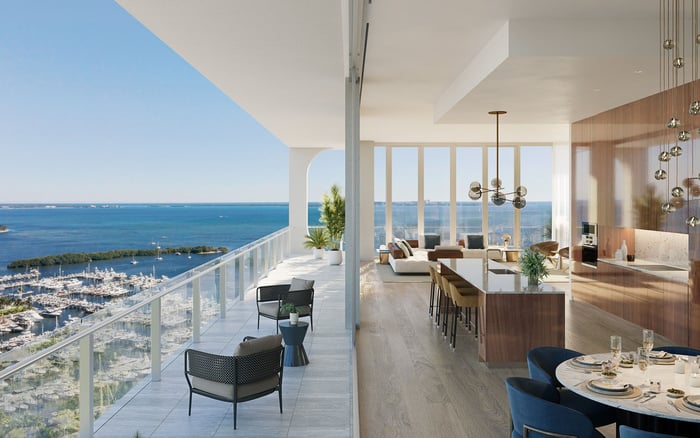
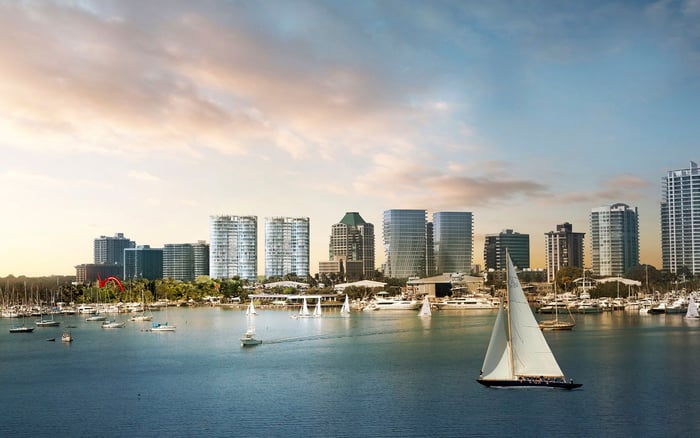
A discreet buyer's guide to assessing reserve discipline, governance culture, insurance posture, and future capital planning before purchasing at Vita at Grove Isle.
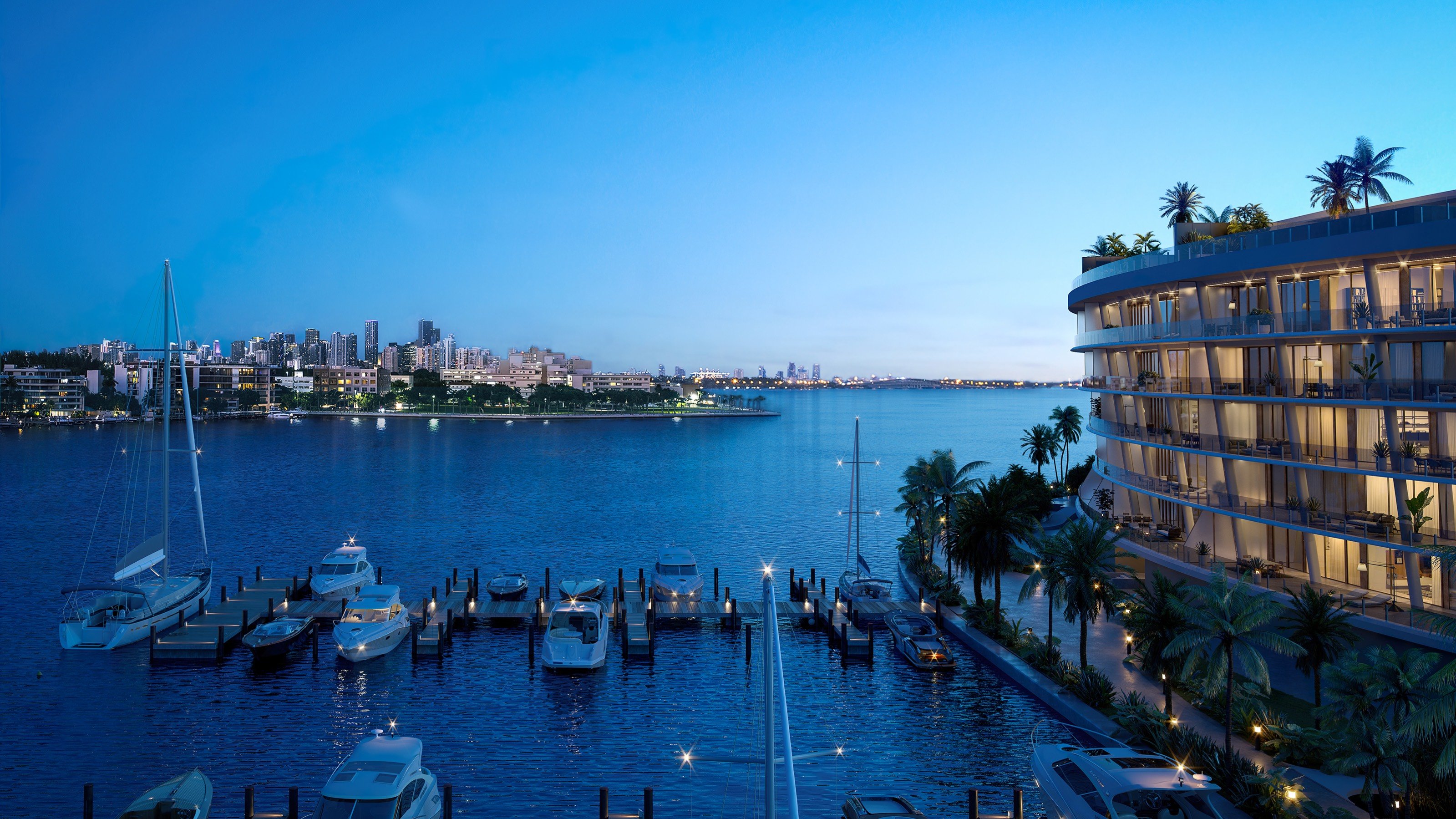
Buying at Vita at Grove Isle should not begin and end with floor plan, exposure, and terrace life. For sophisticated buyers, the quieter question is whether the building’s ownership culture is disciplined, transparent, and prepared to fund the property it enjoys.
A special assessment is not automatically a red flag. In luxury condominium ownership, assessments can reflect responsible stewardship, particularly when they address long-term capital needs rather than cosmetic preferences. The real issue is pattern, process, and temperament. Does the association plan early, communicate clearly, and maintain reserves with maturity, or does it defer difficult conversations until urgency becomes expensive?
That question is especially relevant for buyers considering a high-value residence in Coconut Grove, where lifestyle, privacy, and waterfront positioning often carry emotional premiums. A polished sales experience can show how the home feels today. The association record shows how the property may feel to own over the next decade.
Before negotiating price, ask how the association thinks about reserves. The most useful question is not simply, “How much is in reserves?” It is, “What reserve study or capital-planning framework does the association rely on, and how often is it updated?”
A reserve account is only meaningful when measured against realistic obligations. Buyers should ask whether anticipated roof, mechanical, elevator, façade, waterproofing, seawall, life-safety, security, amenity, and site-infrastructure items are being forecast in a structured way. If certain components are not relevant, the association should be able to say so plainly. If they are relevant, the budget should not treat them as surprises.
For new-construction buyers, the question is slightly different. Ask how the transition from developer control to owner governance is expected to occur, which capital items will become association responsibilities, and whether early-year budgets are designed for long-term ownership or merely a low opening number. A beautiful first-year budget can be less valuable than a candid one.
The most productive tone is calm and forensic. Ask whether any special assessments have been proposed, approved, paid, deferred, waived, or discussed in recent meeting minutes. Then ask what prompted them, how they were calculated, and whether owners generally supported the approach.
The answer matters because assessment culture is revealed in moments of tension. Some associations use assessments as a last resort after orderly reserve planning. Others rely on them as a recurring substitute for dues that were kept artificially low. Neither pattern can be understood from a single number.
A buyer should also ask whether assessments are allocated by unit percentage, square footage, equal share, or another method stated in the governing documents. In ultra-luxury buildings, where residences may vary significantly in size and value, allocation methodology can materially affect the ownership experience.
Insurance should be discussed early, not treated as a closing-file detail. Ask what policies the association maintains, what deductibles apply, what exclusions exist, and how premium volatility is handled in the budget. A buyer should understand whether the association has a clear plan for deductible funding if a claim occurs.
This is not a pessimistic exercise. It is part of owning carefully in South Florida. Waterfront, coastal, and high-amenity properties often require a more serious conversation about risk allocation. A refined building can still have practical exposure, and the most elegant ownership cultures are often those that discuss such exposure without drama.
Buyers comparing Vita at Grove Isle with other Coconut Grove options, such as Four Seasons Residences Coconut Grove, should look beyond branding and architecture. The stronger comparison is how each ownership structure anticipates insurance, maintenance, reserves, and future capital obligations.
In a private or semi-private setting, common elements can extend beyond the building itself. Ask what infrastructure is shared, who controls it, who pays for it, and how decisions are made when multiple constituencies benefit from the same systems.
The goal is not to assume a problem. The goal is to identify ambiguity. Roads, security, landscaping, access systems, marina-related components, shoreline conditions, utilities, gates, lighting, and other site elements may involve obligations that are not obvious from a residence tour. If an item is shared, ask whether the allocation formula is documented and whether future capital work has been discussed.
This is where a buyer’s attorney and financial advisor should review the governing documents with a practical lens. The question is not only, “What do I own?” It is also, “What am I obligated to help preserve?”
Luxury buyers often focus on visible amenities: pool, fitness, wellness spaces, arrival sequence, service, and views. Yet governance may be the hidden amenity that protects all the others.
Ask how often the board meets, how owners receive budget updates, whether meeting minutes are detailed enough to reveal unresolved issues, and whether committees are used for major projects. Ask whether the association tends to solicit competitive bids for substantial work and whether professional management is empowered to operate with discipline.
A strong board culture does not mean every owner agrees. It means decisions are documented, communication is timely, and long-term maintenance is not treated as an inconvenience. For resale buyers, this is essential because the purchase includes not only a residence but also an existing ownership culture.
A low monthly assessment can be attractive, but it should not be viewed in isolation. The relevant question is whether the monthly number is sufficient for the property’s service level, insurance needs, staffing expectations, maintenance profile, and capital planning.
Ask for the current budget, year-to-date financials, reserve schedules, pending contract obligations, and recent meeting minutes. Then compare the monthly charges with what is being delivered and what is being postponed. If dues seem unusually low for the service ambition, ask why. If they seem high, ask whether that reflects prudence, insurance pressure, staffing, amenities, reserves, or recent capital work.
Within Coconut Grove, comparisons should be nuanced. Park Grove Coconut Grove may offer one reference point for established luxury condominium ownership, while The Well Coconut Grove and Arbor Coconut Grove may prompt different questions about scale, wellness programming, and association responsibilities. The lesson is not that one model is superior. It is that each model should be understood on its own financial and governance terms.
Be cautious if no one can explain why reserves are set at their current level, if meeting minutes are vague, if insurance is treated as unknowable, or if future work is dismissed with casual optimism. Equally, be cautious if owners appear divided over every major maintenance decision. Luxury real estate is not immune to governance fatigue.
More subtle red flags include repeated use of temporary fixes, reluctance to discuss long-term capital items, a history of surprise assessments, or a culture that equates low dues with good management. In high-end buildings, the cheapest path can become the most expensive one when deferred work arrives at once.
The best answer you can hear is not necessarily, “There will never be an assessment.” A more credible answer is, “Here is how we plan, here is what is reserved, here is what may require future funding, and here is how owners are informed.”
Approach the process with respect. A special-assessment conversation should not feel accusatory. It should feel like the financial equivalent of an architectural walk-through. You are not looking for perfection. You are looking for evidence of maturity.
For a Vita at Grove Isle buyer, the ideal diligence package is both quantitative and cultural: budgets, reserves, insurance, minutes, contracts, rules, pending projects, litigation disclosures if applicable, and a clear explanation of association decision-making. Bring the same seriousness you would bring to title, tax planning, and design.
This is the essence of a buyer’s guide mindset in the ultra-prime market. The residence must inspire you, but the building must also earn your confidence.
Is a special assessment always a bad sign? No. It can indicate responsible funding when tied to necessary capital work and transparent planning.
What is the first document I should request? Start with the current budget, reserve information, meeting minutes, and any notices related to proposed or approved assessments.
Should I ask about reserves before making an offer? Yes. Reserve culture can affect carrying costs, negotiation strategy, and your comfort with long-term ownership.
How should I evaluate insurance risk? Ask about association coverage, deductibles, exclusions, premium changes, and how deductible exposure would be funded.
What does governance culture mean? It means how the board plans, communicates, documents decisions, and handles disagreement among owners.
Can low monthly dues be a warning sign? Sometimes. Low dues are attractive only if they adequately support service levels, insurance, maintenance, and reserves.
What should waterfront buyers ask specifically? Ask which waterfront or site-related components are common obligations and whether future work has been budgeted or discussed.
Does this matter for new-construction purchases? Yes. Early budgets, transition planning, and future association responsibilities can shape the ownership experience.
Does this matter for resale purchases? Yes. A resale buyer inherits the existing association culture, financial posture, and any unresolved capital issues.
Who should review the documents with me? Use a condominium attorney, financial advisor, and experienced real estate professional who understand South Florida luxury ownership.
For a discreet conversation and a curated building-by-building shortlist, connect with MILLION.
If branded residences are on your mind — as a home or as an allocation — we would be glad to share what we are seeing, privately.
Begin a quiet conversation