A buyer-focused guide to evaluating lock-and-leave protocols before purchasing a South Florida luxury condo, from access control and storm readiness to housekeeping, deliveries, vendors, insurance, and resale confidence.
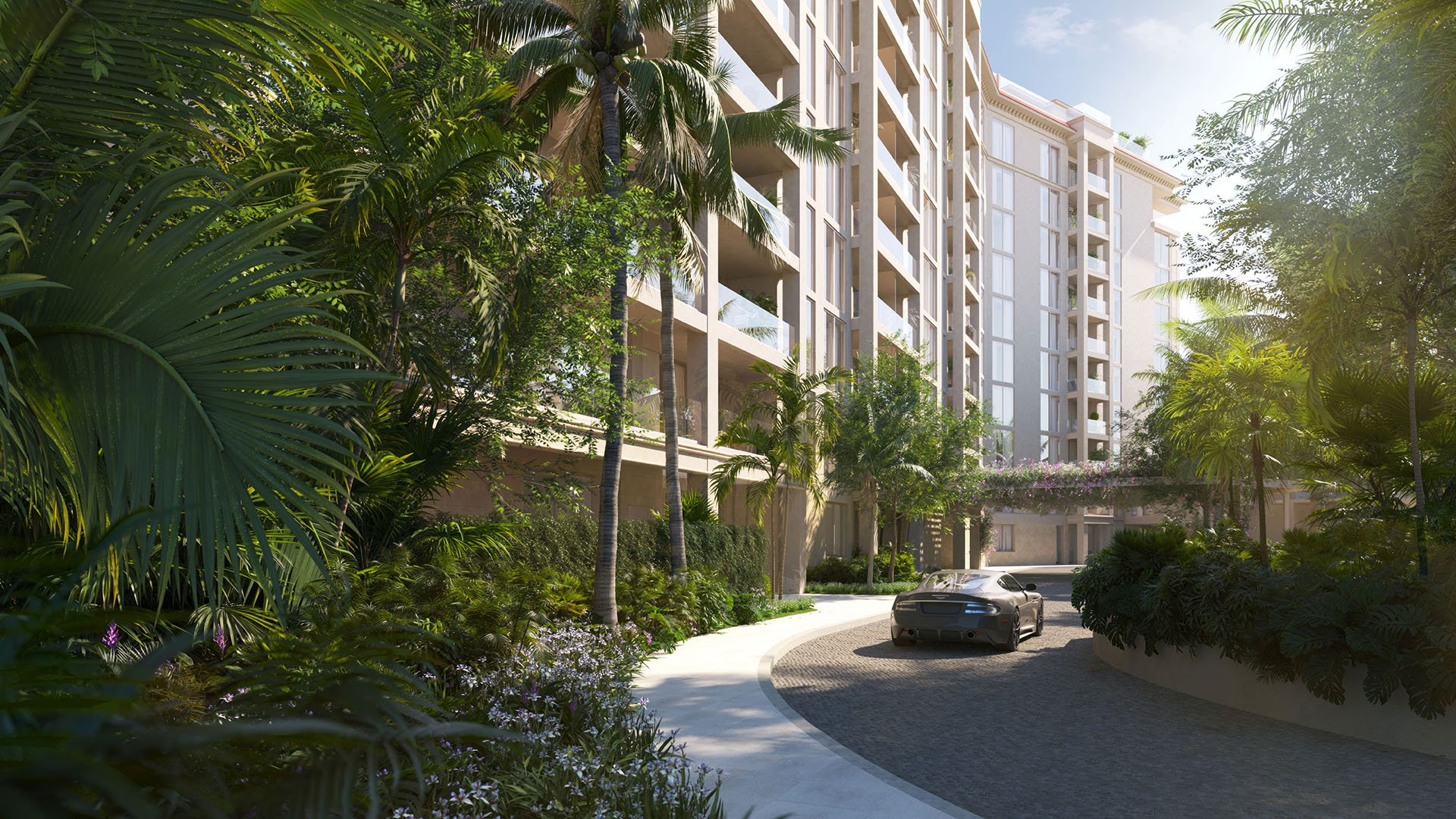
For many South Florida buyers, a condominium is more than a residence. It is a place to arrive effortlessly after a long flight, close confidently at the end of the season, and trust that the home is protected, prepared and discreetly watched over in the interim. That is the essence of a strong lock-and-leave protocol.
The phrase sounds simple, but in the ultra-luxury market it touches nearly every dimension of ownership: access, privacy, insurance, storm preparation, housekeeping, maintenance, deliveries, automobiles, pets and guest permissions. Even the most polished lobby experience can feel incomplete if the building cannot explain exactly what happens when an owner is gone for six weeks, six months or an entire season.
A buyer considering The Residences at 1428 Brickell, a Miami Beach address such as The Perigon Miami Beach, or waterfront living farther north should treat lock-and-leave procedures as primary due diligence, not a closing-detail afterthought.
Begin with the essential question: who can enter the residence when you are not there? A luxury building should clearly distinguish between emergency entry, scheduled service, owner-authorized vendor access and routine inspections. Those are not the same thing, and they should not be handled casually.
Ask whether access is documented, whether the owner receives notice, and whether the building keeps a clear record of date, time, personnel and purpose. If keys, fobs, digital credentials or biometric systems are involved, ask how credentials are issued, revoked and audited. If a private elevator opens directly into the residence, ask how that system is secured during extended absences.
This is especially important for a second-home owner managing the residence from another city or country. The goal is not simply convenience. It is accountability without friction.
Many buyers assume a luxury condominium will automatically notice if something is wrong inside an unoccupied unit. That assumption should be tested carefully. Ask whether the building offers residence checks, what those checks include, and whether they are performed by building staff, a third-party service or an owner-approved representative.
A proper absence check may address visible leaks, air-conditioning settings, unusual odors, door security and signs of mechanical concern. Ask whether these checks are standard, optional or separately billed. Just as important, ask how quickly the owner is contacted if a concern is observed, and who has authority to act if the owner cannot be reached.
At properties such as St. Regis® Residences Sunny Isles, buyers are often comparing not only views and finishes, but also the depth of service culture. A serious lock-and-leave conversation reveals whether that culture continues behind the residence door.
South Florida rewards owners with light, water and year-round indoor-outdoor living, but the environment also requires disciplined home management. Before buying, ask how the building communicates storm preparation steps, and who is responsible for balcony furniture, shutters if applicable, terrace items, planters and outdoor accessories.
Water deserves equal attention. Ask whether the building recommends shutting off certain valves during long absences, whether staff can assist, and how owners are advised to prepare appliances, ice makers, laundry areas and under-sink systems. These questions may feel unglamorous, but they are central to preserving a high-value residence.
Air-conditioning and humidity should also be addressed directly. Ask whether the association or management has recommended settings for vacant units and whether any monitoring is available. A beautiful interior is only as resilient as the systems that protect it when no one is home.
In luxury condominiums, the difference between seamless ownership and constant coordination often comes down to vendor protocol. Ask whether outside housekeepers, designers, art handlers, florists, dog walkers, chefs, drivers and maintenance technicians must be registered in advance. Ask what insurance, identification and scheduling rules apply.
The best buildings make this feel elegant, but they still operate through clear procedures. If a vendor needs freight elevator access, loading dock scheduling or after-hours approval, you should know that before closing. If the residence will be staged, furnished or serviced while you are away, ask who coordinates arrivals and how the building prevents unauthorized access.
Buyers comparing Four Seasons Hotel & Private Residences Fort Lauderdale or other service-forward addresses should focus on the distinction between hospitality language and actual residential policy. The protocols matter more than the brochure vocabulary.
Lock-and-leave ownership often falters in small ways before it falters in large ones. Packages accumulate. A vehicle battery dies. A wine delivery arrives early. A guest forgets a key. A valet request is unclear. These details are not incidental when the owner is away.
Ask how packages are received, stored and released. Ask whether temperature-sensitive deliveries are accepted, refused or handled under special instructions. If you keep a car on site, ask how often it may be moved, whether valet authorization can be prearranged, and how the building handles long-term parking.
For owners with boats, beach equipment, bicycles, golf clubs, strollers or pet accessories, storage procedures should be reviewed before purchase. The question is not whether the building is accommodating in theory. The question is what the written process allows in practice.
A South Florida residence often becomes a gathering place for family. Adult children may arrive for a weekend. Friends may be approved to use the unit. Staff may prepare the residence before the owner lands. All of it can be graceful when permissions are precise.
Ask how guest lists are maintained, whether permissions can be temporary, recurring or date-specific, and whether the owner can authorize different levels of access. A family member may be welcome to enter the residence, but not to approve vendors. A house manager may coordinate housekeeping, but not release packages of significant value.
In Brickell, Miami Beach, Sunny Isles and Fort Lauderdale, the most sophisticated buildings tend to attract owners with layered lives. The protocol should be capable of matching that complexity without exposing the owner to confusion.
Before closing, ask your insurance advisor and legal counsel to review how vacancy, absence, water mitigation, storm preparation and maintenance obligations may affect coverage or compliance. The building’s protocols may be excellent, but they do not replace the owner’s responsibility to understand personal policy terms and association documents.
Ask whether the association documents contain rules about unit access during emergencies, balcony preparation, contractor requirements, move-in procedures and after-hours work. Also ask whether the building has preferred procedures for extended absences and whether those procedures are advisory or mandatory.
This is where luxury due diligence becomes highly practical. A residence may photograph beautifully, but the strongest purchase is the one where expectations are aligned before the first season away.
A well-run lock-and-leave program can shape more than daily comfort. It can influence how future buyers perceive the building. Seasonal owners, international families and frequent travelers often value operational confidence as highly as design, views or amenity programming.
When touring, ask the same question in different ways: what happens when I am not here? The answers should be consistent from sales, management, concierge and association representatives. If the responses are vague, slow or contradictory, that is useful information.
For the ultra-premium buyer, ease is not the absence of responsibility. It is the presence of a system. The right building lets you close the door, board the flight and return to a residence that feels exactly as it should.
What is a lock-and-leave protocol in a luxury condo? It is the building’s process for protecting, servicing and managing a residence while the owner is away.
Should I ask for lock-and-leave procedures before making an offer? Yes. The procedures can affect convenience, risk, insurance expectations and long-term ownership satisfaction.
Who should explain the building’s access rules? Ask management, concierge leadership, association representatives and your advisor so you can compare answers.
Are residence checks usually automatic? Not always. Ask whether they are standard, optional, separately billed or handled by an outside provider.
What should I ask about storm preparation? Ask who handles terrace items, owner notices, emergency access and any preparation steps required by the building.
Can my housekeeper or private manager enter while I am away? Usually only if properly authorized. Confirm registration, insurance, scheduling and identification requirements.
How should package handling be reviewed? Ask how deliveries are logged, stored, released and handled if items are valuable or temperature-sensitive.
Do lock-and-leave rules differ by building? Yes. Similar luxury buildings can have very different policies, staffing models and owner obligations.
Should my attorney review these protocols? Yes. Association documents and access rights should be reviewed alongside the purchase contract and insurance terms.
Is lock-and-leave service a resale advantage? It can be. Buyers who travel frequently often value a building with clear, discreet and reliable procedures.
For a confidential assessment and a building-by-building shortlist, connect with MILLION.
If branded residences are on your mind — as a home or as an allocation — we would be glad to share what we are seeing, privately.
Begin a quiet conversation