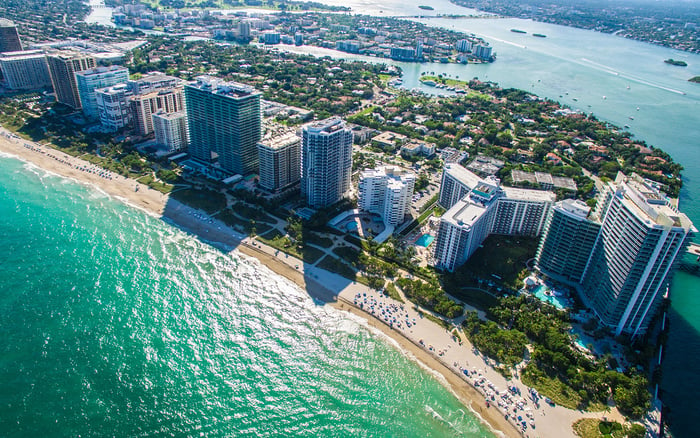
A discreet buyer’s guide to evaluating hotel traffic management before purchasing luxury real estate in Bal Harbour, with practical questions on access, privacy, valet flow, service logistics, event peaks, and long-term livability.
In Bal Harbour, the question is rarely whether a residence is beautiful. The more sophisticated question is whether daily life remains composed when hotel guests, restaurant patrons, event attendees, staff, vendors, valet runners, and residents all converge around the same address.
For luxury buyers, hotel traffic management is not merely a transportation issue. It shapes privacy, noise, access, security, guest experience, and ultimately resale confidence. A residence may offer exceptional finishes and a commanding view, yet still feel compromised if arrivals are disorderly, queues spill into resident patterns, or private access depends too heavily on shared hospitality operations.
This is especially relevant for buyers considering Bal Harbour, where the residential experience is often judged through the lens of discretion. The most valuable homes make complexity feel effortless. Before buying, the goal is to understand whether the building, neighboring hotel uses, and surrounding arrival patterns support that standard throughout the week, during holidays, and during high-profile local events.
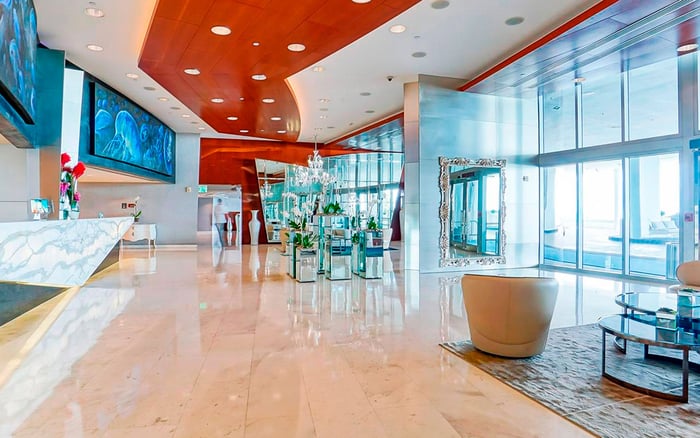
Begin with the arrival sequence. Ask whether residents, hotel guests, visitors, staff, delivery vehicles, and service providers use distinct entry points or converge at the same curb, drive court, porte cochere, elevator bank, or loading route. The answer will reveal more about daily quality of life than a polished amenity narrative.
For a residence such as Rivage Bal Harbour, buyers should frame questions around the experience from the moment a car approaches the property. Is there a dedicated residential drop-off? Are valet lanes managed to avoid stacking? Is the resident path to the lobby protected from hospitality traffic? Is there a protocol when multiple vehicles arrive at once?
Do not accept broad assurances. Ask to walk the route as a resident, a guest, and a service provider. If the building is complete, visit at different times. If it is pre-construction or newly delivered, ask for the traffic management concept, valet operating plan, loading plan, and any rules that govern peak demand. Luxury is often revealed in what residents never have to negotiate.
A quiet midweek showing can be misleading. Hotel traffic is defined by peaks: check-in and check-out windows, restaurant seatings, spa appointments, weddings, private dinners, holiday weekends, school breaks, charity events, art week visitors, and seasonal surges. A buyer should ask how the property handles pressure, not how it performs when nothing is happening.
The most useful questions are practical. Who controls the curb during peak periods? How many attendants are assigned when demand rises? Where do vehicles wait if the primary arrival area is full? Are rideshare vehicles directed to a different zone? Are limousines, sprinter vans, and catering vehicles given separate instructions? What happens when a resident arrives at the same time as a hotel event?
At Oceana Bal Harbour, as with any ultra-prime address in the area, a buyer’s inquiry should focus on predictability. Oceanfront living is at its best when residents can move between home, beach, car, and lobby without feeling exposed to operational friction. Ask whether staffing, signage, security, and valet procedures are written, trained, and consistently enforced.
Hotel traffic is not only vehicular. It is also visual and acoustic. Ask whether guests waiting for cars have sightlines into residential lobbies, elevators, pool decks, terraces, mail areas, or private corridors. Ask whether event departures create noise during hours when residents expect quiet. Ask whether idling vehicles, car doors, music, staff radios, or delivery activity can be heard from specific lines or lower-floor residences.
Security deserves equal attention. Who distinguishes a hotel guest from a resident guest? Are access points staffed continuously or only during certain hours? Can a nonresident wander toward residential elevators while waiting for valet? How are vendors credentialed? What is the protocol for private security teams, chauffeurs, household staff, and family offices?
Waterfront property often attracts buyers who value openness, light, and resort-level ease. Yet waterfront privacy requires operational discipline. A beautiful terrace loses some of its serenity if an unmanaged arrival area sits below it. Ask where people gather, where they wait, and how the building prevents hospitality energy from drifting into private life.
The most informed buyers do not evaluate Bal Harbour in isolation. They compare it with Surfside, Miami Beach, and Sunny Isles Beach to understand how different residential settings handle access, hospitality, and privacy. This is not about declaring one area superior. It is about matching a buyer’s tolerance for movement with the rhythm of the address.
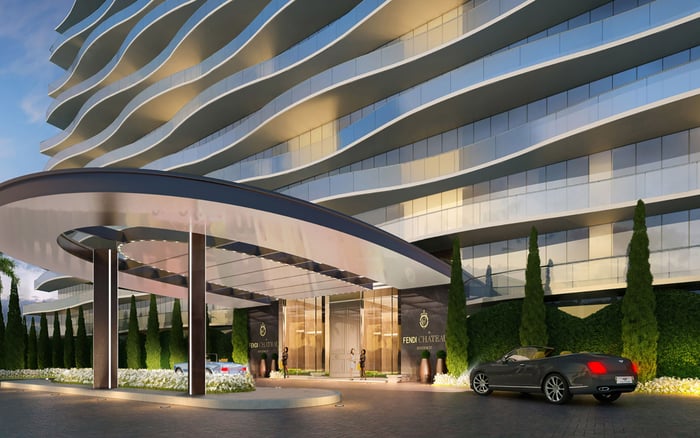
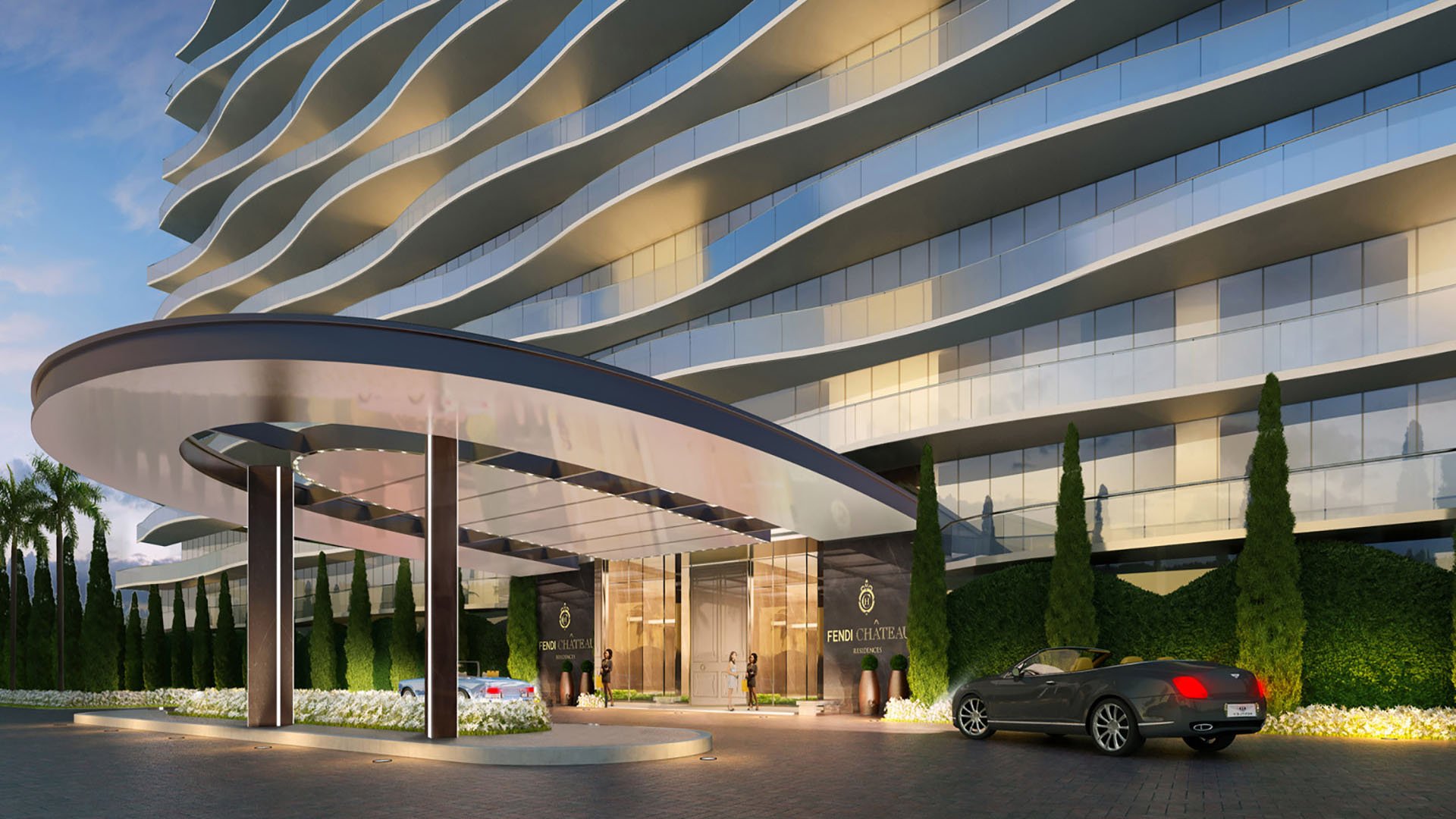
In Surfside, buildings such as Fendi Château Residences Surfside and The Surf Club Four Seasons Surfside invite a different set of questions around arrival, beachfront use, service circulation, and the relationship between private residences and hospitality-adjacent energy. For a buyer focused on calm, the comparison is invaluable: where are the handoff points, how is staff movement concealed, and how much activity is visible from the residence itself?
In Sunny Isles Beach, St. Regis® Residences Sunny Isles offers another reference point for buyers studying branded service, controlled access, and coastal vertical living. The broader lesson is that the best luxury buildings anticipate movement. They do not improvise at the curb.
For a lifestyle purchase, ask yourself how often you entertain, whether you travel with drivers, how sensitive you are to noise, and whether you prefer a fully residential atmosphere or a more serviced resort cadence. The correct answer is personal. The due diligence should make it explicit.
Before deadlines expire, ask for documents that explain how traffic and hospitality operations are governed. In a condominium, the relevant materials may include rules and regulations, valet policies, loading dock rules, event policies, guest registration procedures, vendor access rules, and any agreements that affect shared drives or service areas.
Ask whether residents can reserve elevator access for move-ins, deliveries, art installation, or private events. Ask whether the building restricts commercial deliveries during sensitive hours. Ask how food delivery, florists, stylists, caterers, personal trainers, and household staff are processed. In luxury real estate, these daily details matter because residents often live with a larger orbit of service.
Also ask management how complaints are tracked. A strong answer will describe escalation, staffing adjustments, enforcement, and communication with residents. A weak answer will rely on courtesy alone. Courtesy is welcome, but systems protect value.
Finally, walk the immediate environment. Observe how cars approach, where they hesitate, how pedestrians move, and whether attendants appear to control the rhythm confidently. Ask your advisor to schedule showings during both quiet and active periods. Bal Harbour rewards buyers who look beyond the first impression and study the operational choreography behind the facade.
Should I ask about hotel traffic before buying in Bal Harbour? Yes. Hotel traffic can affect privacy, access, noise, security, and the overall residential experience.
What is the first traffic question to ask? Ask whether residents, hotel guests, staff, vendors, and deliveries have separate arrival and service routes.
Why are peak periods so important? A property may feel calm during a showing but operate very differently during holidays, events, and dinner rushes.
Should I visit the property more than once? Yes. Visit at different times of day to observe valet flow, curb control, and lobby activity.
What documents should I review? Review building rules, valet policies, loading procedures, guest access rules, and event-related restrictions.
Can hotel traffic affect resale value? It can influence buyer perception if access feels difficult, privacy feels reduced, or operations appear inconsistent.
Are lower floors more exposed to traffic impacts? They can be more sensitive to arrival noise, sightlines, and lighting, so evaluate the specific residence carefully.
How should I evaluate privacy? Study who can see into lobbies, amenity areas, terraces, and elevator approaches from hotel or arrival zones.
Is branded service always a traffic concern? Not necessarily. Well-managed service can be an advantage when circulation, staffing, and access control are disciplined.
What should my advisor help verify? Your advisor should help test arrival routes, review operating rules, and compare alternatives across nearby coastal markets.
For a tailored shortlist and next-step guidance, connect with MILLION.
If branded residences are on your mind — as a home or as an allocation — we would be glad to share what we are seeing, privately.
Begin a quiet conversation