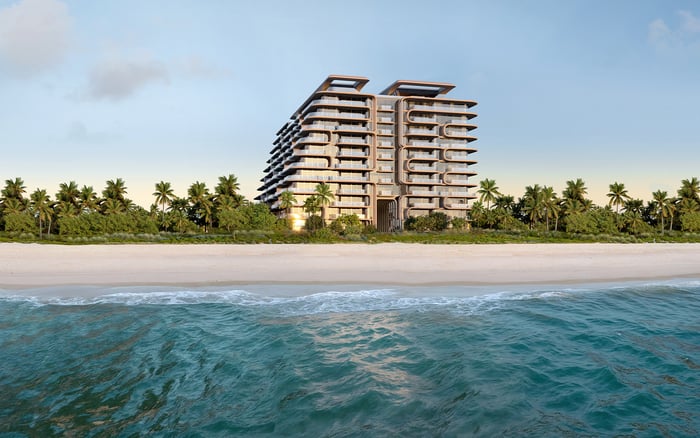
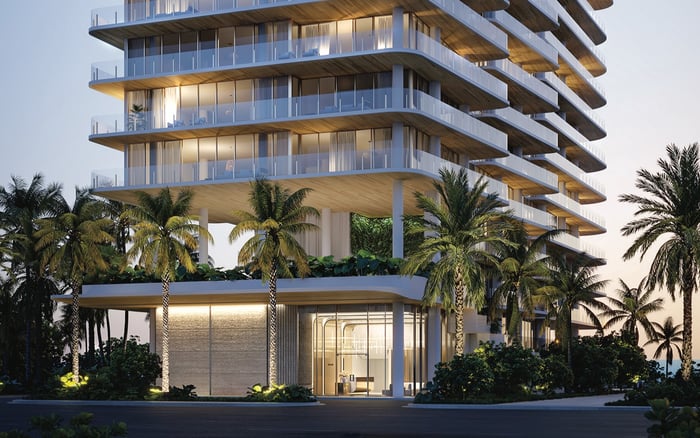
A practical, discreet guide to the questions international purchasers should ask before committing to a Surfside luxury residence, from contract timing and association review to funding, insurance, legal coordination, and final walk-through readiness.
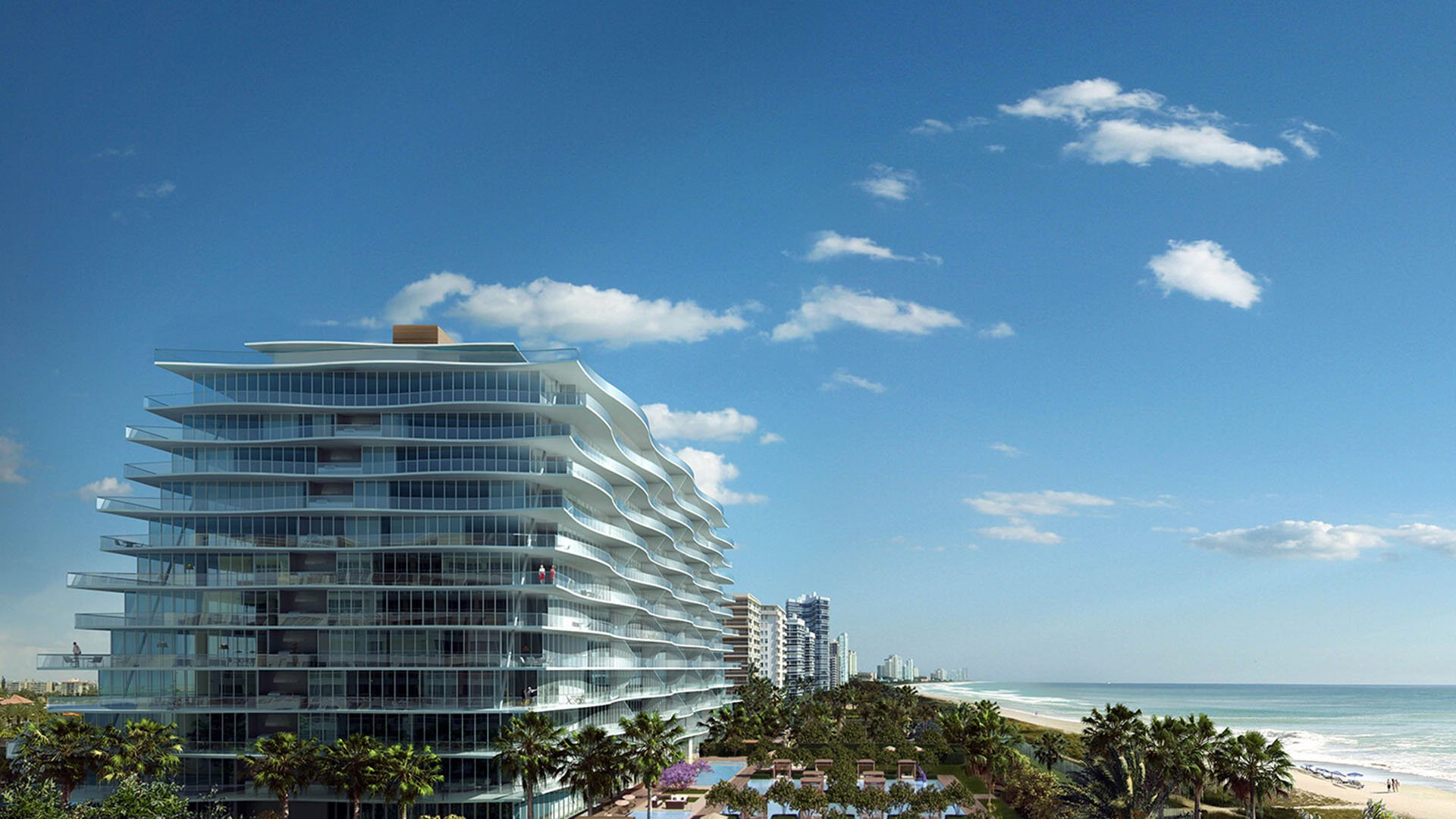
For international buyers considering Surfside, the most elegant purchase is rarely the fastest one. It is the one in which every participant understands the calendar before the contract becomes binding. In a market defined by oceanfront scarcity, boutique buildings, and high-value residences, a foreign-buyer closing is not simply a date on the final page of an agreement. It is a sequence of approvals, document reviews, fund movements, identity checks, insurance decisions, and final confirmations that must be synchronized with precision.
That is especially true when the residence is in a condominium or new development context. A buyer drawn to The Delmore Surfside, for example, should be asking timeline questions with the same discipline used to evaluate architecture, privacy, and views. Timing influences negotiating posture, deposit planning, travel arrangements, and the risk of avoidable stress at the finish line.
The goal is not to make the process feel procedural. It is to protect the experience. A well-managed closing allows a buyer to remain focused on the property itself: the light, the terrace, the arrival sequence, the sense of permanence.
A proposed closing date is useful only when the steps leading to it are clearly understood. Before signing, ask which approvals and deliverables are prerequisites to closing, and which can proceed in parallel. The answer may include association review, title and escrow coordination, lender milestones if financing is involved, legal review, insurance placement, inspection matters, and confirmation of funds.
A foreign buyer should ask for a written timeline that identifies responsible parties. Who submits the association package? Who confirms receipt? Who follows up on missing items? Who coordinates wire instructions? Who verifies the closing statement? These questions are not administrative noise. They are the architecture of certainty.
For a buyer considering Ocean House Surfside or another Surfside address, the most useful discussion happens before offer terms harden. If the seller expects a compressed closing, the buyer should know whether that timing is compatible with international banking, legal counsel, travel, and building review.
Condominium association review can be one of the most important timing variables in a Surfside purchase. Buyers should ask what the application requires, how documents are submitted, whether interviews or additional steps may be part of the process, and how incomplete paperwork could delay approval.
The sharper question is not “how long does approval take?” It is “what can we prepare before the contract is fully executed?” International buyers may need to gather identification materials, financial references, entity documents, translations, notarizations, or other supporting information. If those items are anticipated early, the application can feel orderly rather than reactive.
For legacy luxury buildings such as Fendi Château Residences Surfside, buyers should treat building-level requirements as central to the calendar. Every building has its own rhythm, and a refined buyer respects that rhythm while ensuring that no preventable omission slows the process.
A cash purchase and a financed purchase can feel very different from a timeline perspective. International buyers should ask their advisor and counsel how financing, if used, interacts with contract deadlines. The key issues are not only rate, loan amount, and structure. They include document collection, underwriting expectations, appraisal timing, entity ownership review, and the lender’s closing conditions.
Even when a buyer is financially qualified, cross-border documentation can require additional coordination. Questions should be specific: What documents will the lender require from outside the United States? Will any documents need translation or certification? When must funds be seasoned or moved? Who confirms that lender requirements align with the contract calendar?
For a buyer evaluating Arte Surfside or a comparable ultra-luxury condominium, financing should be discussed as a timeline strategy, not merely as a capital decision. A prestigious residence deserves a closing plan that is equally deliberate.
Foreign-buyer closings often turn on the movement of money. Buyers should ask when deposits are due, where funds must be held, how wire instructions will be verified, and how final closing funds should be timed. Currency exchange decisions should be made with an understanding of contract deadlines, banking hours, and internal compliance reviews.
The question to ask is simple: “What is the latest safe date for funds to be in position?” A closing date is not the same as a funding deadline. High-value international transfers can be slowed by bank review, time-zone differences, correspondent bank routes, and enhanced verification procedures. Planning for those realities is a mark of sophistication.
Buyers should also ask who will confirm wire instructions directly and securely. In any luxury purchase, discretion and verification are inseparable.
Foreign buyers often purchase in an individual name, through an entity, through a trust structure, or with another ownership arrangement. The appropriate path is a private legal and tax question, but the timeline impact should be addressed before contract execution.
Ask when the ownership structure must be finalized. Ask whether entity documents will be needed for the contract, association package, lender review, title work, or closing. Ask whether signatures can be completed remotely, and whether any documents require notarization, witnessing, apostille, or consular coordination.
General buyer guides can be useful as a framework, but bespoke counsel remains essential. The luxury decision is not only what to buy. It is how to hold it, how to close it, and how to ensure that the transaction does not become more complicated than the residence itself.
Surfside buyers should understand how building documents, structural materials, insurance, reserves, and condominium financials fit into the review period. Rather than asking for general reassurance, ask for a checklist: which documents are available, who will review them, and by what date concerns must be raised.
Insurance deserves its own timeline conversation. Buyers should ask when quotes should be obtained, what information the insurer needs, and whether lender or association requirements affect coverage. In a coastal market, insurance should not be left as a last-minute closing formality.
For buyers drawn to Eighty Seven Park Surfside, the due diligence calendar should be considered part of the property evaluation. A graceful acquisition is one in which the buyer understands both the residence and the framework surrounding it.
International buyers should not assume that they need to be physically present for every step, but they should ask early which actions require original signatures, notarization, identification checks, or in-person coordination. If the buyer will be traveling, the calendar should account for time zones, document delivery, remote signing capabilities, and final walk-through arrangements.
Ask who will attend the walk-through if the buyer is abroad. Ask how keys, access devices, parking credentials, building orientation, and post-closing utilities will be handled. These details are practical, but they are also experiential. The first day of ownership should not feel improvised.
Closing time is a negotiable term. In Surfside, a foreign buyer should not treat the seller’s preferred date as a fixed instruction. Instead, the offer should reflect a realistic pathway to close, with enough time for the buyer’s funds, advisors, association review, insurance, title, and legal structure.
A strong buyer is not always the one who promises the shortest timeline. Often, it is the buyer whose timeline is credible. Sellers value certainty. A disciplined closing plan can strengthen an offer because it reduces ambiguity and shows that the buyer understands the process.
The most important question is: “What timeline allows us to close cleanly?” In the Surfside luxury market, that answer is often more valuable than an aggressive date that cannot survive first contact with the details.
What should a foreign buyer ask before choosing a closing date? Ask which approvals, documents, funds, and signatures must be completed before closing, and who is responsible for each step.
Can association approval affect a Surfside closing timeline? Yes. Buyers should ask what the association application requires and whether anything can be prepared before contract execution.
Is a cash purchase always faster for an international buyer? Not automatically. Cash may simplify financing steps, but currency transfers, compliance checks, legal structure, and association review can still affect timing.
When should foreign buyers start moving funds? They should ask for the latest safe funding date well before closing, then plan around banking reviews, currency exchange, and time-zone differences.
Should ownership structure be decided before signing? Ideally, buyers should discuss structure with counsel early because entity or trust documents may affect contract, title, financing, or association requirements.
What documents might need extra time for an international buyer? Identification, financial references, entity papers, translations, notarizations, or other supporting materials may require advance coordination.
How should buyers handle insurance timing? Ask when quotes should be obtained, what information is required, and whether lender or building requirements create specific deadlines.
Do buyers need to be in Surfside for closing? Not always, but they should confirm signature rules, remote signing options, notarization needs, and who will attend the final walk-through.
Is new-construction timing different from resale timing? It can be. Buyers should ask how developer documents, deposits, completion timing, and closing notices interact with their international logistics.
What is the best way to shortlist comparable options for touring? Start with location fit, delivery status, and daily lifestyle priorities, then compare stacks and elevations to validate views and privacy.
If you'd like a private walkthrough and a curated shortlist, connect with MILLION.
If branded residences are on your mind — as a home or as an allocation — we would be glad to share what we are seeing, privately.
Begin a quiet conversation