A buyer-oriented look at Oceana Bal Harbour through the lens of permanence, daily ease, waterfront living, Resale discipline, and the quieter luxury expectations shaping Bal Harbour.
In Bal Harbour, luxury is rarely about spectacle alone. The more interesting measure is permanence: how a residence supports daily routines, family rhythms, privacy, entertaining, service, wellness, and a graceful sense of return. That is where Oceana Bal Harbour belongs in the discussion. It is not simply a name to be judged by surface impression. For long-term owners, it is part of a larger question: whether a home can remain desirable after the initial excitement of acquisition gives way to ordinary life.
This matters because Bal Harbour attracts buyers who tend to think beyond a single season. They may use a residence as a primary home, a long-hold second home, or a family base that needs to feel effortless over time. The purchase decision is therefore less about accumulating the largest possible list of amenities and more about understanding how the building, location, and surrounding village support ease without noise.
Long-term livability is also a quieter form of value protection. A residence that works day after day carries a different appeal than one designed only for a dramatic first impression. In the upper tier, buyers are increasingly sensitive to that distinction.
Oceana Bal Harbour sits within one of South Florida’s most selective residential conversations: Bal Harbour. The area has a particular identity, shaped by calm streets, polished retail, proximity to the water, and a preference for understated affluence. Buyers comparing properties here are often less interested in volume than in the quality of the setting.
That makes Oceana Bal Harbour relevant for those who want a residence connected to the established fabric of the village rather than dependent on a single trend cycle. In practice, the question becomes: does the home feel composed, private, and useful through different phases of ownership? For many luxury buyers, this is the difference between a beautiful apartment and a home they will actually keep.
The comparison set also matters. A buyer may consider Rivage Bal Harbour when evaluating the next expression of Bal Harbour living, or look slightly south to Surfside, where Fendi Château Residences Surfside speaks to a different but still highly curated form of coastal residential life. Oceana Bal Harbour belongs in that same serious buyer dialogue, especially for those weighing how architecture, neighborhood character, and ownership horizon interact.
A livable luxury residence begins with friction reduction. How easy is it to arrive? How natural is the transition from elevator to home? Does the building support quiet weekday living as well as entertaining? Can the residence feel appropriate in January, August, and every month between? These are practical questions, but in Bal Harbour they are also luxury questions.
Lifestyle in this context is not about constant activation. It is about the ability to choose quiet, privacy, and convenience without feeling removed from South Florida’s cultural and dining landscape. Bal Harbour offers that balance in a way that is difficult to duplicate. It is close enough to Miami Beach, Surfside, and the broader Miami corridor to feel connected, yet distinct enough to preserve a slower residential cadence.
This is where buyers should evaluate Oceana Bal Harbour with lived experience in mind. A short tour can show finishes and views, but a long-term ownership decision should consider how the residence handles ordinary patterns: morning routines, visiting family, household staff, dining out, fitness, beach time, and moments when nothing is scheduled at all.
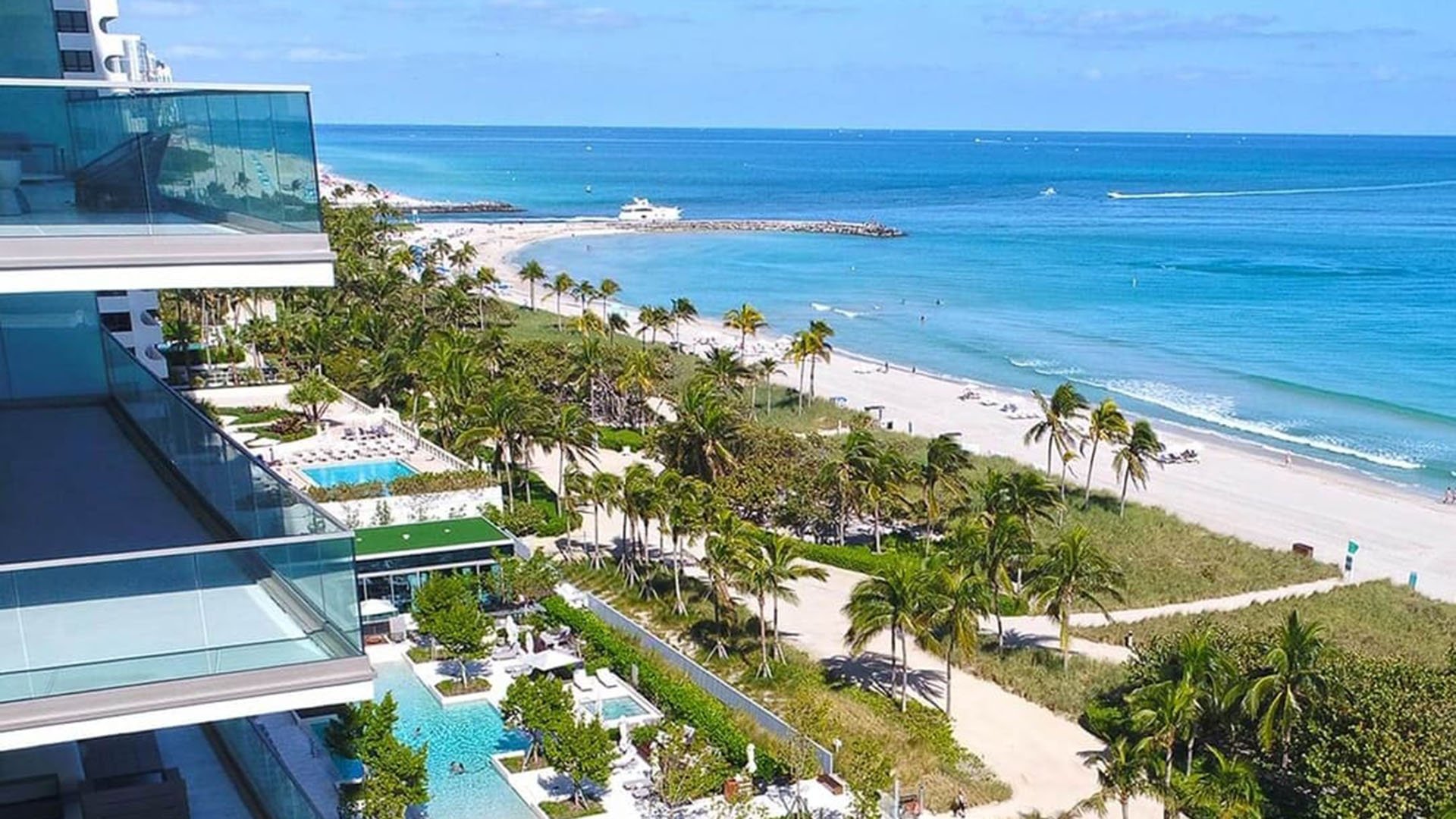
Waterfront living in South Florida can mean many things. Some buyers want activity and a sense of urban energy. Others want a softer relationship with the water, where the setting functions as an everyday backdrop rather than a performance. Bal Harbour generally speaks to the second buyer.
For this audience, waterfront is less about the simple fact of proximity and more about atmosphere. Light, privacy, sound, breezes, and the quality of approach all matter. A residence may be impressive on paper, but if it feels exposed, congested, or overly transient, it can lose its long-term appeal.
That is why Oceana Bal Harbour should be considered not only against other Bal Harbour options, but also against nearby coastal addresses. The Surf Club Four Seasons Surfside, for example, offers another reference point for buyers who value legacy, service culture, and a more discreet coastal identity. Farther south, The Perigon Miami Beach can enter the conversation for buyers who want a Miami Beach address while still prioritizing architectural refinement and coastal living. Each comparison helps clarify whether Bal Harbour’s quieter profile is the right fit.
Resale should never dominate the emotional side of a luxury purchase, but it should inform the discipline of the decision. In markets like Bal Harbour, long-term value is often linked to scarcity, condition, building reputation, governance, and the enduring desirability of the address. Buyers should avoid treating every luxury tower as interchangeable.
The strongest long-term purchases tend to be those where the residence solves a specific lifestyle need while also remaining legible to the next buyer. Floor plan efficiency, outdoor usability, privacy, arrival experience, and overall building upkeep all deserve careful attention. The more a residence depends on novelty, the more vulnerable it may be to changing tastes.
For Oceana Bal Harbour, the livability question is therefore connected to future marketability. If the home feels calm, well-positioned, and easy to occupy, it may appeal not only to the current owner but also to the next serious buyer who wants Bal Harbour without compromise. Resale confidence is not created by hype. It is built through a durable match between place, product, and lifestyle.
A thoughtful buyer should begin with personal use. Is the goal full-time living, seasonal residence, or a flexible family base? The answer changes the importance of storage, guest accommodations, service access, privacy, and maintenance expectations. A residence that is ideal for a couple using it several months a year may not function the same way for a multi-generational household.
Next comes building culture. Luxury condominiums are communities, even when they are discreet ones. Rules, rhythm, service standards, and resident expectations shape the ownership experience. In Bal Harbour, where discretion is part of the appeal, this can matter as much as design.
Finally, buyers should compare not only price and finishes, but also emotional fit. Oceana Bal Harbour makes the most sense for someone who values calm permanence, village prestige, and a polished coastal setting. For others, Miami Beach energy, Surfside heritage, or a newer development profile may be more appropriate. The best decision is the one that remains logical after the view, the lobby, and the initial excitement have all settled.
Is Oceana Bal Harbour mainly a primary-home or second-home option? It can be considered through either lens, depending on the buyer’s routine, household needs, and desired ownership horizon.
Why is Bal Harbour associated with long-term livability? Bal Harbour offers a quieter residential setting with convenient access to surrounding coastal and urban destinations.
How should buyers compare Oceana Bal Harbour with newer projects? Compare the daily living experience, building culture, privacy, maintenance expectations, and long-term personal fit.
Does waterfront living automatically mean better livability? Not automatically. The quality of privacy, approach, light, sound, and usability often matters more than location alone.
What role does lifestyle play in the purchase decision? Lifestyle determines whether the residence supports real routines, from quiet mornings to family visits and entertaining.
Should resale be a major part of the analysis? Yes, but it should complement the lifestyle decision rather than replace it. Durable appeal comes from fit and quality.
How does Bal Harbour differ from Miami Beach for buyers? Bal Harbour generally offers a calmer residential rhythm, while Miami Beach may appeal to buyers seeking more energy.
Is Oceana Bal Harbour appropriate for buyers who value discretion? It can be part of that conversation because the broader Bal Harbour setting is closely associated with privacy and restraint.
What should buyers review before making an offer? Review residence condition, building operations, monthly obligations, rules, service expectations, and comparable alternatives.
Why work with a specialist on a Bal Harbour purchase? A specialist can help interpret subtle differences among buildings, ownership cultures, and long-term value signals.
To compare the best-fit options with clarity, connect with MILLION.
If branded residences are on your mind — as a home or as an allocation — we would be glad to share what we are seeing, privately.
Begin a quiet conversation