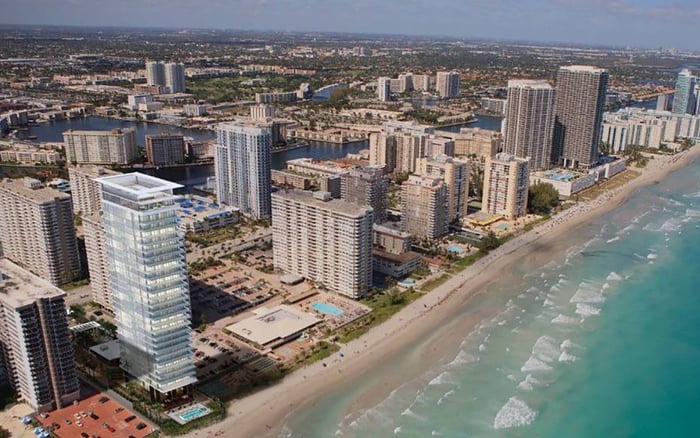
A practical, buyer-focused guide to FIRPTA questions for high-value Hallandale Beach purchases, from seller status and withholding rates to escrow instructions, forms, timing, and professional review.
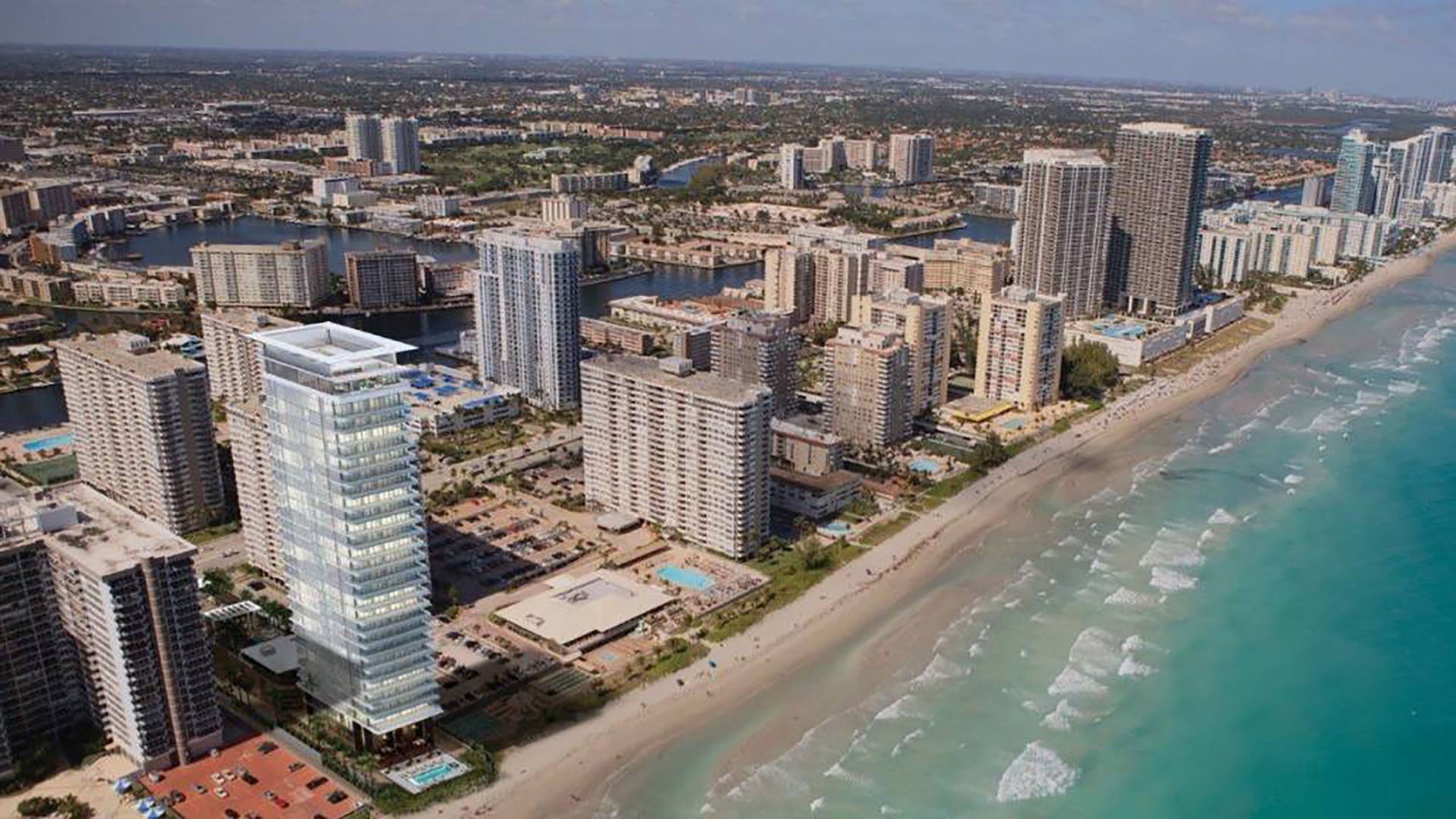
In Hallandale Beach, where waterfront condominiums, private clubs, and resort-caliber residences attract an international buyer and seller base, FIRPTA belongs at the front of diligence. It is not a decorative closing form. It is a federal withholding regime that can shift real compliance risk to the buyer if the transaction is not documented correctly.
The first question is simple: is the seller a foreign person for FIRPTA purposes? If the answer is yes, or if the answer is not properly documented, the buyer should bring the issue immediately to counsel, the title team, and a tax adviser. A verbal assurance is not enough for a high-value purchase. Before money moves, the file should contain the appropriate certification, withholding plan, escrow instructions, and forms.
This matters whether a buyer is evaluating 2000 Ocean Hallandale Beach, considering private club-oriented options such as Shell Bay by Auberge Hallandale, or comparing Hallandale Beach against nearby luxury corridors. In this segment, the tax mechanics can be as consequential as the view line.
A sophisticated buyer should ask, in writing, who will act as the withholding agent. In most foreign-seller real estate transactions, the buyer, also called the transferee, is generally responsible for withholding. That responsibility can carry liability if withholding is missed, miscalculated, or released improperly.
This is where luxury closings can become deceptively casual. An experienced title company does not replace the buyer’s need to understand the plan. The contract, escrow instructions, and closing checklist should identify who is calculating the withholding, who is collecting the funds, who is preparing the forms, and who is transmitting the payment.
For a Hallandale buyer, the right question is not, “Will the title company handle it?” The sharper question is, “Where, exactly, is the FIRPTA responsibility assigned, and what written documents support the treatment?” That phrasing turns a vague closing assumption into a controlled transaction item.
The general FIRPTA withholding rate for many foreign-seller real estate transactions is 15% of the amount realized. In a luxury acquisition, that number can be significant, and it may not be calculated solely by reference to cash paid at closing.
Ask how “amount realized” is being defined in the closing file. It can include cash paid, the fair market value of other property transferred, and liabilities assumed or taken subject to. If financing, assumed obligations, credits, or other negotiated economics are involved, the buyer should not allow the calculation to remain informal.
This is especially important in an investment context, where buyers often model net exposure, post-closing liquidity, and holding strategy with precision. A FIRPTA misstep can disrupt that model. Buyers who would never leave insurance, association approval, or financing contingencies vague should apply the same discipline here.
A valid non-foreign certification from the seller can eliminate FIRPTA withholding if the buyer does not know the certification is false. The important word is valid. The certification should be properly executed, retained in the transaction file, and consistent with the seller’s identity and structure.
If an exemption is being claimed, ask what written document supports it. FIRPTA exceptions are procedural. They depend on certifications, notices, timing, and specific conditions, not on the seller’s confidence or the parties’ market familiarity.
The residence-use exception deserves particular care. A buyer should ask whether the property will be acquired for use as the buyer’s residence and whether the price falls within the relevant thresholds. For luxury purchases above $1 million, buyers should understand that reduced residence withholding rules do not erase the general 15% exposure. In Hallandale Beach, where premium residences frequently sit in the upper tiers of the market, that threshold question should be asked early.
FIRPTA analysis can change depending on whether the seller is an individual, corporation, partnership, trust, estate, or disregarded entity. The buyer does not need to become the seller’s tax counsel, but the buyer should insist that the closing team identify the seller type and align the paperwork with that structure.
This is particularly relevant in South Florida luxury real estate, where ownership may involve entities, trusts, or layered planning. A contract that simply names an entity seller may not answer the FIRPTA question. Ask who the transferor is for tax purposes, who signs any certification, and whether taxpayer identification numbers are available for both transferor and transferee.
Buyers comparing Hallandale options with neighboring markets, from Avenia Aventura to oceanfront residences farther north such as Auberge Beach Residences & Spa Fort Lauderdale, should keep the same discipline. FIRPTA is federal; it does not become less important because the building is familiar or the closing appears routine.
If the seller believes withholding should be reduced or eliminated, ask whether the seller intends to apply for a withholding certificate using Form 8288-B. This can be a legitimate planning tool, but timing is critical.
The buyer should ask whether the application will be filed on or before closing. If a withholding certificate application is pending at closing, escrow instructions should specify how funds will be held, when they may be released, and under what conditions they must be remitted. Without precise instructions, the buyer can be left relying on assumptions at the exact moment when the transaction needs certainty.
The seller may have strong reasons to pursue a certificate, especially if the required withholding exceeds the expected tax. That does not make the buyer’s risk disappear. It simply means the closing must account for the pending application in writing.
Form 8288 is used to report and transmit FIRPTA withholding. Form 8288-A is prepared for the foreign seller, and the stamped copy is generally needed by the seller to claim credit for the withholding. These are not cosmetic attachments. They are central to documenting that the withholding was handled.
Ask who is preparing each form, who is reviewing names and taxpayer identification numbers, and who will confirm the filing deadline. In general, Form 8288 and the related withholding payment are due by the 20th day after the date of transfer. That deadline should appear on the closing checklist.
Luxury real estate diligence often emphasizes architectural pedigree, amenities, privacy, and lifestyle. In a cross-border transaction, the most elegant closing is also the most documented one. Before funding escrow, the buyer should know whether every FIRPTA form can actually be completed.
The cleanest approach is to place FIRPTA representations and cooperation duties in the contract. The seller should represent FIRPTA status, agree to deliver required certifications or forms, provide taxpayer identification information when needed, and cooperate with any withholding certificate process.
Escrow instructions should be equally specific. They should state whether funds will be withheld, held pending a certificate, released to the seller, or remitted after closing. If no withholding is required, the file should show why. If withholding is required, the file should show the calculation and deadline.
For Hallandale buyers, this is not about slowing the deal. It is about preserving control. The same buyer who studies terrace depth, service-entry design, marina proximity, and club access should also ask whether the closing file is defensible.
What is the first FIRPTA question a Hallandale Beach buyer should ask? Ask whether the seller is a foreign person for FIRPTA purposes and require written documentation before closing.
Is the buyer really responsible for FIRPTA withholding? The buyer is generally the withholding agent and can face liability if withholding is not handled correctly.
What is the general FIRPTA withholding rate? The general rate for many foreign-seller real estate transactions is 15% of the amount realized.
Does amount realized mean only the cash purchase price? No. It can include cash, other property transferred, and liabilities assumed or taken subject to.
Can a seller’s non-foreign certification eliminate withholding? Yes, if it is valid and the buyer does not know it is false, it can eliminate FIRPTA withholding.
Does buying the property as a residence always remove FIRPTA withholding? No. Residence-use rules are threshold-based, and purchases above $1 million can still face general 15% exposure.
What is Form 8288-B used for? It is used to request a withholding certificate that may reduce or eliminate required FIRPTA withholding.
When are Form 8288 and the withholding payment generally due? They are generally due by the 20th day after the date of transfer.
Why does seller entity type matter? Whether the seller is an individual, entity, trust, estate, or disregarded entity can affect documentation and analysis.
Who should review the FIRPTA plan before escrow funding? A buyer’s attorney or CPA should review the plan before funds are released or closing assumptions become binding.
If you'd like a private walkthrough and a curated shortlist, connect with MILLION.
If branded residences are on your mind — as a home or as an allocation — we would be glad to share what we are seeing, privately.
Begin a quiet conversation