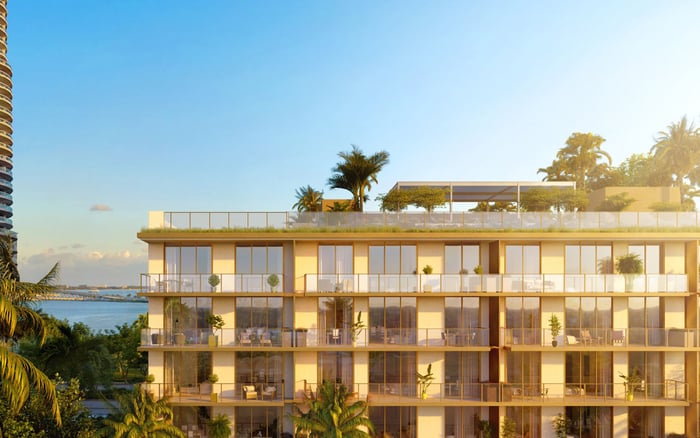
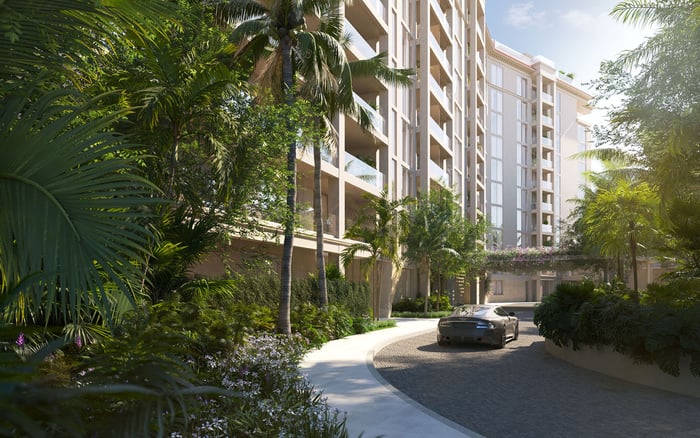
A practical, design-minded guide to choosing an Edgewater residence for long-term daily living, from floor plans and views to building culture, resale discipline, and the quieter details that matter after closing.

Edgewater is often described in the language of skyline, water, and new towers. For a long-term primary residence, however, the more important question is quieter: can the home support the way you actually live every day? The right answer is rarely found in the most dramatic rendering or the flashiest amenity deck. It is found in proportion, privacy, arrival, storage, light, service, and the feeling of coming home after an ordinary Tuesday.
For buyers comparing Miami neighborhoods, Edgewater occupies a compelling middle ground. It can feel more residential than the city’s most commercial cores, yet more connected than enclaves that require a longer drive for almost everything. That balance is why the neighborhood belongs in serious Buyer's Guides for people who intend to live in their residence, not simply hold it.
The long-term buyer should approach Edgewater with patience. A primary home is not only a view purchase. It is a daily-use asset, a social environment, a maintenance obligation, and a base for work, family, wellness, entertaining, and retreat. The best purchase is the one that still feels intelligent several years after the first impression has faded.
Before comparing buildings, define the rhythm of the residence. Some buyers want a serene Waterview from a quiet room where mornings begin slowly. Others need a flexible den that can close off acoustically for work. Families may value separation between bedroom wings, while couples who entertain may prioritize kitchen placement, powder room privacy, and terrace usability.
A long-term Edgewater purchase should be tested against real scenarios. Where do groceries land? Can luggage be stored without crowding closets? Is there a private place for calls? Does the primary suite remain calm when guests are in the living area? Is the terrace deep enough to be useful, or is it mainly visual? These questions are less glamorous than ceiling height and lobby design, but they often determine whether a residence ages gracefully in daily life.
Consider the character of offerings such as Aria Reserve Miami when thinking about scale, outlook, and the appeal of a building conceived for a waterfront lifestyle. A thoughtful buyer will not stop at the headline impression. They will study how the plan receives light, how rooms connect, and whether the building’s energy suits a primary-residence routine.
In Edgewater, Waterfront appeal is central, but water should be evaluated with discipline. A view can transform a residence, yet a long-term buyer should also ask how that view functions across the day. Morning glare, afternoon heat, exposure, privacy from neighboring towers, and the usable depth of outdoor space all matter.
There is also a psychological dimension. For many primary users, a bay outlook brings a sense of decompression that becomes more valuable over time. It can soften the experience of urban living, especially for buyers coming from single-family homes or quieter coastal settings. Yet the most valuable view is the one paired with a plan that works. A magnificent vista cannot compensate for an awkward kitchen, undersized storage, or bedrooms that compromise privacy.
When touring residences, stand where you will actually sit, work, dine, and wake up. Do not assess the view only from the glass line. A well-chosen home should deliver its best qualities from the places you use most.
For a long-term primary residence, amenities are not theater. They are infrastructure for daily life. Fitness areas, wellness spaces, pools, lounges, children’s areas, pet accommodations, package handling, guest arrival, valet rhythm, and staff consistency all influence the ownership experience.
The key is alignment. If you train daily, gym quality matters more than a rarely used party room. If you host family, guest arrival and elevator privacy may matter more than a dramatic lobby. If you work from home, building acoustics and quiet common spaces may carry more weight than a crowded social calendar.
Projects such as EDITION Edgewater invite buyers to consider how branded service, hospitality sensibility, and residential privacy can intersect. The prudent buyer should still ask practical questions: how are amenities managed, how crowded do they feel, and do they make ordinary life easier?
In a primary residence, layout is a form of luxury. Square footage alone is not enough. What matters is usable, furnished, emotionally calm space. Wide living rooms, sensible column placement, protected bedroom corridors, proper laundry areas, and closets that match the intended lifestyle can make a residence feel significantly more substantial.
Buyers should be cautious with plans that rely on spectacle but sacrifice function. A dramatic corner can be beautiful, but if it creates hard-to-furnish angles or limits wall space, the day-to-day result may disappoint. Similarly, oversized terraces are most valuable when they connect naturally to living areas and support real use.
For New-construction options, review plans before falling in love with finishes. Finishes can be enhanced. Poor proportions are harder to correct. A residence intended for many years should allow life to change: occasional guests, evolving work patterns, a growing art collection, new wellness habits, or a different approach to entertaining.
Two buildings with similar views can live very differently. One may feel calm, discreet, and resident-driven. Another may feel transient, social, or hospitality-forward. Neither is inherently better, but the distinction is critical for primary buyers.
Ask how the building feels at different times of day. Observe the lobby during weekday mornings, weekend afternoons, and evening arrivals. Consider elevator wait times, staff interaction, pet movement, guest flow, and whether the common areas feel like extensions of private life or destinations in themselves.
A buyer considering Lilli Miami Edgewater, for example, may be drawn to a more residential interpretation of vertical living. The deeper question is whether the building’s scale, service model, and resident profile feel compatible with the way the buyer wants to live over time.
Edgewater should not be evaluated in isolation. A buyer choosing a primary residence may also compare Brickell for a more financial-district rhythm, Downtown Miami for cultural proximity, Miami Beach for coastal identity, Coconut Grove for a village sensibility, or Coral Gables for a more established residential texture.
The Edgewater advantage is often its blend: a bayfront setting, urban convenience, and a less formal residential mood than some legacy luxury enclaves. But the right choice depends on lifestyle, not prestige hierarchy. If daily walking patterns, commute expectations, school considerations, wellness routines, and dining preferences point elsewhere, the buyer should listen.
This is where Lifestyle clarity becomes essential. A beautiful home in the wrong neighborhood becomes a compromise. A slightly quieter residence in the right daily environment can become the wiser luxury.
A primary residence should be purchased with the heart engaged and the mind fully awake. Long-term buyers can afford to be emotionally attached, but they should still consider future liquidity. The most resilient residences tend to have clear strengths: desirable outlooks, efficient layouts, logical bedroom counts, quality building management, and a sense of privacy.
Avoid overly narrow choices unless they perfectly match your life and you are comfortable with a smaller future audience. Highly personalized build-outs, unusual floor plans, and compromised exposures may be livable for one buyer but less attractive later. Conversely, a residence with calm proportions and broad appeal can support both daily satisfaction and eventual resale.
For buyers studying newer Edgewater offerings, The Cove Residences Edgewater and Villa Miami can serve as useful reference points for how different projects express the neighborhood’s waterfront and urban character. The decision should come down to fit, not simply novelty.
The most persuasive primary residence rarely needs to shout. It has the right arrival sequence, the right morning light, the right storage, the right degree of privacy, and the right building tempo. It supports dinner at home as easily as a formal evening out. It allows work without turning the residence into an office. It gives guests comfort without surrendering the owner’s retreat.
In Edgewater, the long-term buyer has an opportunity to choose a home that feels both connected and restorative. The neighborhood’s best proposition is not only vertical luxury. It is the possibility of living near the center of Miami while preserving a private sense of return.
Is Edgewater a good choice for a long-term primary residence? Yes, for buyers who want an urban Miami setting with a residential waterfront feeling and strong daily convenience.
What should I prioritize first when buying in Edgewater? Begin with floor plan quality, exposure, storage, privacy, and how the building supports your daily routine.
Are views the most important factor in Edgewater? Views matter, but they should not outweigh livability, layout, building management, and long-term comfort.
Should I choose a new development or a resale residence? Choose based on fit, timing, building quality, and the specific residence rather than assuming one category is always better.
How important are amenities for a primary residence? Amenities are important when they support daily habits such as fitness, wellness, hosting, pets, or quiet work.
What makes an Edgewater floor plan strong? A strong plan has usable rooms, sensible circulation, privacy between bedrooms, adequate storage, and flexible living space.
Should I worry about building culture? Yes, building culture shapes daily comfort, privacy, noise levels, staff interaction, and the overall residential experience.
Is Edgewater better for couples, families, or single buyers? Edgewater can work for many buyer profiles if the residence, building services, and neighborhood rhythm match the household.
How should I think about resale while buying a primary home? Favor broad appeal, good proportions, desirable outlooks, and a building environment that will remain attractive over time.
What is the biggest mistake Edgewater buyers make? The biggest mistake is buying the most dramatic impression instead of the residence that works best every day.
To compare the best-fit options with clarity, connect with MILLION.
If branded residences are on your mind — as a home or as an allocation — we would be glad to share what we are seeing, privately.
Begin a quiet conversation