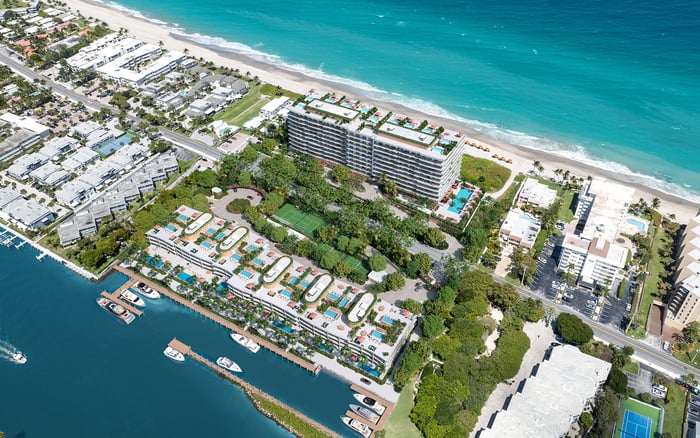
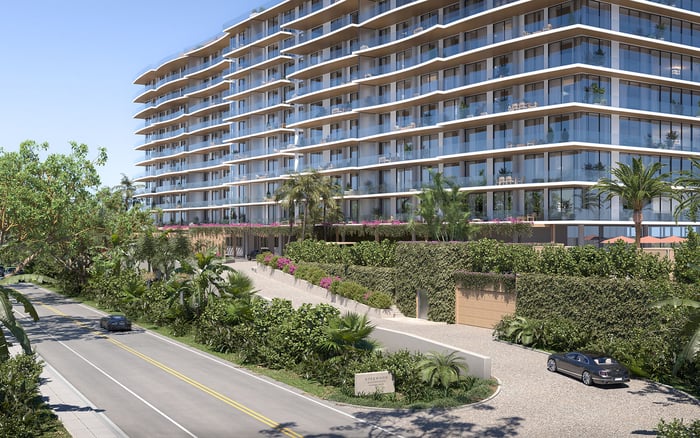
A discerning Broward oceanfront purchase requires more than a compelling view. Test floor-plan scarcity and privacy against documented reserves, structural obligations, and the full cost of a five- to ten-year hold.

The most persuasive oceanfront residence is not necessarily the one with the lowest monthly assessment. For a Broward buyer, the sharper question is whether the price secures something difficult to replace in a building whose financial obligations are clear. A generous floor plate, discreet arrival, and disciplined budget warrant separate scrutiny before they form a single investment thesis.
Privacy and scarcity are qualities to test, not established resale premiums. Neither merits a percentage uplift without comparable transaction evidence. Operating-cost discipline, meanwhile, means identifying and funding necessary expenses-not simply keeping the current assessment low. The aim is an ownership experience whose pleasures and obligations remain clear over a five- to ten-year hold.
Begin with the residence itself, not the building's reputation. Count homes on the floor, homes sharing the elevator landing, and comparable layouts within the property. Then extend the comparison to competing unit stacks. A plan can be unusual within one tower yet readily replaceable elsewhere along the coast.
For a buyer considering 2000 Ocean Hallandale Beach, a useful Hallandale Beach comparison goes beyond similar square footage. Ask whether alternatives reproduce the same room arrangement, exposure, arrival sequence, and relationship between interiors and terraces. Verify each characteristic through plans and inspection rather than inferring it from a project name.
Separate rarity from usefulness. An uncommon layout does not automatically serve the next buyer well. Test bedroom separation, circulation, and the ability to entertain without compromising private rooms. In comparable sales, distinguish differences in condition, floor, and outlook before attributing a price difference to floor-plate scarcity. Without that discipline, an appealing architectural feature can become an unsupported valuation assumption.
Privacy is a sequence of conditions: arrival, elevator access, the threshold, interior sightlines, and outdoor space. Confirm what a private-entry description means in practice. Does the elevator serve only that residence at the landing? What access arrangements apply to guests, deliveries, and service personnel? Request the relevant plans and operating rules.
In Fort Lauderdale, a shortlist that includes Auberge Beach Residences & Spa Fort Lauderdale warrants the same privacy questions for every candidate. Examine neighboring sightlines from living areas and terraces, not just the uninterrupted portion of the ocean view. Count shared thresholds and assess whether the arrival feels discreet in actual use.
Record the findings as verified attributes. They give a future resale discussion something more precise than the word exclusive. They do not establish a premium, but they clarify what another buyer would be asked to value.
Build the ownership comparison in two layers. The recurring layer includes regular assessments, property taxes, owner insurance, and applicable ancillary fees. Identify what assessments already cover to avoid counting shared expenses twice. Review master-policy coverage and deductibles alongside the owner's insurance arrangements; neither alone provides a complete picture.
The capital layer includes reserve contributions, adopted special assessments, expected major repairs, and association borrowing. A Structural Integrity Reserve Study, or SIRS, estimates the funding needed for future major repair and replacement of covered common elements, using a visual inspection as part of the assessment. Covered items include roofs, structural systems, and plumbing. These obligations remain distinct from routine operations even when contributions appear within the regular assessment.
For a Pompano Beach comparison involving The Ritz-Carlton Residences® Pompano Beach, apply the same accounting categories to every alternative. Label projections as projections; where actual budgets exist, examine them. Do not present projected and established expenses as equally certain.
Map payments over five and ten years. Separate known obligations from estimates, avoid double-counting funded work, and test less favorable expense assumptions. A low opening assessment is not, by itself, evidence of a lower total ownership cost.
Florida generally requires milestone inspections for residential condominium and cooperative buildings with three or more habitable stories beginning at age 30, followed generally by inspections every 10 years. Local enforcement agencies may require the initial inspection at 25 years based on local circumstances, including environmental conditions and proximity to salt water. Coastal proximity alone is not an automatic statewide 25-year trigger.
Appropriately licensed architects or engineers must perform milestone inspections. Obtain the applicable findings, any identified repair requirements, and repair-completion records. The inspection date is only one part of understanding the building's position.
The legislative framework changed in 2025: HB 913 was signed June 23 and generally took effect July 1. It extended the initial SIRS deadline for certain existing associations to December 31, 2025. Eligible associations with milestone inspections due by December 31, 2026, may complete their SIRS simultaneously under the timing exception. These dates establish neither an individual association's compliance nor its eligibility; verify both with qualified advisers. Required SIRS work generally recurs at least every 10 years.
Florida restricts associations' ability to waive or underfund reserves for SIRS-covered components, subject to statutory exceptions and funding flexibility. Under the 2025 framework, funding may come through regular assessments, special assessments, loans, or lines of credit. Borrowing changes the payment schedule, not the underlying need to finance the work.
Request budgets, reserve balances, assessment history, board minutes, and any financing terms. Reconcile those documents with the SIRS and repair records. Ask which projects are funded, which remain estimates, and how scheduled contributions align with expected expenditure.
A buyer evaluating Rosewood Residences Hillsboro Beach should apply the same documentary standard. Neither branding nor architectural appeal establishes operating-cost discipline. The test is whether the available financial information supports the proposed ownership plan.
Before committing, write a short decision brief covering verified architectural distinctions, verified privacy arrangements, recurring costs, capital exposure, and unresolved questions. Use comparable transactions to test the purchase price, keeping any assumed future premium separate from documented evidence.
The strongest case is not that every distinctive residence will outperform. It is that the buyer understands what is scarce, what is private, and what must be paid for. That is a more defensible foundation for both personal enjoyment and a future sale.
For a considered approach to Broward oceanfront ownership, explore MILLION.
If branded residences are on your mind — as a home or as an allocation — we would be glad to share what we are seeing, privately.
Begin a quiet conversationNo. Compare competing layouts and completed transactions, accounting for condition, floor, and outlook before attributing a price difference to scarcity.
Count residences per floor and elevator landing, verify entry and access arrangements, and examine neighboring sightlines from rooms and terraces.
Include regular assessments, property taxes, owner insurance, and applicable ancillary fees. Identify expenses already included in assessments to avoid double-counting.
A SIRS estimates reserve funding for future major repairs and replacement of covered common elements. Routine operations and capital obligations should be analyzed separately, even when both are funded through regular assessments.
Covered residential condominium and cooperative buildings with three or more habitable stories generally begin at age 30, with subsequent inspections every 10 years. Local agencies may require an initial inspection at 25 years based on local circumstances.
No. Proximity to salt water can inform a local agency's requirement, but coastal proximity alone is not an automatic statewide 25-year trigger.
An appropriately licensed architect or engineer must perform it. Buyers should also examine identified repair requirements and repair-completion records.
It extended the deadline for certain existing associations to December 31, 2025. Eligible associations with milestone inspections due by December 31, 2026, may complete their SIRS simultaneously under the timing exception, subject to verified eligibility.
Under the 2025 framework, associations may use regular assessments, special assessments, loans, or lines of credit. Buyers should review financing terms and distinguish payment timing from the underlying capital obligation.
Request inspection findings, the SIRS, repair-completion records, budgets, reserve balances, assessment history, board minutes, and master-policy coverage and deductibles. Reconcile funding commitments with the work identified.