A second residence at 2000 Ocean requires more than a conventional closing file. Buyers should align the association’s documents and master insurance with unit-level coverage, local oversight, staff access protocols, preventive maintenance and a tax plan that does not presume homestead treatment.
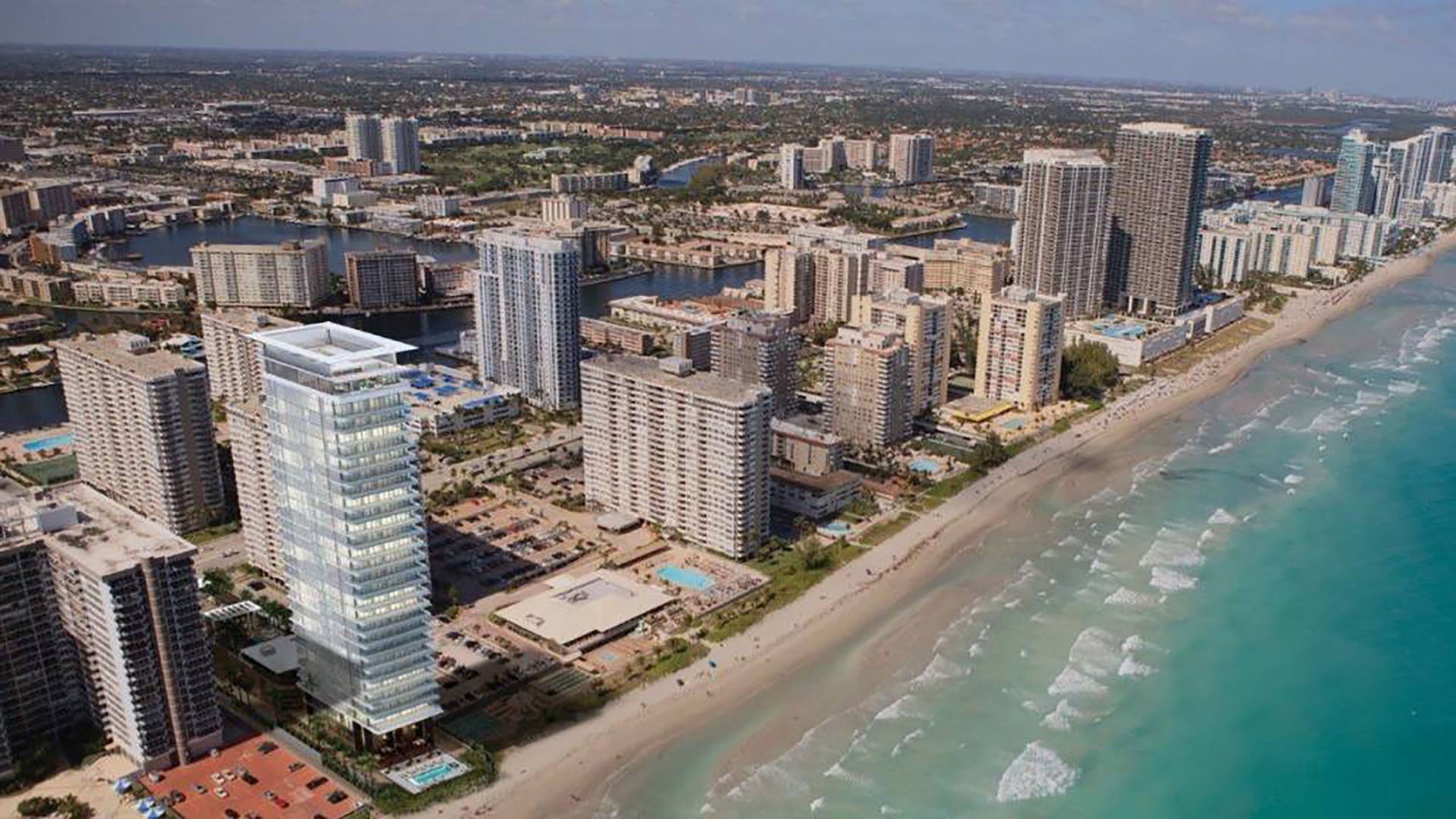
At 2000 Ocean Hallandale Beach, the closing checklist should reflect the property's scale and character. Completed in 2021, the boutique oceanfront condominium stands at 2000 South Ocean Drive in Hallandale Beach, just north of Golden Beach. It comprises 64 half-floor and full-floor residences, plus a duplex sky villa with a private pool deck.
Most residences offer three to five bedrooms and span approximately 2,900 to 5,800 square feet, excluding the larger sky villa. Private elevator access, expansive terraces and high-end finishes position these homes for end users rather than compact, transient stays. That distinction matters: a large seasonal residence with extensive glass, valuable interiors and direct beach exposure requires a more deliberate operating structure than an urban pied-à-terre.
For readers of MILLION's Buyer's Guides, the central point is simple: acquisition due diligence and post-closing management should be designed together. A polished handover is not complete until the owner knows who insures each component, who can enter during an emergency and how the residence will be monitored while vacant.
The best second-home closing plan begins with the realities of ownership after the keys are delivered.
The association's master policy and the owner's unit policy should be reviewed side by side before closing. The buyer and insurance adviser should identify responsibility for windows, exterior doors, terraces, built-ins and interior improvements. Marketing materials and property descriptions are no substitute for the current declaration, bylaws, insurance certificates and active policy declarations.
Ocean and beach exposure make windstorm, hurricane and flood provisions central to the review. Confirm the hurricane or windstorm deductible, whether flood coverage is separate, the scope of loss-of-use protection and any limits affecting water damage. Because seasonal homes may remain unused for extended periods, the insurer should also confirm that the intended occupancy pattern is permitted and explain any vacancy-related conditions.
Unit coverage should reflect replacement value, not simply purchase price or the existence of building insurance. High-end finishes, appliances, furniture, lighting, rugs, art and personal contents can create substantial exposure. A complete Minotti furniture package has been offered with interior-design services at the property, underscoring why furnishings should be inventoried rather than treated as incidental. Valuable pieces may require scheduled coverage, subject to the insurer's terms.
The same discipline applies when evaluating other coastal addresses, including Auberge Beach Residences & Spa Fort Lauderdale and Rosewood Residences Hillsboro Beach. Each review must be governed by the property's documents, current policies and unit specifications. A familiar coastal setting never makes insurance obligations interchangeable.
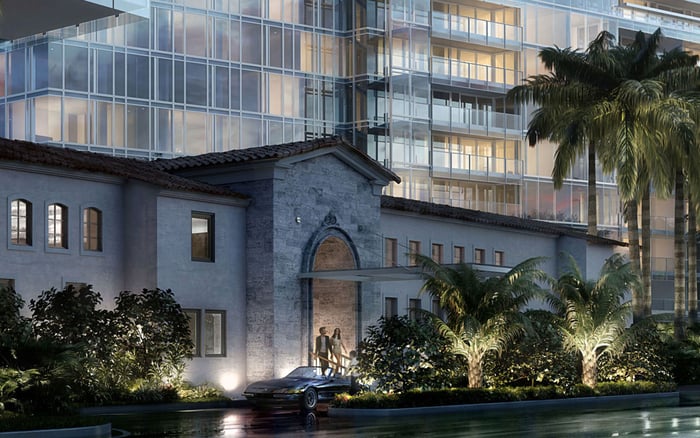
2000 Ocean offers 24-hour concierge coverage, along with doorman, pool and full-service beach amenities. Security features include controlled elevators, a secured lobby, fencing, smoke detection and secured parking infrastructure. These services establish a strong building-level framework, but they do not replace an owner's representative responsible for the interior of a private residence.
An absentee owner should designate a local emergency contact or property manager with clear authority to inspect the residence, coordinate repairs and secure post-storm access. The engagement should define reporting frequency, approval thresholds and escalation procedures, as well as backup contacts if the principal representative is unavailable.
Housekeeping plans must account for substantial interiors, terraces and salt-exposed glass. Preventive maintenance should address HVAC, plumbing, smart-home equipment, appliances, terrace drainage, marble surfaces and exterior glazing. A written calendar makes recurring care visible and helps prevent minor issues from going unnoticed between visits.
Second-home staffing should be calibrated to actual use. Some owners may require scheduled housekeeping and arrival preparation; others may need more continuous property management. In either case, a named party should be responsible for pre-arrival checks, post-departure shutdown, vendor supervision and storm preparation. Building personnel can facilitate approved access, but accountability for the unit should remain unambiguous.
The closing process should document the building's approved procedures for household staff, contractors, guests, deliveries, keys and vehicles. The owner should understand how authorizations are submitted, how long they remain valid and who can amend them. Access credentials should be assigned to individuals rather than circulated informally.
Create a concise residence manual containing emergency contacts, shutoff locations, equipment instructions, insurer details and preferred vendors. Keep sensitive credentials secure and revise the manual whenever staffing changes. For a home with private elevator access, the arrival experience may feel effortless, yet the permissions behind it still require careful administration.
Buyers comparing ownership patterns within Broward may also consider Shell Bay by Auberge Hallandale. The useful comparison extends beyond amenity count to how each property's documents, service structure and access rules align with the owner's travel schedule and desired level of privacy.
Florida homestead benefits are tied to qualifying permanent residences. A purchaser whose primary residence remains elsewhere generally should not assume that a second-home condominium will receive homestead treatment. The ownership budget should therefore be modeled without that benefit unless a qualified Florida tax adviser confirms eligibility.
Tax planning should begin before the buyer finalizes the ownership structure. An adviser can assess homestead eligibility, the proposed form of ownership and any federal or state consequences associated with rental activity. This is particularly important if the residence may occasionally be offered for rent, although exact rental restrictions must be confirmed in the current building documents.
The annual budget should combine association dues, unit insurance, any applicable flood or windstorm coverage, private staffing, preventive maintenance and a contingency for urgent repairs. Exact association charges, parking rights, service levels and insurance obligations are unit-specific and date-sensitive; current figures belong in the closing file, not in assumptions drawn from earlier offerings.
Request the current declaration, bylaws, rules, budget, reserve information, master-policy declarations, insurance certificates and unit-specific closing materials. Review parking rights, rental restrictions and service arrangements. Confirm that planned staffing and guest patterns comply with building procedures.
Then translate the findings into three working documents: an insurance responsibility matrix, a local management protocol and a realistic annual ownership budget. The matrix should assign coverage questions by component. The protocol should specify who acts when the owner is away. The budget should recognize that a refined coastal home continues to require care even when unoccupied.
This is the practical meaning of a second-home checklist at 2000 Ocean. It protects not only the physical residence, but also the owner's time, privacy and ability to arrive without operational friction.
For discreet guidance on South Florida luxury real estate, connect with MILLION.
If branded residences are on your mind — as a home or as an allocation — we would be glad to share what we are seeing, privately.
Begin a quiet conversationThe residences are large, highly finished and oceanfront, while seasonal occupancy can leave them unattended. Insurance, local oversight, access and tax planning should therefore be coordinated before closing.
Review the association’s current master-policy declarations and certificates alongside the proposed unit policy, as well as the declaration and bylaws that allocate responsibility.
A buyer should not assume that it does. Responsibility for windows, doors, terraces, built-ins, improvements and contents must be verified against current governing documents and policies.
Confirm windstorm or hurricane deductibles, flood coverage, loss-of-use protection, water-damage limits, seasonal occupancy conditions and any scheduled coverage for valuable items.
Luxury finishes, furniture, appliances, art and other contents may represent substantial replacement costs that should not be presumed covered by the building policy.
No. Concierge and security support building operations, while a local owner representative can inspect the unit, supervise repairs and coordinate post-storm access.
It should address HVAC, plumbing, smart-home equipment, appliances, terrace drainage, marble surfaces and salt-exposed exterior glass on a documented schedule.
Confirm building-approved processes for staff, contractors, guests, deliveries, keys and vehicles, with named individuals and clear authorization periods.
Generally not if the buyer’s qualifying permanent residence remains elsewhere. A Florida tax adviser should confirm eligibility and the implications of the proposed ownership structure.
Budget for association dues, unit insurance, applicable windstorm or flood protection, staffing, preventive maintenance and a contingency for urgent repairs.