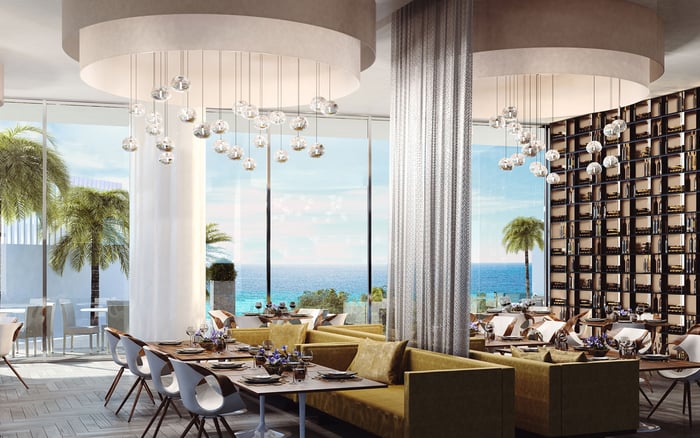
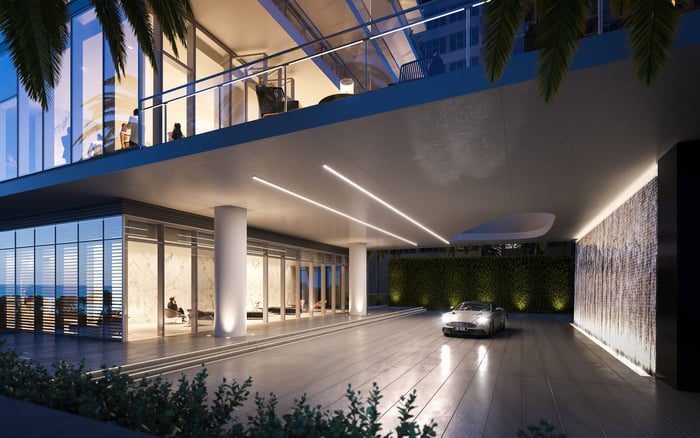
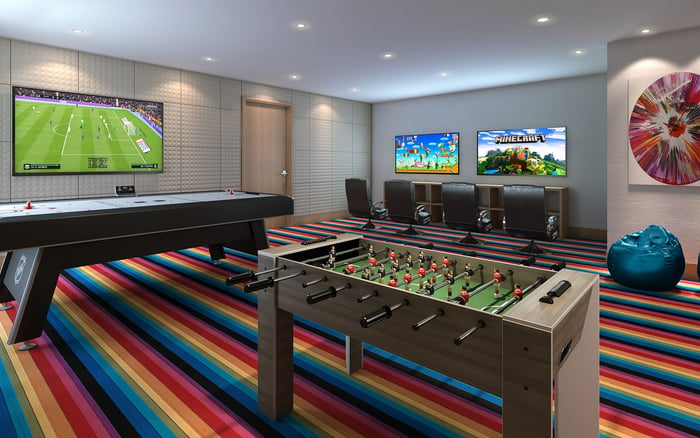
A buyer-oriented look at how staff logistics, service routing, and back-of-house planning can shape the daily experience of luxury condominium living at Turnberry Ocean Club Sunny Isles.
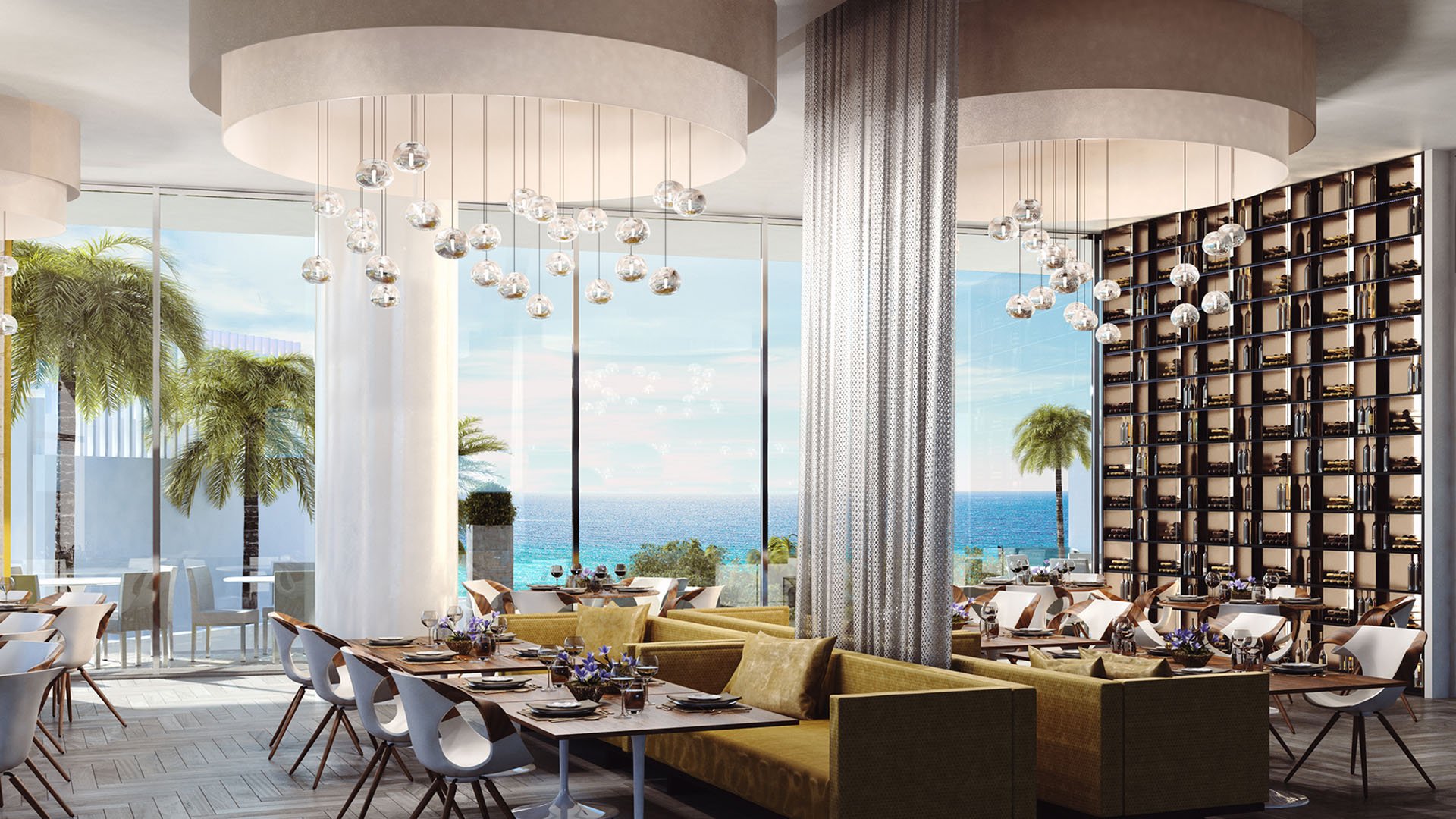
Turnberry Ocean Club Sunny Isles is best understood through more than its visible design language. For buyers focused on privacy, discretion, and day-to-day ease, the deeper question is how a luxury condominium supports the activity required to keep resident-facing spaces calm.
That means looking beyond finishes and views to the choreography behind them: staff movement, amenity support, storage, service circulation, cleaning routines, delivery handling, maintenance access, and the separation between resident areas and operational areas. These details are rarely the first thing a buyer studies, yet they often determine how polished a building feels after the initial impression fades.
In a South Florida luxury market where expectations are high, back-of-house design is not a secondary concern. It is part of the lifestyle infrastructure. The goal is not simply to provide service, but to make that service feel discreet, consistent, and unobtrusive.
Sunny Isles Beach is one of South Florida’s most competitive vertical luxury markets. Buyers comparing towers in this area tend to focus on privacy, views, arrival experience, amenities, and the quality of building management. Staff logistics sit beneath all of those considerations.
A building can appear serene only if its operations are organized. Deliveries need to arrive without disrupting private transitions. Maintenance teams need access without turning residential corridors into work zones. Cleaning and amenity support need to happen regularly without making shared spaces feel busy or exposed.
This is why service design belongs in the same conversation as architecture. A buyer may admire the lobby, pool environment, lounge areas, wellness spaces, or residence plan, but the long-term resident experience depends on how those spaces are supported when the building is active.
For buyers evaluating Turnberry Ocean Club Sunny Isles, it can be useful to compare how other Sunny Isles Beach luxury residences frame privacy and service. Nearby options such as Bentley Residences Sunny Isles, St. Regis® Residences Sunny Isles, and The Ritz-Carlton Residences® Sunny Isles can belong in the same buyer conversation because they also sit within the high-expectation Sunny Isles Beach market.
The point of comparison is not only which building has the most dramatic spaces. It is how each property supports the lifestyle it promises. A heavily serviced residential environment must manage arrivals, guests, staff, packages, amenity turnover, cleaning, and engineering response without making operations feel visible.
That is where a buyer’s questions become more practical. How does the building separate staff routes from resident routes? How are deliveries staged? Where do service teams wait, store supplies, and move between levels? How does the property keep high-use amenity areas prepared throughout the day?
Privacy in a luxury condominium is not limited to a residence door. It begins at arrival and continues through elevators, corridors, amenities, garages, service areas, and shared spaces. Every point of movement can either reinforce privacy or weaken it.
Back-of-house planning helps protect that sense of separation. When staff circulation, package handling, housekeeping, waste removal, and maintenance access are properly organized, residents experience fewer interruptions. The building feels less like a workplace and more like a private environment.
This is especially important for buyers who value discretion. A beautiful space loses some of its effect if service movement regularly crosses the most personal moments of the day. The best luxury operations feel present when needed and nearly invisible when not.
Amenity spaces create lifestyle appeal, but they also create operational obligations. Seating needs to be reset. Towels and supplies need to be replenished. Surfaces need to be cleaned. Equipment needs to be stored. Staff need to move efficiently. Maintenance issues need to be addressed quickly and quietly.
The more ambitious the resident experience, the more important the support framework becomes. A lounge, pool deck, wellness area, or beach-facing environment is only as successful as its daily upkeep. Buyers should consider whether the building’s physical layout appears to support the standard of service they expect.
A practical buyer does not need access to every staff-only area to ask informed questions. It is enough to understand how management approaches service flow, storage, delivery protocols, amenity resets, and maintenance response.
A buyer evaluating Turnberry Ocean Club Sunny Isles should ask operational questions alongside design questions. How are vendors managed? How are packages and deliveries handled? Are service elevators and resident elevators clearly separated? How do staff reach amenity areas? Where are supplies staged? How are shared spaces cleaned during high-use periods?
These questions are not negative. They are a sign of sophistication. In the luxury segment, the difference between a building that looks impressive and one that lives impressively is often found in the spaces buyers do not usually see.
It is also useful to ask how the building handles peak-use moments. Weekends, holidays, guest arrivals, storms, move-ins, and service appointments all test a property’s operational discipline. A well-managed building should have systems that reduce friction during those periods.
Effortless living is created by effort that has been carefully organized. Residents experience the calm arrival, the clean amenity space, the prepared environment, and the quiet response to issues. Behind that experience are schedules, staff routes, storage plans, service elevators, maintenance access, and daily management judgment.
For Turnberry Ocean Club Sunny Isles, the value of studying staff logistics and back-of-house design is that it shifts the buyer’s attention from surface luxury to lived luxury. The visible experience may create desire, but invisible operations help determine whether that desire becomes durable satisfaction.
In Sunny Isles Beach, where buyers often understand the difference between presentation and performance, this operational layer deserves serious attention. A building’s service design can influence privacy, comfort, convenience, and the confidence residents feel every time they return home.
What is the focus of this Turnberry Ocean Club Sunny Isles article? It focuses on staff logistics, service circulation, and back-of-house planning as part of the buyer evaluation process.
Why does back-of-house design matter in a luxury condominium? It helps keep staff movement, deliveries, cleaning, and maintenance organized so resident-facing areas feel calm and private.
Does service planning affect privacy? Yes. Clear separation between resident circulation and operational routes can reduce interruptions and protect a more discreet living experience.
What should buyers ask about staff movement? Buyers should ask how staff, vendors, deliveries, and maintenance teams move through the building without interfering with resident arrivals and amenities.
Why are amenity spaces operationally important? Amenities require cleaning, restocking, maintenance, storage, and staff coordination to remain consistent throughout daily use.
How should buyers compare Turnberry Ocean Club Sunny Isles with nearby luxury towers? They should compare not only design and amenities, but also how each building appears to support service flow, privacy, and building management.
Are deliveries part of back-of-house planning? Yes. Package handling, vendor access, and delivery staging are central to keeping the residential experience orderly.
What makes South Florida luxury operations demanding? High buyer expectations, active amenity use, guest traffic, and coastal lifestyle patterns can place pressure on building operations.
Is visible design enough to judge a luxury tower? No. Finishes and presentation matter, but the long-term experience also depends on operational systems that residents may rarely see.
Who should pay close attention to these details? Buyers who value privacy, discretion, service consistency, and a polished daily routine should study back-of-house planning carefully.
When you're ready to tour or underwrite the options, connect with MILLION.
If branded residences are on your mind — as a home or as an allocation — we would be glad to share what we are seeing, privately.
Begin a quiet conversation