A cash offer can look simple from the outside, yet marina-adjacent ownership in South Florida rewards buyers who treat timing, escrow, dock diligence, insurance, and liquidity as part of the real purchase price.
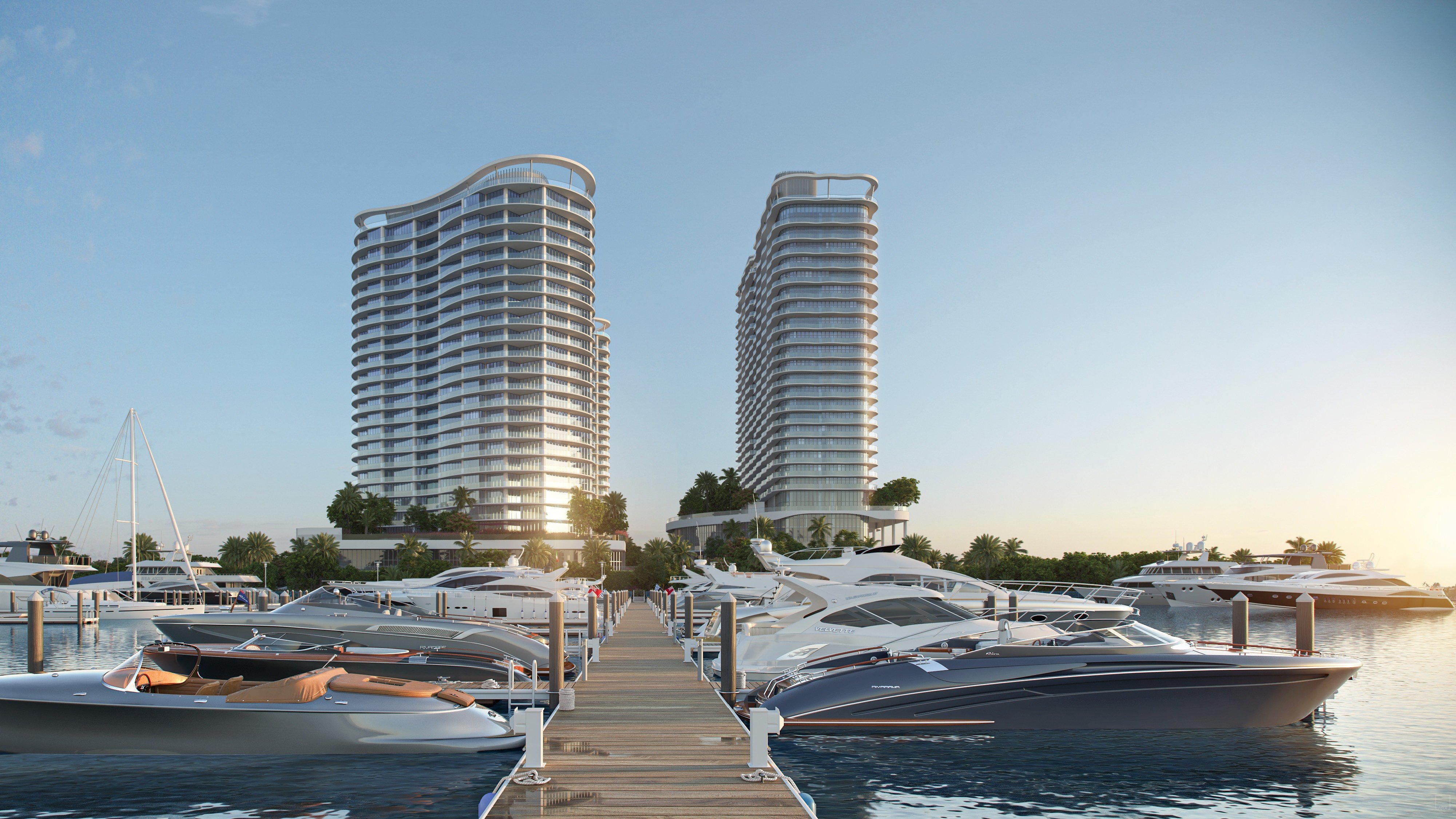
A cash purchase in South Florida carries a certain aura. It signals certainty, speed, and a buyer who can move without waiting on a lender. For a marina-adjacent home, however, the real cost is not only the accepted price. It is the price plus the logistics required to make the home usable, insurable, financeable in the future, and aligned with the buyer’s boating lifestyle.
That distinction matters because a marina setting adds layers that a conventional urban condominium or dry-lot estate may not carry. The buyer may be evaluating dock rights, water access, bridge clearance, seawall condition, association rules, storm exposure, maintenance responsibilities, and the practical distance between the residence and the vessel. Cash can simplify the contract. It does not simplify the asset.
In the luxury segment, the most elegant cash transactions are not rushed. They are choreographed. The buyer knows when funds will clear, how much will be held in reserve, which inspections are non-negotiable, and where speed creates leverage versus where speed creates risk.
Cash buyers often focus on the headline advantage: no mortgage approval. Yet liquidity has its own carrying cost. Funds may need to move from investments, business holdings, foreign accounts, or other real estate sales. Even when the buyer has ample net worth, the timing of available cash can affect negotiation posture.
A seller may prefer a buyer who can show readily available funds, not merely capacity. That can influence deposit expectations, closing windows, and the seller’s willingness to accept fewer contingencies. If funds require liquidation, currency movement, or entity restructuring, the buyer should treat those steps as part of the acquisition budget.
There is also the question of opportunity cost. Cash placed into a waterfront home is no longer deployed elsewhere. For a primary residence, that may be a lifestyle decision. For an investment or second-home purchase, it becomes a portfolio decision. The affluent buyer is not asking whether cash is possible. The sharper question is whether using cash this way preserves optionality.
In a competitive situation, the size, timing, and firmness of the deposit can matter almost as much as the offer price. A clean cash contract with a serious escrow posture can give the seller confidence, especially when the property has specialized attributes that may narrow the buyer pool.
For marina-adjacent homes, escrow strategy should still respect diligence. A buyer may want speed, but not at the expense of reviewing title, association documents, dock use rights, insurance considerations, and physical conditions connected to the water. The goal is not to make the offer reckless. The goal is to make it credible.
This is where experienced representation becomes valuable. A cash buyer can signal strength while preserving carefully drafted review periods. The difference between a confident offer and an exposed one often lies in the details least visible at the showing.
The romance of arriving home by boat can obscure practical questions. Is the dock private, assigned, leased, shared, or subject to association control? Are there restrictions on vessel size, lifts, liveaboard use, tenders, fueling, or service providers? Does the water route fit the owner’s actual boating habits, or only the marketing narrative?
For homes near major boating corridors in Fort Lauderdale, the conversation often begins with access and ends with maintenance discipline. Buyers comparing residences such as St. Regis® Residences Bahia Mar Fort Lauderdale and Riva Residenze Fort Lauderdale may be drawn to the waterfront lifestyle, but the acquisition analysis should remain exacting. Convenience has value only when the rights, rules, and physical conditions support the way the owner intends to live.
The same principle applies beyond Fort Lauderdale. In Boca Raton, a buyer may be weighing a polished residential base such as Alina Residences Boca Raton while keeping boating access, clubs, and coastal routines in view. Not every luxury buyer needs a slip beneath the terrace. Some need a refined home that supports a marine-centered calendar without inheriting dock complexity.
A cash buyer does not need a lender to approve insurance, but that does not make insurance optional as a matter of prudence. Waterfront and marina-adjacent property can carry exposure considerations that should be evaluated before the buyer celebrates the absence of loan conditions.
The relevant question is not simply whether coverage is available. It is whether the cost, exclusions, deductibles, and renewal outlook make sense for the ownership plan. A buyer purchasing with cash should also decide how much reserve capital to keep available after closing. A beautifully negotiated purchase price can feel less attractive if the owner immediately faces dock work, seawall attention, elevated premiums, association assessments, or storm-preparation costs.
Cash should create flexibility. It should not leave the buyer overconcentrated in the asset on day one.
In condominium and branded residence environments, marina proximity may be governed by documents rather than assumptions. The buyer should understand whether boat slips are deeded, licensed, assigned, rented, or entirely separate from residential ownership. If the home is close to a marina but the marina is independently operated, access may be a lifestyle convenience rather than a property right.
That distinction can affect resale value. A buyer who overpays for perceived boating convenience may later discover that the next purchaser discounts the asset because the right was not exclusive, transferable, or guaranteed. Cash buyers, because they can close quickly, are sometimes tempted to rely on broad impressions. In this category, documents matter.
For buyers who prefer a service-rich coastal address without taking on direct dock responsibilities, options such as The Ritz-Carlton Residences® Fort Lauderdale can be evaluated through a different lens: not as a substitute for due diligence, but as a reminder that lifestyle convenience comes in multiple forms.
There are moments when cash justifies a premium. A rare location, a seller seeking certainty, or a property with limited comparable alternatives can make a clean cash offer strategically sound. The premium may be rational if the home solves a specific lifestyle problem that cannot be recreated easily.
The buyer should still define the premium before entering negotiations. Is the additional price being paid for speed, exclusivity, water access, privacy, or simply the emotional force of a scarce property? When the answer is clear, the buyer can make a strong offer without confusing decisiveness with impatience.
A disciplined cash buyer also understands the exit. Even if there is no intention to sell, the property should be legible to the next buyer. Clear rights, clean documentation, durable design, manageable operating costs, and a coherent waterfront story all help protect long-term value.
In South Florida, cash is a tool, not a strategy. The strategy is to align the purchase structure with the property’s true use case. A marina-adjacent home is part residence, part logistics platform, and part lifestyle infrastructure. Its real cost includes the certainty of funds, the quality of diligence, the nature of water access, and the reserves needed to own it comfortably.
The most sophisticated buyers do not treat cash as permission to skip complexity. They use it to control complexity. That is the difference between winning a property and acquiring it well.
Does a cash offer always lower the purchase price? Not always. Cash can improve certainty for a seller, but the final price still depends on scarcity, competition, and the buyer’s terms.
Why is marina-adjacent diligence different from standard home diligence? The buyer must evaluate water access, dock rights, maintenance obligations, association rules, and insurance exposure in addition to the residence itself.
Should a cash buyer still include inspection periods? Yes. A well-structured cash offer can be strong while still preserving time to review physical condition, documents, and ownership rights.
Are boat slips automatically included with marina-adjacent homes? No. Slips may be deeded, leased, assigned, shared, or operated separately, so the rights must be confirmed before closing.
How can proof of funds affect negotiations? Clear proof of available funds can strengthen the buyer’s credibility and may help support a shorter or cleaner closing timeline.
What reserves should a buyer consider after closing? Buyers should plan for insurance, association costs, maintenance, storm preparation, and any waterfront-related repairs or upgrades.
Is cash better for a second-home purchase? It can be, but the buyer should compare lifestyle value against liquidity needs and broader portfolio goals.
Can association rules affect resale value? Yes. Restrictions on leasing, dock use, pets, renovations, or vessel access can influence the next buyer’s view of the property.
When is paying a cash premium rational? A premium may make sense when the property offers rare utility, location, privacy, or water access that cannot be easily replicated.
What is the safest mindset for a cash buyer? Treat cash as leverage, not a shortcut, and let diligence define the real cost of ownership.
To compare the best-fit options with clarity, connect with MILLION.
If branded residences are on your mind — as a home or as an allocation — we would be glad to share what we are seeing, privately.
Begin a quiet conversation