A discreet buyer’s guide to evaluating smart-home cybersecurity before purchasing luxury real estate in Miami Beach, from access control to post-closing handover.

In Miami Beach luxury real estate, smart-home systems are no longer accessories. They are woven into lighting, shades, climate, sound, pool equipment, gates, cameras, elevators, entertainment rooms, wellness areas, and remote monitoring. For a buyer, the question is not simply whether the home feels intuitive. The deeper question is whether its systems have been designed, maintained, and transferred with the same discretion expected of the architecture itself.
A refined residence can lose its sense of privacy when technology is loosely administered. The most elegant wall panels and mobile apps should sit behind disciplined access control, clear ownership records, and a defined plan for what happens when the property changes hands. For MILLION’s Buyer's Guides audience, this is especially relevant when evaluating Waterfront residences, Penthouses, and New-construction inventory, where service teams, integrators, designers, and household staff may all touch the digital environment.
This does not mean every buyer needs to become a technical expert. It means cybersecurity should be a formal part of acquisition due diligence. Ask the questions early, put the answers in writing, and make the handover of the smart-home environment as deliberate as the handover of keys.
The first question is deceptively simple: who controls the system today? A seller may use an app, a property manager may hold a master login, an integrator may maintain administrative access, and a former staff member may still have credentials. Before buying, request a written map of every platform connected to the residence and every party with access to each one.
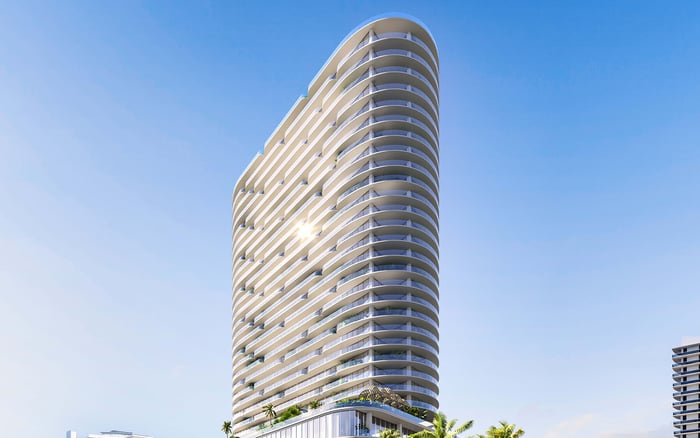
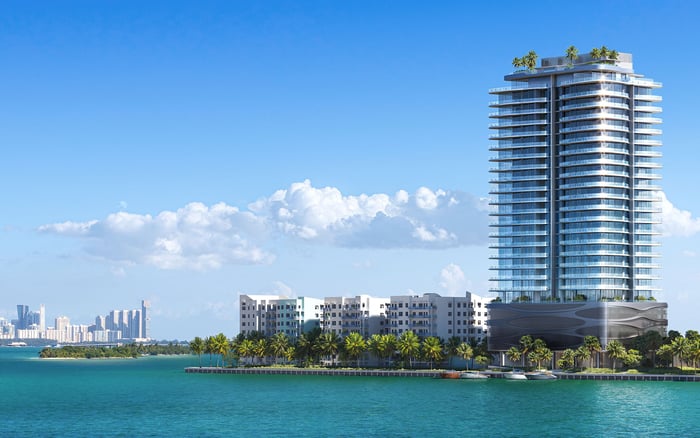
This is especially important in highly serviced properties such as The Perigon Miami Beach, where buyers may expect a polished lifestyle supported by sophisticated technology. Whether the home is in a tower, a boutique building, or a private estate, the ownership question should cover user accounts, cloud accounts, maintenance portals, mobile applications, backups, and any remote support privileges.
Ask whether administrative credentials can be transferred cleanly at closing. If not, ask whether the system can be reset and recommissioned under the buyer’s name. A luxury purchase should not leave the new owner dependent on a previous owner’s digital footprint.
A beautiful interface can conceal a disorderly network. Buyers should ask whether the residence uses separate networks for personal devices, guest access, building systems, security devices, and household staff. The goal is not complexity for its own sake. The goal is containment: if one device or login is compromised, the rest of the residence should not be casually exposed.
In a Miami Beach residence, the smart-home network may support everything from streaming rooms to garage controls and surveillance feeds. Ask whether cameras, locks, alarm panels, elevators, gate controls, and audio systems are segmented from everyday browsing and guest Wi-Fi. Ask whether the home has a current network diagram, and whether that diagram reflects the system as installed, not merely as proposed.
For residences such as 57 Ocean Miami Beach, buyers are often thinking about views, wellness, terrace life, and design. The technology should support that lifestyle quietly. A clean network review helps ensure that convenience does not come at the expense of privacy.
The next questions are operational. How are passwords created, stored, and changed? Are default passwords still in place anywhere? Is multi-factor authentication available for the platforms that control the residence? Who receives update notices, and who is responsible for applying them?
Remote access deserves particular attention. Many luxury homes are maintained while owners are away, which can make remote diagnostics useful. Still, every remote connection should have a named purpose, a named provider, and a clear method for approval or removal. Ask whether remote support can be disabled except when specifically needed. Ask how access is logged, and whether the owner can review who entered the system and when.
Buyers should also distinguish between the residence’s private systems and shared building systems. In condominium settings, in-unit smart-home controls may interact with concierge functions, elevators, entry points, parking, package rooms, or amenity reservations. The buyer’s team should understand where private responsibility ends and association or building responsibility begins.
Traditional inspections focus on physical condition. A sophisticated purchase should also examine privacy condition. Cameras, microphones, voice assistants, smart televisions, baby monitors, access panels, intercoms, and old tablets mounted in walls may all collect or transmit information. Ask whether any devices record audio or video, where recordings are stored, and who can retrieve them.
This question belongs in both resale and newly delivered properties. In a branded or service-rich environment such as Setai Residences Miami Beach, the buyer may reasonably expect a high level of discretion. That expectation should extend to the residence’s digital behavior. Privacy is not only about avoiding intrusion. It is also about knowing that systems are configured for the owner’s comfort rather than the installer’s convenience.
For a resale, request that all cameras and recording devices be identified. For a new residence, ask how pre-installed devices will be activated, registered, and updated under the buyer’s name. If a device is unnecessary, ask whether it can be removed or disabled without compromising the rest of the system.
Cybersecurity due diligence should not be left for the day before closing. Treat it as a condition of transition, with enough time for a specialist to inspect systems, recommend resets, and coordinate with the integrator. The buyer’s real estate advisor, attorney, inspector, and technology consultant should agree on responsibilities before access is granted.
A proper handover may include changing every administrative password, replacing network hardware if needed, deleting former users, transferring licenses, documenting warranties, reviewing subscriptions, and confirming that all mobile apps are under the buyer’s control. If household staff will remain, create individual accounts rather than shared credentials. If vendors will remain, give them limited roles tied to their actual work.
At Shore Club Private Collections Miami Beach, as with other ultra-premium Miami Beach offerings, buyers may focus on the experience of arrival, the quality of finishes, and the sense of sanctuary. The same standard should apply to digital arrival. On day one, the new owner should know who can unlock, view, listen, monitor, adjust, and administer the home.
Before making a final decision, ask for direct answers to the following: What systems are connected? Who has administrator access? Are default passwords eliminated? Is multi-factor authentication enabled where available? Are security devices separated from guest and entertainment networks? How are updates handled? Who can connect remotely? Are logs available? Where are recordings stored? Can all accounts be transferred or reset at closing?
The strongest answers are specific, calm, and documented. Vague assurances are not enough for a residence where privacy is part of the value proposition. Miami Beach buyers do not need a technical dissertation, but they do need an accountable plan. The objective is simple: the home should recognize its new owner completely, and it should stop recognizing everyone else.
Should I ask cybersecurity questions before making an offer? Yes. Early questions help identify whether the smart-home system is orderly, transferable, and suitable for further review.
Who should review the smart-home system for a luxury buyer? A qualified technology consultant or cybersecurity professional can review access, network structure, devices, and handover needs.
Is a factory reset enough after closing? Not always. Some systems also require account transfers, license changes, firmware updates, and removal of old remote users.
What is the biggest red flag in a smart-home handover? Unclear administrator access is a major concern. The buyer should know exactly who controls each system.
Should guest Wi-Fi be separate from the owner’s systems? Yes. Guest access should be separated from security, automation, work devices, and private owner networks.
Do cameras create special privacy issues? They can. Ask where footage is stored, who can view it, and whether any old users still have access.
Can vendors keep remote access after I buy? Only if you approve it. Each vendor should have limited, documented access that can be removed easily.
Does this matter more for Penthouses? Penthouses often involve more customized systems, so a careful review can be especially useful before transfer.
Should smart-home cybersecurity affect negotiations? It can. If the system requires significant cleanup, buyers may ask for corrective action before closing.
What should I control on the first day of ownership? You should control administrator accounts, passwords, mobile apps, subscriptions, device access, and remote permissions.
When you're ready to tour or underwrite the options, connect with MILLION.
If branded residences are on your mind — as a home or as an allocation — we would be glad to share what we are seeing, privately.
Begin a quiet conversation