A discreet buyer’s guide to evaluating smart-home cybersecurity before purchasing luxury real estate in Coral Gables, from ownership transfer and network design to vendor access and post-closing privacy.
In Coral Gables, luxury has always carried a sense of composure. The best homes feel effortless: gates open quietly, lighting scenes follow the evening, climate systems anticipate arrivals, and security can be checked from an airport lounge. Yet that seamlessness depends on a digital layer that is often less visible than stone, millwork, landscaping, or view corridors. Before buying, the essential question is not whether a home is smart. It is whether its intelligence is secure, transferable, maintainable, and private.
Cybersecurity now belongs beside title review, inspections, insurance discussions, and architectural assessment. A connected residence can include lighting, shades, cameras, alarms, speakers, irrigation, pool systems, elevators, entry controls, garage doors, appliances, and wellness technology. Each component may have its own app, account, password, installer, warranty, and remote-access pathway. A buyer should understand the full ecosystem before closing, not after the first lockout, false alarm, or unexplained login prompt.
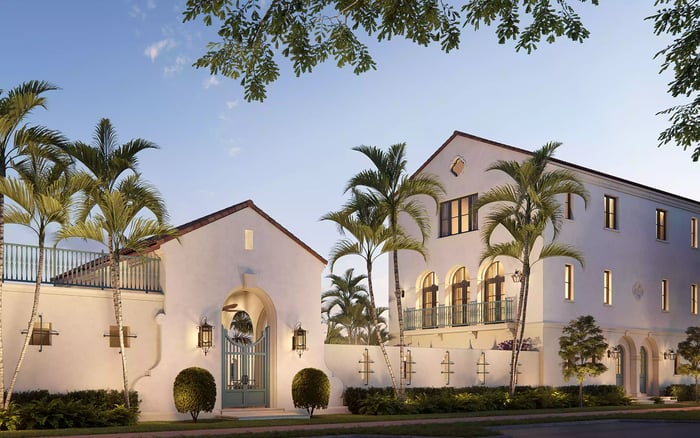
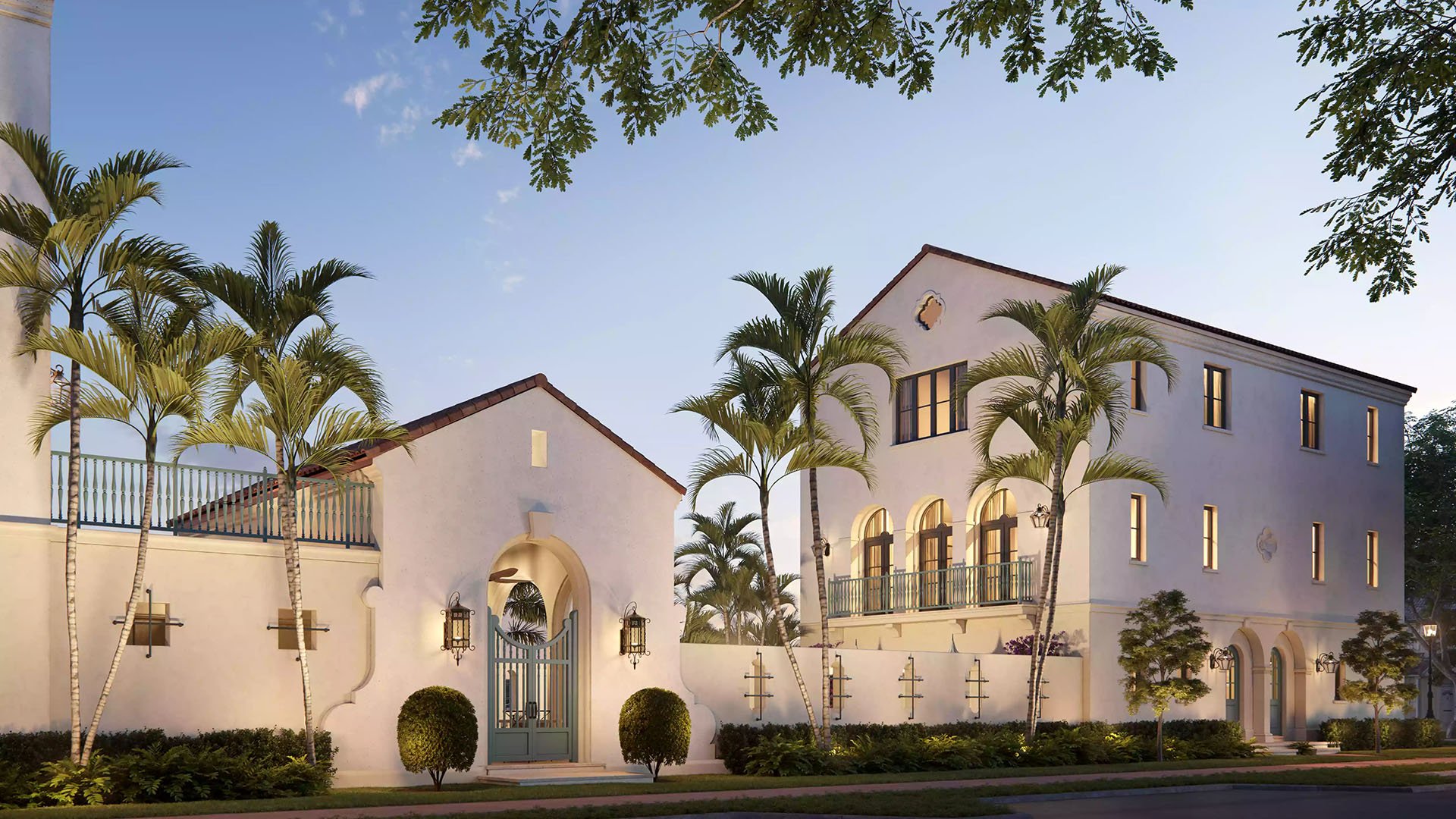
This is especially relevant in Coral Gables, where buyers may compare restored estates, newly completed homes, boutique condominium residences, and lock-and-leave pied-a-terre options. When touring residences such as Ponce Park Coral Gables or considering the residential rhythm of The Village at Coral Gables, smart-home convenience should be evaluated as a living system, not a novelty.
The first question is simple: who controls the accounts? In a luxury transaction, ownership of physical keys, remotes, fobs, and access cards is routine. Digital ownership deserves the same ceremony. Ask for a complete account inventory covering apps, cloud services, hubs, gateways, cameras, locks, thermostats, audio, lighting, pool equipment, irrigation, garage controls, and any building or association portals.
The answer should distinguish among owner accounts, installer accounts, property manager accounts, staff accounts, and any legacy access retained by a previous occupant. Ask whether each platform supports administrative transfer, whether a factory reset is practical, and whether any subscriptions must continue for the systems to function as presented. If a seller cannot identify the controlling email addresses or service vendors, treat that as a due-diligence item, not a minor inconvenience.
For Estates & Single-Family properties, the picture can be more layered because systems may have been added over several renovation cycles. For a New-construction residence, the buyer should still ask whether default credentials have been changed, whether the network has been commissioned for the end user, and whether any developer, installer, or concierge access remains active.
A beautiful smart home should not rely on one undifferentiated Wi-Fi network carrying every device, guest login, staff phone, camera, television, and laptop. Ask whether the residence uses separate networks for owners, guests, staff, smart devices, and security equipment. The goal is containment: if a guest device or low-priority appliance is compromised, it should not create an easy path to private computers, cameras, gate controls, or personal data.
Request a plain-English network map. It does not need to be theatrical; it needs to be intelligible. Who installed it? Where are the router, switches, access points, modem, and control processors located? Are they labeled? Is there battery backup for critical components? Can a trusted technician service the system without reverse-engineering the home?
In boutique environments, the distinction between private systems and shared infrastructure deserves particular attention. A buyer looking at Cora Merrick Park, for example, should ask which technologies are controlled inside the residence and which are connected to building operations, access, parking, amenity reservations, or concierge communications. The point is not suspicion. It is clarity.
Security cameras require special scrutiny because they touch privacy as directly as protection. Ask where cameras are installed, what they record, how long recordings are retained, whether footage is stored locally or in the cloud, and who can view it remotely. Confirm whether microphones are active. In a furnished sale, ask whether any devices are hidden in decorative objects, doorbells, baby monitors, speakers, or third-party accessories.
Remote access is convenient, but it should be intentional. Ask which vendors can log in from outside the property, under what circumstances, and with whose approval. A refined service model might allow a trusted integrator to diagnose issues without a house call. Still, that access should be named, documented, revocable, and protected by strong authentication.
Buyers should also ask how household staff will use the system. Separate credentials are preferable to shared passwords. Staff access should be limited to what is necessary, with the ability to remove or revise permissions when roles change. The same applies to house managers, estate managers, yacht crew, security consultants, leasing agents, and seasonal guests.
Cybersecurity transfer should be part of the closing checklist. Before possession, request a coordinated handover with the seller, listing side, buyer representative, integrator, and property manager where applicable. The objective is to leave the closing table with working access, changed credentials, removed legacy users, updated recovery emails, and documentation for every meaningful system.
Ask whether the seller will provide manuals, device lists, network diagrams, installer contacts, warranty information, service agreements, subscription details, and reset procedures. If the home includes sophisticated lighting scenes or audio zones, ask whether programming files can be transferred. If custom programming cannot be transferred, the buyer should know whether future changes require the original installer or can be handled by another qualified professional.
For buyers comparing Coral Gables with nearby lifestyle markets, the same discipline applies in Coconut Grove. A residence such as Four Seasons Residences Coconut Grove may appeal to buyers seeking service, discretion, and convenience, but the technology conversation remains personal: who has access, how is it governed, and what will the owner actually control?
A smart home is not finished on move-in day. Software updates, router replacements, device changes, app transitions, vendor turnover, and new family routines can all affect reliability. Ask whether the residence has an existing service contract and whether the buyer can continue it. Ask how quickly support is available, whether remote support is allowed, and how emergency issues are handled when the owner is away.
Maintenance should include periodic password changes, removal of unused users, review of camera permissions, firmware updates where appropriate, and verification that backup power supports essential equipment. A buyer should also consider whether the system depends too heavily on one person. If only one installer understands the home, the residence may be elegant but operationally fragile.
Insurance and resale are also part of the conversation. A well-documented technology environment can make the home easier to manage, easier to insure, and easier to present to a future buyer. Poor documentation can turn exceptional design into a service burden.
Before making an offer, ask for a concise smart-home disclosure package. It should identify systems, accounts, vendors, subscriptions, network structure, remote-access permissions, cameras, recording practices, and any known issues. During inspection, include a technology specialist if the home’s automation is material to value or daily use.
The most revealing questions are practical. Can the owner operate the home without the seller’s phone? Can all former users be removed? Can the system function during an internet outage? Are guest and staff networks separated? Are locks, cameras, alarms, and gates on documented credentials? Can a future technician understand the installation? If the answer is unclear, negotiate clarity before closing.
Cybersecurity should not diminish the romance of buying in Coral Gables. It should protect it. The finest connected homes are quiet in every sense: quiet visually, quiet operationally, and quiet digitally. They let the owner live beautifully without wondering who else can see, hear, unlock, adjust, or interrupt the residence.
Should I ask about cybersecurity before making an offer? Yes. If smart-home systems are part of the property’s value, ask early so transfer, reset, or documentation issues can be addressed before closing.
What is the most important smart-home cybersecurity question? Ask who controls every account and whether all prior owners, vendors, staff, and guests can be removed from access.
Do luxury homes need separate networks? Separate owner, guest, staff, security, and device networks can reduce exposure and make ongoing management easier.
Should cameras be reviewed during due diligence? Yes. Confirm camera locations, recording settings, storage, microphone use, and who can view footage remotely.
Can installers keep remote access after closing? Only if the new owner permits it. Any remote access should be documented, limited, authenticated, and revocable.
What documents should a buyer request? Ask for device inventories, network diagrams, manuals, vendor contacts, subscription details, warranties, and reset procedures.
Is New-construction automatically more secure? Not automatically. New systems still need changed credentials, account transfer, network review, and clear owner control.
How should staff access be handled? Use individual permissions rather than shared passwords, and remove or revise access whenever household roles change.
What if the seller cannot provide smart-home passwords? Treat it as a closing issue. A reset, recommissioning, or specialist review may be needed before relying on the system.
Does smart-home cybersecurity affect resale? It can. A documented, maintainable system is easier for a future buyer to understand, trust, and operate.
For a confidential assessment and a building-by-building shortlist, connect with MILLION.
If branded residences are on your mind — as a home or as an allocation — we would be glad to share what we are seeing, privately.
Begin a quiet conversation