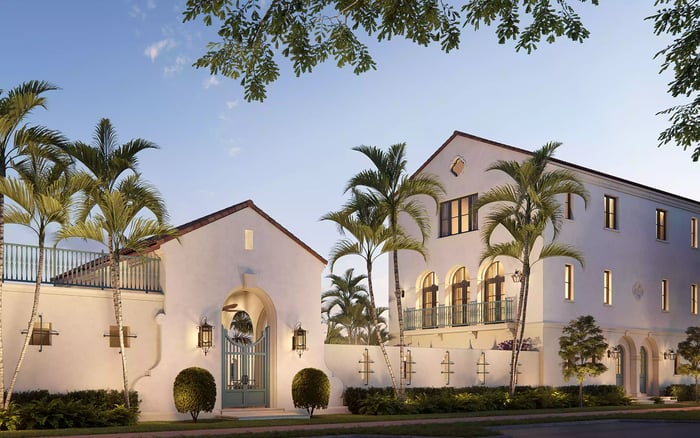
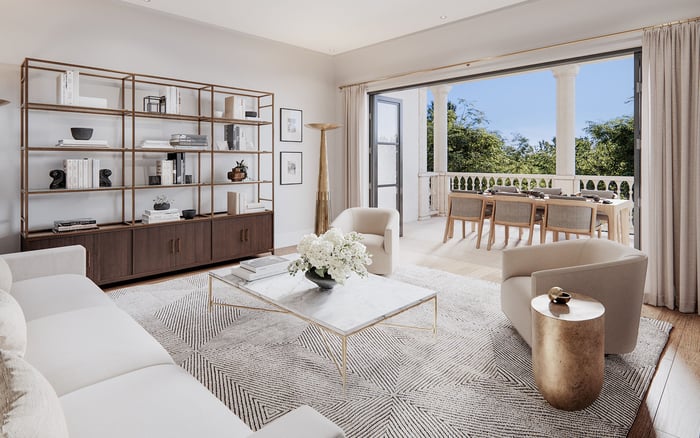
A discreet buyer’s guide to evaluating Coconut Grove and Coral Gables through the practical lens of deep-water docking, access, privacy, maintenance, and lifestyle fit.
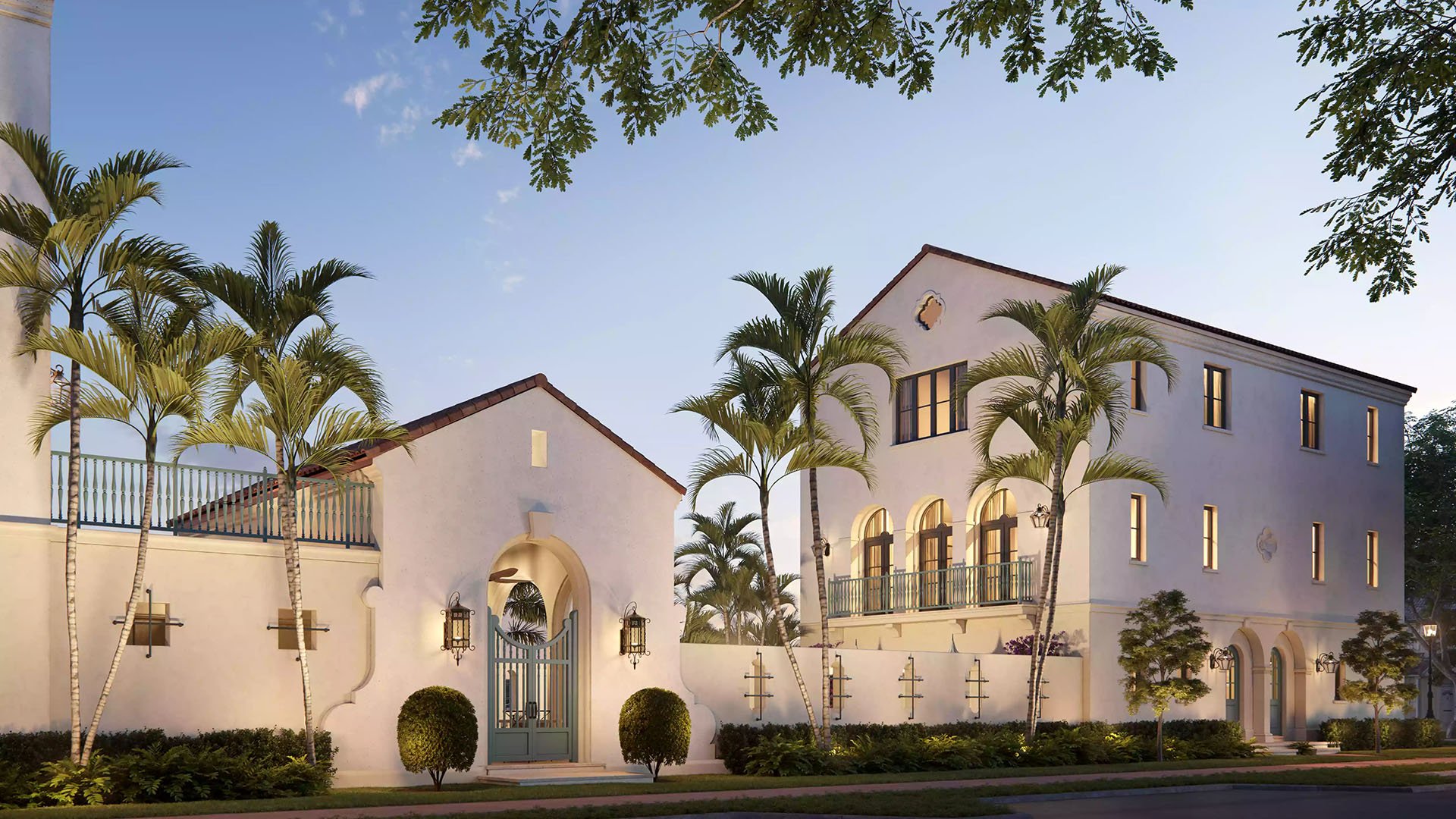
For South Florida buyers, Coconut Grove and Coral Gables can feel like neighboring expressions of the same aspiration: mature landscapes, architectural restraint, proximity to Biscayne Bay, and a quieter form of Miami luxury. Yet for owners who intend to keep a serious vessel close to home, the comparison becomes more technical than romantic.
Deep-water docking practicality is not a marketing phrase. It is a daily-use equation. The right property must align the boat, the dock, the channel, the turning radius, the owner’s routine, and the household’s preferred lifestyle. A beautiful residence that complicates boarding, servicing, provisioning, or departure may underperform a less theatrical home with a stronger marine setup.
This is why a refined search should begin at the waterline. Before comparing kitchens, terraces, or guest suites, the yacht-minded buyer should clarify beam, draft, bridge sensitivity, captain access, tender needs, lift requirements, fuel logistics, and frequency of use. Only then does the Grove versus Gables decision become clear.
Coconut Grove tends to resonate with buyers who want their nautical life integrated with a walkable, leafy, village-like rhythm. The Grove’s appeal is not simply proximity to the water. It is the ability for boating, dining, wellness, schools, parks, and social life to sit within a relatively compact lifestyle radius.
For buyers considering a residence rather than a private estate, projects such as Four Seasons Residences Coconut Grove help frame the area’s current luxury language: serviced, polished, and rooted in a neighborhood that has long attracted buyers who value understatement over spectacle. Nearby, The Well Coconut Grove speaks to a wellness-oriented buyer who may want the Grove address even if the vessel is managed separately.
From a docking perspective, the key is not to assume that every waterfront or near-waterfront Grove property will suit every boat. The buyer must study the exact route from berth to open water, the condition and configuration of the dock, the usability of the seawall, and the real-world convenience of moving crew, guests, luggage, provisions, and service vendors to the vessel. A property may look perfect from the terrace yet fall short once the captain evaluates the approach.
Coconut Grove is often best for the owner who wants the boat to be part of everyday life, not merely an asset kept out of sight. If quick afternoon departures, casual sunset cruises, and an intimate neighborhood atmosphere matter as much as estate seclusion, the Grove deserves serious attention.
Coral Gables appeals to a buyer who may prioritize residential quiet, architectural control, privacy, and a more formal estate cadence. For many clients, the question is not whether Coral Gables can support a refined waterfront life. The question is whether the specific property’s marine conditions match the scale and habits of the vessel.
The Gables buyer is often more willing to trade immediate village energy for a calmer residential setting. That can be a compelling exchange for owners who entertain at home, keep a more structured household, or want the yacht program to complement a broader estate lifestyle. In this scenario, docking practicality must be assessed with the same discipline as roof condition, insurance posture, and structural integrity.
Residential offerings such as Ponce Park Coral Gables and The Village at Coral Gables reflect the city’s continuing draw for buyers who value place, permanence, and a polished residential environment. They are useful reference points for understanding the Gables lifestyle, even when the immediate search is for a private waterfront home.
In Coral Gables, due diligence should be especially site-specific. Confirm whether the dock can safely and legally accommodate the intended vessel, whether access is convenient for crew and maintenance, whether the owner’s preferred use pattern is realistic, and whether the surrounding residential setting supports the desired level of privacy. For larger yachts, small details become decisive.
A common mistake is to choose the house first and force the boat to adapt. Sophisticated buyers do the reverse. They begin with the vessel profile, then identify which properties can accommodate it without compromise.
Start with the basics: overall length, beam, draft, height sensitivity, power requirements, and whether the owner expects a lift, floating dock, fixed dock, or separate tender arrangement. Then move to use patterns. A yacht used every weekend creates different demands than one used for occasional entertaining. A captain-managed program requires different access than an owner-operated center console.
The words deep-water can also distract from other practical concerns. Depth is only one part of usability. Approach, maneuverability, exposure, dock condition, permitting, service access, insurance, and resilience all matter. So does the human choreography of boating: where guests arrive, where provisions are staged, how crew park, how children board, and how the boat is secured when weather changes.
For a true Waterfront search, insist on marine due diligence before emotional commitment. For a Boat-slip arrangement, verify terms, transferability, dimensions, rules, and operating limitations. If a Marina relationship is part of the plan, understand how it fits the owner’s daily routine rather than treating it as a generic convenience. This is the practical core of any serious Buyer's Guides conversation around yacht-oriented living.
Not every yacht-minded buyer needs a private dock behind the house. Some prefer a luxury residence paired with a professionally managed berth or club arrangement. This can simplify maintenance, increase flexibility, and preserve the convenience of a lock-and-leave lifestyle.
In Coconut Grove, a buyer might choose a refined condominium or branded residence and keep the vessel nearby through a separate marine plan. In that case, a residence such as Park Grove Coconut Grove can represent the appeal of elevated residential living without making the home itself responsible for every boating requirement.
In Coral Gables, the equivalent decision may involve choosing a beautifully managed residence or townhouse environment while treating the yacht as a parallel asset with its own operational base. This can be attractive for seasonal owners, families with multiple residences, or buyers who want boating access without waterfront-home responsibilities.
The hybrid approach is especially compelling when the owner’s vessel needs professional oversight. A private dock can be seductive, but it is not always the most efficient solution. The better question is whether the overall arrangement reduces friction. Luxury, at this level, is measured by the absence of inconvenience.
The most elegant buying process is also the most disciplined. Before negotiating, bring the right specialists into the conversation. A marine surveyor, dock contractor, insurance advisor, land-use counsel, and captain can identify issues that a conventional home tour will not reveal.
Ask whether the dock configuration suits the vessel today and whether future modification is realistic. Consider how tides, wind, neighboring docks, and turning space affect daily use. Review electrical capacity, lighting, security, water access, storage, and the path from residence to vessel. Think about aging guests, children, pets, crew privacy, and late-night returns.
Also consider resale. A property that works for a broad range of boats may command a wider audience than one suited only to a narrow use case. Conversely, a rare dock setup that suits a specific high-value buyer can create powerful appeal, provided the next owner sees the same practicality.
Coconut Grove may win when lifestyle integration, neighborhood texture, and everyday boating spontaneity are paramount. Coral Gables may win when privacy, estate character, and a more composed residential atmosphere matter most. Neither is inherently superior. The better choice is the address that lets the owner use the boat more often, more safely, and with less effort.
Is Coconut Grove better than Coral Gables for boat owners? It depends on the vessel, the dock, and the desired lifestyle. Coconut Grove may feel more integrated with daily waterfront living, while Coral Gables may suit buyers seeking a quieter estate rhythm.
Is deep-water docking the same at every waterfront property? No. Depth, access, maneuverability, dock condition, and vessel dimensions must be evaluated property by property.
Should I choose the home or the boat requirements first? Start with the boat requirements. The vessel’s length, beam, draft, and use pattern should shape the property search from the beginning.
Can a luxury condo work for a serious boater? Yes, if the owner has a practical nearby docking or marina plan. For some buyers, this is simpler than maintaining a private waterfront estate.
What professionals should review a waterfront purchase? A marine surveyor, dock specialist, insurance advisor, captain, and legal counsel can help assess issues beyond the visible residence.
Is a private dock always preferable to a marina berth? Not always. A marina arrangement may offer easier service, staffing, and flexibility, depending on the owner’s boating habits.
What makes a dock practical for daily use? Practicality includes safe boarding, easy provisioning, service access, security, power, lighting, and a clean route to open water.
How should seasonal owners think about docking? Seasonal owners should weigh maintenance, storm preparation, crew oversight, and whether the vessel needs professional management when away.
Do Coral Gables and Coconut Grove attract different buyer profiles? Often, yes. Grove buyers may emphasize neighborhood energy and spontaneity, while Gables buyers may emphasize privacy and residential formality.
What is the simplest rule for choosing between the two? Choose the address that makes the boat easier to use and the home easier to enjoy. The best purchase supports both without compromise.
For a tailored shortlist and next-step guidance, connect with MILLION.
If branded residences are on your mind — as a home or as an allocation — we would be glad to share what we are seeing, privately.
Begin a quiet conversation