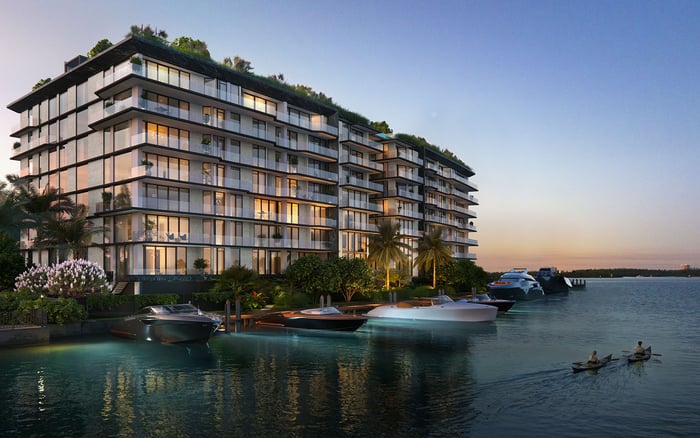
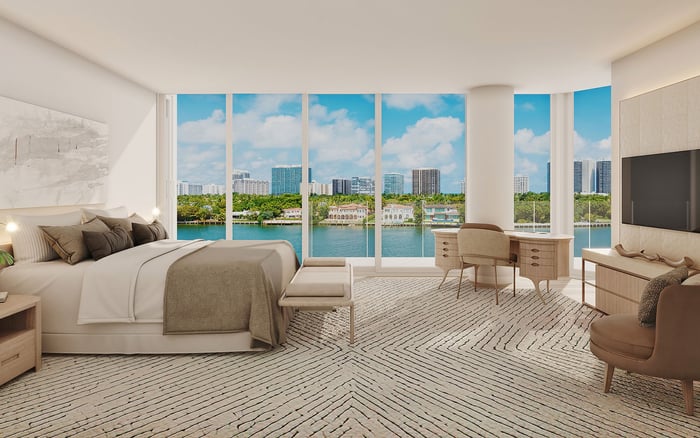
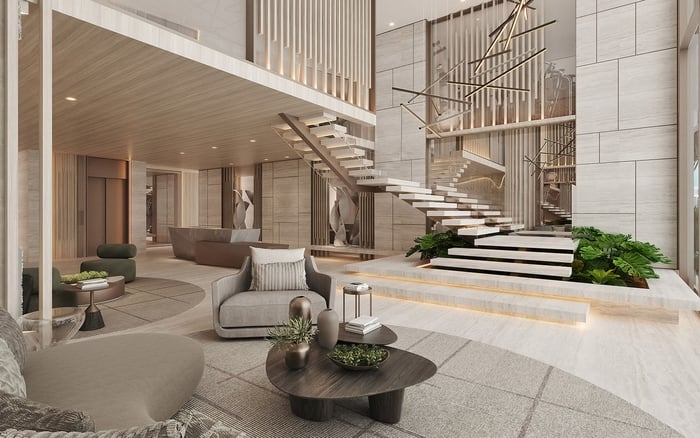
Alma Bay Harbor Islands positions its address as more than a luxury-condo location. Its Bay Harbor Islands setting supports a quieter primary-residence strategy, with village-like daily convenience, proximity to Bal Harbour, Surfside and North Beach, and practical connectivity to mainland Miami.
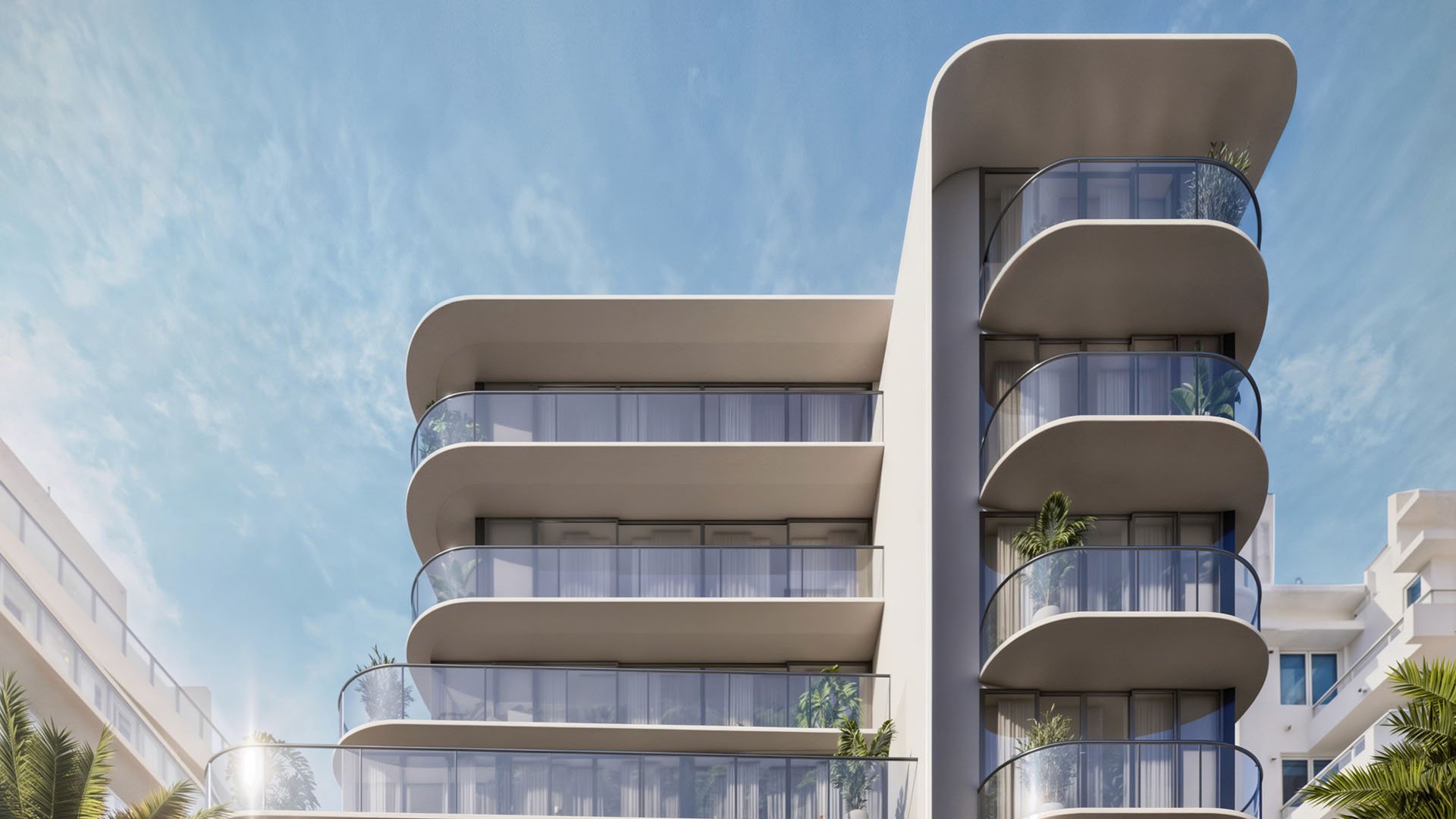
For high-net-worth buyers considering South Florida as a true home base, the question is no longer only whether a building is luxurious. It is whether the address can support the rhythm of a primary residence: school runs, weekday errands, quiet evenings, business access, healthcare appointments, worship, dining and beach time without making daily life feel like a logistical exercise.
That is where Alma Bay Harbor Islands enters the conversation. Its appeal is not simply that it sits in a coveted coastal enclave. The more strategic point is that Bay Harbor Islands gives the project a residential context: compact, calm and village-like, while keeping residents close to the wider Miami ecosystem.
For buyers relocating from higher-tax jurisdictions and evaluating Florida as a primary-residence base, Alma’s address helps answer a practical question: can one live in South Florida full time without choosing a high-density urban core or a purely resort-driven condo corridor? The project’s positioning suggests yes, particularly for buyers who want an island setting with everyday usefulness.
Bay Harbor Islands has a different residential posture from many coastal Miami markets. Its compact island geography gives it a neighborhood scale, one that tends to emphasize daily life over spectacle. That matters for a buyer who wants predictable occupancy, familiar streets and a sense of local routine rather than a building culture shaped mainly by short stays or seasonal turnover.
Alma’s setting supports that quieter profile. Walkability, neighborhood services, schools, parks and places of worship all belong to the primary-residence equation. None of those elements alone defines a luxury purchase. Together, they create the infrastructure for a life that can be lived consistently, not merely visited.
This is why the address should be read as both a lifestyle and residency asset. In a Bay Harbor search, the value proposition is not only views, finishes or amenities. It is the ability to leave the car parked more often, establish repeatable daily patterns and still remain within reach of South Florida’s larger centers of culture and capital.
Alma’s Bay Harbor Islands position benefits from proximity to Bal Harbour’s luxury retail and hospitality ecosystem. For the primary resident, that is less about occasional indulgence than about having polished services, dining and social settings nearby without living directly inside a denser retail corridor.
Surfside and North Beach extend the residential radius south of the islands. They add beach access, coastal dining and neighborhood amenities that broaden daily choice while preserving the calmer home base. A buyer comparing Alma with nearby boutique inventory such as Onda Bay Harbor and Alana Bay Harbor Islands is often weighing subtle distinctions within the same essential thesis: a quieter address with meaningful access.
The Bal Harbour connection also matters for perception. In ultra-prime real estate, adjacency to a recognized luxury ecosystem can strengthen an address without requiring the resident to live at the center of its intensity. Alma’s advantage is that it participates in that orbit while maintaining a more residential island frame.
A primary-residence strategy in South Florida must still account for mainland access. Legal, financial, healthcare and business obligations do not disappear when a buyer chooses an island address. The strength of Alma’s thesis is that it offers calm without implying isolation.
Residents can use Bay Harbor Islands as a quieter base while remaining connected to the broader Miami network. That distinction is especially relevant for executives, founders, family offices and professionals who want privacy and neighborhood character but still need to move among meetings, advisors, medical appointments and cultural engagements.
This is where Alma differs from a purely vacation-oriented purchase. A second-home buyer may prioritize a dramatic arrival sequence or resort atmosphere. A primary-residence buyer tends to scrutinize the ordinary week. How often will errands feel burdensome? Can the location accommodate children, guests, work and wellness? Does the surrounding area feel lived in throughout the year? Alma’s address is designed to speak to those questions.
Alma may be particularly relevant for two buyer profiles: those trading up from older coastal inventory and those right-sizing from single-family waterfront homes. Both groups are often sophisticated, and both tend to know exactly what friction they are trying to remove.
For the trade-up buyer, the attraction is the possibility of remaining in a residential coastal setting while moving into newer inventory. For the right-sizing homeowner, the appeal may be different: less property management, a more lock-and-leave lifestyle and a location that still feels like a neighborhood rather than an anonymous tower district.
That is why comparisons within Bay Harbor Islands can be so revealing. A buyer may study The Well Bay Harbor Islands for its wellness-oriented identity, or look toward Bay Harbor Towers while assessing how different projects express the same island geography. Alma’s position belongs to that broader conversation, but its central argument remains daily-use livability.
New-construction considerations also enter the discussion naturally. Buyers coming from older buildings often want a residence that feels aligned with contemporary living, yet they may not want the pace or density of a downtown address. Alma’s setting allows that trade-off to be considered in a more residential frame.
For primary residents, building culture is part of the purchase. A property shaped by consistent owners and longer-term occupants can feel fundamentally different from one organized around transient use. Alma’s Bay Harbor Islands setting is positioned to support more predictable long-term occupancy than investor-heavy or short-term-rental-oriented submarkets.
That does not mean every buyer has the same intention. It does mean the location’s underlying character supports long-term rentals and owner use differently than markets built around rapid turnover. For families, executives and relocating buyers, that can translate into a stronger sense of stability.
The most persuasive reading of Alma is therefore strategic rather than decorative. Its address gives residents a calm island setting, neighborhood services and access to Bal Harbour, Surfside, North Beach and mainland Miami. In the luxury market, that combination is increasingly rare: a home that feels removed enough to be private, yet connected enough to be practical.
Is Alma Bay Harbor Islands positioned for primary residents? Yes. Its Bay Harbor Islands setting is framed around daily living, neighborhood convenience and a quieter residential profile.
Why does the Bay Harbor Islands address matter? The compact island geography gives Alma a more village-like context than many larger coastal condo corridors.
Is Alma meant to feel like a resort condo? Its positioning is less resort-driven and more oriented toward full-time residential use and everyday routine.
How does Bal Harbour factor into the lifestyle? Alma benefits from proximity to Bal Harbour’s luxury retail and hospitality ecosystem while remaining in a calmer island setting.
Does Surfside add value to the location? Yes. Surfside adds nearby coastal dining, beach access and neighborhood amenities south of Bay Harbor Islands.
Is North Beach relevant for residents? North Beach expands the local lifestyle radius with additional beach and neighborhood conveniences near the islands.
Who may find Alma especially relevant? Buyers relocating to Florida, trading up from older coastal inventory or right-sizing from waterfront homes may find the address compelling.
Does Alma connect to mainland Miami? Yes. The primary-residence thesis depends on calm island living with access to Miami’s business, legal, healthcare and financial centers.
Why is occupancy profile important? A more residential setting can support predictable long-term use compared with more investor-heavy or short-term-oriented submarkets.
Should buyers view Alma mainly as a luxury-condo location? No. The stronger lens is to view Alma’s address as a lifestyle and residency asset for daily South Florida living.
When you're ready to tour or underwrite the options, connect with MILLION.
If branded residences are on your mind — as a home or as an allocation — we would be glad to share what we are seeing, privately.
Begin a quiet conversation