A discreet buyer’s guide to evaluating building security protocols before purchasing luxury real estate in Coconut Grove, from access control and staffing to privacy, deliveries, and emergency readiness.

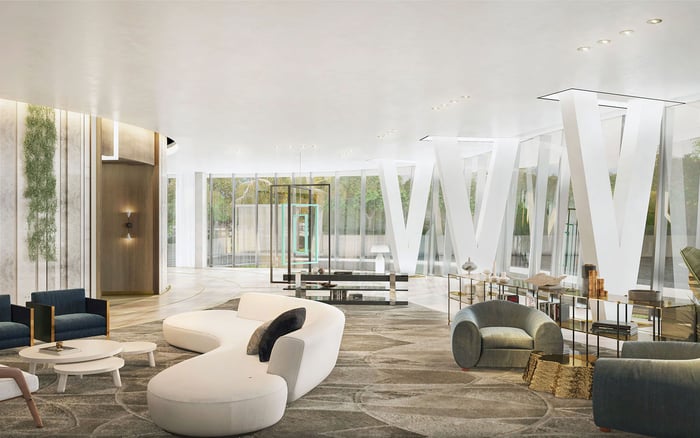
In Coconut Grove, the most desirable residential experience is often defined by what remains unseen: a quiet arrival, a controlled lobby, a discreet service corridor, a staff member who recognizes residents without becoming intrusive. At the upper end of the market, security should not feel theatrical. It should feel composed.
For buyers considering a condominium, boutique residence, townhome, or private estate setting, the question is not simply whether a building has security. The sharper question is how security functions day to day, who governs it, how exceptions are handled, and whether the protocol protects both privacy and ease of living. A polished amenity deck cannot compensate for a weak access sequence. A beautiful residence loses value in practice if guests, deliveries, contractors, and vehicles are not managed with care.
This buyer’s guide approach is especially relevant in Coconut Grove because buyers often compare very different ownership formats in the same search. A buyer may tour Arbor Coconut Grove, evaluate a branded residential environment such as Four Seasons Residences Coconut Grove, and still consider a more private low-density alternative. The security conversation should travel with the buyer from one property type to the next.
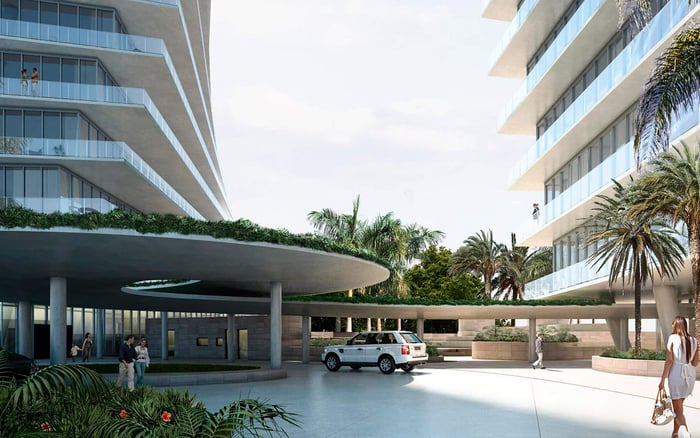
Begin with the arrival sequence. Ask where the first meaningful security decision occurs: at the street, garage, lobby, elevator, reception desk, or residence door. The answer reveals whether the building relies on one visible checkpoint or several coordinated layers.
A refined building should be able to explain how residents enter, how guests are announced, how service providers are directed, and how unknown visitors are denied access without creating a scene. Ask whether there is a written protocol for ride-share arrivals, private drivers, household staff, caterers, dog walkers, nurses, trainers, and maintenance personnel. The most elegant buildings understand that luxury households are active households. Security must accommodate movement without becoming porous.
Buyers should also ask whether access permissions can be customized. Can an owner authorize a guest for a specific date and time? Can a vendor be limited to a service elevator or back-of-house route? Can a former employee or outdated guest profile be removed immediately? These details matter more than a generic assurance that the building is secure.
Staff presence is only as strong as the training behind it. Ask who is on duty, what roles they perform, and how instructions are documented. A concierge, valet, front desk associate, roving guard, and property manager may each shape a different part of the security experience. The buyer should understand how those roles coordinate.
The most important question is what happens when routine breaks. If a guest arrives unannounced, does staff call the owner, refuse entry, or hold the visitor in a designated area? If a delivery arrives after hours, where does it go? If a contractor insists they have permission but cannot produce confirmation, who makes the decision? A building that has considered these scenarios will answer calmly and specifically.
Ask whether incident logs are maintained and how residents are notified about recurring issues. You do not need gossip or names. You need confidence that patterns are recorded, reviewed, and corrected. Security without accountability is merely hospitality with a uniform.
In luxury real estate, the garage is often the most overlooked security zone. Ask how vehicles are identified, whether guest parking is controlled, how valet access is supervised, and whether service vehicles are separated from resident vehicles. If the building has direct elevator access or private elevator foyers, clarify how elevator permissions are managed.
Amenity spaces deserve the same attention. Pools, spas, fitness rooms, lounges, package rooms, storage areas, bike rooms, and pet areas all create movement. A strong protocol defines who may enter, whether guests must be accompanied, and how after-hours use is monitored. For buyers comparing new-construction residences with established properties, this is a useful distinction: newer systems may be more integrated, while established buildings may have staff knowledge built from years of routine. Neither is automatically superior. The question is whether the system and the culture work together.
When touring Mr. C Tigertail Coconut Grove or Opus Coconut Grove, listen for how the team describes daily circulation. The best answer is not a flourish. It is a clear map of resident, guest, vendor, and staff movement.
Cameras are useful, but camera policy is where real diligence begins. Ask which common areas are monitored, who can access footage, how long recordings are retained, and under what circumstances footage is reviewed. A buyer should also ask whether cameras cover entrances, garages, loading areas, mail rooms, elevators, corridors, and amenity spaces.
Privacy is the companion question. Luxury owners do not want a building that feels watched at every turn. They want a property that monitors risk while respecting the dignity of residents and guests. Ask whether cameras are visible or discreet, whether any areas are intentionally not monitored, and how resident requests for footage are handled. If the answer is vague, press gently. This is not a technical curiosity. It is a governance issue.
The same applies to digital systems. Ask how access data is stored, who administers credentials, how quickly lost devices or fobs can be disabled, and whether resident information is shared with third-party vendors. A secure building should protect the resident’s identity as carefully as it protects the resident’s door.
Package volume has changed residential security. Ask whether the building has a dedicated package room, refrigerated storage, signature requirements, or notification procedures. More importantly, ask who releases packages and how misdeliveries are handled.
Household staff requires even more precision. Many Coconut Grove buyers employ recurring service providers. Ask whether each provider receives individual credentials, whether access can be scheduled, and whether staff may enter only when the owner is present. For waterfront residences or buildings with marina, pool, or exterior access points, ask how those additional routes are controlled. A beautiful secondary entrance is also a security variable.
In a gated-community setting, buyers should not assume that a gate replaces building-level or residence-level protocol. Ask how gate access, property access, and individual residence access interact. Strong security is layered, not symbolic.
Security is not only about preventing unwanted access. It is also about how a building responds when something goes wrong. Ask about fire procedures, medical emergencies, severe weather protocols, power interruptions, elevator outages, and communication methods. The strongest buildings can explain who contacts residents, where residents assemble if necessary, and how vulnerable residents are assisted.
Ask whether management conducts drills or staff refreshers. Ask how emergency contacts are maintained. Ask how the building communicates urgent updates: phone, email, text, resident portal, front desk call, or in-person notice. Luxury buyers should look for redundancy. A single communication channel is rarely enough.
For buyers considering wellness-oriented or design-forward residences such as The Well Coconut Grove, emergency planning should be considered part of the overall living experience. Serenity is most credible when the operating plan behind it is disciplined.
Before contract, ask to review the relevant building rules, association documents, and security-related policies available to buyers. Focus on guest procedures, move-in and move-out rules, contractor hours, renovation access, pet access, delivery management, amenity guest limits, and penalties for violations.
The tone of the documents matters. Overly vague rules can lead to inconsistent enforcement. Overly rigid rules can make daily life feel constrained. The best buildings define expectations clearly while leaving room for professional judgment.
Buyers should also ask how policy changes are approved. Security protocols evolve as resident needs change. Understanding who has authority to change access rules, staffing levels, vendor policies, or technology systems helps a buyer evaluate long-term governance.
In Coconut Grove, luxury is not just measured by architecture, landscape, or proximity to the water. It is measured by the quality of arrival, the confidence of leaving town, the ease of receiving guests, and the discretion with which a household operates. Security should support that rhythm.
The buyer’s goal is not to interrogate every staff member or turn a showing into an audit. The goal is to ask a small number of precise questions and listen for operational fluency. If the answer sounds improvised, continue asking. If the answer is clear, consistent, and discreet, the building is signaling a mature residential culture.
What is the first security question a Coconut Grove buyer should ask? Ask where access is first controlled and how residents, guests, vendors, and vehicles are separated or verified.
Should I prioritize staffed security or technology? Prioritize how both work together. Technology is useful, but trained staff and clear procedures usually determine the daily experience.
Are private elevators automatically more secure? Not automatically. Ask how elevator permissions are assigned, changed, monitored, and disabled when needed.
What should I ask about guest access? Ask whether guests must be pre-authorized, where they wait, how they are announced, and whether access can be time-limited.
How should buildings handle contractors and household staff? Each recurring provider should have a defined approval path, limited access permissions, and clear service routes.
Should I ask about camera footage retention? Yes. Ask where cameras are located, who can review footage, how long it is kept, and how privacy is protected.
What security details matter for packages? Ask who receives packages, where they are stored, how residents are notified, and how high-value deliveries are released.
Do gated communities eliminate the need for building protocols? No. Gates are only one layer, and buyers should still review lobby, garage, vendor, and residence-level access controls.
Can security protocols affect resale appeal? Yes. Buyers often value buildings that combine discretion, convenience, and consistent enforcement.
When should I review security rules during the purchase process? Review them before contract when possible, and ask your advisor to flag any rules that affect guests, staff, renovations, or deliveries.
If you'd like a private walkthrough and a curated shortlist, connect with MILLION.
If branded residences are on your mind — as a home or as an allocation — we would be glad to share what we are seeing, privately.
Begin a quiet conversation