A buyer-oriented look at Mr. C Tigertail Coconut Grove as a case study in branded, service-shaped, club-adjacent residential living in Coconut Grove.
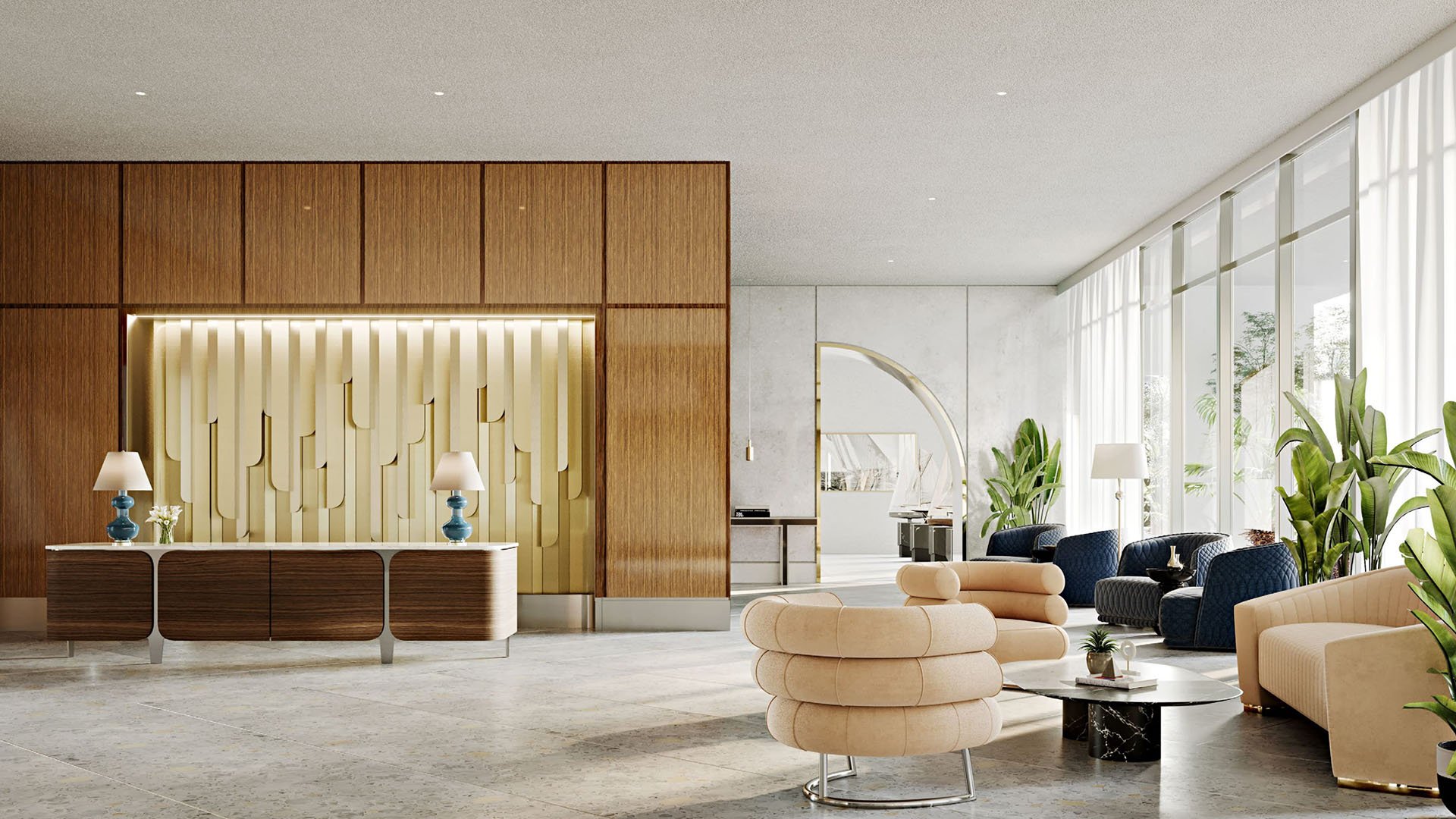
In Coconut Grove, luxury has rarely been defined by square footage alone. The neighborhood’s enduring appeal is atmospheric: the bay, the tree canopy, the village cadence, and the sense that residential life can feel private without feeling remote. What is changing is the language buyers use to evaluate that atmosphere. Increasingly, the conversation is not only about views, finishes, or proximity to the water. It is about whether a residence can deliver a more curated daily rhythm.
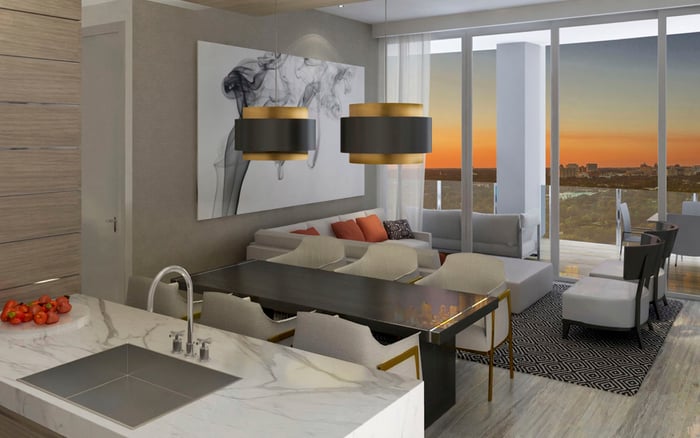
That is where Mr. C Tigertail Coconut Grove enters the discussion. The project is connected to the Mr. C hospitality and residences brand, and its relevance is best understood through the lens of branded, service-oriented living. Rather than viewing Mr. C Tigertail Coconut Grove as a conventional condominium, many buyers will see it as part of a wider shift toward residences that borrow from hotel expectations without necessarily becoming hotels.
Club-adjacent living, in this context, does not need to mean literal private-club membership. It is a more nuanced idea: residential life shaped by atmosphere, access, service, lifestyle programming, and the confidence that a building’s identity extends beyond the private residence itself. For Coconut Grove, a neighborhood already defined by social texture and bayfront village character, that distinction matters.
The Mr. C brand gives the project a recognizable hospitality frame. For a certain buyer, that carries weight. Branded residences can create a shorthand for expectations around design consistency, service posture, and everyday ease. The value is not only what is inside the residence, but how the experience is choreographed from arrival through daily use.
In South Florida’s ultra-premium market, this has become a meaningful point of comparison. Buyers are asking whether a building has the operational intelligence to support their lifestyle. They want to know whether the residence feels calm, polished, and intuitive. They are evaluating not only the home, but the infrastructure around it.
That makes Mr. C Tigertail Coconut Grove a useful case study. Its significance lies in how the hospitality association may translate into residential expectations: attentiveness, brand coherence, and a sense of curated living. None of that requires overstating specifics. The broader point is that the project belongs to a category where service and identity carry weight alongside location.
Coconut Grove is not Brickell, and that is precisely its advantage. The Grove’s luxury appeal has always been less corporate and more residential, less vertical spectacle and more neighborhood mood. Its bayfront village character creates a different kind of prestige, built on discretion and a lived-in sense of place.
The arrival of hospitality-influenced residential projects adds another layer to that identity. In the same local conversation, buyers may compare names such as Four Seasons Residences Coconut Grove, The Well Coconut Grove, and Park Grove Coconut Grove, not because they are interchangeable, but because they help define how the neighborhood’s upper end is being read. The question is no longer only, “Which building has the best residence?” It is also, “Which building supports the life I want in the Grove?”
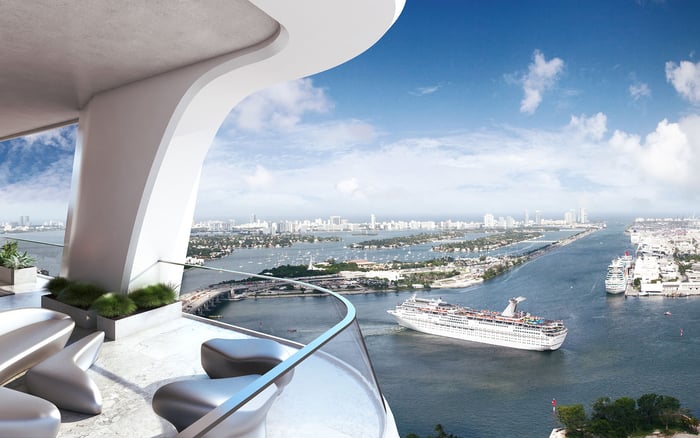
That framing is essential. Coconut Grove buyers tend to be sensitive to setting. They may value privacy, walkability, bay proximity, restaurant culture, and a sense of local continuity. A branded residence must fit that texture rather than overwhelm it. The most compelling version of club-adjacent living in the Grove is not loud exclusivity. It is quiet access.
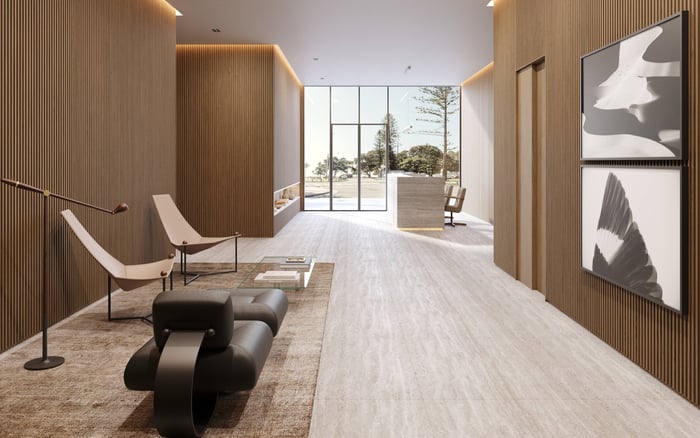
The word “amenity” is often too narrow for this category. A pool, lounge, or fitness space can be listed, photographed, and compared. Lifestyle infrastructure is harder to reduce. It includes service culture, the arrival sequence, the building’s social energy, and the extent to which residents feel their daily needs have been anticipated.
This is the ground on which Mr. C Tigertail Coconut Grove becomes interesting for brokers and buyers. Its appeal is not limited to unit features or location. It is connected to the lifestyle system implied by the brand and the residential setting. In a market where luxury buyers often own multiple homes, that system can become the deciding factor.
For some, the priority will be lock-and-leave ease. For others, it will be a sense of belonging without the formality of a traditional club. Others may simply want a residence that feels designed around daily rituals rather than resale bullet points. Nearby or comparable Grove conversations may also include Arbor Coconut Grove and Ziggurat Coconut Grove, underscoring how varied the neighborhood’s residential language has become.
A buyer considering Mr. C Tigertail Coconut Grove should think beyond the binary of branded versus non-branded. The sharper question is whether the brand experience aligns with the way the buyer actually lives. Does the building’s tone feel natural in Coconut Grove? Does the service promise feel useful rather than ornamental? Does the social environment feel refined without becoming performative?
The best club-adjacent residences create a sense of ease. They reduce friction. They make entertaining feel more fluid, arrivals more graceful, and daily transitions more composed. In Coconut Grove, they must also respect the neighborhood’s subtler rhythms. The Grove does not need to mimic a resort corridor. Its strength is that it can absorb hospitality influence while retaining a residential soul.
That balance is why Mr. C Tigertail Coconut Grove fits the current conversation. It is not merely another entry in the local inventory. It reflects a broader buyer shift toward residences with a lifestyle point of view. In the Grove, where place and mood matter deeply, that point of view may be as important as the residence itself.
What is Mr. C Tigertail Coconut Grove? It is a Coconut Grove residential project connected to the Mr. C hospitality and residences brand.
Why is it discussed as club-adjacent living? The term refers to residential life shaped by service, atmosphere, access, and private-club-style sensibility, not only formal club membership.
Is club-adjacent the same as living inside a private club? No. In this context, it is a lens for evaluating lifestyle, service, and social rhythm around the residence.
Why does the Mr. C brand matter to buyers? The brand may help translate hotel-style expectations into a residential setting, especially around service and design coherence.
How does this fit Coconut Grove? Coconut Grove’s bayfront village character is increasingly intersecting with luxury hospitality, private-club culture, and design-led residential development.
Should buyers evaluate it like a conventional condominium? Not entirely. The more relevant evaluation includes lifestyle infrastructure, brand experience, and daily ease.
What does lifestyle mean in this article? Lifestyle refers to how a residence supports everyday rituals, social flow, privacy, and service expectations.
Is Mr. C Tigertail Coconut Grove part of the branded residences trend? Yes. It fits the broader South Florida conversation around branded residential offerings and serviced living.
Why is Coconut Grove attractive for this type of product? The neighborhood combines privacy, village character, bayfront context, and a refined residential atmosphere.
What should brokers emphasize when discussing the project? Brokers should focus on service, atmosphere, brand identity, and neighborhood context, not only unit-level details.
For a confidential assessment and a building-by-building shortlist, connect with MILLION.
If branded residences are on your mind — as a home or as an allocation — we would be glad to share what we are seeing, privately.
Begin a quiet conversation