A discreet buyer’s guide to the brand licensing questions that matter before purchasing luxury real estate in Coconut Grove, from renewal rights and brand fees to owner obligations, rental rules, amenity access and rebranding risk.
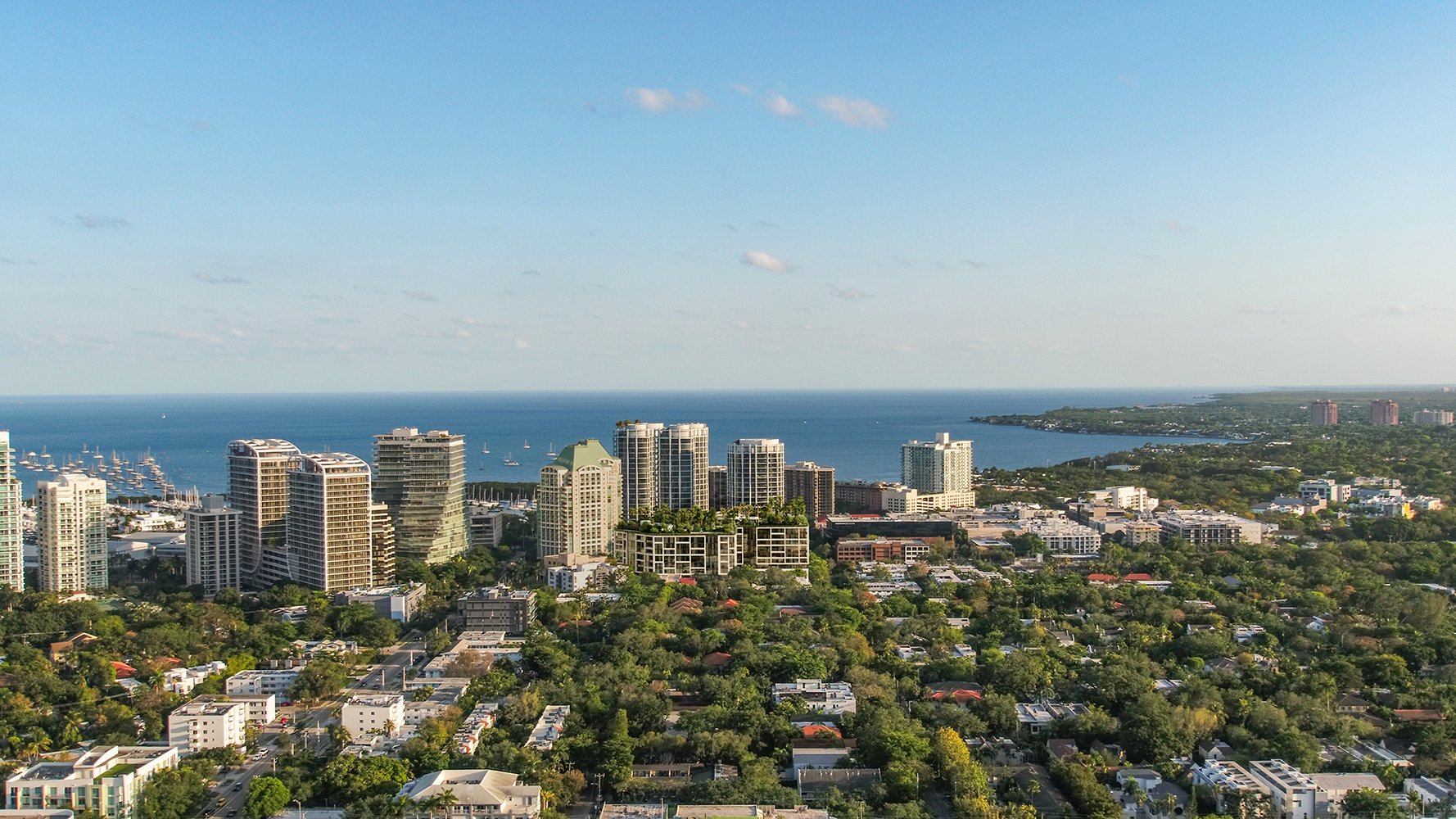
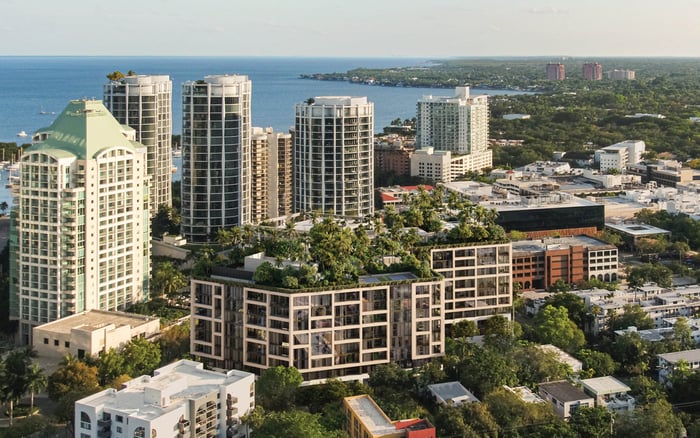
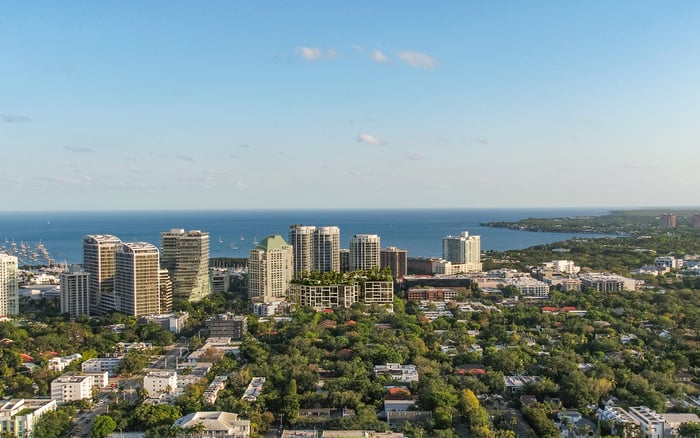
Coconut Grove has always traded on something more nuanced than spectacle. Its luxury appeal is rooted in canopy, water, privacy, architecture and a cultivated sense of neighborhood life. As branded residences become a larger part of the South Florida conversation, the question for buyers is not simply whether a name is recognizable. It is whether the legal relationship behind that name supports the lifestyle, service expectations and resale narrative you believe you are buying.
A brand license is not the same as ownership of a brand by the building. In many luxury residential projects, a developer or association may have the right to use a hospitality, wellness, fashion or design name under a written agreement. That agreement can shape signage, service standards, staff training, amenity programming, marketing language, owner conduct, rental rules and the circumstances under which the name could change or disappear.
For a buyer comparing Coconut Grove options such as Four Seasons Residences Coconut Grove, Mr. C Tigertail Coconut Grove or other luxury offerings, the prudent move is to look beyond the brochure. Ask for the documents, read the definitions and have counsel explain how the brand relationship affects your rights as an owner.
The first question is direct: how long does the brand license last? The answer should not be inferred from the expected life of the building, the sales campaign or the prestige of the name. Ask whether the license has a fixed term, whether renewal is automatic or discretionary, and who controls the renewal decision.
A strong follow-up is whether renewal depends on performance standards, fee payments, building condition, brand approval or owner association compliance. If the brand can choose not to renew for reasons outside an individual owner’s control, the buyer should understand that risk before assigning a premium to the branded identity.
Also ask whether the license term extends beyond the developer’s control period. A license that appears stable during sales may become a different governance issue once the association assumes greater responsibility. Coconut Grove buyers should press for plain-language explanations of what happens at turnover, who pays to maintain brand standards and whether owners have any vote or notice rights tied to renewal.
Termination language is where many practical risks sit. Ask what events allow the brand to terminate the license. Common topics to examine include nonpayment of brand fees, failure to meet operating standards, misuse of the brand name, disputes with the licensee, insolvency, insurance issues, unauthorized alterations or conduct that could damage the brand.
The key is not only what triggers termination, but how much time exists to cure a default and who has the right to cure it. If an association, operator or developer is responsible for performance, an individual owner may have limited control over the issue while still living with the consequences.
Buyers should also ask what happens after termination. Must signage be removed? Can marketing materials still refer to the prior brand? Are uniforms, menus, spa concepts, residential services or amenity names affected? Is there a transitional period? These details matter because the brand is often intertwined with the building’s perceived value.
Brand licensing can introduce costs that are distinct from ordinary condominium expenses. Ask whether there is an upfront license fee, an ongoing fee, a management fee, a marketing contribution, a residential service fee, an amenity programming charge or another category of brand-related cost.
The buyer should know who pays each amount: developer, association, unit owner, rental guest or service user. Just as important, ask whether fees are fixed, indexed, subject to escalation or tied to revenue from rentals, food and beverage, spa use, club programming or other services.
New-construction buyers often focus on finishes, views and delivery schedule, but brand economics can become a recurring part of ownership. If a building must maintain a certain service level to preserve the license, operating costs may reflect that obligation. A discreet, high-service property can justify its expense, but the expense should be understood before contract execution.
A brand license may require the building to maintain standards that reach into common areas, staff conduct, amenity operations and even the way residences are presented for lease or resale. Ask whether owners must comply with brand guidelines, residential rules, furnishing standards, signage restrictions, renovation approvals or limits on public use of photography.
This is especially important in a design-driven market. A buyer considering The Well Coconut Grove may be drawn to a wellness-forward residential identity, while another buyer may prefer the architectural and neighborhood character associated with Ziggurat Coconut Grove. In both cases, the question is how much of the lifestyle is contractual, how much is operational and how much is simply brand positioning.
Ask who enforces the rules, what remedies apply for violations, and whether disputes are handled by the association, a manager, the developer, the brand or an arbitration process. The best branded environments are coherent, but coherence is usually built on enforceable standards.
Many buyers associate branded real estate with elevated services: concierge, wellness programming, dining privileges, housekeeping, spa access, preferred reservations or hotel-style benefits. Before relying on any of these expectations, ask which benefits are included with ownership, which are subject to availability, and which require separate payment.
If a project references hotel or club-style amenities, ask whether owners have guaranteed access, priority access or access only when space allows. Ask whether privileges extend to family members, guests, tenants or short-term occupants. Ask whether the brand can modify, suspend or discontinue programs.
The distinction between residential amenities and optional services is essential. A lobby experience, a branded scent, a uniformed team and a reservation desk may create emotional confidence, but the purchase decision should rest on documented rights.
Investment buyers should be especially careful with brand licensing provisions. Ask whether the brand imposes rental minimums, rental program requirements, guest screening rules, restrictions on short stays, approved listing language or limits on where and how the residence may be marketed.
Some buyers may welcome controlled rentals because they protect privacy and brand quality. Others may want flexibility. Either position can be rational, but neither should be assumed.
For resale, ask whether future listing materials can use the brand name, whether there are approved descriptions, whether the brand must consent to photography and whether any transfer fees apply. In Coconut Grove, where lifestyle narrative is a meaningful part of value, the right to describe that narrative accurately can matter when the time comes to sell.
Rebranding risk is not merely cosmetic. If a branded building loses its name, the impact may touch signage, staff training, service partnerships, amenity programming, buyer perception and future marketing. Ask whether the documents describe what happens if the license ends and whether the association can enter a new license with another brand.
Also ask who pays for rebranding costs. Removing signs, revising uniforms, changing digital materials and modifying amenity concepts can be expensive and disruptive. If a replacement brand is permitted, ask whether owners have approval rights and whether a new license could impose different fees or standards.
A sophisticated buyer should not treat rebranding as a remote abstraction. It is part of the risk profile, particularly when paying a premium for an identity that is separate from the underlying real estate.
Before signing, request the licensing agreement or a legally sufficient summary, the condominium documents, the budget, the service agreements and the rules governing rentals, alterations and amenities. Ask counsel to map every brand-related obligation to the party responsible for paying or performing it.
Then compare the legal answers with your personal use case. A primary resident may care most about service consistency, privacy and governance. A second-home buyer may focus on access while away, guest privileges and lock-and-leave support. An investment buyer may care more about rental permissions, transferability and resale language.
Coconut Grove rewards discernment. The most compelling branded residences are not only beautiful; they are transparent about what the brand can promise, what it can change and what owners must support over time.
Is a branded residence automatically managed by the brand? Not necessarily. The documents should identify whether the brand manages, licenses, advises or simply approves certain standards.
What is the first licensing question a buyer should ask? Ask how long the brand license lasts and whether renewal is automatic, discretionary or subject to conditions.
Can a building lose its branded name? Yes, if the governing documents and license allow termination or nonrenewal. Buyers should review the triggers and cure rights.
Are brand fees the same as condominium assessments? They may be separate or embedded within operating costs. Ask who pays each fee and whether amounts can increase.
Do owners always receive hotel-style privileges? No. Access may be included, optional, limited by availability or subject to separate charges.
Can brand rules affect renovations inside a residence? They can if the documents impose design, alteration, furnishing or approval standards tied to the brand.
Why do rental rules matter in branded luxury real estate? Rental limits can protect privacy and service quality, but they may reduce flexibility for buyers who plan to lease.
Should resale marketing rights be reviewed before purchase? Yes. Ask whether future listings can use the brand name and whether photography or descriptions require approval.
Is boutique branding different from global hospitality branding? It can be. The key is not the label, but the enforceable license terms, standards, fees and termination rights.
Should terrace, pool and amenity promises be in writing? Yes. Any amenity that influences value should be confirmed in the governing documents or purchase materials.
For a tailored shortlist and next-step guidance, connect with MILLION.
If branded residences are on your mind — as a home or as an allocation — we would be glad to share what we are seeing, privately.
Begin a quiet conversation