A discreet buyer’s guide for Toronto residents evaluating Coconut Grove real estate, Florida residency planning, and the practical limits of state-income-tax savings.
For a Toronto buyer, the phrase “state-income-tax savings” can make South Florida sound deceptively simple: buy a residence, spend more time in Florida, and the numbers improve. In practice, the opportunity is more nuanced. Florida’s lack of state personal income tax may be central to the appeal, but the strength of any savings depends on residency, documentation, timing, family structure, income sources, and the buyer’s broader cross-border profile.
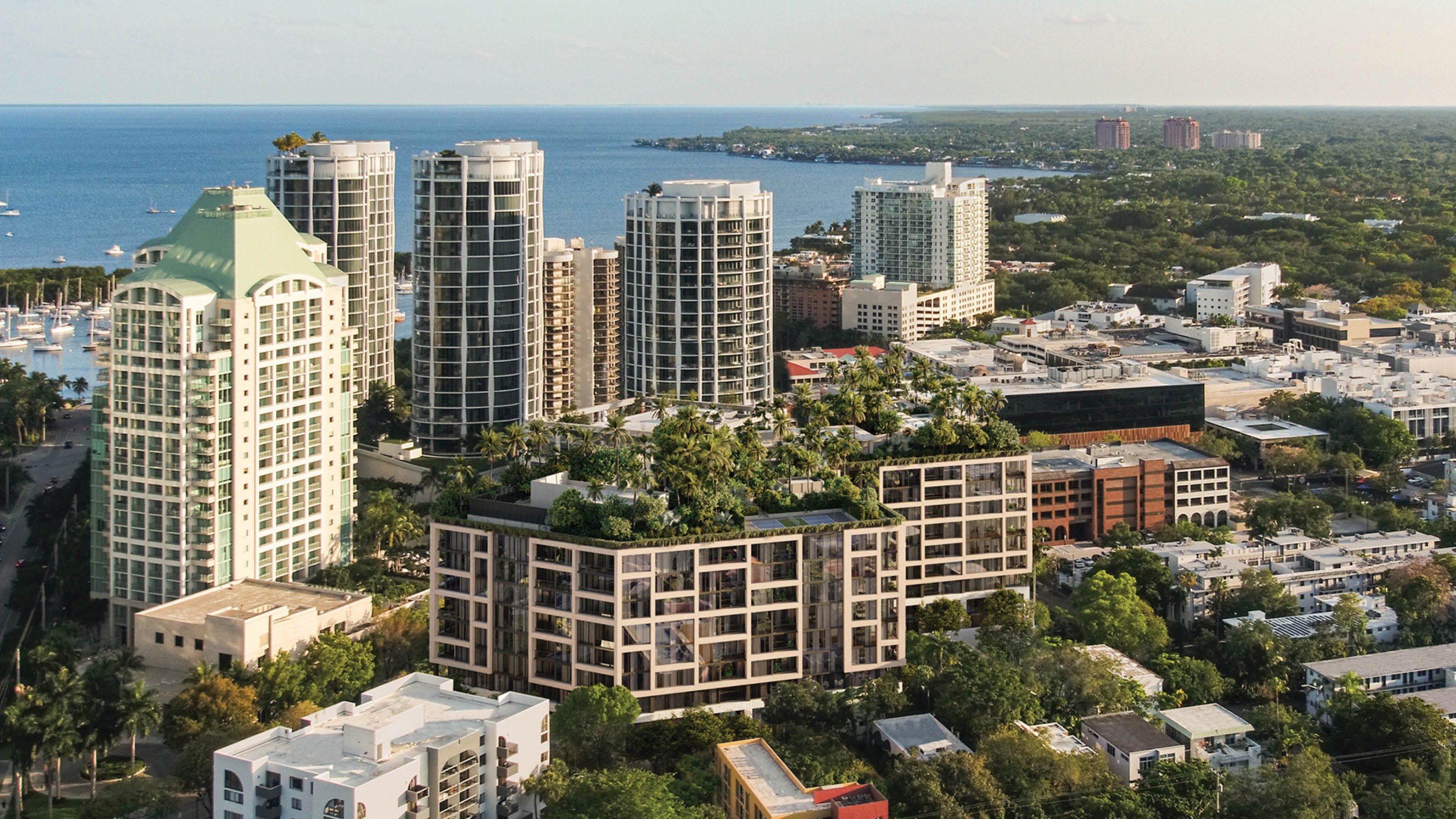
Coconut Grove is not merely a tax address. It is one of Miami’s most established residential enclaves, valued for its canopy, bayfront rhythm, private streets, sailing culture, and village-like center. For buyers accustomed to Toronto’s mature neighborhoods, the Grove offers an unusually graceful transition: cosmopolitan access without the glass-tower anonymity of a purely urban district.
That distinction matters. A residence chosen only for tax optics can feel transactional. A residence chosen because it supports a real life in Florida is more coherent, and often easier to defend as part of a broader relocation strategy. In practical search terms, Coconut-grove, Investment, Second-home, and New-construction are not just labels; they represent different decisions about how a buyer intends to live, hold, and use the property.
The purchase of a Florida residence is only one component of a tax-residency conversation. Buyers should treat the property as a physical anchor, not a standalone solution. The relevant question is not simply where you own real estate, but where your life is centered.
That analysis can include days spent in each jurisdiction, where important documents are maintained, where professional relationships sit, where children attend school, where banking and insurance are organized, and how often the Florida home is genuinely used. For high-net-worth buyers, the details are rarely incidental. They are often reviewed alongside business interests, investment income, estate planning, trusts, corporate structures, and family governance.
The most sophisticated Toronto buyers begin before they shop. They consult tax counsel, immigration advisors where needed, estate counsel, and private bankers, then define the real estate brief around the plan. That may mean a full-time residence with staff capacity, a lock-and-leave condominium with hotel-level services, or a flexible home that can accommodate extended seasonal stays.
Coconut Grove’s appeal is that it feels residential before it feels performative. It offers access to Miami’s business, cultural, and private-school ecosystems while preserving a softer daily texture. The neighborhood is close to the bay, layered with older streets and new residential architecture, and suited to buyers who want South Florida without surrendering privacy.
For a Toronto buyer comparing Miami neighborhoods, this often becomes the deciding factor. Brickell may feel more financial and vertical. Miami Beach may feel more resort-driven. Coral Gables may feel more formal and estate-oriented. Coconut Grove sits between those worlds: polished, lush, central, and less obvious.
The new generation of Grove residences reflects that position. Four Seasons Residences Coconut Grove speaks to buyers who want a highly serviced environment with a familiar hospitality language. Mr. C Tigertail Coconut Grove offers another interpretation of branded, design-conscious living in a village setting. These are not substitutes for tax planning, but they can support the habits and documentation of a meaningful Florida presence.
A buyer focused on state-income-tax savings should resist choosing a property purely by price band or projected appreciation. The sharper question is operational: will this home make it natural to spend the intended amount of time in Florida?
If the answer is yes, the residence should accommodate normal life, not only vacation life. That may include a private home office, guest space for family, wellness amenities, secure parking, pet comfort, proximity to dining, and easy access to airport routes. If the buyer expects visiting relatives, advisors, or adult children, the floor plan matters as much as the view.
This is where condominium lifestyle can be especially compelling. A building with strong services reduces friction for an owner balancing Toronto obligations with Florida time. At The Well Coconut Grove, the wellness-oriented positioning may resonate with buyers who want their Florida residence to support daily routines rather than occasional escapes. At Arbor Coconut Grove, the attraction may be a more intimate Grove sensibility.
The right property should feel like a base, not a storage unit for winter clothes.
Before signing a contract, Toronto buyers should coordinate several workstreams. First, clarify whether the Florida purchase is meant to support a true relocation, a partial-year lifestyle, or a long-term optionality strategy. Each path creates different expectations.
Second, build a timeline. Tax residency changes are rarely best handled retroactively. The timing of home purchases, home sales, leases, business decisions, vehicle registrations, insurance, and family moves should be reviewed as part of one calendar.
Third, address currency and financing. A buyer acquiring in U.S. dollars may need to plan deposits, exchange strategy, liquidity, and closing funds carefully. Fourth, review estate planning. Owning U.S. real estate can affect how assets are titled and transferred, particularly for families with multiple jurisdictions in play.
Finally, treat the property search as confidential strategy. The best advisors will not overstate tax savings or reduce the decision to a slogan. They will help identify a residence that aligns with how the buyer intends to live and what the buyer needs to document.
Do not assume that a Florida address alone changes a tax outcome. Do not assume that seasonal use creates the same planning profile as full relocation. Do not assume that a luxury condominium is automatically better than a single-family home, or vice versa. The proper choice depends on household composition, privacy requirements, travel frequency, staffing preferences, and tolerance for maintenance.
Do not assume that the most expensive unit is the most effective one. A well-chosen residence can be valuable because it is used consistently, comfortably, and credibly. If a buyer dislikes the building, the neighborhood, or the daily logistics, the ownership may undermine the very plan it was meant to support.
A discreet New-construction search can offer advantages for buyers who want modern systems, fresh amenities, and a clean ownership start. Still, resale residences may offer immediate occupancy and established building culture. The point is not to chase a category. The point is to match the asset to the plan.
For Toronto buyers, Coconut Grove is best understood as a lifestyle jurisdiction as much as a real estate market. The tax conversation may initiate the move, but quality of life is what sustains it. The buyer who succeeds is usually the one who builds the plan in the right order: advisory framework first, lifestyle requirements second, property selection third.
That sequence preserves discretion. It also prevents the common mistake of treating South Florida as a financial maneuver rather than a place to belong. Coconut Grove rewards the buyer who wants morning walks under trees, bay air, a refined neighborhood cadence, and access to Miami without needing to live inside its most conspicuous zones.
State-income-tax savings can be meaningful, but they should never be the only reason to buy. The better question is whether the residence can become part of a coherent, well-documented life in Florida. In Coconut Grove, for the right buyer, the answer can be yes.
Does buying in Coconut Grove automatically change my tax residency? No. A home purchase can support a residency plan, but it does not replace tax, legal, and documentation work.
Why do Toronto buyers consider Florida for state-income-tax planning? Florida’s state personal income tax profile is a major attraction, but any savings depend on the buyer’s full circumstances.
Is Coconut Grove better for full-time living or seasonal use? It can work for both, but the property should be selected around the buyer’s intended pattern of use.
Should I speak with advisors before touring properties? Yes. Tax, legal, estate, and banking guidance can shape the type of residence that best supports the plan.
Are branded residences useful for relocation planning? They can be, especially when services, security, and ease of use encourage more consistent time in Florida.
Can a second home create tax savings by itself? No. A Second-home may be part of a larger strategy, but ownership alone is not determinative.
Is new construction preferable for cross-border buyers? New-construction can reduce maintenance friction, but timing, occupancy needs, and building culture also matter.
Should currency planning be part of the purchase strategy? Yes. Buyers moving funds into U.S. dollars should coordinate liquidity, deposits, and closing timelines early.
Can I rent out the residence when I am not using it? Possibly, but rental rules, building policies, and tax implications should be reviewed before purchase.
What is the most important first step? Define the intended Florida lifestyle and have advisors confirm how the real estate decision should support it.
For a confidential assessment and a building-by-building shortlist, connect with MILLION.
If branded residences are on your mind — as a home or as an allocation — we would be glad to share what we are seeing, privately.
Begin a quiet conversation