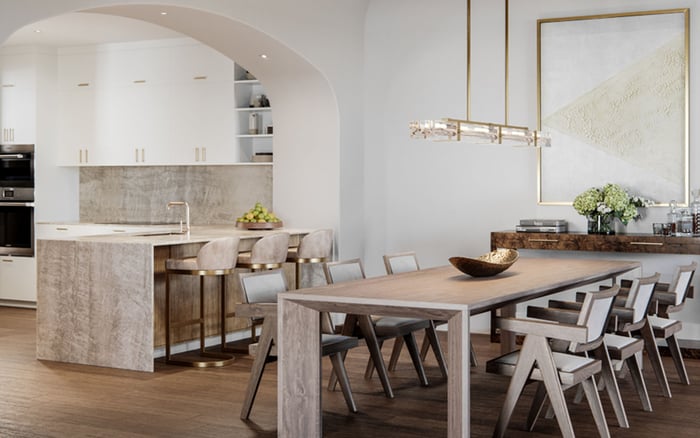
A practical, wellness-first guide to evaluating Coral Gables luxury residences before purchase, from daily routines and privacy to air, light, acoustics, amenities, mobility, and long-term livability.
For a wellness-focused buyer, Coral Gables is not simply a prestigious address. It is a daily operating environment. The right residence should support sleep, recovery, privacy, movement, nutrition, family logistics, and the quiet rituals that make a home feel restorative rather than merely impressive.
That evaluation should begin before finishes, ceiling heights, or brand names. The essential question is not whether a property looks serene during a polished showing. It is whether the address, building, and floor plan will still feel supportive on a humid weekday morning, during school-hour traffic, after an evening dinner, or when guests, pets, trainers, chefs, and staff are moving through the home at once.
A Coral Gables purchase deserves a disciplined lens. Buyers considering Ponce Park Coral Gables, Cora Merrick Park, or The Village at Coral Gables should evaluate not only the residence itself, but also the daily transitions around it: arrival, departure, walking routes, privacy edges, noise patterns, and the degree to which the neighborhood allows a wellness routine to remain consistent.
Before touring, write down the day you are actually trying to protect. For one owner, that may mean a 6 a.m. walk, a quiet breakfast, school drop-off, remote work, Pilates, and dinner at home. For another, it may mean golf, private training, recovery sessions, entertaining, and late returns from Miami or the beach.
The strongest properties make these patterns feel effortless. A residence that requires constant workarounds can still be beautiful, but it may not live well. Ask whether the primary suite is insulated from household movement. Consider whether the kitchen supports the way you eat, not only the way you entertain. Study whether there is a calm place for stretching, meditation, massage, or strength work that does not feel like an afterthought.
Do not delegate this exercise entirely to the showing. Visit the immediate area at the hours your routine matters most. A street that feels quiet midafternoon may have a different cadence in the morning. A charming approach may feel less graceful when multiple household members leave at once. Wellness is often lost in transitions, not in the rooms photographed for marketing.
Luxury buyers often focus on view, but wellness buyers should go deeper. Natural light can energize a home, while unmanaged glare can make a study, bedroom, or terrace uncomfortable. Shade, orientation, window placement, and room depth all matter. The question is not simply whether the home is bright. It is whether it is bright in the right places at the right times.
Sound deserves equal attention. Listen in silence during a showing. Stand in the primary bedroom, bathroom, kitchen, terrace, and any room intended for work or recovery. Notice mechanical hum, elevator proximity, garage movement, street activity, and sound transfer between rooms. A residence that photographs beautifully can still undermine rest if its acoustic profile is wrong.
Air quality and ventilation should be part of the conversation with your inspector, designer, and building team. Ask how fresh air is introduced, how humidity is controlled, and how filtration can be improved if needed. These are not cosmetic questions. For owners who prioritize sleep, respiratory comfort, skin health, and recovery, air may be one of the most valuable invisible amenities.
Privacy is another wellness layer. Consider sightlines from neighboring properties, sidewalks, amenity decks, service areas, and adjacent residences. A private terrace can be more valuable than a larger one if it allows real use. Terrace living only enhances wellness when the space feels natural to occupy without performance.
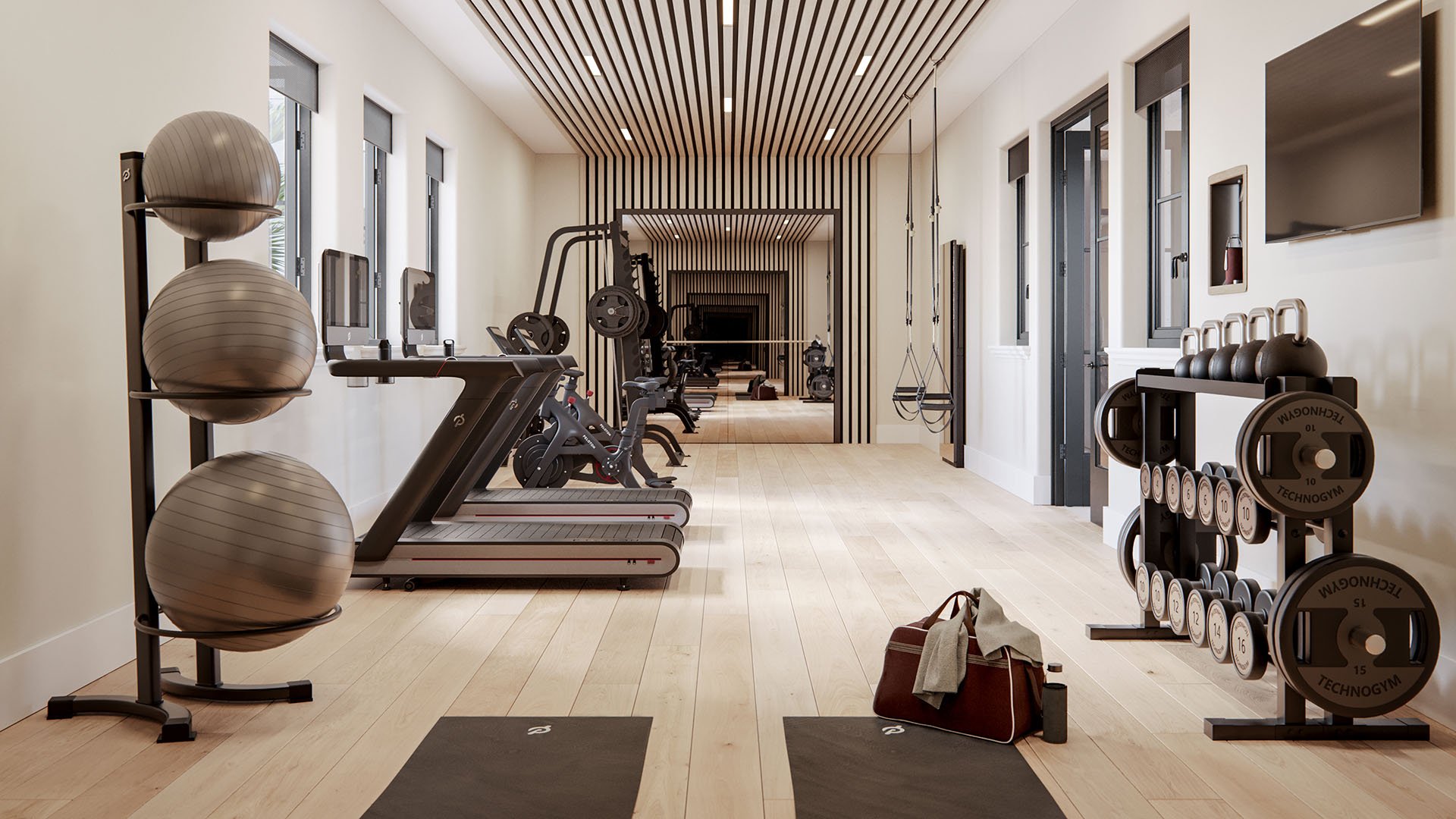
A pool, spa suite, fitness room, treatment room, garden, or club space is meaningful only if it aligns with real use. Ask when amenities are likely to be busiest, how they are accessed, how guests are handled, and whether the design supports quiet repetition rather than occasional novelty.
For a wellness-led buyer, the best amenity is not always the most elaborate. It is the one that reduces friction. A gym you can reach quickly, a pool deck that feels calm, a shaded walking path, secure bicycle storage, or a discreet massage room may matter more than a dramatic social lounge. Service culture also matters. If a building is highly social when you want retreat, or too quiet when you value community, the mismatch will be felt daily.
This is where boutique Coral Gables living should be compared carefully with nearby wellness-oriented alternatives. A buyer considering a Gables residence might also study The Well Coconut Grove for a different interpretation of wellness programming and neighborhood rhythm. The goal is not to crown one address over another. It is to understand which environment makes your health rituals easiest to sustain.
Wellness is not only yoga, spa design, and filtered air. It is also the absence of daily irritation. The wrong commute pattern can erode the benefits of an otherwise exceptional home. The wrong service entrance can complicate household management. The wrong parking sequence can turn every departure into a small negotiation.
Drive the routes you will use repeatedly: school, office, club, airport, medical appointments, beach, marina, dining, and family homes. Do this at the times you will actually travel. If private-school schedules shape the household, pressure-test those exact windows. If you host often, think through valet, guest parking, catering access, and whether arrivals feel gracious or strained.
For pet owners, the questions are equally practical. Where is the nearest comfortable walk? How does the building handle pets, elevators, grooming, deliveries, and outdoor access? Is there a place to clean up after rain? These details may seem modest during a purchase process, but they become part of the lived luxury of the home.
A wellness residence should have zones. Public rooms can be generous and expressive, but private quarters should allow retreat. The primary suite should not feel exposed to the home’s most active pathways. Secondary bedrooms should support family, guests, or staff without compromising quiet. If you work from home, the office should be acoustically and visually calm enough for sustained focus.
Look for graceful separation between entertainment and restoration. A showpiece kitchen may be ideal for hosting, but daily nutrition may require storage, prep, and circulation that are less visible. A wellness room should have the right proportions, ventilation, flooring, and privacy. If it needs to become a gym, treatment room, studio, or meditation space, confirm that the infrastructure supports the use.
Bathrooms also deserve a more serious read. Beyond stone and fixtures, consider light, ventilation, storage, water pressure, and whether the room feels restorative in the morning and evening. In a luxury residence, the bath is not merely a finish package. It is part of the sleep and recovery system.
The final test is simple: does the property make your desired life easier, calmer, and more consistent? If the answer depends on too many future modifications, pause. Design can improve many things, but it cannot fully correct a mismatched address, weak privacy, poor acoustics, or daily friction.
Ask your advisors to separate what is changeable from what is permanent. Finishes, lighting, furnishings, closets, and technology can often evolve. Orientation, surrounding activity, structural limitations, amenity culture, and neighborhood rhythm are harder to reshape. The most successful wellness purchase is not necessarily the most dramatic property. It is the one whose invisible qualities keep compounding over time.
Coral Gables rewards this kind of discipline. For the right owner, its residential scale, architectural character, and quieter cadence can support a deeply refined way of living. But the right decision requires more than admiration. It requires rehearsal.
What should wellness-focused buyers test first in Coral Gables? Start with your daily routine, then evaluate whether the address supports sleep, movement, privacy, nutrition, and household logistics without friction.
How many times should I visit a property before deciding? Visit during the hours that matter most to your lifestyle, especially morning, evening, and any school or commute windows.
Are amenities always important for wellness buyers? Amenities matter when they reduce friction and support regular use. A calm, accessible fitness or recovery space can be more valuable than a rarely used showpiece.
What is the most overlooked wellness factor? Sound is often underestimated. Bedroom acoustics, mechanical noise, traffic patterns, and internal sound transfer can affect rest every day.
Should I prioritize a terrace? Prioritize a terrace if it is private, shaded, and comfortable enough to use often. Size alone is less important than genuine usability.
How should families evaluate wellness in a luxury residence? Families should test school routes, storage, bedroom separation, service access, play areas, and quiet zones for adults and children.
Can design fix most wellness shortcomings? Design can improve interiors, lighting, storage, and materials, but it cannot fully fix a poor location fit, weak privacy, or disruptive noise.
Is a boutique building better for wellness than a larger one? Not always. The better choice is the building whose amenity culture, circulation, privacy, and service model fit your daily rhythm.
What should pet owners examine before buying? Pet owners should review walking routes, elevator flow, building policies, grooming logistics, outdoor access, and cleaning convenience after rain.
When should I bring in wellness-oriented advisors? Bring them in before contract if air, acoustics, lighting, fitness space, or sleep quality are central to the purchase decision.
If you'd like a private walkthrough and a curated shortlist, connect with MILLION.
If branded residences are on your mind — as a home or as an allocation — we would be glad to share what we are seeing, privately.
Begin a quiet conversation