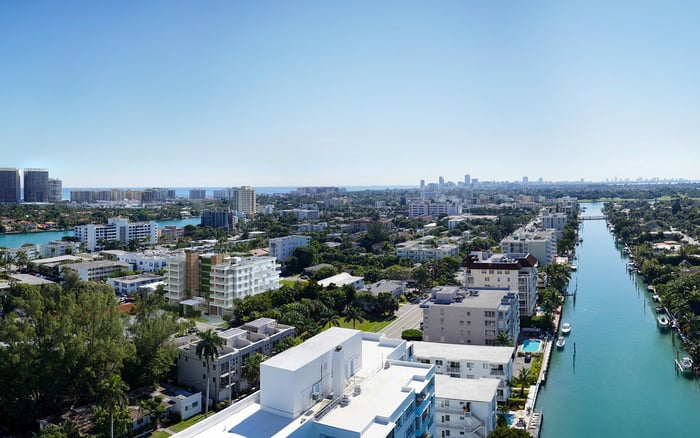
A collector-focused guide to the climate-control questions that matter before purchasing luxury real estate in North Miami, with emphasis on HVAC zoning, humidity discipline, backup systems, storage, glazing, and operational oversight.
For a serious collector, a residence is not simply a place to live with art. It is part of the collection’s protective environment. Before buying luxury real estate in North Miami, the question is not whether the interiors feel cool during a showing. The sharper question is whether the home can sustain stable, predictable conditions when the doors close, the season changes, guests arrive, and the owner is away.
Art-friendly climate control sits at the intersection of architecture, mechanical design, building management, and daily use. Paintings, works on paper, photography, textiles, design objects, and collectible furniture may each respond differently to heat, humidity, sunlight, airflow, and rapid changes in the room. A beautiful wall can be a poor art wall if it is exposed to glare, condensation risk, a direct supply-air blast, or an exterior condition the mechanical system struggles to moderate.
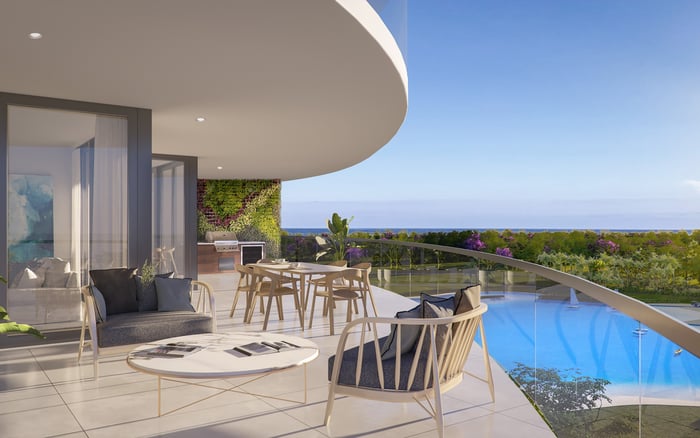
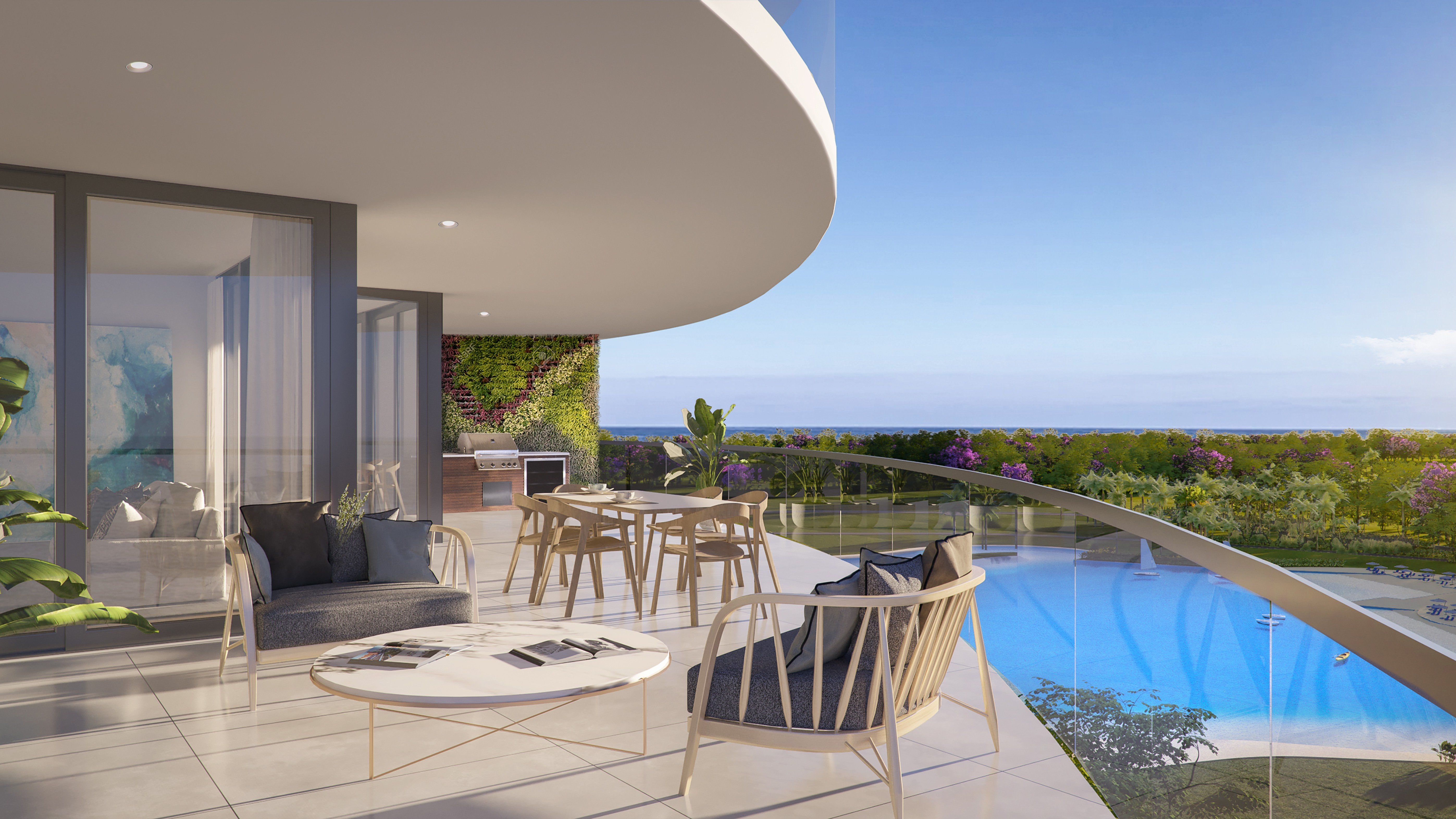
In North Miami, buyers are often drawn to water, light, terraces, and generous glass. Those same lifestyle attributes deserve disciplined technical review. A waterview residence can be magnificent for living and entertaining, but the buyer should understand how the building controls moisture, solar gain, and air movement before placing important works in primary rooms.
Many buyers ask whether the air conditioning is new or powerful. Collectors should ask a different question: how is humidity controlled independently from temperature? A room that feels cool can still be too damp for sensitive works, especially if the system short-cycles, if doors are frequently opened to terraces, or if certain rooms receive less consistent airflow.
Request a clear explanation of zones. Which rooms are separately controlled? Can a gallery wall, library, primary suite, wine room corridor, or private office maintain a more stable setting than an open entertaining area? Ask whether the system can run in a mode that manages moisture without overcooling the space. If the seller cannot answer, ask for the HVAC contractor or building engineer to walk the residence with your advisor.
In a condominium, the inquiry should include both the private residence and the building infrastructure. A buyer considering One Park Tower by Turnberry North Miami, for example, should frame questions around the specific residence, its exposures, its mechanical arrangement, and the owner’s intended art program rather than relying on brand or newness alone.
For many South Florida owners, the residence is not occupied every week of the year. Second-home use changes the climate-control question because the system must perform when no one is casually noticing a warm room, a musty odor, or a thermostat alert. Ask who receives alarms, how quickly a technician can access the home, and what permissions are required for building staff, property managers, or private representatives to enter.
The best answer is not merely a smart thermostat. It is an operating protocol. Who checks the readings? Are there remote sensors in the rooms where art is displayed or stored? Are alerts sent to more than one person? Is there a written response plan if humidity rises, cooling fails, or a leak is detected? If the residence will be vacant during travel, the buyer should know whether the system is being watched or simply left running.
Collectors comparing North Miami with Aventura may ask similar questions at Avenia Aventura or any other high-end residence: what is the day-to-day chain of responsibility after closing? A polished sales presentation is less important than a clear maintenance routine.
Climate control is not only mechanical. It is also architectural. Before signing, walk the residence at different times if possible and study where direct light lands. Ask which walls receive strong sun, which rooms heat up faster, and whether window treatments can be automated or programmed. If the collection includes photography, works on paper, or pigment-sensitive materials, the placement plan should be discussed before the purchase becomes emotional.
Large panes of glass can make a room feel spectacular, but collectors should understand how the glass, shades, and HVAC system work together. Ask whether motorized shades can be integrated with lighting scenes and daily schedules. Ask if there is space for art lighting that does not add unnecessary heat or glare. Ask whether the ceiling design allows discreet fixtures to be placed where the collection needs them, not only where the original interiors anticipated a sofa or dining table.
This is where interior design and conservation-minded planning should meet early. At La Baia North Bay Harbor Islands or in a North Miami condominium, the buyer’s advisory team should review not only views and finishes, but also the practical geography of art placement.
Backup power is often discussed in broad language. Collectors should make it specific. Which systems are supported? Does backup power cover the HVAC components serving the residence, or only limited common-area functions? If there is a generator or other backup arrangement, ask what loads are included, how long service is expected to continue, and whether the system has been maintained and tested.
This is especially important for works that cannot tolerate long periods of uncontrolled conditions. A buyer should not assume that a luxury building’s emergency plan automatically protects the private residence at the level an art collection may require. Ask for the practical scenario: if utility power is interrupted, what happens inside the rooms where art is installed?
For new-construction purchases, the timing is favorable because certain decisions may still be coordinated before completion. Mechanical closets, sensor locations, shade integration, lighting plans, and specialty storage requirements are easier to address before the home is fully furnished and occupied.
Not every work belongs on display at all times. Ask whether the residence has a suitable interior room for temporary storage, unpacking, or rotation. The room should be evaluated for airflow, cleanliness, security, and distance from kitchens, bathrooms, laundry areas, mechanical equipment, and exterior doors. A glamorous spare room is not automatically a safe art room.
Service access matters as well. How will crates, large paintings, or sculpture enter the building? Are there elevator restrictions, loading protocols, insurance requirements, or time windows for deliveries? Can the building accommodate the discreet arrival of handlers without turning a private installation into a spectacle? These questions are not dramatic. They are the ordinary mechanics of collecting well.
An investment perspective should include these operational details. A residence that supports art gracefully can be more useful to a future buyer with similar priorities, while a home that requires expensive retrofitting may limit flexibility.
Before closing, commission the right specialists to document the residence’s existing condition. That may include an HVAC review, inspection of drainage and visible moisture concerns, assessment of thermostat and sensor placement, and a conversation with building management about maintenance access. The goal is not to turn a home purchase into a museum project. The goal is to avoid surprises that could affect the collection after the excitement of acquisition.
The review should result in plain language. What is adequate now? What should be upgraded immediately? What should be monitored for several months after move-in? What should never be placed on a particular wall? If answers remain vague, slow down.
Buyers looking beyond North Miami to nearby oceanfront alternatives such as Bentley Residences Sunny Isles should apply the same discipline. The setting may change, but the collector’s questions remain consistent: stability, monitoring, access, and accountability.
Before making an offer, ask for a room-by-room climate discussion, not a general assurance. Confirm how many zones serve the residence, where thermostats are placed, whether supplemental dehumidification is needed, and how alarms are handled. Review shade control, lighting plans, exterior-wall exposure, and art storage. Ask whether the building can support private service visits, crating, deliveries, and emergency access.
Most importantly, align the technical review with the collection itself. A residence for large contemporary canvases has different needs than one for works on paper, photography, rare books, or collectible design. The right home should not force the owner to choose between the view and the collection.
What is art-friendly climate control? It is a residential environment planned for stable temperature, humidity, airflow, light, monitoring, and service access around valuable works.
Should I ask only about the air-conditioning system? No. Ask about humidity control, sensors, backup power, glazing, shades, lighting, storage, and the building’s response protocols.
Is a new luxury condominium automatically safe for art? Not automatically. New systems can be excellent, but the buyer still needs to verify zoning, monitoring, maintenance, and room-specific performance.
Why does humidity matter so much in North Miami? Moisture stability is central to protecting many materials, so buyers should understand how the residence manages humidity during daily use and absence.
Can smart-home technology replace a property manager? No. Alerts are useful only when someone qualified receives them, understands them, and can respond quickly.
Should I bring an art advisor before closing? Yes, especially if the collection is significant. An advisor can help identify placement, storage, lighting, and handling concerns before they become expensive.
What should I ask about backup power? Ask exactly which systems are supported, whether private HVAC is included, and what happens inside the residence during an outage.
Are terraces a concern for collectors? They can be if doors are frequently opened near art rooms. Ask how the system recovers after warm, humid exterior air enters the space.
Do I need a dedicated art storage room? Not always, but many collectors benefit from a clean, interior, secure room for rotation, unpacking, and temporary holding.
When should climate questions enter the purchase process? They should enter before the offer or during due diligence, when there is still time to inspect, negotiate, plan, or walk away.
To compare the best-fit options with clarity, connect with MILLION.
If branded residences are on your mind — as a home or as an allocation — we would be glad to share what we are seeing, privately.
Begin a quiet conversation