A disciplined framework for converting new liquidity into an Aventura home, with emphasis on ownership intent, building diligence, capital planning and negotiation.
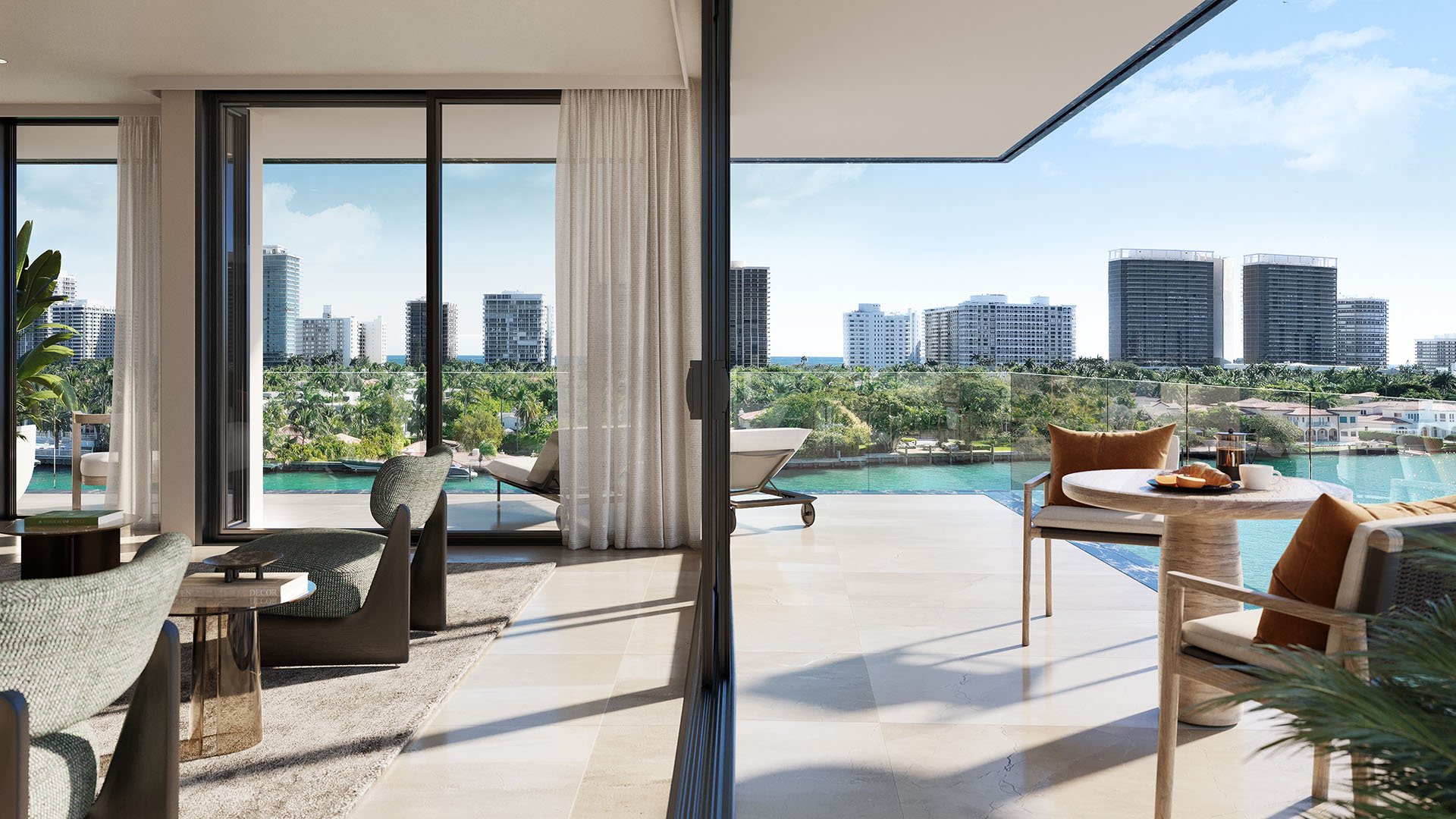
A liquidity event changes purchasing power, but it should not alter the discipline behind a major property decision. For a New York buyer considering Aventura in 2026, the first question is not which residence feels most impressive, but what the home must accomplish within a broader personal and financial plan.
That mandate might prioritize a primary residence, a second home, a family base or a long-duration investment. Each purpose sets a different standard for privacy, space, flexibility, operating costs and future marketability. A residence intended for frequent personal use should be measured against daily routines. A less frequently occupied home demands particular attention to oversight, access procedures and the practicalities of maintaining it while away.
This buyer’s guide begins with a written brief. Define the preferred residence size, room requirements, view priorities, parking needs, storage expectations and service preferences. Then separate essentials from indulgences. That distinction helps prevent a newly liquid buyer from allowing available capital to substitute for clarity.
Set an acquisition range that accounts for more than the purchase price. The relevant figure is the total capital committed through closing and the first phase of ownership. Buyers should reserve funds for professional reviews, closing expenses, insurance, furnishings, technology, art installation, potential improvements and an appropriate contingency.
Recurring obligations deserve equal scrutiny. For each building under consideration, request the current budget, fee schedule, reserve information, details of pending projects and any disclosed owner charges. Qualified advisers should review the documents and explain what is known, what remains uncertain and which obligations could materially alter the ownership experience.
A liquidity event can also raise overlapping legal, estate and tax questions. Resolve the intended purchasing entity, source-of-funds documentation and signing authority early with the buyer’s own counsel and tax professionals. Property selection and ownership structuring should advance together, without assuming that a real estate decision alone determines residency or tax treatment.
Aventura is not a single product. A more useful approach is to assess individual residences and buildings against the buyer’s brief. Avenia Aventura can enter the consideration set, but its relevance should be established through current offering materials, contract review and direct diligence-not broad assumptions.
For every candidate, examine the precise residence, not merely the building name. Review orientation, privacy, exposure, natural light, usable interior proportions, terrace configuration, elevator approach, parking allocation and storage. Test how the floor plan supports morning routines, entertaining, remote work, guests, children, staff and extended absences.
Apply the same precision to shared operations. Buyers should understand management protocols, staffing, security, delivery procedures, guest access, renovation rules, pet policies and any leasing restrictions relevant to their intended use. Waterfront positioning or an expansive outlook may be desirable, but those qualities should be weighed alongside exposure, maintenance needs and insurability. “Waterfront” is a starting descriptor, not a substitute for diligence.
A disciplined buyer should establish a broader benchmark before committing. The objective is not to turn an Aventura search into a tour of South Florida, but to understand what the same capital and ownership priorities can access in selected alternatives.
For contrast in Sunny Isles Beach, buyers may place Bentley Residences Sunny Isles and St. Regis® Residences Sunny Isles into a tightly controlled comparison. In North Miami, One Park Tower by Turnberry North Miami provides another reference point for determining whether the preferred combination of residence, setting and ownership format is truly found in Aventura.
A broader frame of reference can also include 2000 Ocean Hallandale Beach. These comparisons should use consistent criteria: all-in commitment, completion or occupancy expectations, floor-plan utility, governance, recurring costs, privacy and exit flexibility. New-construction and resale opportunities should not be compared on headline price alone, because timing, contract structure, finish condition and certainty can differ.
Once a preferred residence emerges, conduct legal, financial, physical and lifestyle reviews concurrently. Counsel can examine the contract, title matters and governing documents. Financial professionals can assess budgets, reserves and disclosed obligations. Insurance specialists can confirm available coverage and terms for the specific residence. Inspectors and other appropriate specialists can evaluate its physical condition and relevant systems.
Lifestyle diligence should be equally concrete. Visit at different times when possible. Walk the arrival sequence from vehicle to residence. Test mobile service, sound, light and privacy. Confirm dimensions for important furniture and art. Ask how deliveries, contractors and guests are handled. A beautiful showing can conceal operational friction that becomes apparent only when the buyer rehearses an ordinary day.
Maintain a concise issue log with three columns: resolved, priced and unacceptable. An item need not be perfect if its effect is understood and reflected in the decision. Unresolved uncertainty, however, should not be mistaken for sophistication.
A strong offer aligns price, timing, diligence protections and the buyer’s ability to close. Proof of funds and a clean decision process may reinforce credibility, but speed should never eliminate essential review. The objective is a transaction whose terms remain sensible after the excitement of selection has passed.
Separate negotiable preferences from genuine deal breakers before discussions begin. Clarify which furnishings or fixtures are included, identify required approvals, document key dates and assign responsibility for open items. If material information changes, revisit the economics rather than defend an earlier decision.
The final test is simple: Would the buyer choose the same residence if the liquidity event were no longer emotionally fresh? If the answer rests on fit, disciplined underwriting and verified ownership conditions, the acquisition is positioned as a considered lifestyle decision rather than a celebration disguised as one.
Should a buyer tour before setting a budget? Establish an all-in capital range first so tours remain focused and comparable.
Is cash automatically the best way to purchase? Not necessarily. Compare liquidity, financing flexibility and total cost with advisers.
Should ownership structure be decided before an offer? Ideally, yes. Counsel and tax professionals should coordinate the structure early.
What should a buyer request from a condominium? Request current governing, financial, fee and disclosure materials for professional review.
How should a buyer compare two residences? Use the same scorecard for layout, privacy, condition, costs and ownership restrictions.
Does a view justify compromising on the floor plan? Only if the buyer accepts that tradeoff after testing how the home will function.
Why visit a residence more than once? Light, sound, access and the arrival experience may feel different at another time.
How should new-construction and resale opportunities be assessed? Compare timing, contract terms, condition, certainty and total required capital.
What deserves attention beyond the residence itself? Review management, security, parking, storage, deliveries, guests and renovation rules.
When is a buyer ready to proceed? When major questions are resolved, remaining risks are understood and the terms fit the plan.
To compare the best-fit options with clarity, connect with MILLION.
If branded residences are on your mind — as a home or as an allocation — we would be glad to share what we are seeing, privately.
Begin a quiet conversation