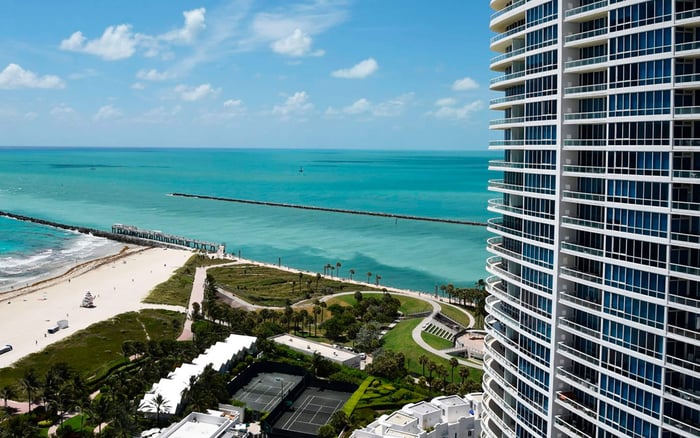
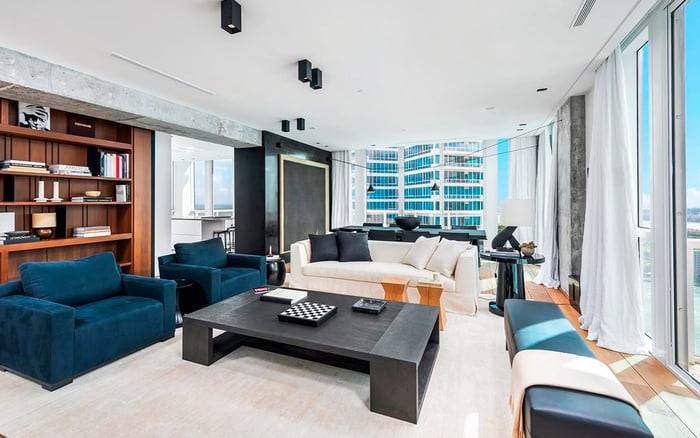
A discreet buyer’s guide to understanding amenity operating budgets before purchasing in South of Fifth, from staffing and service contracts to reserves, insurance, governance, and long-term ownership exposure.
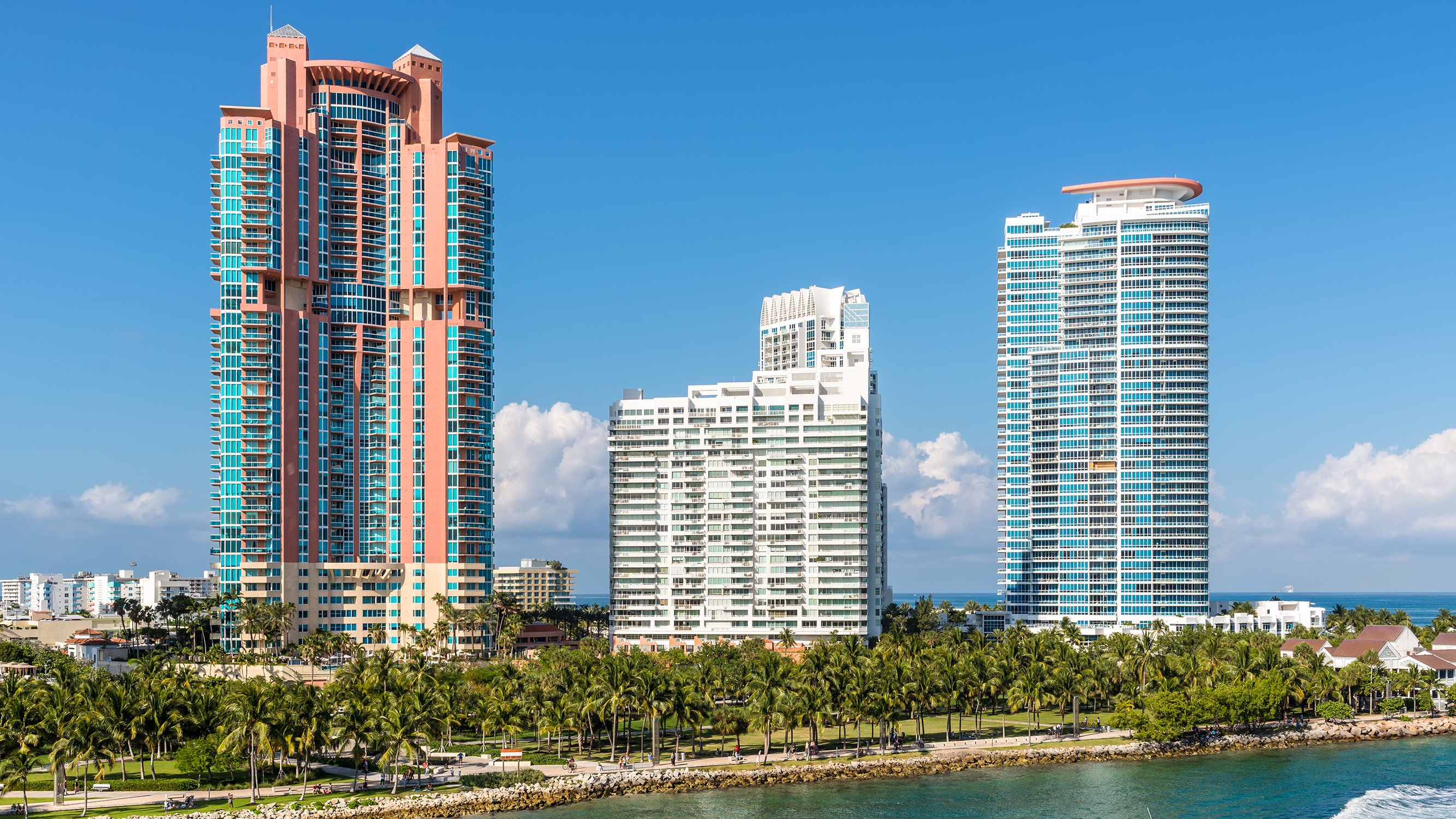
In South of Fifth, buyers often experience a residence through the language of light, water, arrival, privacy, and finish. The lobby feels composed, the pool deck cinematic, the gym quiet at midday, and the service seemingly effortless. Yet the enduring quality of a luxury building is not sustained by design alone. It depends on an operating budget capable of supporting the experience without repeatedly surprising owners.
Amenity operating budgets deserve the same scrutiny as floor plans, exposures, and closing terms. They show how the building intends to pay for the daily theater of luxury: staffing, maintenance, utilities, insurance, cleaning, technology, landscaping, management, access control, and periodic repair. In a boutique or ultra-service building, the difference between a carefully funded program and an underfunded one can define the ownership experience for years.
A disciplined buyer brief may use shorthand such as South of Fifth, Sofi, Miami Beach, Oceanfront, Pool, and Resale, but the real diligence begins with the documents behind those labels. When comparing established addresses such as Apogee South Beach with other South Beach and Miami Beach alternatives, the question is not simply which amenities exist. The sharper question is whether the budget can preserve them at the level the building promises.
Many buyers begin with the monthly maintenance figure and stop too early. A better approach is to request the current operating budget, prior budget, available year-to-date financials, reserve information, recent meeting minutes, rules governing amenity use, and any disclosed owner communications relating to major work or service changes.
Then read the budget like an owner, not a guest. Which categories consume the largest share? Are expenses concentrated in staffing, insurance, utilities, elevator service, mechanical systems, valet, security, pool operations, landscaping, spa facilities, or management? Does the budget distinguish between ordinary operations and capital needs, or does it blur the two?
The monthly number alone is not the story. One building may feel expensive because it is genuinely service rich. Another may feel efficient because it is postponing work or relying on optimistic assumptions. Your goal is to understand whether the amount being collected is aligned with the experience being delivered.
In luxury real estate, people are often the most visible amenity. Door staff, front desk personnel, valet teams, housekeeping, engineering, security, management, and pool attendants define the daily rhythm of a building. Ask which functions are handled in-house, which are outsourced, and who supervises service quality.
Important questions include: How many staff members support the property during peak and quiet periods? Are overnight hours covered in the manner owners expect? Is valet included, optional, or billed separately? Are gratuities, uniforms, training, payroll taxes, and benefits fully reflected in the budget? If service is outsourced, when do contracts renew, and what escalation provisions apply?
A building can have magnificent architecture and still feel diminished if its staffing plan is thin. Conversely, a well-managed building may justify higher carrying costs when service is reliable, discreet, and consistent. When touring places such as Continuum on South Beach or nearby luxury inventory, listen not only to what is promised, but to how it is funded.
The most photogenic amenities are not always the most expensive, and the least visible systems may be the most consequential. Pools, fitness rooms, spas, private dining rooms, wine rooms, screening lounges, gardens, beach services, elevators, cooling systems, access-control technology, life-safety systems, and garage components all age differently.
Ask which amenities require recurring specialist contracts. A pool may require water treatment, equipment maintenance, furniture replacement, towel service, cleaning, and staffing. A spa may involve mechanical systems, licensing considerations, cleaning protocols, and specialized repairs. Fitness equipment may require service contracts and replacement planning. Technology-forward access systems may need software support and periodic upgrades.
The essential question is simple: which amenities are funded for daily operation, and which are funded for eventual replacement? If the answer is unclear, the apparent lifestyle premium may be masking future owner exposure.
A reserve line is not merely an accounting entry. It is a statement about whether the building is preparing for tomorrow’s obligations. Ask which components are included in reserve planning, how often the plan is reviewed, and whether reserve funding appears consistent with the scale of the property.
Buyers should distinguish among operating cash, contingency funds, and reserves earmarked for capital components. If a building relies heavily on special assessments for predictable replacements, that is a different ownership profile from a building that gradually funds future work. Neither structure should be judged in isolation, but the distinction matters.
For buyers evaluating a residence as a long-term home, second home, or portfolio asset, reserve discipline can influence liquidity and negotiation. Sophisticated purchasers often review not only the asking price, but also the building’s ability to protect its common areas without sudden disruption.
In a coastal luxury market, the budget’s less glamorous categories can carry enormous weight. Insurance, electricity, water, waste removal, elevator service, mechanical maintenance, life-safety inspections, security systems, and janitorial contracts all influence the carrying cost of a building. Ask how recent increases have been handled, whether coverage has changed, and whether future increases have been contemplated in the budget.
Vendor dependence also matters. If a property depends on a small group of highly specialized contractors, ask whether contracts are competitive, current, and reviewed periodically. If the building has extensive exterior areas, water features, marina-adjacent systems, beach-related services, or elaborate landscaping, understand how those elements are maintained and how vulnerable the budget is to labor and materials pricing.
This is not about avoiding high costs. In the ultra-premium segment, high service levels often require substantial operating commitments. The question is whether those commitments are transparent, intentional, and sustainable.
Amenities can become financially complicated when access rules are loose or revenue assumptions are optimistic. Ask who may use each amenity: owners, residents, tenants, guests, family members, club members, hotel guests, or outside parties. Then ask whether any amenity revenue is included in the operating budget.
If the budget assumes income from rentals, events, cabanas, food and beverage, guest parking, beach service, marina use, or other sources, understand whether that income is recurring or discretionary. A budget balanced by uncertain revenue is different from one supported primarily by owner assessments.
Rules also shape wear. A quiet residential amenity program has one expense profile. A heavily guest-oriented program has another. Before buying in a luxury building, ask whether the amenity rules match the lifestyle you expect and whether enforcement is consistent.
South of Fifth has its own cadence, but buyers frequently compare it with other Miami Beach residences where design, service, and amenity expectations overlap. A buyer looking at The Ritz-Carlton Residences® South Beach may also consider how branded service, management structure, and amenity programming affect the budget conversation. Similarly, broader Miami Beach options such as Five Park Miami Beach or The Perigon Miami Beach can help frame the tradeoff between scale, service ambition, privacy, and operating complexity.
The goal is not to declare one model superior. It is to understand the economics behind each lifestyle. A larger property may spread certain expenses across more residences. A smaller building may offer intimacy but concentrate costs among fewer owners. A branded or highly serviced building may create a polished daily experience, but it should be evaluated through the lens of contracts, staffing, management fees, and long-term obligations.
Before signing off on diligence, ask these questions in writing where possible. What does the current budget include and exclude? Which expenses have increased most meaningfully? Are any amenities subsidized by temporary concessions, developer contributions, or non-recurring income? Are reserves being funded for the systems that support major amenities? Are there pending or discussed assessments? Have any services been reduced, added, or repriced? Are vendor contracts cancellable, renewable, or escalating? Who approves budget changes? How often are owners updated?
Also ask what is not obvious from a tour. Are pool decks, elevators, garages, mechanical rooms, and access systems scheduled for work? Are housekeeping and engineering staffing levels sufficient during peak occupancy? Are amenity spaces insured, licensed, and maintained in a way that reflects actual use? Are there rules limiting parties, guests, pets, deliveries, and short-term use patterns?
A refined purchase is not only about acquiring a residence. It is about entering a financial community. The more elegant the amenity promise, the more important it is to understand the cost of keeping that promise.
Why should I review the amenity operating budget before buying? It shows how the building pays for the services and spaces that shape daily ownership. It can also reveal future cost pressure that is not obvious during a tour.
Is a higher monthly maintenance fee always a warning sign? Not necessarily. A higher fee may reflect robust service, staffing, reserves, and maintenance, but it should be matched to the building’s actual operating plan.
What documents should I ask for during diligence? Ask for budgets, financial statements, reserve information, meeting minutes, rules, vendor information, and any disclosed assessment materials. Your advisor can help interpret them.
How do reserves differ from operating expenses? Operating expenses fund recurring needs such as staffing and utilities. Reserves are generally intended for future repair or replacement of major components.
What amenity costs are easy to underestimate? Staffing, insurance, utilities, pool operations, elevator service, security systems, cleaning, technology, and replacement planning can be underestimated if reviewed casually.
Should I worry about special assessments? You should understand whether assessments are pending, discussed, or historically common. The issue is not simply their existence, but what they reveal about planning.
Do branded residences require different budget questions? Yes. Ask about management structure, service standards, brand-related fees, staffing expectations, and contract terms that may affect ongoing costs.
How can amenity rules affect expenses? Guest access, tenant use, events, pets, deliveries, and peak-season occupancy can increase wear and staffing needs. Rules matter when they are enforced consistently.
Can a beautiful building still have weak budget discipline? Yes. Design quality and financial discipline are separate issues, which is why buyers should review documents as carefully as finishes and views.
Who should review the budget with me? Work with experienced real estate, legal, and financial advisors who understand luxury condominium ownership. Their review can clarify risk before you commit.
For a tailored shortlist and next-step guidance, connect with MILLION.
If branded residences are on your mind — as a home or as an allocation — we would be glad to share what we are seeing, privately.
Begin a quiet conversation