Park Grove is complete, so today’s buyer should replace preconstruction assumptions with tower-specific, unit-specific review. The decisive issues are deposit control, binding dates, closing obligations, condominium records, and the condition of the residence and building.

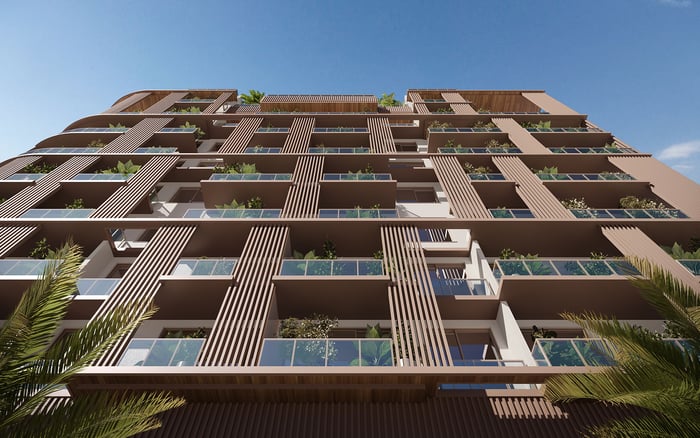
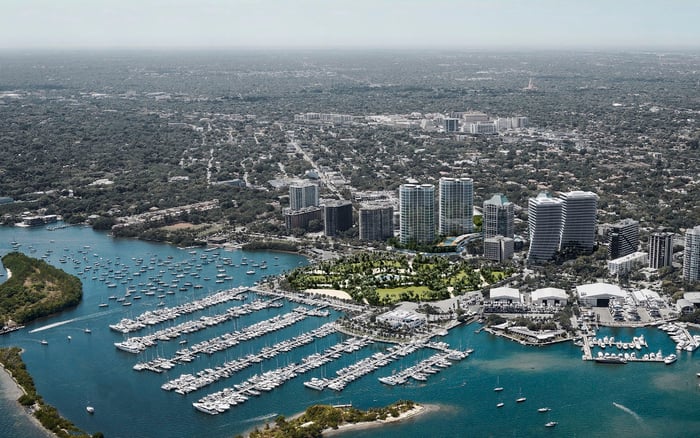
The first question before “reserving” at Park Grove Coconut Grove is whether the proposed transaction is a resale or another form of completed-residence purchase. Park Grove is not a ground-up development awaiting delivery. Completed in 2021, it comprises three 20-story towers and 271 luxury condominiums.
That distinction reshapes the risk analysis. Today’s buyer is not principally underwriting whether the development will be built. The focus shifts to the specific residence, the completed tower, the governing condominium documents, association financial records, inspection materials, deposit provisions, and closing conditions.
Historical preconstruction schedules can illustrate how projects are structured, but they should not be mistaken for current Park Grove terms. For a buyer considering a Move-In Ready residence, the current documents must govern every material date and obligation.
Park Grove spans three addresses: 2811, 2821, and 2831 S Bayshore Drive, Coconut Grove, Florida 33133. Every reservation form, purchase agreement, escrow instruction, disclosure, inspection reference, and closing statement should consistently identify the correct address and residence.
This is more than clerical precision. The towers historically followed separate closing schedules, with Club Residences expected to close before Two Park Grove during the development period. That history underscores why tower-specific timing matters, even though the original delivery dates no longer establish present rights.
Ask counsel to reconcile defined terms across the complete document set. When a deposit may become nonrefundable, a shorthand project name should never replace an exact legal description.
South Florida preconstruction transactions have often used staged deposits held in escrow. One commonly described structure reached a total deposit of 20% by groundbreaking through an initial contract payment followed by a later installment. That historical model provides context; it is not a current Park Grove payment schedule.
For today’s transaction, build a one-page chronology directly from the proposed agreement. It should identify the initial deposit, each additional payment, every due date, the holder of the funds, the closing balance, and the event that makes an amount refundable or subject to forfeiture.
Confirm whether the deposit remains in escrow through closing and whether any provision authorizes the prior use or release of funds. In preconstruction contracts, a designated portion may be made available for construction when the agreement expressly permits it. Because Park Grove is complete, any comparable language warrants careful explanation rather than assumption.
A polished reservation form may feel preliminary while still imposing meaningful deadlines. The documents should specify when the reservation becomes binding, whether a purchase contract supersedes it, and what happens if the buyer fails to sign, fund an installment, satisfy a condition, or close on time.
Counsel should compare the reservation form and final agreement line by line, particularly where payment dates, escrow rights, cancellation provisions, default remedies, or deposit-return conditions differ. If oral assurances are intended to govern the transaction, they should be incorporated into the controlling documents.
This approach is central to a disciplined Buyer’s Guides perspective: transactional elegance comes from eliminating ambiguity before capital is committed, not negotiating its meaning after a missed milestone.
At a completed condominium, “construction risk” concerns existing physical condition rather than project delivery. Due diligence should address the specific residence and completed building through the available condominium records, association financial materials, disclosures, and inspection documentation.
The practical inquiry is whether the buyer understands what is being acquired today, which obligations accompany it, and which conditions must be met before closing. The agreement should also allocate responsibility if an inspection issue, documentary concern, or unmet contractual condition arises.
This is the essential distinction between Pre-Construction analysis and a Resale review. Historical deposit percentages, groundbreaking milestones, and anticipated tower closings should not displace the current contract and property materials.
Coconut Grove buyers may evaluate Park Grove alongside Four Seasons Residences Coconut Grove, Mr. C Tigertail Coconut Grove, or Vita at Grove Isle. Those comparisons may help clarify preferences, but another project’s deposit schedule, escrow language, or delivery framework says nothing about the agreement under review.
Whether the purchase is an Investment or a personal residence, the disciplined standard remains the same: identify the asset precisely, read the operative contract, and test every financial milestone against the buyer’s intended timing.
Before making a nonrefundable commitment, request the current contract, disclosure package, condominium documents, association financial records, inspection materials, and residence-specific closing terms. Confirm in writing the transaction type, the party holding the deposit, every payment deadline, the closing balance, and each condition governing return or forfeiture.
A concise closing calendar can then connect every obligation to the applicable notice procedure, any stated cure rights, and the consequence of nonperformance. The objective is not to revive Park Grove’s development-era timetable. It is to make the current transaction legible, tower-specific, and aligned with the buyer’s capital plan.
Is Park Grove still under construction? No. Park Grove was completed in 2021, so buyers should focus on post-completion diligence.
How many towers are at Park Grove? The development comprises three 20-story towers containing 271 luxury condominiums.
Why does the tower address matter? Park Grove uses 2811, 2821, and 2831 S Bayshore Drive, so every document must identify the correct tower and residence.
Should a buyer rely on Park Grove’s historical deposit schedule? No. Development-era terms provide historical context but do not establish the obligations in a current agreement.
Are condominium deposits generally held in escrow? South Florida preconstruction deposits are generally placed in escrow, subject to the specific terms of the controlling contract.
Can escrowed funds be released before closing? A preconstruction contract may authorize the use of a designated portion for construction, so the agreement requires careful review.
When does a reservation become binding? The reservation form and purchase contract should expressly identify the binding event and applicable cancellation rights.
What happens after a missed payment milestone? The agreement should specify any notice or cure procedure and whether the deposit may be forfeited.
What physical risks matter now? Attention should center on the condition of the residence and completed building, supported by current records and inspections.
Which documents should counsel compare? Counsel should compare the reservation, final contract, escrow provisions, disclosures, condominium records, and residence-specific closing terms.
When you're ready to tour or underwrite the options, connect with MILLION.
If branded residences are on your mind — as a home or as an allocation — we would be glad to share what we are seeing, privately.
Begin a quiet conversation