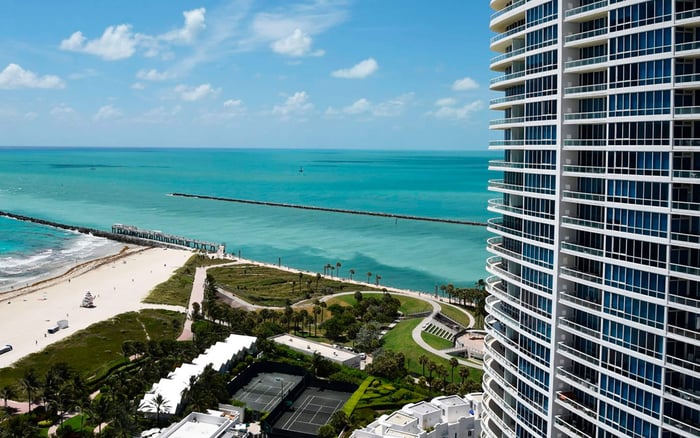
A buyer-facing due-diligence framework for evaluating seawall and shoreline infrastructure risk at Continuum on South Beach in 2026, with emphasis on documents, pricing discipline, long-term resilience, and luxury resale perception.
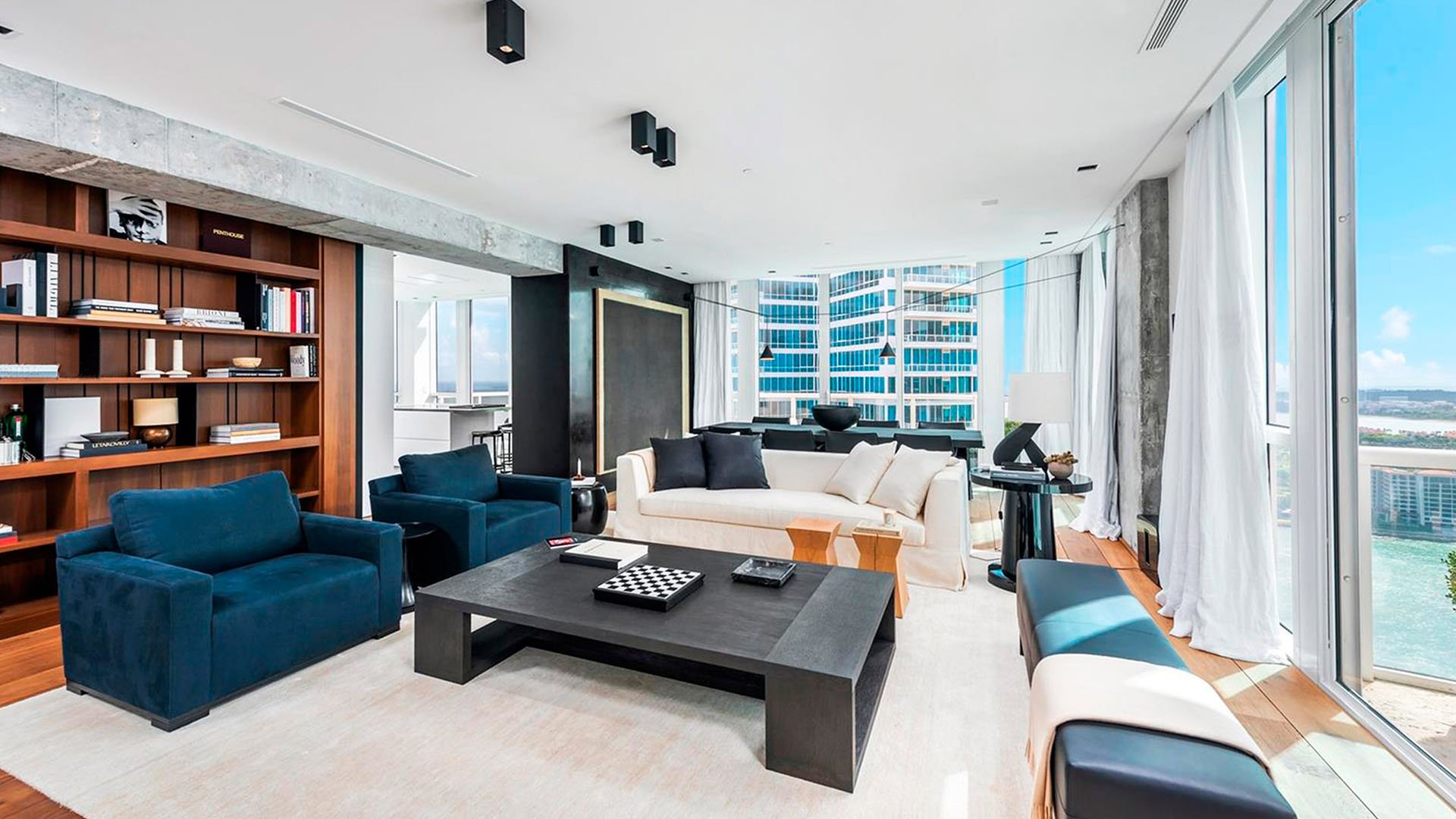
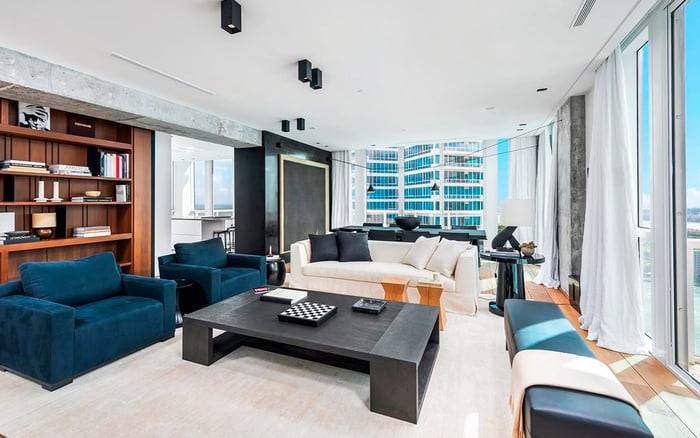
Continuum on South Beach occupies a rare position in Miami Beach: an ultra-luxury oceanfront condominium in the South of Fifth setting, where prestige, privacy, resort-style grounds and direct coastal exposure converge. For a buyer considering this address in 2026, the view is only part of the thesis. The edge condition matters, too.
The seawall and related shoreline infrastructure should not be treated as obscure engineering background. At a coastal condominium, these systems help form the physical barrier between landscaped or common areas and tidal or storm-driven water exposure. That makes them financially material. A buyer is not merely purchasing interior finishes, amenity access and a coveted South Beach lifestyle. The buyer is also accepting a share of the building community’s long-term infrastructure profile.
This does not mean the seawall at Continuum on South Beach should be presumed sound or deficient. Its current condition cannot be responsibly determined without professional on-site evaluation and document review. The correct posture is more disciplined: do not guess, do not rely on ambience, and do not let the emotional force of an oceanfront residence obscure the capital systems beneath the experience.
In buyer shorthand, this is Continuum on South Beach, Miami Beach, South of Fifth, SoFi, oceanfront and resale territory. Those labels are more than lifestyle descriptors. They define a market segment where resilience, governance and future perception can influence value as much as design and service.
The buyer test is simple in structure but demanding in execution: has seawall risk been identified, quantified, priced and managed?
Identified means the buyer has moved beyond broad questions and asked specifically about the seawall, shoreline edge, inspections, maintenance history and any professional recommendations. Quantified means the buyer has reviewed whether potential work, monitoring or repairs have been translated into cost ranges, reserve planning or capital strategy. Priced means the acquisition offer, negotiation posture and closing comfort reflect the known and unknown infrastructure profile. Managed means the condominium’s governance framework has a credible path for maintenance, funding, insurance coordination and owner communication.
For an ultra-premium buyer, this is not a pessimistic exercise. It is a preservation exercise. The strongest luxury purchases are not simply beautiful on day one. They remain legible, financeable and desirable through shifting insurance markets, evolving coastal expectations and future resale scrutiny.
A serious buyer should request the documents that allow a qualified adviser to form a view. The core package may include engineering reports, inspection records, relevant permits, association materials, maintenance documentation and meeting references concerning shoreline systems. If capital work has been discussed, the buyer should seek records clarifying whether it is preliminary, planned, funded, deferred or completed.
The point is not to overwhelm the transaction with paperwork. The point is to replace vague reassurance with an evidentiary trail. In a building of this caliber, the difference between a minor maintenance item and a major capital exposure can be material to ownership economics. A buyer should also distinguish between aesthetic shoreline features and structural or protective systems. Landscaped grounds can make a waterfront edge appear serene, but serenity is not a condition assessment.
Professional review is essential. A luxury broker, attorney and inspector may each see part of the issue, but shoreline infrastructure often requires specialized engineering interpretation. The buyer’s team should be able to explain what has been reviewed, what remains unknown and what level of uncertainty should be reflected in the offer or contingencies.
The most refined buyers do not confuse caution with fear. They price uncertainty with composure. At Continuum on South Beach, seawall due diligence is best understood as a valuation filter, not an accusation against the property.
Potential buyer concerns include special assessments, insurance implications, amenity disruption and resale perception. Each concern operates differently. A special assessment is a direct cost. Insurance issues can influence carrying costs and market confidence. Amenity disruption may affect the lived experience, particularly if common areas or shoreline-adjacent grounds are affected. Resale perception is subtler, but often just as important: future buyers may ask sharper questions than today’s buyer, especially as coastal infrastructure becomes more visible in luxury condominium underwriting.
The goal is to determine whether the purchase price, carrying-cost assumptions and risk tolerance all align. If records are strong and future obligations are well understood, a buyer may proceed with greater confidence. If records are incomplete, the buyer may still proceed, but should do so with negotiated protection, conservative assumptions or a clear threshold for further review.
A 2026 buyer should not evaluate a coastal condominium only through the first two years of ownership. For many high-net-worth buyers, the real horizon extends toward mid-century: family use, seasonal occupancy, estate planning, liquidity and eventual resale. That longer timeline changes the questions.
Will future buyers view shoreline infrastructure as a routine condominium matter or as a central value issue? Will associations with clear documentation and proactive maintenance command more trust? Will oceanfront buildings with disciplined governance separate themselves from properties where infrastructure questions feel opaque?
Continuum’s location is a key part of the buyer thesis because it sits in an exposed coastal setting. That exposure is inseparable from the appeal. The oceanfront character that gives the property its identity also requires a higher standard of diligence. In 2026, resilience belongs beside views, amenities and prestige in the luxury buyer’s hierarchy.
The cleanest approach is sequenced. First, confirm that the residence itself meets the buyer’s lifestyle and investment criteria. Second, request and review the shoreline-related records. Third, engage qualified advisers to interpret the materials. Fourth, translate the findings into price, contract terms and a post-closing ownership plan.
A buyer should avoid two extremes. The first is dismissing seawall review as irrelevant because the building is prestigious. The second is assuming that any coastal infrastructure question is a reason to walk away. Neither posture is sophisticated. The better test is whether the risk can be understood and managed within the buyer’s financial and lifestyle objectives.
For the right buyer, Continuum on South Beach may remain exactly what it appears to be: a marquee oceanfront address in one of Miami Beach’s most coveted enclaves. But in 2026, the highest form of luxury due diligence is not merely knowing what can be seen from the terrace. It is knowing what protects the ground beneath it.
Should a buyer assume Continuum on South Beach has a seawall issue? No. The current condition cannot be determined without professional on-site evaluation and document review.
Why does seawall condition matter to a luxury condo buyer? It can affect special assessments, insurance considerations, amenity disruption and future resale perception.
What is the 2026 buyer test? It asks whether seawall risk has been identified, quantified, priced and managed before closing.
Is this only a concern for older or less prestigious buildings? No. Ultra-luxury oceanfront properties still require infrastructure diligence because location and exposure matter.
What documents should a buyer request? Engineering reports, inspection records, permits and association documents are central starting points.
Can a broker determine seawall condition visually? No. Visual impressions are not a substitute for qualified engineering review and supporting records.
Should seawall diligence affect the offer price? It may. Known costs or unresolved uncertainty can influence price, contingencies and comfort with the purchase.
Does shoreline infrastructure affect amenities? It can, especially if work or monitoring affects landscaped areas, common spaces or the waterfront edge.
Why use a mid-century horizon? Coastal ownership risk and resale perception often unfold over decades, not just the immediate purchase period.
What is the best way to shortlist comparable options for touring? Start with location fit, delivery status, and daily lifestyle priorities, then compare stacks and elevations to validate views and privacy.
For a discreet conversation and a curated building-by-building shortlist, connect with MILLION.
If branded residences are on your mind — as a home or as an allocation — we would be glad to share what we are seeing, privately.
Begin a quiet conversation