A discreet, buyer-oriented look at panic-room feasibility at Continuum on South Beach, framed as due diligence rather than a confirmed building amenity.
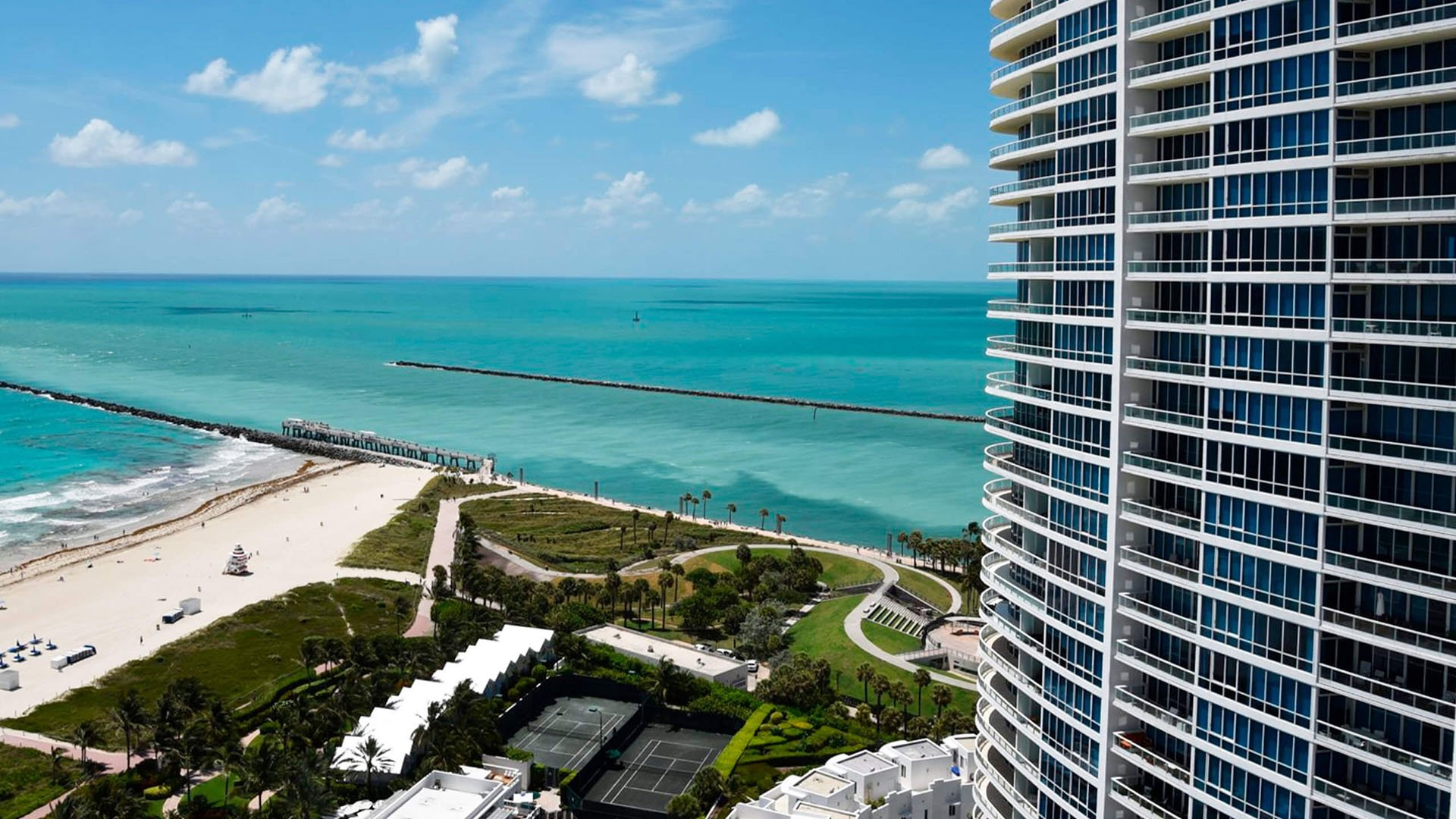
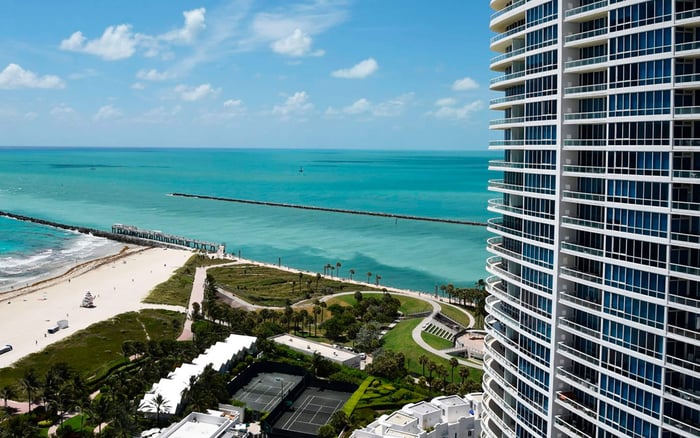
At Continuum on South Beach, the most meaningful luxury conversations are often the least visible. For buyers who already understand oceanfront living, privacy, service, and architectural restraint, the next layer of diligence becomes more personal: how a residence might perform in an unexpected security event.
That is where panic-room feasibility enters the discussion. Not as a marketed feature, not as a promise, and not as an assumed amenity, but as a sophisticated question a buyer may raise before acquiring or renovating a high-value South Beach condominium. In the language of quiet luxury, the objective is not to make a home feel defensive. It is to preserve calm, continuity, and discretion without compromising the design integrity that made the residence desirable in the first place.
Continuum on South Beach is best approached as a luxury condominium setting in which this question deserves careful, unit-specific evaluation. No responsible buyer should assume that a safe room, ballistic room, or in-unit shelter is already part of the offering. The more refined approach is to ask whether one could be planned, approved, engineered, concealed, and maintained within a specific residence.
The phrase panic room can suggest a finished product, but in a condominium environment it begins as a feasibility study. A single-family estate may offer more direct control over structure, envelope, and site conditions. A vertical residence is different. Floors, columns, demising walls, chases, risers, common elements, and association rules all shape what may be possible.
For Continuum on South Beach, the prudent position is simple: feasibility must be assessed residence by residence. A buyer should not rely on assumptions about slab capacity, wall assemblies, ceiling heights, core locations, mechanical runs, or concentrated loads. These are technical questions, and they require the proper professionals before design expectations become contractual expectations.
The same restraint applies to approvals. A safe-room retrofit may implicate architectural review, association consent, licensed contractors, permitting, insurance considerations, and building operations. None of those should be reduced to a generic timeline. In a high-value acquisition, the better question is not, “Can this be done quickly?” It is, “What would need to be proven before this can be done properly?”
For a buyer evaluating Continuum on South Beach with security in mind, the first conversation should be practical rather than dramatic. Which room, if any, has the most logical relationship to the primary suite, service corridors, communications infrastructure, and everyday circulation? Could an existing closet, secondary room, or interior zone support a discreet upgrade without disrupting the floor plan? Would the proposed location create unusual loads or interfere with building systems?
The answers should come from a coordinated team. A structural engineer evaluates load paths and constraints. A security consultant defines the threat model and performance criteria. An architect translates those requirements into a livable plan. A contractor studies execution, staging, and building logistics. The condominium approval process determines what can move from concept to reality.
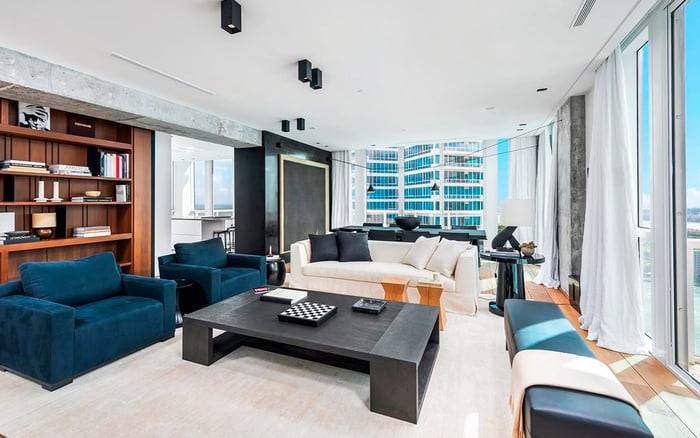
This is also where design discipline matters. The best luxury security work is almost invisible. Doors align with millwork. Hardware is concealed or specified with restraint. Communications and ventilation are integrated without visual noise. The residence should not feel like a bunker; it should feel like itself, with an additional layer of resilience.
Panic-room planning in an ultra-prime condominium should never be about spectacle. Buyers in this tier are often seeking the opposite: fewer visible signals, fewer conversations, and fewer compromises. A well-conceived secure room may be most valuable precisely because it does not announce itself.
That sensibility suits the broader South Beach luxury mindset. The buyer may care deeply about privacy, art, family, staff movement, and controlled access, while still wanting interiors that feel open, calm, and tailored. In that sense, panic-room feasibility belongs in the same category as acoustic privacy, lighting control, elevator protocols, and service circulation. It is part of how a residence lives, not merely how it photographs.
For market conversations, this is a Miami Beach, South of Fifth, oceanfront, and resale due-diligence issue as much as it is a design issue. The appeal of Continuum on South Beach sits within that rarefied lifestyle vocabulary, but the safe-room question remains technical, private, and highly specific.
In a condominium, the most elegant idea can fail if it ignores governance. Any buyer contemplating a panic-room retrofit should review alteration rules, contractor requirements, work-hour limitations, elevator and loading procedures, insurance obligations, noise restrictions, and submission requirements before closing or before committing to a renovation budget.
The physical nature of a safe room can also differ materially from a conventional interior renovation. Depending on the design, the project may involve reinforced assemblies, specialized doors, independent communications, power backup, ventilation strategies, or other components that affect weight, coordination, and inspections. Those elements can be highly customized, but customization does not remove the need for professional review.
This is why the feasibility phase should include clear deliverables. A buyer may want a preliminary engineering opinion, a security brief, an architectural concept, a contractor’s constructability note, and an early read on association process. None of these guarantees approval. Together, they create a disciplined picture of risk, cost, timeline, and design impact.
A safe room may matter to a future buyer, but it can also narrow the audience if executed poorly. The strongest version is one that feels additive, not anxious. If the room reads as a beautifully detailed closet, study, dressing area, or secondary interior space, its security function can remain a private benefit. If it dominates the plan, resale conversations may become more complicated.
The distinction is especially important at Continuum on South Beach, where buyers are likely to evaluate lifestyle as carefully as specifications. A residence that has been thoughtfully upgraded may communicate care, preparedness, and quality. A residence with heavy-handed alterations may raise questions about approvals, permits, structural implications, or reversibility.
For owners, documentation matters. If a retrofit is ever pursued, records of professional involvement, approvals, permits where applicable, and maintenance instructions should be preserved. In luxury resale, confidence often comes from clarity. The more invisible the upgrade, the more important the documentation becomes.
Before treating panic-room feasibility as a decisive factor, buyers should request the documents and expert opinions that convert curiosity into actionable knowledge. The checklist begins with the specific residence, not the building brand. Unit configuration, structural context, mechanical constraints, and neighboring conditions may all affect the outcome.
The next step is to define purpose. A temporary refuge for family members is different from a hardened room designed around elevated ballistic or forced-entry standards. Communications, ventilation, duration of occupancy, door performance, and access strategy all flow from that purpose.
Finally, the buyer should decide how much design presence is acceptable. In the best scenario, security is layered into the architecture with restraint. The result is a residence that remains serene in daily life while offering an additional measure of preparedness when needed.
Does Continuum on South Beach market panic rooms as an amenity? No confirmed public positioning supports treating panic rooms as a current amenity. Buyers should evaluate it as a private retrofit question.
Can a buyer assume a safe room is possible in any residence? No. Feasibility depends on the specific unit, structural conditions, building systems, and approval requirements.
Who should review a potential panic-room retrofit? A structural engineer, security consultant, architect, qualified contractor, and the condominium approval authority should all be part of the review.
Is the best location usually the primary suite? Not necessarily. The right location depends on circulation, structure, access, communications, and how the residence is actually used.
Could a safe room affect resale value? It may help if discreetly executed and properly documented. Poorly integrated or undocumented work can create buyer hesitation.
Should buyers ask about association rules before closing? Yes. Alteration policies, contractor requirements, and review procedures can materially affect feasibility and timing.
Is ballistic protection the same as a panic room? No. Ballistic performance is one possible specification, while a panic room can involve broader considerations such as communication, ventilation, and access control.
Can this be planned without changing the look of the residence? Often the design goal is concealment, but the result depends on the unit, technical requirements, and the skill of the project team.
What is the biggest mistake buyers make? The mistake is treating security as a product rather than a coordinated design, engineering, and approval process.
What is the best way to shortlist comparable options for touring? Start with location fit, delivery status, and daily lifestyle priorities, then compare stacks and elevations to validate views and privacy.
For a discreet conversation and a curated building-by-building shortlist, connect with MILLION.
If branded residences are on your mind — as a home or as an allocation — we would be glad to share what we are seeing, privately.
Begin a quiet conversation