A discreet buyer’s guide to evaluating Palazzo della Luna service charges, operating budgets, reserves, insurance, staffing, amenities, and Fisher Island ownership costs.
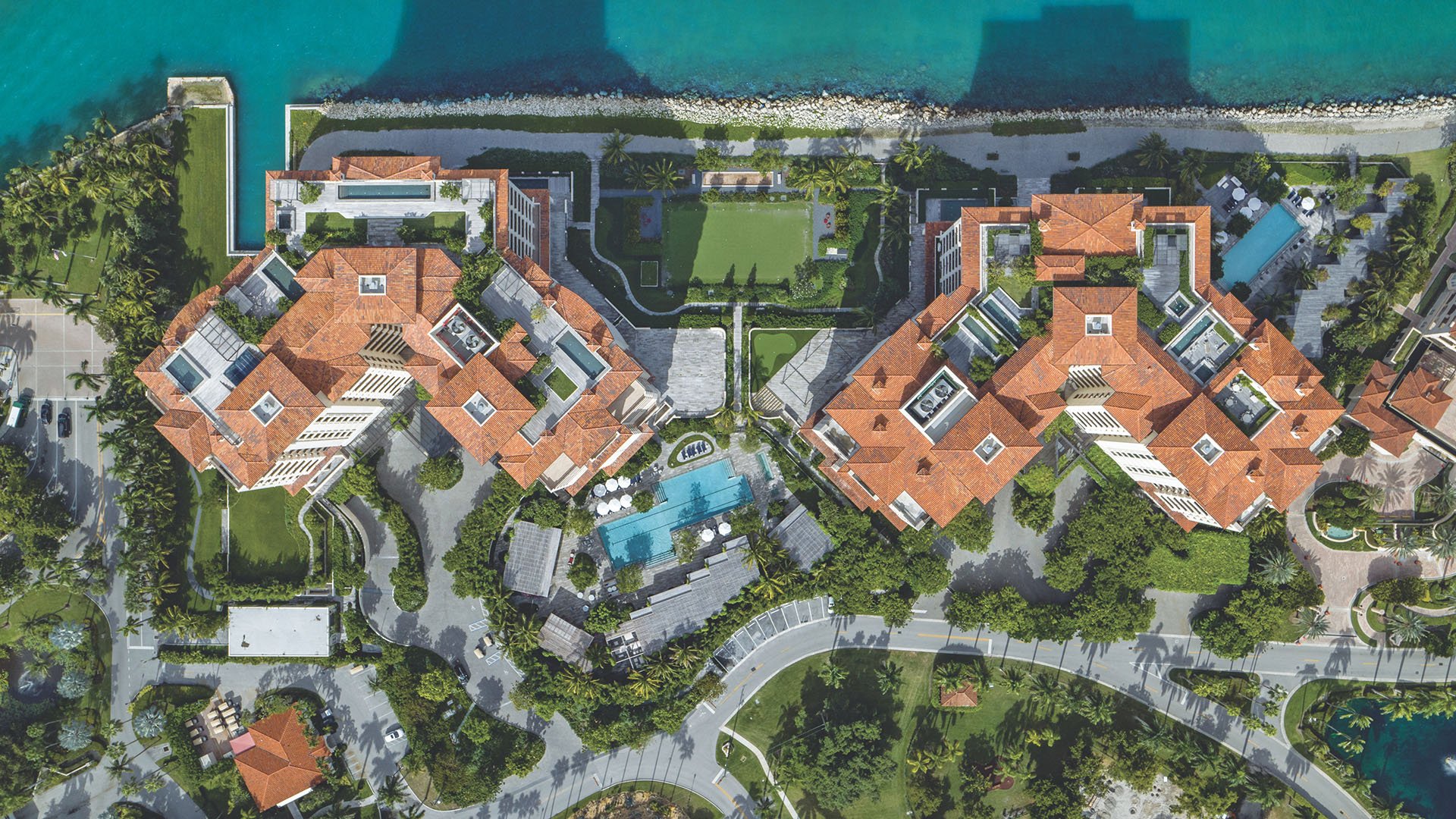
At the highest end of South Florida condominium ownership, the purchase price is only one part of the conversation. At Palazzo della Luna, an ultra-luxury residential condominium on Fisher Island, the recurring cost structure deserves the same scrutiny as the residence itself. Service charges are not simply monthly housekeeping for a building. They are the financial engine behind staffing, insurance, utilities, maintenance, amenities, management, reserves and the daily choreography of private island living.
For a buyer, the right question is not only, “What is the monthly fee?” The more revealing question is, “What assumptions drive that fee, and how likely are those assumptions to change?” That distinction matters in a service-intensive, low-density luxury setting, where common-area expenses may be distributed across a smaller ownership base.
This is where Palazzo della Luna Fisher Island becomes less a conventional condo purchase and more participation in a shared financial enterprise. The elegance is private. The economics are collective.
Before signing off on any acquisition, ask for the current operating budget, year-to-date actuals and the prior two to three years of budgets. The goal is to see not only what is charged today, but how the building has managed change over time.
A polished budget can look orderly in isolation. Actuals show whether line items are tracking as expected. Prior budgets show whether staffing, insurance, utilities, contracts or reserve contributions have been rising gradually, resetting abruptly or remaining relatively stable. The discipline is straightforward: compare the stated monthly charge with the operating reality behind it.
Buyers comparing Fisher Island options such as Palazzo del Sol should ask the same questions across properties, while recognizing that each association may have its own service model, cost allocation and governance culture.
A luxury building budget should be reviewed by category. Staffing is one bucket. Insurance is another. Utilities, maintenance contracts, amenities, management fees and reserves should each be clear enough for a buyer to understand what the building is actually funding.
The staffing line is especially important in a service-led property. Ask which roles are in-house and which are contracted. A building with extensive service expectations may rely on a mix of direct personnel, vendors and management oversight. Each choice can affect consistency, accountability and cost.
Amenity costs also deserve separation from general maintenance. A residence may feel effortless because many lifestyle services are operating in the background. The buyer’s task is to understand which services materially affect service charges, whether those costs are recurring and how they may change if labor, vendor contracts or usage patterns shift.
Fisher Island ownership can involve more than one layer of shared expense. Ask whether the Palazzo della Luna charges cover only the building association or whether separate Fisher Island association, club, ferry or membership costs also apply.
This is not a small distinction. A buyer who focuses only on the condominium line item may miss other recurring obligations that shape the true carrying cost of ownership. Waterfront privacy, controlled access and island services are part of the appeal, but the operating structure must be understood in full.
The same lens applies when comparing The Residences at Six Fisher Island or The Links Estates at Fisher Island. The question is not which name carries the most prestige. It is how each ownership structure allocates cost, service and long-term responsibility.
In South Florida, insurance should never be treated as a background line item, particularly for a high-value coastal condominium. Ask for details on the master insurance program, including windstorm, flood, liability, deductibles, renewal history and any recent premium increases.
The deductible structure matters because it can influence owner exposure after a claim. Renewal history matters because it can reveal whether premiums have been stable, volatile or subject to meaningful repricing. Buyers should also ask whether the current budget reflects renewed policies or assumptions that could change during the next budget cycle.
In any pricing-and-trends conversation, insurance is one of the clearest examples of why headline monthly charges can be misleading. A budget that looks efficient today may be more vulnerable if major insurance assumptions are due for renewal.
Reserve funding is the difference between preparing gradually for future capital work and potentially relying on special assessments. Ask for the latest reserve study, reserve balances, funding schedule and any board discussion of upcoming capital projects.
This is not about expecting problems. It is about understanding whether the association is planning with discipline. In a high-touch building, future capital needs can involve building systems, finishes, common areas, amenities and exterior components. A well-considered reserve approach gives owners more visibility. A thin or unclear reserve strategy raises the importance of additional legal and financial review.
Buyers should also ask about operating shortfalls, litigation, deferred maintenance and pending vendor contract renewals. Any of these can influence future assessments or budget increases.
The best-run luxury condominiums do not rely only on design, privacy or amenities. They rely on transparent governance. Buyers should understand how budgets are approved, how owners are informed, how vendor decisions are made and whether management provides clear explanations when costs change.
At Palazzo della Luna, the service-charge conversation should feel as elevated as the architecture. Clear documents, direct answers and coherent assumptions are all part of the ownership experience. The more refined the lifestyle, the more important it is to understand the financial machinery supporting it.
What should I ask first about Palazzo della Luna service charges? Ask for the current operating budget, year-to-date actuals and the prior two to three years of budgets.
Is the monthly fee enough to evaluate carrying costs? No. The monthly fee matters, but the assumptions behind staffing, insurance, reserves and contracts matter more.
Why are reserves important in a luxury condominium? Reserves help fund future capital work gradually and may reduce reliance on special assessments.
What insurance details should a buyer request? Ask about windstorm, flood, liability coverage, deductibles, renewal history and recent premium increases.
Can Fisher Island costs be separate from building charges? Yes. Buyers should ask whether island association, club, ferry or membership costs are separate obligations.
Why does staffing affect service charges? A service-intensive building may have significant staffing and vendor costs that shape the operating budget.
Should amenity costs be reviewed separately? Yes. Separating amenity costs from general maintenance helps identify which lifestyle services drive fees.
What could lead to future assessments? Operating shortfalls, deferred maintenance, litigation, capital projects or vendor renewals may affect future costs.
How should a buyer compare Palazzo della Luna with other Fisher Island properties? Compare budgets, reserves, insurance assumptions, service models and any separate island-wide obligations.
What is the central mindset for ownership here? Treat the residence as private luxury, but the building as a shared financial enterprise requiring careful review.
When you're ready to tour or underwrite the options, connect with MILLION.
If branded residences are on your mind — as a home or as an allocation — we would be glad to share what we are seeing, privately.
Begin a quiet conversation