A buyer-focused due diligence guide for comparing boutique waterfront, mixed-use island, and branded residence formats across South Florida luxury real estate.
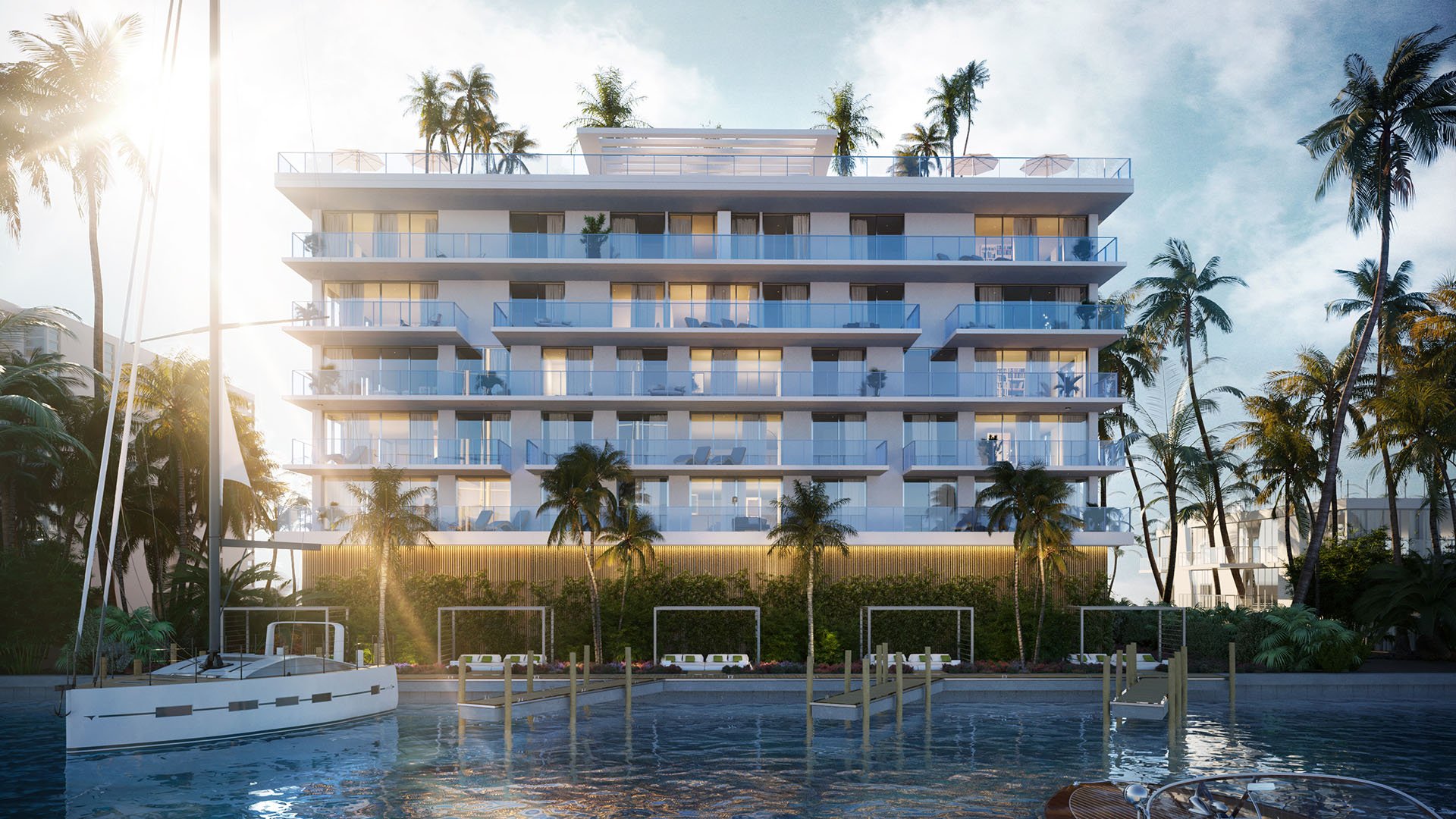
The most sophisticated South Florida condominium buyers do not begin with a lobby rendering, a champagne presentation, or the most dramatic sunset view. They begin with the ownership model. A boutique waterfront building in Bay Harbor Islands, a mixed-use island project in North Bay Village, and a branded residence in Fort Lauderdale may all belong to the same luxury search, but they should not be evaluated through the same questions.
That distinction matters when comparing Origin Bay Harbor Islands, Shoma Bay North Bay Village, and The Ritz-Carlton Residences® Fort Lauderdale. Each suggests a different rhythm of ownership. One centers on waterfront scarcity and neighborhood scale. One requires buyers to understand a broader redevelopment setting. One introduces the added discipline of branded-residence governance, service expectations, and long-term brand continuity.
For a buyer using Bay Harbor, North Bay Village, Fort Lauderdale, and new-construction search lenses, the question is not simply which residence feels most impressive today. It is which structure offers the clearest daily use, the most transparent cost profile, and the most durable resale logic after turnover.
For a Bay Harbor Islands waterfront option such as Origin, the first question is whether the buyer is truly underwriting scarcity or simply purchasing a waterfront address. Serious buyers should ask how the residence is positioned within the neighborhood, how bay exposure may influence value, and whether nearby redevelopment or zoning changes could affect privacy, views, or resale perception.
The second question is execution. Renderings have value, but they are not a substitute for the full track record of the developer, architect, contractor, and construction team. Buyers should ask who is responsible for delivery, what comparable work they have completed, and how construction risk is addressed in the contract and disclosures.
The third question is resilience. Waterfront ownership in South Florida requires clear answers on flood-zone status, elevation, storm-hardening features, impact glass, waterproofing, drainage, and generator coverage. These are not technical afterthoughts. They shape insurance assumptions, operating comfort, and long-term buyer confidence.
Finally, review the rights that affect daily use. Rental rules, pet rules, parking rights, storage rights, dock or marina rights, and any limitations within the declaration can change the practical value of a residence. A buyer focused on investment value should treat those details as part of the asset, not as closing paperwork.
A project like Shoma Bay should be studied through two lenses at once: the building itself and the wider trajectory of North Bay Village. Buyers should ask how surrounding redevelopment, traffic, infrastructure, public services, and neighborhood amenities may evolve before and after completion. The island context can be a powerful part of the thesis, but it requires patience and precision.
The mixed-use question is equally important. If residential, retail, hospitality, or other uses share parts of the property, buyers should ask how those components affect privacy, elevator access, parking, service loading, noise, staffing, operating expenses, and association governance. The most beautiful amenity deck can feel very different depending on who has access, how it is staffed, and how costs are allocated.
Buyers should request a detailed explanation of HOA or condominium fees, shared-cost allocations, commercial and residential cost separation, reserve assumptions, insurance models, and special-assessment risk. At a luxury price point, vague answers about future budgets should not be acceptable.
Rental policy also deserves close attention. Minimum lease periods, short-term rental restrictions, investor concentration, and financing implications can all influence building character. A residence that feels serene in a sales gallery can operate very differently if its governing documents allow a high level of transient use.
A branded residence calls for a different level of inquiry. In Fort Lauderdale, buyers considering a residence with Ritz-Carlton branding should ask what the brand relationship actually controls, which services are included, which are optional, and how management fees are calculated. The brand may influence service culture, buyer expectations, and resale language, but the documents determine the owner’s obligations.
The essential questions are contractual. How long does the brand agreement last? What happens if it changes? Which services are guaranteed, which are subject to association approval, and which may be adjusted after turnover? Are rental rules aligned with the brand promise and the privacy expectations of full-time owners?
This is not skepticism. It is stewardship. Branded residences can be compelling when governance, service delivery, and cost allocation are aligned. They can become more complicated when buyers focus only on the name and not the framework supporting it.
Across all three formats, buyers should compare purchase price against total cost of ownership. That includes insurance, property taxes, monthly fees, reserves, parking, storage, marina-related costs where applicable, closing costs, and future association obligations. A lower purchase price with opaque operating expenses may be less attractive than a higher price with a disciplined, transparent budget.
For Origin and Shoma Bay, buyers should request written evidence of deposit structure, escrow protections, cancellation rights, construction milestones, estimated completion timing, and remedies for delay. These details are especially important in the pre-construction context, where time, cost, and delivery risk are part of the transaction.
The budget should also distinguish between developer-period estimates and post-turnover reality. Staffing, insurance, waterfront upkeep, reserves, maintenance, and shared systems often become more revealing after residents control the association. Before contract signing, a buyer should understand not only today’s projected fee, but what that fee is designed to support.
The final step is document discipline. Before choosing any South Florida waterfront residence, counsel should review the condominium documents, sales contract, budget, reserve structure, developer disclosures, and use restrictions. This is where lifestyle claims become enforceable rights, or fail to.
For a boutique waterfront residence, the emphasis may be on view corridors, dock or marina rights, waterfront maintenance, and neighborhood redevelopment. For a mixed-use project, it may be on shared-cost allocations, access control, commercial separation, and governance. For a branded residence, it may be on brand-license terms, management obligations, service standards, and what happens if the brand framework changes.
The best buyers ask these questions early, while they still have leverage. By the time finishes, furniture packages, and preferred exposures dominate the conversation, the most important ownership details may already be set.
What is the first question a serious buyer should ask? Ask what ownership model the residence uses and how that model affects daily life, costs, governance, and resale.
Why does Origin Bay Harbor Islands require waterfront-specific diligence? Buyers should examine bay exposure, flood considerations, storm-hardening features, waterfront upkeep, and nearby redevelopment risk.
What makes Shoma Bay North Bay Village different from a conventional condo? Its evaluation should include both the project and the broader North Bay Village redevelopment context, including infrastructure and services.
What should buyers ask about mixed-use components? Ask how privacy, elevators, parking, loading, noise, amenity access, expenses, and governance are separated and controlled.
How should a branded residence be evaluated? Buyers should review brand terms, service obligations, management fees, rental policies, and what happens if the brand agreement changes.
Why are deposit and escrow terms important? They clarify buyer protections, cancellation rights, construction milestones, estimated timing, and remedies if delivery is delayed.
Should buyers focus more on purchase price or monthly costs? Both matter, but total cost of ownership gives a clearer view of taxes, insurance, reserves, parking, storage, and future fees.
Are rental rules important for resale? Yes. Lease restrictions, investor concentration, and short-term rental rules can affect building character, financing, and buyer demand.
Who should review condominium documents? Qualified counsel should review the sales contract, declaration, budget, reserves, disclosures, and use restrictions before commitment.
When should due diligence begin? It should begin before reservation or contract signing, while the buyer can still negotiate, ask for clarity, or walk away.
For a discreet conversation and a curated building-by-building shortlist, connect with MILLION.
If branded residences are on your mind — as a home or as an allocation — we would be glad to share what we are seeing, privately.
Begin a quiet conversation