A discreet buyer’s guide to Bal Harbour, focused on privacy cues, building culture, arrival choreography, and how to compare oceanfront and nearby boutique residences.
For a buyer seeking a quieter social profile, Bal Harbour is less about withdrawing from South Florida than choosing the right volume. The appeal is not isolation. It is access without theatre, service without spectacle, and an address that supports a sophisticated life while allowing the owner to remain measured in public view.
In this market, the most important questions rarely stop at square footage or views. A low-profile buyer should study how a residence is approached, how many people share the arrival experience, how amenities are used, how staff protect privacy, and whether the building culture feels calm or performative. Oceanfront ownership may be the dream, but quiet ownership is shaped by operational detail.
Bal Harbour also sits within a broader north-beach luxury corridor, so the strongest search may include Surfside and Bay Harbor Islands when discretion matters more than social visibility. In the buyer brief, words such as Boutique, Oceanfront, service, access, and Resale should function as lifestyle filters, not merely search terms.
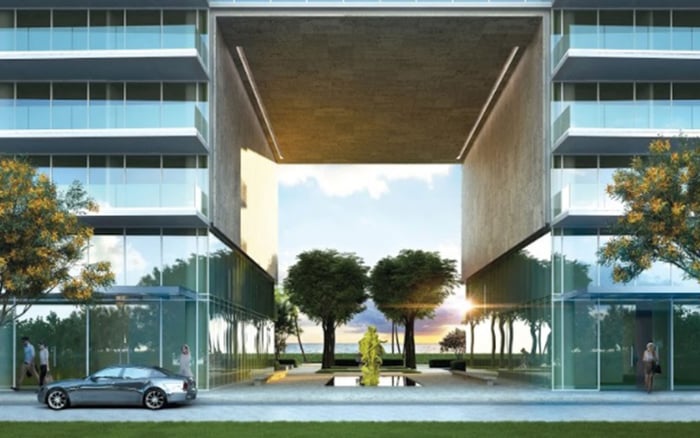
Begin with arrival. A building’s privacy is often revealed before the front door opens. Consider the street approach, porte cochere rhythm, visibility of valet activity, lobby scale, and distance from car to elevator. The most discreet buildings make movement feel effortless and unobserved.
Next, consider elevator culture. Private or semi-private elevator access can reduce casual exposure, but the larger point is predictability. A smaller resident population, disciplined staffing, and restrained common areas often matter more than an amenity menu designed to impress guests.
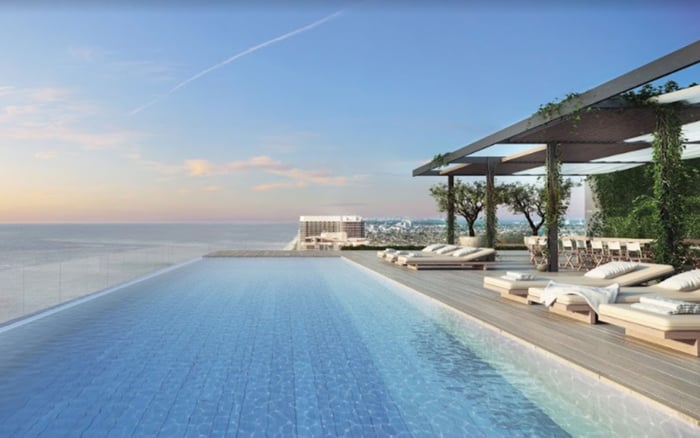
Then study amenity placement. Pools, lounges, wellness areas, and beach access points can either support privacy or create unnecessary social overlap. A quiet-profile buyer should ask when amenities are busiest, how guest access is managed, and whether service paths are separated from resident circulation.
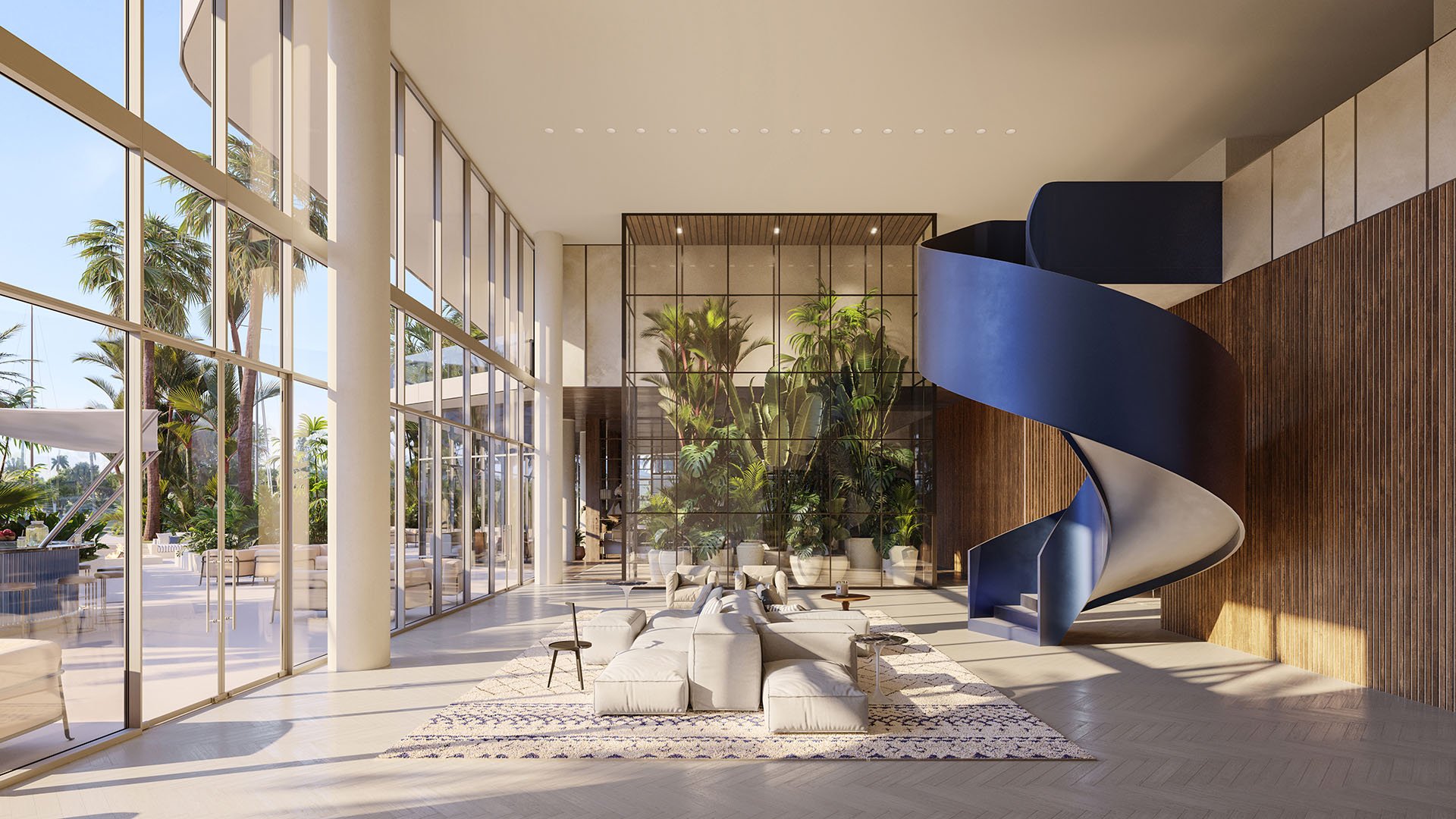
Finally, read the building’s social tone. Some condominiums feel club-like. Others feel residential in the most traditional sense. Neither is objectively better, but buyers seeking a lower social profile generally prefer buildings where staff can be attentive without making ownership feel public.
Bal Harbour’s oceanfront setting is the obvious draw, yet the most discreet oceanfront purchase is not always the most prominent one. A highly visible residence may offer dramatic views while also increasing the chance of social exposure through busier lobbies, broader guest traffic, or more active amenity zones.
For buyers who want a refined oceanfront posture, Rivage Bal Harbour belongs in the conversation because it represents the type of address buyers often evaluate when they want the Bal Harbour lifestyle through a contemporary lens. The question is not only whether the residence is beautiful. It is whether its daily choreography aligns with the owner’s desired privacy.
By contrast, an established building can sometimes provide a quieter rhythm because the resident culture is already formed. Oceana Bal Harbour may appeal to buyers who want to compare the feel of an existing oceanfront environment with newer residential offerings. In any case, touring at different times of day is essential. Morning, late afternoon, and weekend behavior can reveal far more than a polished showing.
A discreet Bal Harbour search should not become too literal. The buyer who insists on a single municipal boundary may miss nearby options that deliver a similarly refined daily life with a different privacy profile. Surfside can offer proximity to Bal Harbour while creating a slightly different residential mood, especially for buyers who want luxury without feeling centered in the most recognizable address.
For example, The Delmore Surfside can be part of a comparison set for buyers studying how scale, access, and residential atmosphere differ just beyond Bal Harbour. The point is not to trade down in prestige. It is to identify where personal discretion and architectural quality overlap most naturally.
Bay Harbor Islands may also deserve attention for buyers who prioritize quiet circulation, neighborhood feel, and a less oceanfront-forward public identity. Bay Harbor Towers can help frame that alternative, particularly for buyers who want proximity to Bal Harbour without placing the beach at the center of every day.
In ultra-prime South Florida, service quality is often treated as a luxury amenity. For the low-profile buyer, it is also a privacy instrument. The best service teams understand recognition without familiarity, responsiveness without overexposure, and hospitality without gossip.
Ask how deliveries are handled, how visitors are announced, how contractors are managed, and how beach or pool requests are coordinated. A well-run building should be able to describe these protocols clearly. If the answers feel improvised, privacy may depend too heavily on individual staff members rather than institutional discipline.
A private buyer should also ask about guest patterns. Does the building feel residential, seasonal, investor-heavy, or socially active? Are amenity areas used mostly by owners, family members, or a rotating mix of visitors? These questions are not intrusive. They are part of understanding whether the building’s rhythm will protect a quieter life.
A discreet acquisition should be managed with a narrow field of exposure. Buyers should avoid casual, scattered showings and instead build a controlled shortlist. Each building visit should have a purpose: arrival, privacy, light, staff interaction, amenity circulation, and exit.
Do not judge too quickly from the model residence or the most photogenic view. Stand in the lobby. Watch how residents move through the building. Notice whether the staff is calm or performative. Walk the route from car to elevator, from residence to pool, and from residence to beach. The quieter building usually reveals itself through ease.
For Resale opportunities, privacy diligence should include the seller’s showing protocol. A residence that is heavily marketed, frequently shown, or staged for broad attention may not align with a buyer’s preferred social posture. The most elegant transaction is often the one that feels almost uneventful.
A Bal Harbour buyer seeking discretion should rank properties through five lenses: arrival privacy, resident density, service maturity, amenity exposure, and long-term fit. Views and finishes remain important, but they should not overpower the operational reality of living there.
The right purchase will feel calm before it feels impressive. It will allow the owner to entertain selectively, move through the building without friction, and enjoy the water, shops, dining, and neighborhood access without becoming part of a public narrative. In Bal Harbour, true luxury is often the freedom to be present without being noticed.
Is Bal Harbour a good fit for a low-profile buyer? Yes. It can suit buyers who want luxury access, oceanfront living, and a polished setting without necessarily choosing a highly public social lifestyle.
Should I focus only on oceanfront buildings? Not always. Oceanfront can be exceptional, but a quieter profile may also depend on arrival design, staff discipline, and resident culture.
Is Surfside a reasonable alternative? Yes. Surfside can broaden the search while keeping the buyer close to Bal Harbour and the surrounding luxury corridor.
Why consider Bay Harbor Islands? Bay Harbor Islands may appeal to buyers who prefer a neighborhood rhythm and less public beachfront identity while staying nearby.
What is the most important privacy feature? Arrival choreography is critical. The path from vehicle to residence often reveals how discreet daily life will feel.
Are larger amenity packages better? Not necessarily. A low-profile buyer should value amenity privacy, scheduling discipline, and calm usage over sheer quantity.
Should I buy new or Resale? Both can work. Newer residences may offer modern planning, while Resale buildings can reveal an established resident culture.
How many buildings should I tour? A focused shortlist is best. Too many showings can dilute judgment and increase unnecessary exposure.
Can I entertain while staying discreet? Yes. The right residence should allow selective entertaining without making guests, staff, or neighbors central to the experience.
What should my final decision come down to? Choose the building that feels calm, well-managed, and aligned with how you actually want to move through daily life.
For a confidential assessment and a building-by-building shortlist, connect with MILLION.
If branded residences are on your mind — as a home or as an allocation — we would be glad to share what we are seeing, privately.
Begin a quiet conversation