A practical comparison of Bay Harbor Towers and Shoma Bay North Bay Village for buyers focused on parking rights, EV charging readiness, and private-driver logistics.

For South Florida’s upper-tier condominium buyer, the comparison between Bay Harbor Towers and Shoma Bay North Bay Village is not only about skyline, water, or the emotional pull of a lobby arrival. The more durable question is operational: how will ownership function on an ordinary Tuesday morning, a Friday night departure, or a seasonal weekend when guests, drivers, service providers, and vehicles converge at once?
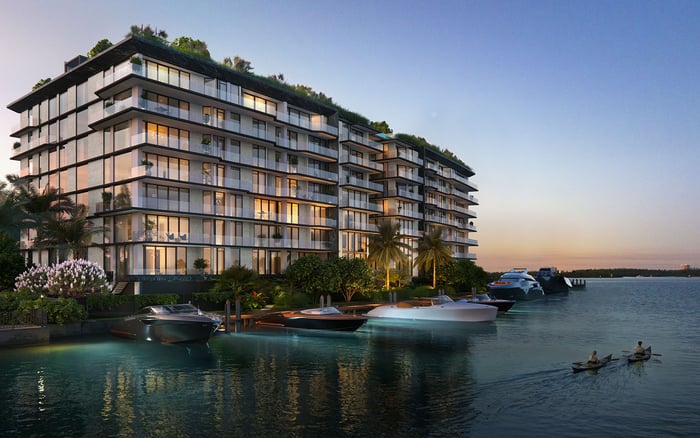
Bay Harbor Towers is the Bay Harbor Islands property in this comparison, framed as an established bayfront building. Shoma Bay is the North Bay Village property, framed as a new-construction mixed-use tower. That distinction matters because established buildings and new-construction towers often carry different buyer expectations, even before one reviews the governing documents. One may appeal to a buyer who values a known residential rhythm. The other may attract a buyer who wants a contemporary ownership environment shaped around newer patterns of urban living.
The practical buyer question behind both is simple: what exactly is being purchased beyond the residence itself? Parking rights, EV charging potential, and private-driver logistics are not decorative details. They affect convenience, resale confidence, household staffing, guest management, and the way the residence supports a high-mobility lifestyle.
Bay Harbor Towers carries the vocabulary of an established bayfront building in Bay Harbor Islands. For many buyers, that suggests a certain residential maturity: a setting where the building’s daily patterns may already be legible, and where the relationship among owners, staff, vehicles, and waterfront arrival has evolved over time. The appeal is not necessarily novelty. It is continuity.
In an established building, the parking conversation should begin with precision. Buyers should confirm whether spaces are assigned, deeded, limited common elements, licensed, or governed through another structure. The distinction can influence transferability, value perception, financing review, and how a future buyer assesses the apartment. A parking space that feels simple during a showing can become complex if its legal status is not fully understood before contract.
EV charging requires the same discipline. A buyer should not assume that an established bayfront address automatically accommodates every charging preference. The right questions include whether charging is already available, whether installation is permitted, what approvals are required, how electrical capacity is handled, and who bears costs for upgrades or maintenance. None of those points should be left to verbal comfort.
For a private-driver household, the question is less about glamour and more about choreography. Where does a driver wait? How does pickup occur during peak building activity? What is the protocol for short stops, guest arrivals, deliveries, and service vehicles? The best answer is found in building rules and actual building practice, not in assumption.
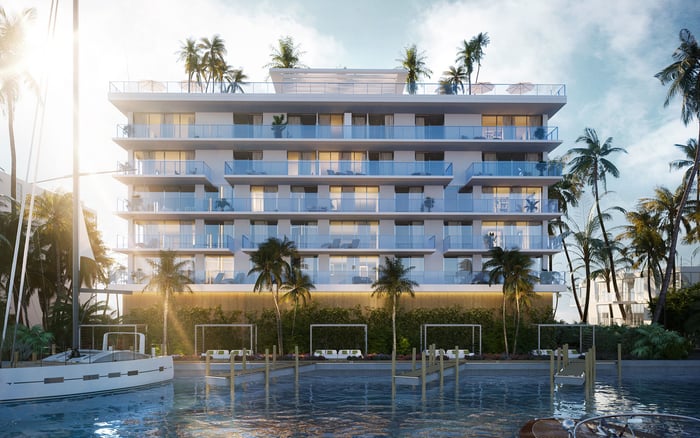
Shoma Bay North Bay Village introduces a different context. It is framed as a new-construction mixed-use tower in North Bay Village, which can appeal to buyers who want a contemporary building environment and a broader lifestyle composition around the residence. Mixed-use living can add energy, convenience, and a more urban cadence, but it also makes access planning especially important.
In a new-construction setting, buyers often look for forward-looking infrastructure. That may include expectations around EV readiness, modern access control, valet flow, and coordinated arrival experiences. Yet expectations are not the same as rights. The buyer’s task is to separate design intent from binding ownership documentation.
Parking should be reviewed at the level of purchase documents, condominium documents, and any available disclosure materials. If a buyer needs more than one vehicle accommodated, requires guest flexibility, or plans to maintain a vehicle for seasonal use, the details become central. A beautiful residence can feel inefficient if the parking framework does not match the household’s actual usage.
Private-driver logistics also require special attention in a mixed-use context. The buyer should understand how residential arrivals are separated or coordinated with other uses, how drop-offs are managed, and whether peak periods may affect ease of movement. These are not objections to mixed-use living. They are the questions sophisticated buyers ask before committing.
Luxury buyers often ask about views first and parking second. In practice, parking may deserve equal weight. The reason is not merely convenience. Parking rights can shape a residence’s day-to-day usability, especially for households with multiple vehicles, visiting family, a private driver, or seasonal patterns between South Florida and another primary home.
At Bay Harbor Towers, the established bayfront character makes it important to verify the current structure of parking rights rather than rely on general building reputation. At Shoma Bay, the new-construction mixed-use identity makes it important to understand precisely what is being conveyed and what remains subject to association rules, developer documents, or future building operations.
A serious buyer should ask for clear answers to several questions. How many spaces are included with the residence? Are those rights permanent, transferable, or tied to the unit in a specific legal form? Are there restrictions on vehicle size, overnight guests, valet use, or storage? What happens if an owner wants an additional space later? The value of the answer depends on its documentation.
This is where the language of resale and new-construction becomes useful. Bay Harbor Towers may be approached through the resale lens, where existing practices and prior transfers can help frame expectations. Shoma Bay may be approached through the new-construction lens, where buyers should focus on what the offering documents and final building rules provide.
EV charging is increasingly part of the luxury ownership conversation, but the correct question is not simply whether charging exists. The more refined question is whether the charging framework matches the buyer’s pattern of use. A household with one EV used daily has different needs from a seasonal owner who wants periodic charging, or a collector who may require predictable access for more than one vehicle.
For Bay Harbor Towers, buyers should confirm whether charging is permitted, whether any infrastructure already serves owners, and what approvals would be needed for future installation. In an established building, the practical constraints may involve association policy, electrical capacity, insurance, cost allocation, or installation logistics.
For Shoma Bay North Bay Village, the new-construction context may create an expectation of more contemporary planning. Still, the buyer should confirm how charging access is structured, whether it is tied to specific spaces, whether shared stations are contemplated, and how costs are measured. The distinction between EV-ready, EV-capable, and EV-installed can be meaningful.
EV readiness can also influence future liquidity. Buyers entering the market over the next decade may treat charging access less as a novelty and more as baseline infrastructure. That does not mean every building must solve it the same way. It means the buyer should understand the solution before assigning value.
Private-driver logistics rarely appear in glossy conversations, yet they are often the clearest test of whether a building supports a buyer’s lifestyle. For some owners, the car is a possession. For others, mobility is a managed service involving drivers, assistants, security considerations, airport timing, and guest coordination.
At Bay Harbor Towers, the bayfront residential character places emphasis on how the building handles arrival and waiting in practice. Does the setting support discreet pickup? Are there rules around idling, temporary stopping, or staff access? How does the building manage busy moments when multiple owners are arriving or leaving?
At Shoma Bay, the mixed-use dimension makes the same questions equally important, though framed differently. A private-driver household should understand the relationship between residential arrival, other building activity, and surrounding traffic patterns. The ideal experience is not simply a porte cochere or a stylish entrance. It is a predictable sequence from curb to elevator and back again.
For portfolio shorthand, a buyer may write Bay Harbor beside Bay Harbor Towers and North Bay Village beside Shoma Bay, but the real decision should be more granular. The right building is the one whose rules, physical layout, and operating culture support the owner’s actual arrival pattern.
Bay Harbor Towers may resonate with the buyer who wants an established bayfront address in Bay Harbor Islands and is prepared to evaluate the existing building framework carefully. That buyer may prioritize residential continuity, water orientation, and the familiarity that can come with a mature condominium environment.
Shoma Bay may resonate with the buyer drawn to new-construction mixed-use living in North Bay Village. That buyer may value a more contemporary setting and be comfortable reviewing the final operational details that govern a new tower’s daily life.
Neither profile is inherently superior. The deciding factor is alignment. If an owner drives personally every day, parking location and access may dominate. If the owner uses a private driver, staging and pickup protocol may matter more. If the household is moving into an EV future, charging infrastructure may become a long-term ownership criterion.
The polished buyer does not treat these questions as afterthoughts. They are the hidden architecture of comfort.
Is Bay Harbor Towers the Bay Harbor Islands property in this comparison? Yes. Bay Harbor Towers is the Bay Harbor Islands property discussed here.
Is Shoma Bay the North Bay Village property in this comparison? Yes. Shoma Bay is the North Bay Village property in this comparison.
How is Bay Harbor Towers characterized for buyers? It is framed as an established bayfront building in Bay Harbor Islands.
How is Shoma Bay characterized for buyers? It is framed as a new-construction mixed-use tower in North Bay Village.
Should buyers assume parking rights are the same in both buildings? No. Parking rights should be verified through the applicable purchase and building documents.
Is EV charging something buyers should confirm before contract? Yes. Buyers should confirm availability, permissions, costs, and any approval requirements.
Why do private-driver logistics matter in a luxury condo purchase? They affect pickup, waiting, guest arrival, and the daily ease of moving through the building.
Is an established building automatically easier for parking? Not automatically. The advantage is only clear after reviewing the building’s actual rules and rights.
Is a new-construction tower automatically better for EV charging? Not automatically. Buyers should distinguish expectations from documented infrastructure and rights.
What is the best practical next step before choosing? Review parking, EV, and access documents with the same seriousness as views, floor plan, and price.
If you'd like a private walkthrough and a curated shortlist, connect with MILLION.
If branded residences are on your mind — as a home or as an allocation — we would be glad to share what we are seeing, privately.
Begin a quiet conversation