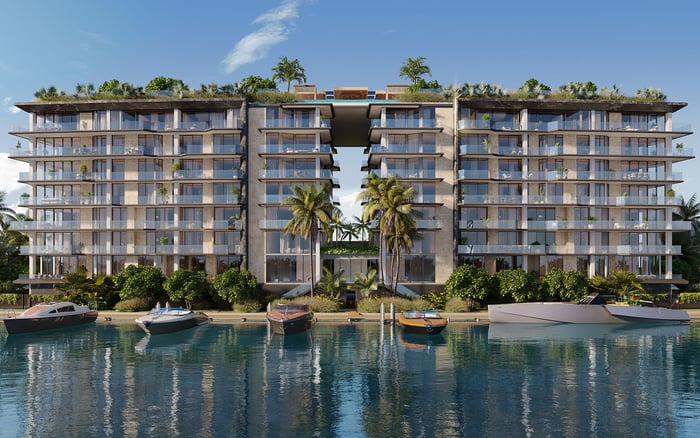
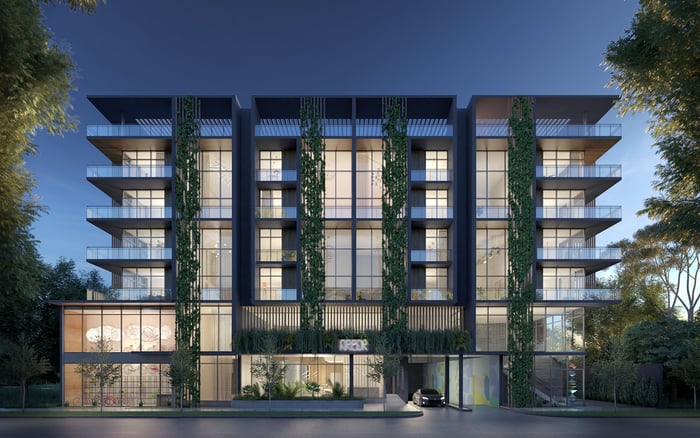
A practical due diligence framework for comparing boutique Bay Harbor waterfront living with the larger luxury community experience of Coconut Grove.
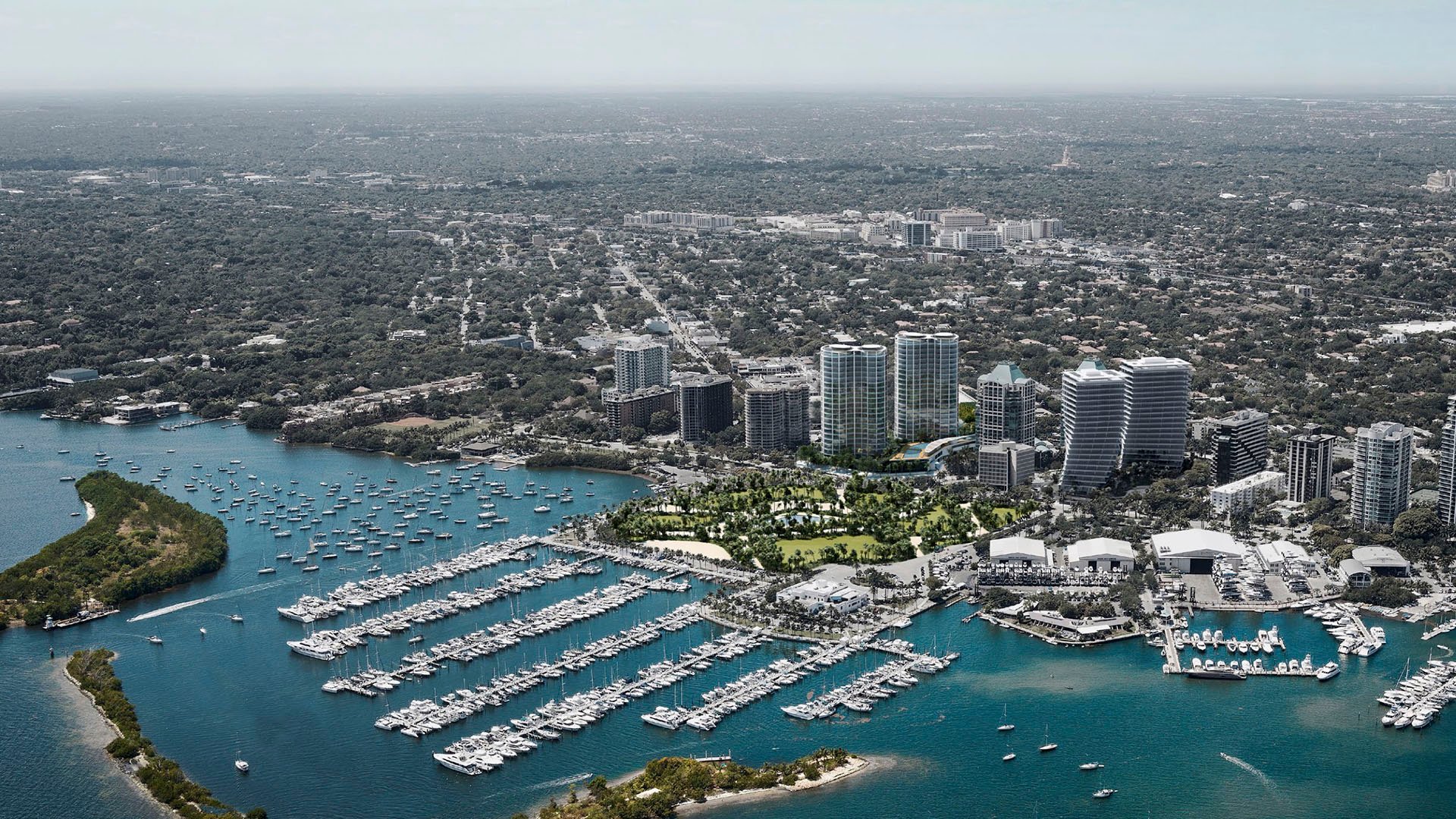
For sophisticated South Florida buyers, the choice between a residence like Onda Bay Harbor and Park Grove Coconut Grove should begin with a disciplined ownership thesis. This is not simply a question of water views, finishes or arrival sequence. It is a 10- to 20-year decision about privacy, building durability, association governance, daily convenience and future liquidity.
Onda Bay Harbor is a reference point for buyers considering luxury waterfront living in Bay Harbor Islands. Park Grove Coconut Grove is a reference point for those considering a larger luxury residential environment in Coconut Grove. Both may appeal to buyers who want an elevated Miami lifestyle, but they ask different things of the owner. The more serious the buyer, the less useful a simple price-per-square-foot comparison becomes.
The strongest acquisitions usually begin with a clear filter: will this building continue to support the way I want to live, manage risk and resell in a changing market years from now?
At a boutique waterfront property, the first questions should focus on the implications of smaller scale. A more intimate residential experience can support discretion and ease, but buyers should ask how that scale affects staffing, service depth, amenity breadth, maintenance costs and the number of future resale buyers. Privacy has value, but it should be measured against operational resilience.
At a larger luxury community, the questions shift. Buyers should study how the tower layout, amenity program and association structure affect daily life. A broader amenity package may create a resort-like cadence, but it can also shape ongoing costs, staffing obligations and long-term capital planning.
For a Bay Harbor buyer comparing Onda with other island options, the same scrutiny should apply if the search widens to residences such as La Maré Bay Harbor Islands. In Coconut Grove, a buyer studying Park Grove may also use projects such as Arbor Coconut Grove as reference points for how scale, neighborhood rhythm and daily usability vary from building to building.
Waterfront ownership in South Florida demands a technical conversation before it becomes an emotional one. Buyers should request documentation on construction quality, hurricane resilience, waterproofing, glazing systems and building-envelope performance. Marketing language can create confidence, but documentation is what supports it.
The key issues are predictable: storm surge exposure, salt air, humidity, sea-level risk and exterior maintenance over time. A buyer should ask how the building manages those conditions and how the association budgets for them. In luxury real estate, a view may sell the residence, but the building envelope protects the investment.
This is especially important for buyers who expect a lock-and-leave lifestyle. Security, maintenance access, package handling, valet procedures, housekeeping policies and emergency protocols should be tested in advance. The promise of effortless ownership is only as strong as the systems behind it.
Headline pricing can be seductive, but it is only one line in the acquisition. Serious buyers should compare monthly fees, insurance, property taxes, reserves and potential capital projects before judging value. A residence with a lower apparent entry point may carry a different long-term cost profile than one with higher pricing but stronger reserves or a more predictable maintenance plan.
Association finances deserve particular care. Buyers should review budgets, reserve studies, insurance summaries, meeting minutes, maintenance fees, special-assessment history, building reports and pending litigation disclosures before waiving meaningful due-diligence protections. These documents can reveal whether a building is being managed for the next cycle, not merely the next closing.
Amenity value should also be personal, not abstract. If a buyer will not use a significant portion of a high-service amenity program, those services may represent cost rather than utility. Conversely, the right amenities can meaningfully improve daily life when they align with how the owner actually lives.
A luxury condominium is not only a residence. It is a shared operating structure. Buyers should ask how governance affects maintenance planning, owner control, decision-making speed and assessment risk. The best-designed home can become frustrating if the association structure is unclear, underfunded or slow to respond.
Rules matter as much as amenities. Before making an offer, buyers should understand policies governing leasing, guests, pets, renovations, deliveries, parking, marina or water access and common-area use. These details influence quality of life and resale appeal. A buyer who expects flexibility should confirm that flexibility is actually permitted.
Developer, architect and property-management track record should be evaluated against the pricing of the building. At the upper end of the market, service expectations are not generic. The team behind the building should be consistent with the level of discretion, maintenance and responsiveness buyers expect.
Coconut Grove and Bay Harbor Islands offer different residential rhythms. Coconut Grove tends to appeal to buyers who value a lush, village-like Miami setting with proximity to daily neighborhood life. Bay Harbor Islands offers a distinct residential pace, shaped by island intimacy, water exposure and a quieter sense of arrival. Neither is universally better. The right answer depends on how the buyer lives from Monday morning through Sunday evening.
Inside the residence, floor plan and exposure deserve more attention than presentation photography. Buyers should ask whether elevator access, parking, storage, outdoor space, bedroom separation and service flow support their actual routines. A dramatic room can impress in a showing; a well-resolved plan can support years of calm ownership.
Views also require due diligence. Buyers should ask whether views are protected or vulnerable to future development, particularly in waterfront and high-demand urban neighborhoods. A premium view should be assessed not only for what it shows today, but for what could change around it.
Resale depth is often overlooked when buyers fall in love with a residence. It should not be. Buyers should ask about recent sales, active listings, days on market, buyer profiles and comparable-unit performance through prior market cycles. Liquidity is not just about whether a home can sell. It is about how many credible buyers may want it when conditions are less forgiving.
Boutique buildings may offer scarcity and privacy, but buyers should understand the depth of the resale audience. Larger communities may offer broader recognition and a deeper transaction history, but buyers should still study tower position, floor plan, view corridor and association costs. The most elegant purchase is one that satisfies today’s lifestyle while preserving tomorrow’s optionality.
Waterfront luxury in South Florida rewards patience. The right questions may not make a residence less beautiful, but they will make the decision more durable.
Should buyers compare Onda Bay Harbor and Park Grove only by price per square foot? No. Price per square foot should be weighed against fees, insurance, reserves, taxes, amenities, maintenance exposure and long-term liquidity.
Why does building scale matter in a luxury condominium? Scale can affect privacy, staffing, amenity depth, association costs and the likely pool of future resale buyers.
What documents should a serious buyer request before making an offer? Buyers should request budgets, reserve studies, insurance summaries, meeting minutes, building reports, assessment history and litigation disclosures.
How should waterfront resilience be evaluated? Ask for documentation on hurricane resistance, waterproofing, glazing systems, building-envelope performance, storm exposure and exterior maintenance planning.
Are high-service amenities always worth the cost? Not necessarily. Amenities should match the owner’s actual lifestyle, because high-service programs can increase ongoing ownership costs.
Why are condominium rules important before purchase? Rules governing leasing, guests, pets, renovations, deliveries, parking and common areas can materially affect daily life and resale appeal.
How should buyers think about views? Buyers should ask whether views are protected or vulnerable to future development, especially in waterfront and high-demand locations.
What makes liquidity important in luxury real estate? Liquidity reflects how confidently a residence may attract qualified buyers when the owner eventually decides to sell.
Does lock-and-leave living require special diligence? Yes. Security, valet, maintenance access, package handling, housekeeping policies and emergency procedures should be reviewed closely.
Is neighborhood rhythm part of due diligence? Yes. Bay Harbor Islands and Coconut Grove support different daily patterns, and the right choice should match the buyer’s real routine.
For a tailored shortlist and next-step guidance, connect with MILLION.
If branded residences are on your mind — as a home or as an allocation — we would be glad to share what we are seeing, privately.
Begin a quiet conversation