A discreet buyer’s guide to comparing Hallandale Beach and Sunny Isles Beach for families balancing school routines, oceanfront living, privacy, and long-term residential comfort.
For buyers with school-age children, the difference between Hallandale Beach and Sunny Isles Beach is less about which shoreline looks more cinematic and more about how each day will unfold. Morning departures, after-school logistics, weekend sports, tutoring, dining, visiting grandparents, beach time, building culture, and the temperament of neighbors matter as much as the view.
Both markets can appeal to affluent families who want access to the water without giving up a sophisticated residential environment. Yet the fit is not identical. Hallandale often reads as more understated and transitional, with a quieter residential cadence and a practical relationship to nearby destinations. Sunny Isles Beach tends to feel more vertically polished, more resort-oriented, and more defined by luxury condominium living directly on or near the ocean.
Buyers often frame the search around Hallandale versus Sunny Isles, then narrow by private-school commute, oceanfront living, new-construction comfort, and the privacy language surrounding Shell Bay by Auberge Hallandale. These are not simply search terms. They are lifestyle filters.
Hallandale Beach can make sense for families who want a coastal address without feeling locked into a fully resort-driven day. The tone is often more relaxed, which can be attractive for parents who want children to have room to decompress after school rather than move from classroom to lobby to formal amenity deck in one continuous performance.
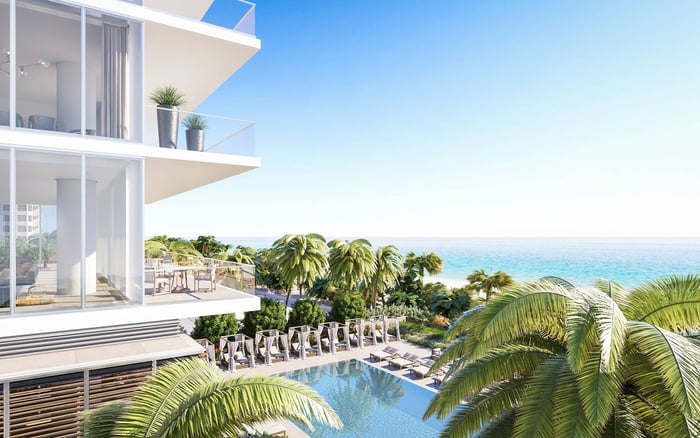
For this buyer, Hallandale is less about being seen and more about being efficiently placed. The appeal is practical elegance: a beach-oriented setting, access to wellness and leisure, and a pace that can feel easier for families managing multiple schedules. A residence such as 2000 Ocean Hallandale Beach fits the buyer who wants the serenity of a refined coastal tower while maintaining a measured, residential sensibility.
Hallandale may also suit families with children at different stages. Younger children often require simpler daily movement: school, home, dinner, sleep. Older children introduce more complexity: friends, practices, test preparation, arts, driving lessons, and independent outings. A calmer home base can become a luxury in itself.
The key is to evaluate the building as a living environment, not just a property. Is the arrival sequence easy with backpacks, sports bags, and visitors? Are common areas elegant without being overly formal? Does the residence offer enough storage, separation, and quiet corners for homework? In family real estate, beauty must cooperate with repetition.
Sunny Isles Beach appeals to families who want a more dramatic expression of coastal condominium life. It is a natural fit for buyers who appreciate a skyline of high-design residences, resort-style service, and an international tone. Children growing up here may experience the beach as an everyday backdrop, not a weekend destination.
For some families, that vertical, amenity-rich lifestyle is ideal. Parents value service, security, valet convenience, pools, fitness environments, and the ability to live in a residence that feels architecturally complete. Buildings such as St. Regis® Residences Sunny Isles speak to buyers who want brand-level service culture and a highly curated residential experience.
Sunny Isles can be especially compelling for families who entertain often or host relatives from abroad. A well-run tower can simplify hosting, with guest-friendly arrival, polished common spaces, and a sense of occasion. For children, that environment can feel exciting and cosmopolitan, especially when the family values culture, travel, restaurants, and waterfront recreation.
The tradeoff is temperament. Some children thrive in active, social buildings. Others need quieter transitions and more informal space. A building that feels glamorous during a showing may feel overstimulating during homework hour if the floor plan and household routine are not well matched.
For families, the school decision should lead the real estate decision. Not the other way around. A beautiful residence can become frustrating if the daily route to school, tutoring, sports, or enrichment creates stress five days a week.
Rather than beginning with prestige alone, parents should map the week. Where is the school? Where are extracurriculars? Who handles morning drop-off? What happens when one parent travels? How long can a child realistically spend in the car before the quality of family life begins to erode?
This is especially important for buyers comparing public, private, religious, international, or specialized education paths. Assignment rules, admissions processes, calendars, and transportation options should be verified directly before a purchase decision. Families relocating from New York, California, Latin America, Europe, or elsewhere should not assume that South Florida routines will mirror what they know.
Hallandale may appeal to families seeking a slightly more flexible base for movement in multiple directions. Sunny Isles may appeal to families whose desired school and social geography already aligns with the northeast coastal corridor. Neither is universally better. The better choice is the one that makes Monday morning feel controlled.
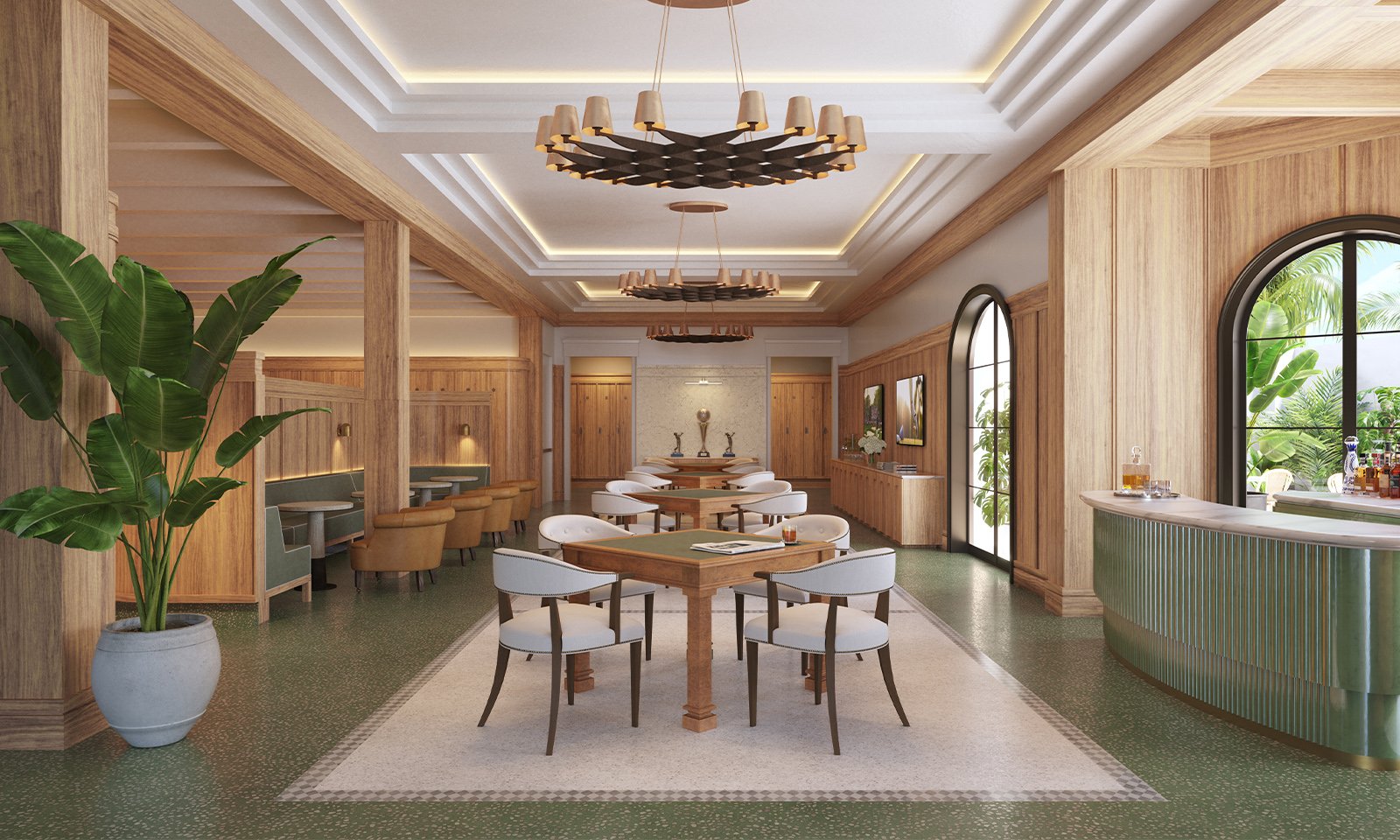
Luxury amenities are often marketed to adults, but their usefulness changes when children are involved. A lap pool, spa, private dining room, screening room, club lounge, and fitness center can be excellent, but families should ask which features will actually support daily life.
For younger children, practical amenities matter: shaded outdoor areas, easy elevator access, pool rules that feel family-compatible, stroller storage, and a staff culture that is warm without being intrusive. For tweens and teens, the building’s social tone becomes more important. Are there other families? Is the environment welcoming to supervised independence? Can a teenager meet a friend downstairs without turning the lobby into a stage?
Sunny Isles often has the advantage of a robust luxury-tower ecosystem. Bentley Residences Sunny Isles, for example, belongs to a category of branded, design-forward residences that appeals to buyers who want a strong identity and a high-service environment. For a family, that identity must still translate into ease.
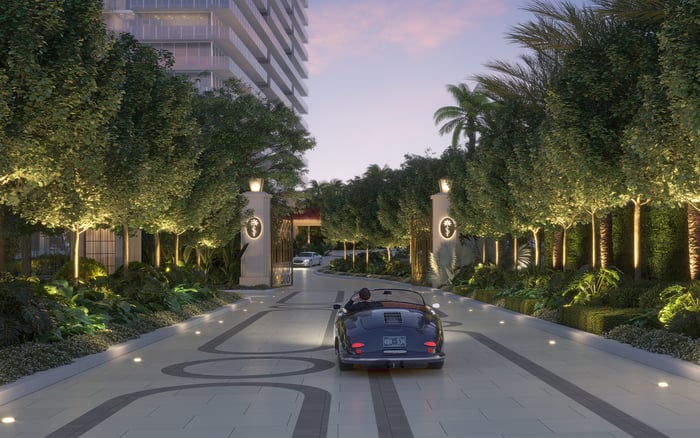
Hallandale, by contrast, can feel more discreet. The family looking here may prefer privacy, controlled density, and a quieter social canvas. This can be particularly attractive for buyers who want their children to have a coastal life without home feeling like a hotel.
Even when the purchase is emotionally driven, family buyers should think several years ahead. Children grow quickly, and a floor plan that works for elementary school may feel compressed during the teenage years. Bedroom separation, acoustic privacy, bathroom count, service access, storage, and flexible dens are not secondary details. They are the architecture of domestic calm.
Sunny Isles may hold particular appeal for buyers who value recognizable luxury addresses, oceanfront visibility, and a condominium culture that attracts global attention. The Ritz-Carlton Residences® Sunny Isles reflects the kind of branded residential environment many buyers associate with service, refinement, and long-term desirability.
Hallandale may appeal to those who want to buy into a lifestyle that feels quieter and potentially less saturated by constant prestige signaling. The residence can still be highly refined, but the mood is more private. For families, that distinction can be meaningful.
The most sophisticated buyers do not ask only where they want to live today. They ask where their family can remain graceful as schedules become more complex.
Choose Hallandale Beach if your family values a calmer home base, flexible routines, discretion, and a coastal setting that does not need to announce itself at every turn. It may suit parents who want elegance, but also want children to feel that home is separate from the intensity of South Florida’s luxury scene.
Choose Sunny Isles Beach if your family wants a more polished oceanfront environment, a strong condominium identity, resort-caliber service, and a social atmosphere that feels international and energized. It may suit parents who want a highly curated daily life and children who enjoy a more active residential backdrop.
The right answer is not a city. It is a rhythm. For school-age children, the best address is the one that protects sleep, reduces friction, supports education, and still delivers the beauty that brought the family to the coast in the first place.
Is Hallandale Beach better than Sunny Isles Beach for families? It can be better for families who want a quieter rhythm and more discreet coastal living. The best choice depends on school routes, building culture, and daily logistics.
Is Sunny Isles Beach a good fit for children? Yes, especially for families who want oceanfront condominium living, service, and an international residential atmosphere. Parents should confirm that the building’s rules and amenities match family life.
Should school choice come before choosing a condo? For school-age children, yes. Commute patterns, admissions timing, transportation, and extracurricular routes should shape the search from the beginning.
What should parents look for in a luxury building? Prioritize floor plan separation, storage, elevator convenience, acoustic privacy, pool culture, and staff professionalism. These details matter more over time than a single dramatic view.
Are branded residences practical for families? They can be, particularly when service, security, and maintenance are priorities. Families should make sure the atmosphere feels welcoming to children, not only impressive to adults.
Is oceanfront living worth it with school-age children? It can be deeply rewarding if the daily schedule remains manageable. The beach should enhance family life rather than complicate mornings and evenings.
Which area feels more private? Hallandale often appeals to buyers seeking a quieter and more understated base. Sunny Isles tends to feel more visible, polished, and socially active.
How important is a den or extra room? Very important. A flexible room can become a homework space, guest room, playroom, tutor area, or quiet office as children grow.
Should families buy for today or for the teenage years? They should plan for both. A residence that supports older children, guests, cars, sports gear, and privacy will age more gracefully.
What is the simplest way to decide between the two? Spend a weekday morning and evening in each area, then compare how the routine feels. The better lifestyle is usually the one with less friction.
For a discreet conversation and a curated building-by-building shortlist, connect with MILLION.
If branded residences are on your mind — as a home or as an allocation — we would be glad to share what we are seeing, privately.
Begin a quiet conversation