For Bal Harbour cash buyers, wellness value depends less on an amenity count than on design, operating discipline, privacy, and credible access to care.
For a cash buyer in Bal Harbour, the absence of financing contingencies may simplify one aspect of the transaction, but it does not diminish the need for exacting diligence. A residence can present beautifully while leaving consequential questions unanswered about wellness facilities, long-term operating quality, privacy, and practical access to medical care.
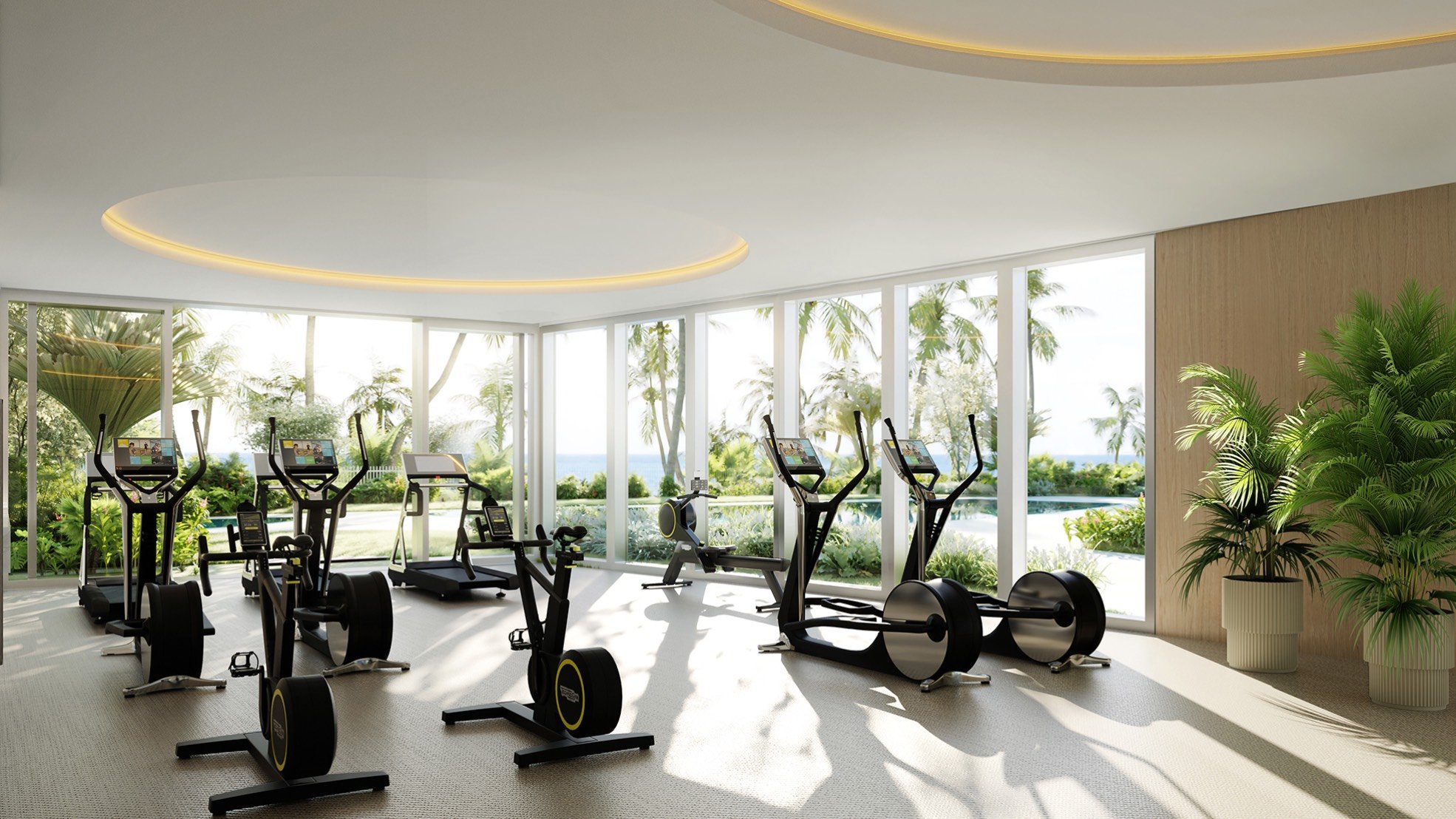
The most useful distinction is between amenities that photograph well and spaces that support a repeatable daily routine. A pool, treatment room, fitness area, sauna, or meditation space has value only when its design, hours, maintenance, capacity, and rules align with the owner’s habits. The sophisticated question is not simply what exists, but whether the amenity can be used comfortably, consistently, and discreetly.
This matters especially in a second-home purchase. Owners arriving for limited periods may prioritize immediate access, straightforward reservations, reliable staffing, and the ability to maintain routines without assembling outside providers for every visit. Full-time residents may place greater weight on peak-hour capacity, guest policies, equipment renewal, noise separation, and the quality of daily management.
A private tour should go beyond finishes. Visit shared spaces at a realistic hour, observe circulation, and note how residents move between their homes and wellness areas. Consider whether wet and dry zones are sensibly separated, whether changing facilities feel private, and whether the experience remains composed when several households use it at once.
Buyers should request current amenity rules, reservation procedures, guest limits, staffing arrangements, maintenance schedules, and details of any planned upgrades. If services depend on an outside operator, clarify the operator’s role, term, fees, and replacement provisions. If offerings are described as personalized, establish what is included, what requires separate payment, and who is responsible for delivery.
Apply the same scrutiny to acoustics, air quality, lighting, temperature control, storage, and cleaning. These details shape lifestyle value more reliably than a long inventory of branded concepts. They also reveal whether wellness is integrated into the property or treated primarily as a sales narrative.
Medical proximity should be evaluated as a route, not a radius. A map cannot show how a trip performs at different times, how building access works when assistance is needed, or whether a preferred physician practices at the facility a buyer has in mind. Cash purchasers should test relevant journeys personally and discuss individual care requirements with their medical advisers.
Begin with the household’s actual priorities: routine appointments, specialist relationships, urgent care, pharmacy needs, rehabilitation, or continuity with an existing care team. Then confirm destinations, typical and alternate routes, appointment procedures, and after-hours protocols directly with the providers involved. Do not assume that a nearby facility offers a particular specialty or level of service without verification.
Building operations deserve equal attention. Ask management how staff handle emergency calls, caregiver access, elevator control, service entrances, deliveries, and temporary mobility needs. These are operational questions, not promises of medical support. Any representation about on-site clinical services, emergency response, or health programming should be documented and reviewed carefully.
Cash can improve certainty and speed, but speed should not compress the review of association records, budgets, reserves, insurance, pending work, litigation, rules, and recent meeting materials. Wellness facilities can carry meaningful costs for staffing, utilities, equipment replacement, waterproofing, ventilation, and specialist maintenance. Buyers should understand how those expenses are funded and whether future upgrades are contemplated.
A useful review separates the residence, the building, and the service layer. For the residence, examine layout, privacy, accessibility, air systems, water exposure, and space for personal equipment or care. For the building, study governance, physical condition, capital planning, security, and the financial treatment of amenity operations. For services, determine which offerings are guaranteed, outsourced, optional, or subject to change.
This discipline also protects resale positioning. Future buyers may value wellness, but they will still scrutinize carrying costs, condition, governance, and usability. An elaborate facility that is difficult to reserve or expensive to sustain may contribute less than a smaller, well-run environment.
Bal Harbour should be assessed against carefully selected alternatives rather than a broad market average. Within the immediate area, Rivage Bal Harbour and Oceana Bal Harbour can form part of a property-specific comparison of residence plans, governance, services, costs, and availability. Each element still requires independent verification at the time of purchase.
Nearby, a buyer might also examine The Surf Club Four Seasons Surfside as part of a coastal service comparison, while The Well Bay Harbor Islands may help frame questions around wellness-led positioning. The purpose is not to treat unlike properties as interchangeable, but to identify which combination of privacy, waterfront setting, operating model, and access best supports the buyer’s routine.
The strongest purchase brief translates preferences into verifiable criteria. Rank daily wellness habits, privacy requirements, medical relationships, service expectations, and acceptable recurring costs. Then document the answers through contracts, association materials, professional inspections, management interviews, and direct provider confirmation.
For an investment-oriented buyer, the same framework should address the likely durability of the amenity proposition and the restrictions affecting future use or transfer. For an owner-occupant, convenience and continuity may carry greater weight. In both cases, disciplined verification is the quiet advantage of an informed cash position.
Does paying cash eliminate the need for a building review? No. A cash buyer should still review financial, legal, physical, governance, insurance, and operational materials with qualified advisers.
What makes a wellness amenity genuinely useful? Consistent access, privacy, thoughtful design, reliable maintenance, clear rules, and alignment with the owner’s routine matter more than quantity.
Should buyers rely on stated travel times to medical care? No. Test relevant routes under realistic conditions and confirm the appropriate destination directly with the medical provider.
Can building staff be assumed to provide medical assistance? No. Buyers should establish the staff’s defined role and avoid treating hospitality or security services as clinical care.
Which amenity documents should a buyer request? Request current rules, budgets, staffing details, reservation policies, maintenance plans, vendor arrangements, and information about proposed changes.
Why do guest and caregiver policies matter? They can affect privacy, access, elevator use, parking, service entry, and the practicality of receiving support at home.
How should wellness operating costs be evaluated? Review current expenses, funding methods, reserves, replacement planning, vendor terms, and the possibility of future capital work.
Is a larger amenity program always more valuable? No. Usability, condition, management quality, and recurring cost can matter more than the number or scale of facilities.
How should buyers compare neighboring projects? Apply the same checklist to residence design, services, governance, carrying costs, wellness operations, privacy, and medical routes.
What should be verified immediately before closing? Reconfirm material building information, current rules, financial obligations, service arrangements, and any representations important to the purchase.
For a confidential assessment and a building-by-building shortlist, connect with MILLION.
If branded residences are on your mind — as a home or as an allocation — we would be glad to share what we are seeing, privately.
Begin a quiet conversation