A discreet guide for international buyers evaluating staff-ready luxury residences in Bal Harbour and nearby oceanfront enclaves, with emphasis on privacy, circulation, service planning, and long-term usability.
For a buyer moving between Monaco and Bal Harbour, the right residence is not simply the one with the most dramatic view. It is the one that allows a household to function without friction. Staff-ready living depends on controlled movement, service privacy, back-of-house logic, and the ability to host beautifully while daily support remains almost invisible.
This is one of those Buyer's Guides where the most important questions are quiet ones. Where does the housekeeper enter? Can a chef prepare without crossing the formal arrival path? Is there a place for luggage, deliveries, flowers, linens, pet care, and security routines that does not compromise the mood of the home? In ultra-prime South Florida, these answers can matter as much as ceiling height or finishes.
Bal Harbour appeals to buyers who want a polished oceanfront setting without unnecessary spectacle. The strongest residences feel composed from the moment the elevator opens, while also anticipating what happens before and after the owner arrives. A staff-ready home protects time, privacy, and rhythm.
A Monaco buyer is often accustomed to compact efficiency, disciplined service, and a high expectation of privacy. Bal Harbour offers a different residential scale, but the same instincts apply. The residence should support an owner who may arrive for a season, a month, or a long weekend and expect the home to operate immediately.
Begin with arrival. Private elevator access can be meaningful, but only if the surrounding plan separates family arrival from service needs. A grand foyer loses its purpose if every operational task must pass through it. In a residence such as Rivage Bal Harbour, buyers should read the floor plan not only as a sequence of rooms, but as a choreography of public, private, and service movement.
Next, consider daily staffing. Even buyers without full-time live-in help may rely on housekeepers, drivers, chefs, assistants, wellness practitioners, or child care at different moments. A residence should not force every role into the same corridor. The more varied the household, the more valuable discreet zoning becomes.
A staff-ready residence usually passes three tests. First, the primary suite must remain private even when the home is active. Second, guest areas should feel gracious without interrupting the owner’s retreat. Third, the kitchen and service spaces should support both everyday living and entertaining.
Waterfront living adds another layer. Outdoor terraces, beach routines, wet towels, catering equipment, and sunset entertaining all create movement through the home. A plan that looks serene in a brochure may feel strained if there is no practical transition between terrace, kitchen, laundry, powder room, and guest zones.
Buyers evaluating Oceana Bal Harbour or similar Bal Harbour residences should ask how a dinner for twelve would unfold. Where are coats placed? Where does staff stage service? Can guests move from arrival to living room to terrace without crossing preparation areas? The best homes make these questions feel already resolved.
A Penthouse can be seductive because it promises elevation, privacy, and a sense of command. Yet scale alone does not make a residence staff-ready. Large homes often require more operational discipline, not less. The broader the entertaining footprint, the more important it becomes to protect the owner’s private rooms and maintain efficient service routes.
For penthouse buyers, flexible secondary rooms are especially important. A den may become a staff office during a catered event. A guest suite may need to accommodate a visiting aide or nanny. A secondary entrance, where available, can transform how calmly the home functions during arrivals, departures, and deliveries.
In nearby Surfside, projects such as The Delmore Surfside invite the same level of scrutiny. The question is not only whether a residence feels rare, but whether it performs elegantly when the owner is in residence with guests, staff, and a full calendar.
Branded Residences can be appealing to international buyers because they often suggest a more hospitality-informed approach to living. Still, buyers should distinguish between building-level service and residence-level readiness. A polished lobby, attentive amenities, and refined common areas do not automatically solve the internal logistics of a private home.
Within a residence, service readiness is personal. A collector may need careful art handling and storage logic. A family may prioritize child care circulation and staff-adjacent rooms. A frequent host may need a kitchen that can disappear visually while functioning intensively. At The Surf Club Four Seasons Surfside, as with any branded or hospitality-led environment, the buyer should separate lifestyle emotion from operational analysis.
The ideal outcome is a residence that feels hotel-caliber without feeling public. Staff should have clarity. Owners should have quiet. Guests should feel welcomed, not managed.
Bal Harbour is not the only address in the conversation. Surfside offers a quieter, low-profile sensibility. Sunny Isles Beach may appeal to buyers wanting vertical scale and open ocean views. Fisher Island may suit buyers who prioritize controlled access above all else. Miami Beach can offer a broader social and cultural rhythm.
The choice should begin with household behavior. If shopping, dining, beach access, and a serene daily environment are central, Bal Harbour remains compelling. If the household wants a more private, club-like rhythm, another enclave may better fit. If the residence will be used for extended family gatherings, guest-suite depth and staff flow may outweigh the prestige of a specific address.
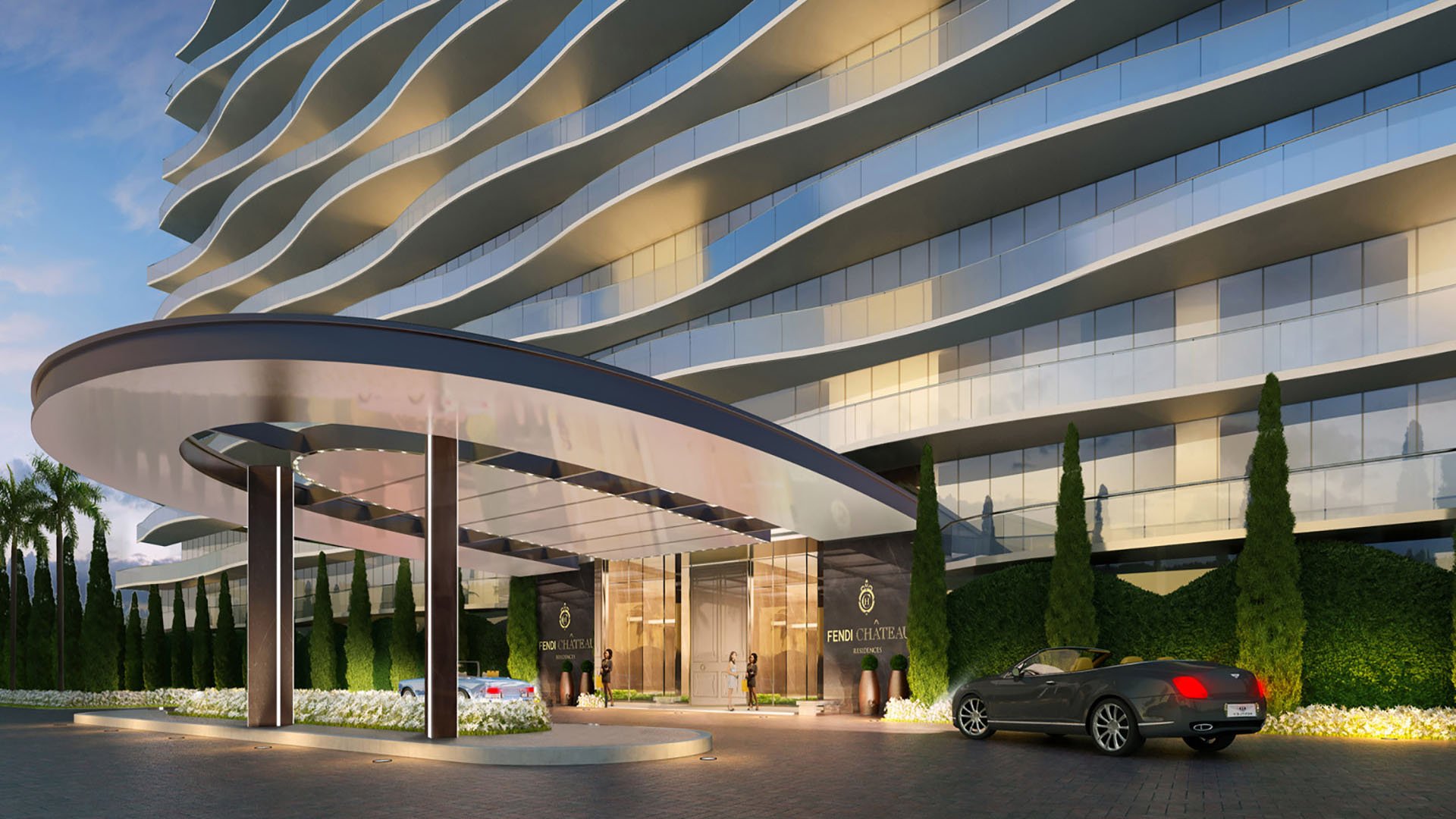
A buyer considering Fendi Château Residences Surfside might value proximity to Bal Harbour while preferring Surfside’s atmosphere. The correct choice is the one that aligns architecture, staffing, and lifestyle into a single routine.
Before selecting a staff-ready residence, walk the home as three different people: owner, guest, and staff member. As the owner, notice privacy, silence, and the path from arrival to primary suite. As the guest, notice comfort and clarity. As staff, notice storage, service routes, staging areas, and how easily the home can be reset.
Ask practical questions. Can groceries arrive without disrupting the formal entry? Is there a place for luggage after an international flight? Can the home support a private chef without turning the kitchen into the social center of every event? Is the laundry capacity appropriate for beach living? Can security, drivers, and assistants communicate without occupying the residence itself?
The best purchase is not always the most theatrical. It is the one that lets a complex life feel simple.
What does staff-ready mean in a luxury residence? It means the home can support household help, entertaining, deliveries, and privacy without disrupting the owner’s daily experience.
Is Bal Harbour appropriate for buyers coming from Monaco? Yes, especially for buyers who value discretion, oceanfront living, refined shopping access, and a calm residential setting.
Should I prioritize a private elevator? A private elevator is useful, but it should be paired with thoughtful internal circulation and practical service access.
Are penthouses always better for staffed households? Not always. A Penthouse must still offer zoning, storage, and service logic, not merely larger entertaining spaces.
What rooms matter most for staff-ready living? Kitchens, laundry areas, secondary bedrooms, service entries, storage rooms, and flexible dens are especially important.
How should I evaluate a floor plan? Trace how owners, guests, and staff move during a normal day and during a formal evening at home.
Do Branded Residences solve staffing needs? Branded Residences may enhance service culture, but the private residence still needs its own operational planning.
Is Waterfront living more complicated operationally? It can be, because beach routines, terraces, guests, and outdoor entertaining increase movement through the home.
Should I choose Bal Harbour or Surfside? Choose Bal Harbour for polished convenience and Surfside for a quieter neighboring feel, then let the floor plan decide.
What is the most overlooked detail? Storage is often underestimated, especially for linens, luggage, catering equipment, seasonal wardrobes, and beach items.
For a tailored shortlist and next-step guidance, connect with MILLION.
If branded residences are on your mind — as a home or as an allocation — we would be glad to share what we are seeing, privately.
Begin a quiet conversation