A trophy penthouse in Bal Harbour only works as a long-term purchase when rarity, privacy, terrace utility, view quality, building discipline, and resale logic align with the buyer’s daily life.
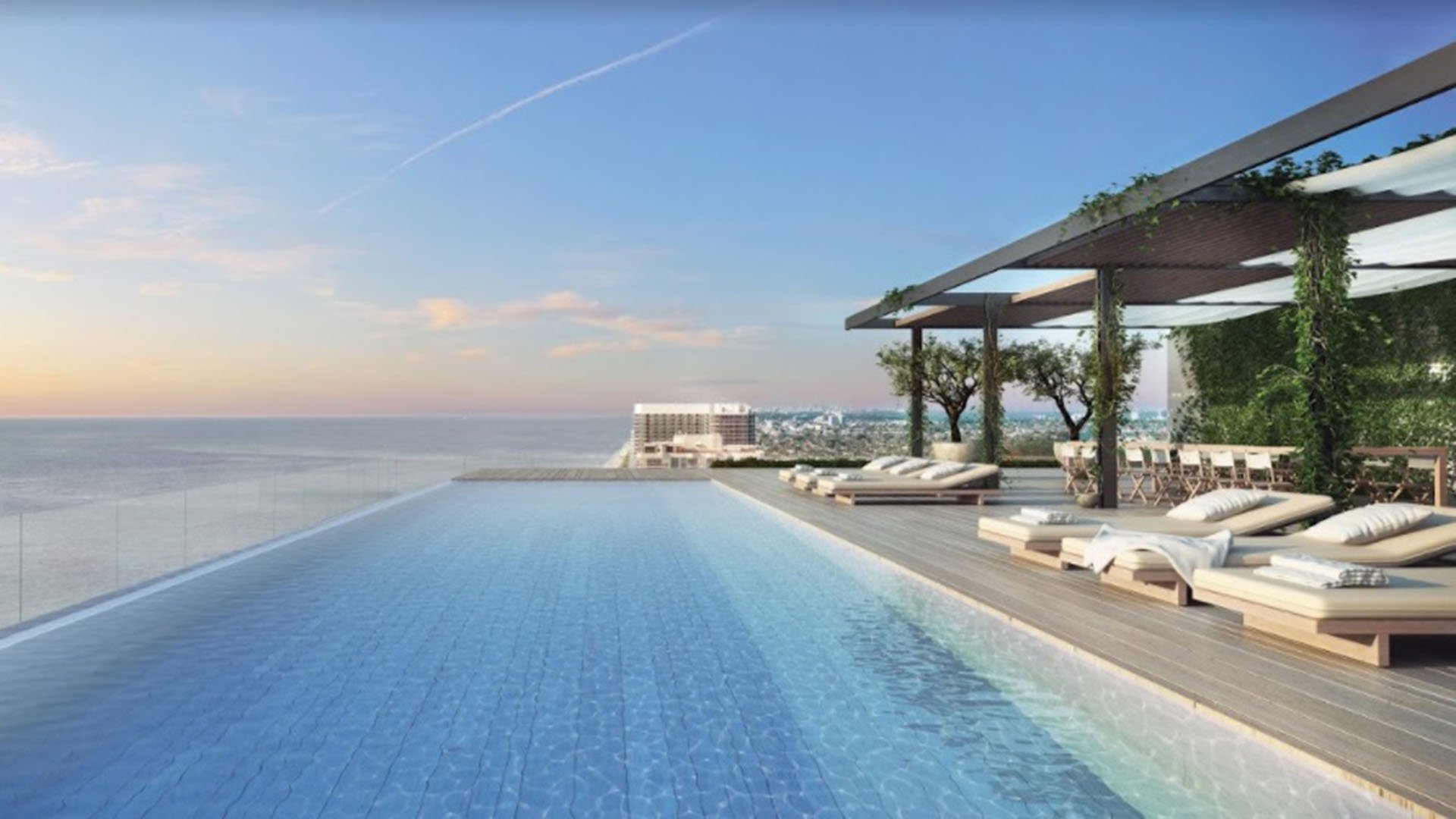
A trophy penthouse in Bal Harbour is not simply the highest residence in a building. Height helps, drama helps, and a cinematic horizon certainly matters, but a serious long-term purchase is quieter and more demanding. It is the residence that can be lived in, secured, serviced, maintained, and ultimately resold without relying on novelty.
The best buyers approach the category through two lenses. One is emotional, because the top floor must deliver a sense of arrival that cannot be duplicated lower in the stack. The other is fiduciary, because a penthouse that looks spectacular for a season can become difficult if the plan is awkward, the outdoor space is ornamental, or the building experience does not support a high-discretion lifestyle.
Bal Harbour matters because the decision is rarely just about square footage. It is about privacy, restraint, ocean orientation, peer quality, and the confidence that the residence will continue to feel scarce years from now. In that context, Rivage Bal Harbour is relevant not as a name to collect, but as a reminder that new trophy inventory is judged by how well it resolves architecture, access, and daily livability.
Scarcity is often confused with limited supply. For a long-term buyer, true rarity is more exacting. It begins with a plan that cannot be easily replicated: meaningful width, protected exposure, intuitive room progression, and outdoor areas that feel connected to the main living sequence rather than appended for marketing value.
A trophy residence should have a coherent hierarchy. Arrival should feel private. Public rooms should have scale without becoming so ceremonial that they lose efficiency. Bedrooms should feel removed from entertainment zones. Service circulation should support staff, guests, deliveries, and maintenance without compromising the owner’s privacy.
Penthouses that endure tend to avoid gimmicks. Double-height moments, glass, pools, kitchens, and terraces all have a role, but only when they serve daily use. The residence should not require an explanation. A sophisticated buyer should understand its logic within minutes: where one entertains, where one retreats, how morning light enters, how evenings function, and how the home performs when fully occupied.
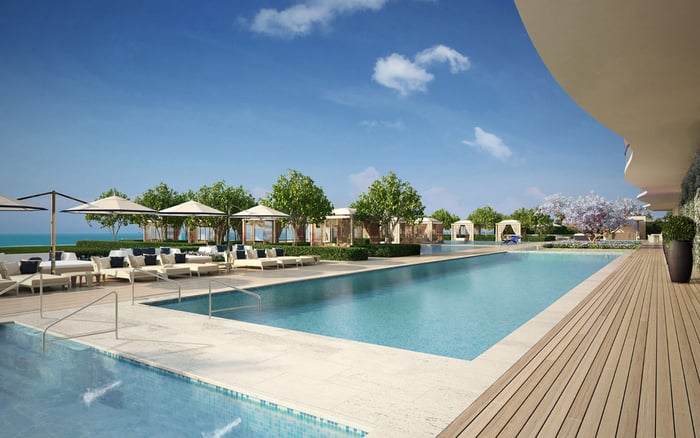
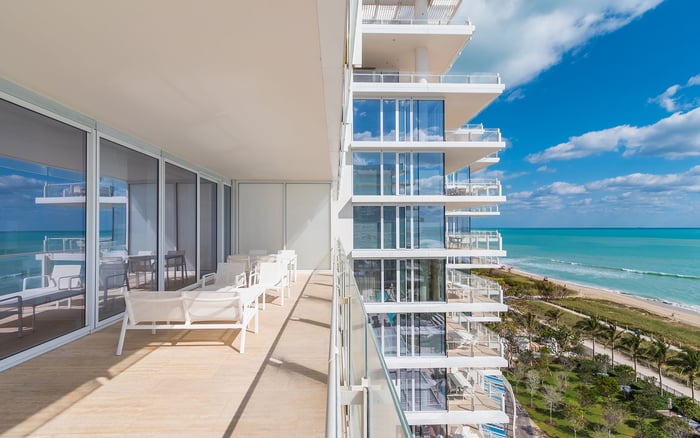
In South Florida, outdoor space can be either a privilege or a liability. A private terrace adds long-term value when it is deep enough, protected enough, and connected enough to be used naturally. Narrow ledges may photograph well, but serious buyers care about dining, seating, shade, wind, privacy, and circulation.
The best terraces feel like exterior rooms. They allow breakfast without ceremony, sunset drinks without rearranging furniture, and entertaining without forcing every guest through the most private parts of the home. They should also age well. Materials, drainage, railings, lighting, and planting capacity all shape whether outdoor space remains elegant or becomes a maintenance distraction.
Oceanfront positioning is powerful, but it should not be evaluated only through the living room glass. The long-term question is how the horizon is experienced throughout the day. Does the primary suite feel calm? Does the terrace invite use beyond occasional entertaining? Are neighboring sightlines controlled? Is the view composition beautiful from seated positions, not only when standing at the edge?
A penthouse can only be as strong as the building beneath it. Long-term ownership depends on more than private interiors. It depends on the quality of arrival, the discretion of staff, the ease of guest handling, the reliability of maintenance, and the consistency of the resident culture.
This is where buyers should slow down. The lobby should not feel performative if the owner prefers privacy. Valet and security procedures should be smooth without becoming conspicuous. Elevators, service routes, storage, parking, and package handling should support the life of a large residence. In the trophy segment, friction compounds quickly.
The same discipline applies when comparing Bal Harbour with nearby Surfside. Oceana Bal Harbour may sit inside the buyer’s immediate mental map, while Fendi Château Residences Surfside or The Surf Club Four Seasons Surfside can help frame how different buildings express privacy, formality, and beachfront living. The goal is not to chase the loudest address. It is to identify the building culture most likely to match the owner for a decade or longer.
A serious long-term purchase must be flexible without feeling generic. Family structures change. Guests arrive in waves. Staff needs may evolve. Owners may shift from seasonal use to longer stays. A trophy floor plan should absorb those changes gracefully.
Look for rooms with more than one future. A library may become a media room. A secondary suite may serve adult children, visiting parents, or long-stay guests. A catering kitchen, if present, should support entertaining without isolating the household. Storage should be generous enough that the residence does not rely on constant editing to remain calm.
The strongest layouts also manage sound and privacy. Entertaining should not make every bedroom unusable. Early risers should not disturb guests. Service activity should be discreet. These are not glamorous details, but they determine whether the home remains comfortable after the first year of ownership.
Investment logic in a trophy penthouse should be conservative. The owner is buying an irreplaceable experience, not a commodity. That means the purchase should be underwritten around durability: location appeal, view quality, plan efficiency, building reputation, architectural restraint, and the likelihood that future buyers will understand the value quickly.
Overcustomization is one of the quiet risks. A rare residence can support exceptional design, but extremely personal interventions may narrow the resale audience. The better strategy is to invest in materials, lighting, millwork, kitchens, baths, climate comfort, and technology in ways that feel permanent rather than theatrical.
Exit liquidity also depends on clarity. A future buyer should be able to see why the home is special without needing to accept the current owner’s taste. The most valuable improvements are often the least noisy: better flow, better storage, more refined lighting, improved acoustic comfort, and outdoor space that functions beautifully.
Before pursuing a Bal Harbour trophy penthouse, the buyer should separate spectacle from substance. Confirm that the views are not only dramatic, but livable. Confirm that the terrace is usable in real conditions. Confirm that the private and public rooms are properly separated. Confirm that the building’s procedures match the owner’s standards for discretion.
Then consider the less visible items. Mechanical systems, window and door performance, service access, parking convenience, storage, staff areas, maintenance obligations, and renovation feasibility can matter as much as finishes. A trophy purchase should feel easy after closing, not merely impressive before it.
The right penthouse will usually have a certain calm. It will not need every feature to announce itself. It will feel rare because the proportions, privacy, views, and building experience work together. That is what makes a long-term purchase in Bal Harbour credible: not just a beautiful top floor, but a residence capable of supporting a private life with elegance over time.
What makes a Bal Harbour penthouse a trophy property? It must combine scarcity, privacy, views, proportion, outdoor space, and a building experience that feels genuinely elevated.
Is the top floor always the best long-term purchase? Not automatically. The best purchase is the residence with the strongest mix of layout, privacy, exposure, terrace utility, and resale clarity.
How important is terrace depth? Very important. A terrace should function as real living space, with room for seating, dining, circulation, and comfortable use.
Should buyers prioritize views or floor plan? Both matter, but a poor plan can weaken even a remarkable view. The strongest homes make the view part of an effortless daily sequence.
What should a buyer study beyond the residence itself? Arrival, staff culture, elevator privacy, service routes, parking, storage, maintenance practices, and the overall resident experience all matter.
Can a highly customized penthouse hurt resale? Yes, if the customization is too personal. Durable materials and improved functionality usually age better than theatrical design gestures.
Are nearby Surfside properties useful comparisons? Yes. They can help a buyer understand different expressions of beachfront privacy, service, architecture, and long-term ownership culture.
What is the biggest mistake in buying a trophy penthouse? Buying the drama instead of the livability. A serious purchase must still work on ordinary days, not only during showings or events.
How should a buyer think about investment value? Focus on durable rarity, view quality, plan logic, building discipline, and improvements that future buyers will immediately understand.
When is a penthouse worth paying a premium for? When the premium buys qualities that are difficult to recreate: privacy, width, protected views, usable outdoor space, and a superior building experience.
If you'd like a private walkthrough and a curated shortlist, connect with MILLION.
If branded residences are on your mind — as a home or as an allocation — we would be glad to share what we are seeing, privately.
Begin a quiet conversation