A buyer-focused look at the qualities that make boutique Coral Gables residences more than a beautiful address: scale, governance, design discipline, location, and long-term livability.
A boutique residence in Coral Gables works when it feels intimate without feeling fragile. For a serious long-term purchase, beauty is only the opening argument. The deeper question is whether the building can support a refined way of life over time, through changing routines, evolving household needs, and the scrutiny that follows once the first impression fades.
Coral Gables attracts buyers who look beyond spectacle. They are often weighing permanence, discretion, architecture, greenery, access, and daily rhythm in a single decision. In plain buying terms, the choice sits where boutique, Coral Gables, investment, and new construction priorities overlap. The best residence should not feel like a compromise between a private home and a condominium. It should offer the privacy, proportion, and identity of a smaller address while preserving the discipline, service, and stewardship expected from a serious residential asset.
That is why projects such as Cora Merrick Park belong in the conversation. They reflect the kind of boutique inventory buyers are studying when they want Coral Gables character without defaulting automatically to a single-family home.
The word boutique is often used as shorthand for fewer residences, quieter common areas, and a more residential atmosphere. But smaller scale alone does not create value. A boutique building must still provide functional arrival, strong security logic, sensible circulation, useful amenities, and professional management. If intimacy comes at the expense of convenience, the charm can wear thin.
A long-term buyer should consider how the building will feel on an ordinary Tuesday. Is the lobby elegant but practical? Are service areas separated from social spaces where possible? Does parking feel simple rather than theatrical? Are elevators, storage, package handling, and guest access handled with the same care as the finishes?
The strongest boutique residences understand that privacy is not only about low density. It is about reducing friction. A smaller building can be exceptional when every shared element has a clear purpose and every transition, from car to home to terrace, feels composed.
In a long hold, floor plan discipline matters more than decoration. Finishes can be refreshed. Furniture can change. A poorly organized plan is much harder to forgive.
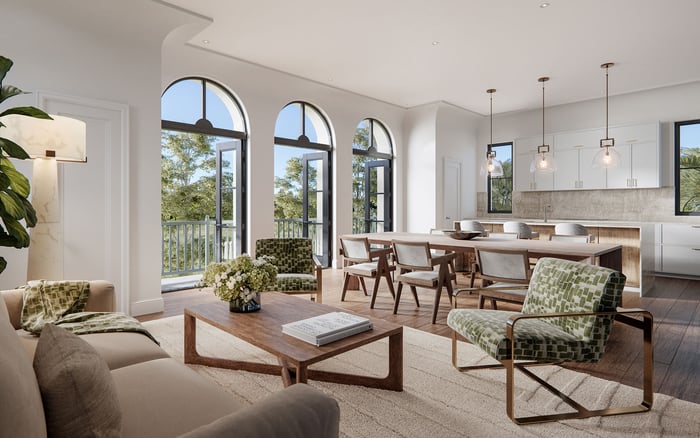
Buyers should study the entry sequence, ceiling presence, natural light, bedroom separation, kitchen placement, storage, and the relationship between indoor and outdoor space. A boutique residence should not rely on one dramatic room to justify itself. It should work across the whole day: morning coffee, remote work, dinner with friends, visiting family, quiet evenings, and seasonal entertaining.
In Coral Gables, where many buyers compare condominium living with the emotional appeal of a house, the residence must feel complete. A primary suite should offer privacy, not merely size. Secondary bedrooms should be useful, not symbolic. The kitchen should support real use, even in a home designed for entertaining. Terraces should be proportionate enough to matter, not simply appear on a floor plan.
A Coral Gables address carries an immediate sense of place, but a long-term purchase depends on how the location performs. The buyer should understand the rhythm around the building: arrival routes, walkability, nearby dining, school runs, club routines, medical access, airport patterns, and the ease of moving between Coral Gables, Coconut Grove, Brickell, and Miami Beach.
The appeal of Ponce Park Coral Gables belongs in a broader discussion about how centrality and neighborhood texture shape daily satisfaction. A boutique residence should place the owner close enough to the life they actually lead while preserving the calm that made Coral Gables attractive in the first place.
The best location is not always the most visible. For many luxury buyers, a quieter setting with gracious access can outperform a louder address that reads well in a brochure but feels exposed in practice.
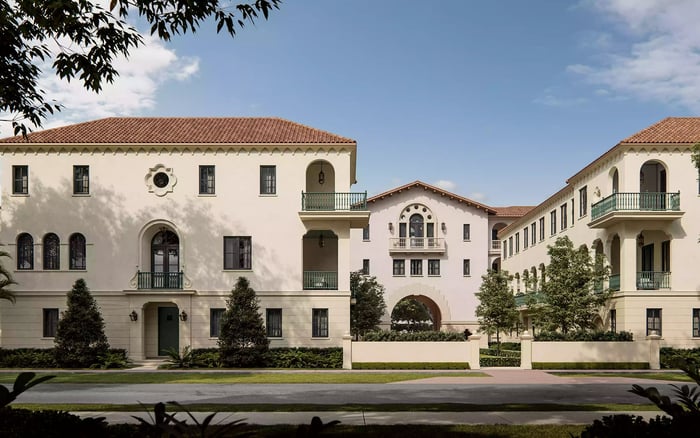
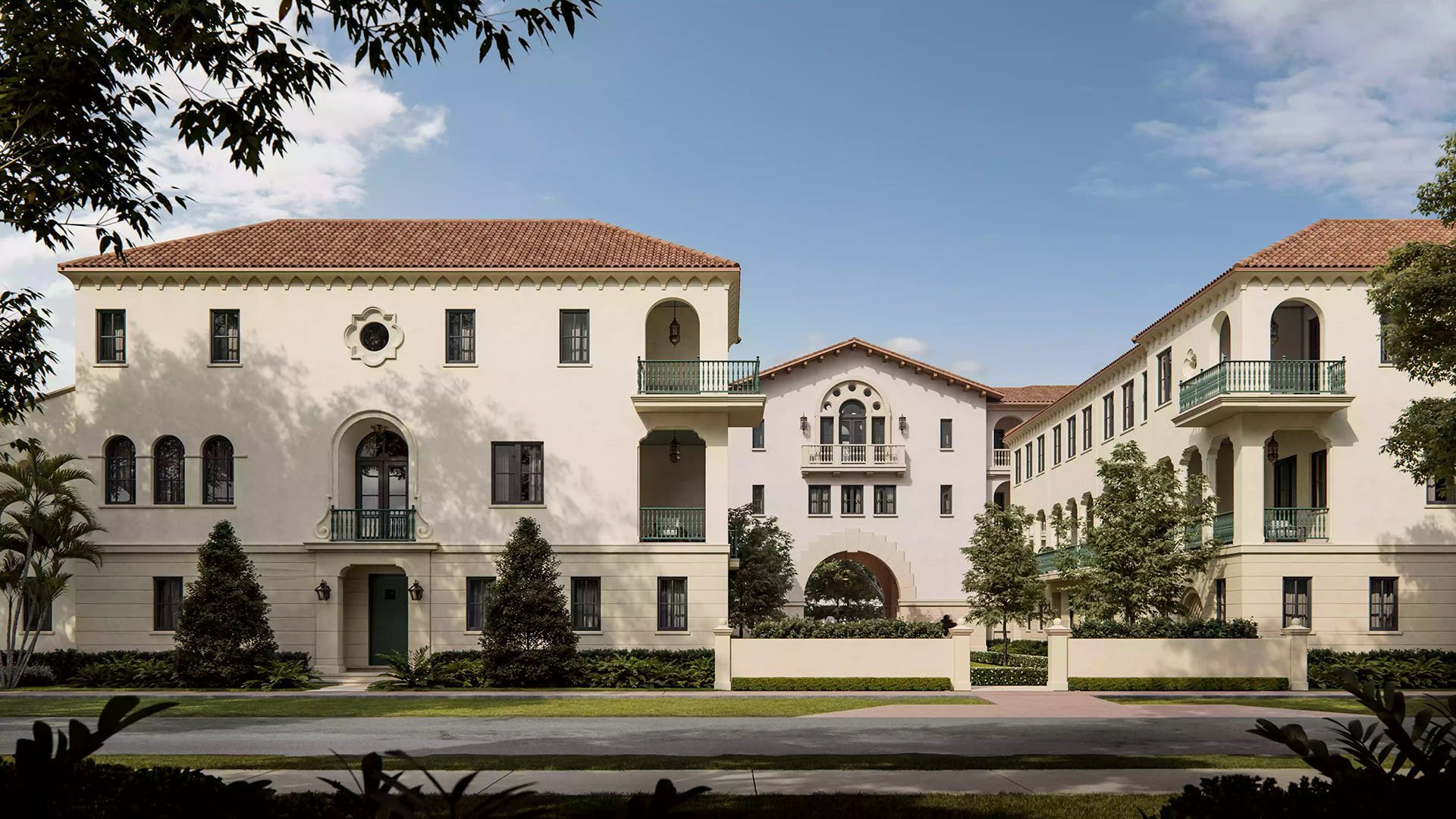
A serious purchase requires architectural restraint. That does not mean conservative design. It means design with enough confidence to avoid novelty. In boutique buildings, architecture carries particular weight because there is less anonymity. The facade, lobby, landscape, and amenity spaces become part of the owner’s daily identity.
Materials should feel substantial. Proportions should be calm. Landscaping should soften the experience without creating a maintenance burden that becomes problematic later. A building that works too hard to announce itself may feel exciting at launch, then dated as tastes evolve.
This is where Coral Gables rewards discipline. The market tends to respect residences that feel rooted, composed, and residential. A buyer planning to hold should favor design that can absorb changes in interiors, ownership cycles, and market mood without losing dignity.
In a boutique building, governance is not a footnote. It is central. Fewer owners can mean a more personal community, but it can also mean that decisions, budgets, and personalities carry greater weight. Before committing, a buyer should understand association structure, reserve philosophy, maintenance expectations, insurance approach, rental rules, pet policies, renovation procedures, and the way decisions are likely to be made.
This is not glamorous, but it is essential. A polished residence with weak governance can become frustrating. A well-run boutique building can preserve both quality of life and confidence over time.
For long-term owners, the key is alignment. Does the building appear designed for residents who want stability, privacy, and care? Or does it seem optimized for short bursts of attention? A serious purchase should feel like joining a residential culture, not simply acquiring square footage.
Boutique buyers often say they do not need the scale of a resort tower. That may be true, but edited amenities still matter. The question is not how many amenities exist. The question is whether they support the way residents actually live.
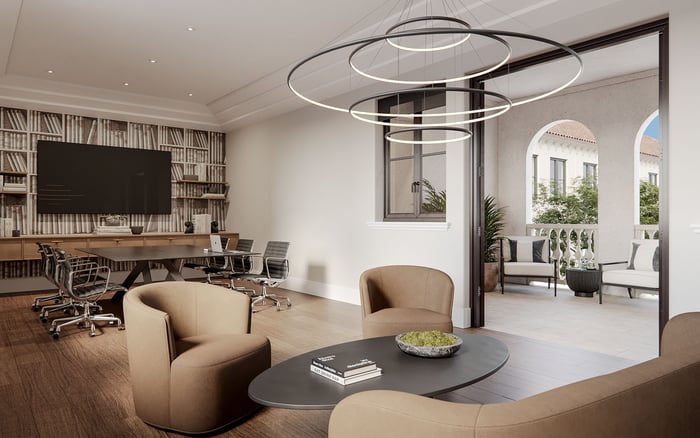
A thoughtful fitness room, a gracious lounge, secure arrival, useful outdoor space, and well-managed service can be more valuable than an oversized amenity program that feels disconnected from the building’s identity. The right level of service should enhance privacy rather than convert the property into a hotel.
The same principle applies to The Village at Coral Gables, where buyers may be drawn to a more residential interpretation of luxury. The strongest boutique concepts do not compete on excess. They compete on cohesion.
A long-term buyer should think about resale before closing, even with no intention to sell soon. The most durable residences tend to have clear buyer logic: a recognizable neighborhood, a coherent building identity, livable plans, quality construction, disciplined management, and a lifestyle that is easy to explain.
Boutique inventory can be compelling because scarcity is built into the format. Yet scarcity only helps when the product is fundamentally desirable. A small building with awkward plans, limited maintenance capacity, or unclear identity may not benefit from being rare. A boutique residence that solves real buyer needs can remain attractive through changing market conditions.
The serious test is simple: could another sophisticated buyer understand the value quickly, without a lengthy explanation? If the answer is yes, the purchase is on stronger footing.
Is a boutique residence in Coral Gables better than a single-family home? It depends on lifestyle. A boutique residence can suit buyers who want privacy and design without the daily obligations of a house.
What is the biggest risk in buying boutique? The main risk is confusing small scale with quality. Management, reserves, and building operations must be carefully reviewed.
Should amenities be a deciding factor? Yes, but only if they are useful. Edited amenities that support daily life can be more valuable than a long list of rarely used spaces.
How important is the floor plan? It is one of the most important factors. A strong plan protects livability long after finishes and furniture trends change.
Does new construction automatically mean lower maintenance? Not automatically. New construction should still be evaluated for design quality, association structure, and future operating costs.
Can a boutique condo work as an investment? It can, if the residence has broad buyer appeal, disciplined governance, and a location that supports long-term demand.
Why does Coral Gables attract boutique buyers? Buyers often value its residential character, architectural identity, and calmer alternative to denser urban settings.
Are rental rules important for long-term owners? Very important. Rental policies shape building culture, financing considerations, and the experience of living there.
What should buyers compare between boutique projects? Compare floor plans, arrival experience, service model, governance, outdoor space, and how each building fits daily routines.
When is the right time to buy? The right time is when the residence, building, and financial structure align with a long-term plan rather than a short-term impulse.
For a confidential assessment and a building-by-building shortlist, connect with MILLION.
If branded residences are on your mind — as a home or as an allocation — we would be glad to share what we are seeing, privately.
Begin a quiet conversation