A discreet due-diligence framework for buyers who expect to leave an oceanfront residence unoccupied during storm season, with questions covering the envelope, management access, backup power, insurance and post-event recovery.

For a lock-and-leave buyer, storm planning is not a seasonal housekeeping exercise. It is a closing workstream that warrants the same discipline applied to title, insurance and condominium documents. The Estates at Acqualina Sunny Isles is an oceanfront luxury condominium development in Sunny Isles Beach, making the distinction between elegant day-to-day service and documented storm operations especially important.
This entry in MILLION's Buyer's Guides is designed for second-home ownership, where the owner may be abroad when a watch is issued, access is restricted or utilities are interrupted. The objective is not to seek broad assurances, but to establish in writing what the building can do, what management will do and what remains the owner's responsibility.
Before closing, request documented wind-load, impact-glazing and building-envelope specifications. General descriptions such as hurricane-rated are no substitute for the underlying specifications. Counsel and appropriate technical advisers should review the documents relevant to the residence, its openings and the common building envelope.
Ask whether every window, exterior door and other opening is protected without manual intervention. If shutters or another preparation step are required, identify who performs the work, how quickly it can be completed and whether authorization must be arranged in advance.
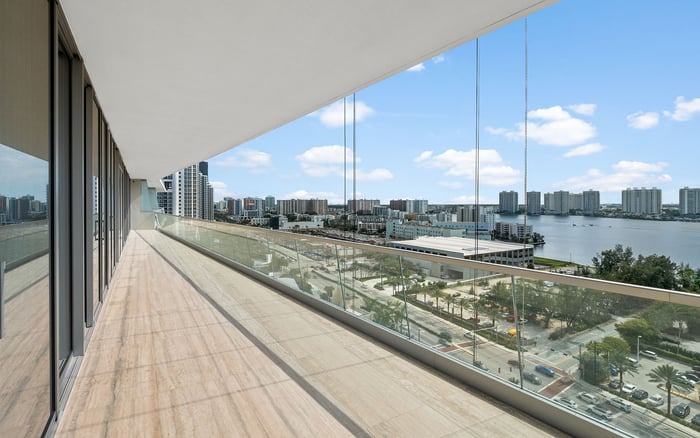
The same precision should extend to the balcony or terrace. Furniture, planters and decorative objects may require removal before severe weather. The contract, association rules or a separate management agreement should specify who clears these items, where they are stored, whether weight or size limits apply and what happens if the owner cannot respond.
Buyers comparing neighboring lock-and-leave options, including Bentley Residences Sunny Isles and The Ritz-Carlton Residences® Sunny Isles, can apply the same document-led questions. The point is not to assume equivalence among buildings, but to make storm readiness a consistent part of every review.
Obtain the management team's written hurricane plan. It should define preparation timelines, anticipated staffing, owner notifications and procedures before and after an event. Ask when preparations begin, which services take priority and when owners lose normal access to the property.
For an unoccupied residence, determine whether management may enter before or after a storm. Confirm the required authorization, key or credential arrangements, access log and method for reporting completed work. If management cannot enter, the owner needs a separate, authorized property manager or vendor whose building access has already been approved.
Define the vacant-home protocol in practical terms: HVAC settings, leak detection, water shutoff, appliance checks and emergency vendor access. Confirm whether these tasks, terrace preparation and post-event inspections are association services or separately contracted services carrying additional fees. A hospitality-level experience does not, by itself, establish contractual responsibility.
Remote communication matters just as much. Owners should know whether alerts, inspection findings and damage photographs can be delivered while they are abroad, which channel will be used and who will receive notices if the owner is temporarily unreachable.
Ask for a system-by-system explanation of emergency-generator coverage. Determine whether backup power serves elevators, water pumps, fire-safety equipment, common lighting, air conditioning or any receptacles within the residence. Do not assume that generator power means normal building operation.
Runtime is equally important. Confirm how long backup systems are intended to operate and how fuel resupply would be managed during an extended regional outage. Then determine which services may be restricted even while essential life-safety systems remain operational.
Garage and building-system exposure warrant a separate review. Determine whether storm surge or flooding could affect parking, electrical or mechanical systems, and request details on barriers, pumps and recovery procedures. The same diligence is appropriate when evaluating other coastal properties such as Turnberry Ocean Club Sunny Isles. Each building must be assessed through its own records and written procedures.
Review the condominium association's master insurance coverage, deductibles, exclusions and allocation of responsibility between common elements and unit interiors. A buyer's insurance adviser should coordinate that review with the proposed unit policy so that finishes, contents, improvements, temporary living costs and other owner exposures are considered without presuming what the master policy covers.
Ask how a major hurricane deductible or uninsured loss could be allocated to owners. Reserve records should also be examined for their treatment of storm-related repairs and the possibility of assessments. The essential issue is not simply whether insurance exists, but where deductibles, exclusions and uncovered work ultimately fall.
Closing documents warrant a separate storm-clause review. Counsel should determine how the contract addresses a named storm, an active hurricane watch, casualty damage and any restriction on binding insurance before closing. The buyer should understand inspection rights, repair obligations, timing consequences and available remedies before those provisions become urgent.
Request the post-storm sequence in writing. It should address residence inspections, water-intrusion checks, humidity monitoring, mold prevention and emergency remediation. Clarify who decides that a unit is safe to enter, who documents conditions and which vendors may begin protective work without fresh owner approval.
Expect operations to remain limited after the weather clears. Elevators may be restricted, amenities may close, access controls may change, and utilities or resident services may be interrupted. A useful plan therefore addresses not only physical damage, but also the period when the residence is intact yet not operating normally.
Before closing, consolidate the answers into a single responsibility matrix shared among the owner, association, building management, private property manager, insurer and counsel. Written commitments carry more weight than informal expectations, particularly when the owner is several time zones away.
What building specifications should a buyer request? Obtain documented wind-load, impact-glazing and building-envelope specifications for professional review.
Do impact windows eliminate all manual preparation? Not necessarily. Confirm whether any window, door or other opening requires shutters or another manual step.
Who should remove terrace furniture before a storm? The responsible party should be identified in association documents or a written management agreement, including storage arrangements.
Can management enter an empty residence? Entry authority depends on the applicable documents and authorization. Confirm key access, permissions and reporting procedures before leaving.
What should be asked about the generator? Identify every supported system, the expected operating duration and the fuel-resupply plan during a prolonged outage.
What should owners review concerning flood exposure? Ask about garage and building-system vulnerability, available barriers and pumps, and the recovery plan following water intrusion.
Are storm inspections included in association services? Confirm in writing whether preparation and inspections are included or require a separate property-management contract and fee.
How should insurance deductibles be evaluated? Review the master policy, exclusions, owner allocation, reserves and the potential for a deductible or uninsured loss to result in an assessment.
What should happen immediately after a storm? The written protocol should cover access, water checks, humidity monitoring, photographs, mold prevention and emergency remediation.
Which advisers should review the plan before closing? Florida condominium counsel and an insurance adviser should verify contractual responsibilities, coverage and storm-related closing provisions.
For a discreet conversation and a curated building-by-building shortlist, connect with MILLION.
If branded residences are on your mind — as a home or as an allocation — we would be glad to share what we are seeing, privately.
Begin a quiet conversation