An art collection turns an Aventura condo search into a study of walls, light, circulation, privacy, logistics, and the long-term flexibility of a residence.
For many luxury buyers, a condo tour begins at the windows. For an art collector, it should begin with an inventory. The dimensions, weight, medium, sensitivity, and intended placement of important works can redefine what constitutes a compelling Aventura residence.
A dramatic water view may remain desirable, but it is only one part of the composition. A collector must also determine whether the home offers uninterrupted walls, controlled daylight, sufficient ceiling height, comfortable viewing distances, and a credible path from the loading area to final installation. The search becomes less about finding a beautiful empty interior and more about identifying architecture capable of supporting a private cultural environment.
This art-first approach is not purely aesthetic. It can help a buyer avoid compromises that emerge only after closing-when a large canvas cannot clear a turn, a sculpture overwhelms circulation, or afternoon light reaches a sensitive surface.
Before touring, create a concise schedule of priority works. Record framed dimensions, depth, approximate weight, preferred orientation, installation method, and any environmental concerns. Distinguish essential placements from works that can rotate.
Then translate that schedule into a residential brief. A collector of large contemporary paintings may favor long wall planes and generous setbacks. Sculpture may call for wider passages, reinforced locations reviewed by qualified professionals, and sightlines that allow each piece to breathe. For works on paper, photography, textiles, and mixed media, light management may be especially important.
For an art-led buyer, lifestyle is not an abstract label. It describes how rooms function, how guests move, where quiet viewing occurs, and whether daily life can coexist with conservation-minded decisions.
Floor plans rarely reveal everything a collector needs to know. During a showing, note not only wall length but also interruptions from doors, switches, vents, control panels, and built-ins. Subject to the property’s showing rules, photographing or sketching each elevation can make later comparisons more disciplined.
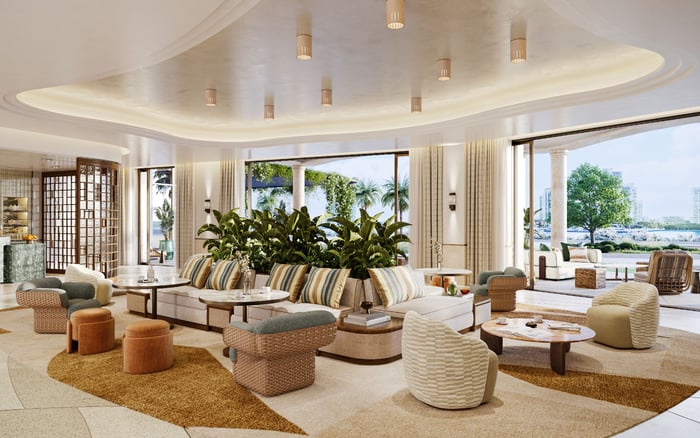
Glass demands equal attention. Expansive glazing can create a memorable setting while reducing hanging space and introducing variable daylight. Buyers should consider solar orientation, shading, window treatments, and the relationship between interior walls and reflected light. A balcony or terrace may enrich the experience of the home, yet outdoor exposure generally requires a curatorial standard distinct from interior display.
Design and architecture should be evaluated as a working framework. The strongest candidate is not necessarily the residence with the most visual drama, but the one in which art, furniture, lighting, and views can coexist without constant negotiation.
A successful installation begins well before the artwork enters the residence. Buyers should trace the entire route, including arrival, loading procedures, service access, elevators, corridors, door widths, turns, and thresholds. Measurements and permissions should be confirmed directly during due diligence rather than inferred from marketing materials.
Within the home, circulation determines whether art feels integrated or obstructive. Stand at likely entry points and examine the sequence of views. Consider whether a major work has sufficient viewing distance, whether a sculpture narrows a passage, and whether dining or entertaining arrangements compete with key placements.
A boutique residence may appeal for its privacy or scale, while a larger property may present a different operating environment. Neither format is inherently better for a collection. The relevant question is whether the building’s physical access and procedures align with the works a buyer expects to move, install, and rotate.
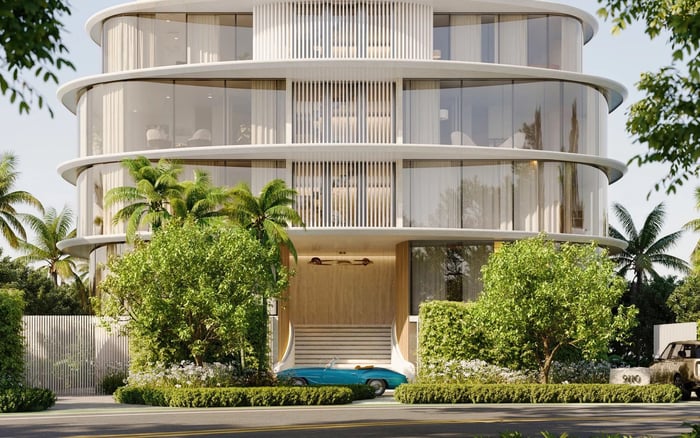
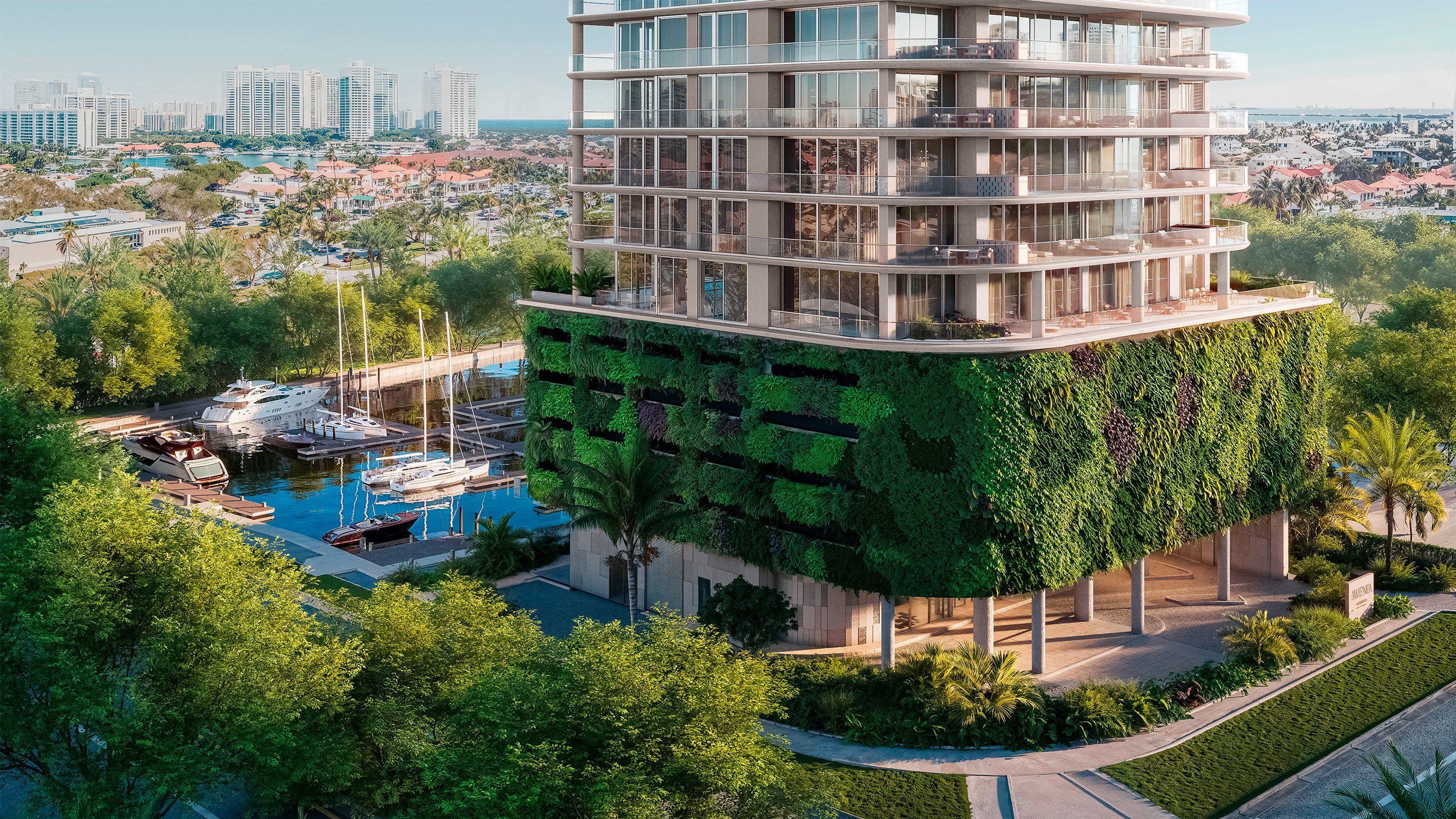
An art-first brief can sharpen the local search while making nearby comparisons more useful. Avenia Aventura can serve as an Aventura reference point for testing a buyer’s priorities against a specific residential option.
Collectors considering the broader area might also compare Jade Signature Sunny Isles Beach, Bentley Residences Sunny Isles, and Turnberry Ocean Club Sunny Isles. The purpose is not to presume that any property offers a particular art feature. It is to evaluate actual plans, available residences, building rules, access conditions, and disclosure materials through the same disciplined lens.
That consistency matters. Waterfront imagery, finishes, and amenity narratives can be seductive, but the collector’s scorecard should remain constant from one tour to the next.
A collection changes the questions posed to management, ownership representatives, insurers, art advisers, conservators, installers, and legal counsel. Buyers should investigate delivery reservations, contractor requirements, protective procedures, insurance documentation, permitted work hours, elevator capacity, and any restrictions that could affect installation.
Within the residence, lighting specifications, electrical locations, climate consistency, security, storage, and monitoring should be discussed with qualified professionals. If architectural changes are contemplated, verify any required approvals before treating a concept as feasible.
The goal is not to turn a home into a museum. It is to create a refined residence in which art can be encountered naturally and cared for responsibly. In that sense, collecting does not narrow the search. It gives the search a more exacting, personal definition of luxury.
Should collectors measure artwork before touring condos? Yes. A concise inventory translates the collection into wall, access, lighting, and circulation requirements.
Is a large window wall unsuitable for an art-filled home? Not necessarily. It should be assessed alongside available wall planes, orientation, shading, and the sensitivity of specific works.
Why does elevator access matter to an art buyer? Elevator dimensions, capacity, turns, and operating rules may determine whether a work can reach the residence safely.
Should sculpture influence the floor-plan decision? Yes. Sculpture can affect clearances, viewing distances, circulation, and the need for professional structural review.
Can artwork be displayed on a terrace? Only after the specific work, exposure, installation method, and building rules have been reviewed by the appropriate professionals.
What should a collector ask building management? Ask about deliveries, service access, approved vendors, insurance requirements, work hours, elevator reservations, and installation procedures.
Does an art collection make an open plan more desirable? It depends. Openness can support sightlines, but it may also reduce uninterrupted walls and create competing uses.
How should lighting be evaluated during a showing? Observe daylight at the available time, identify fixture and electrical locations, and reserve technical conclusions for a lighting professional.
Is storage important if most works will be displayed? Yes. Rotation, packing materials, temporary moves, and future acquisitions can make secure storage planning valuable.
When should specialists join the condo search? Bring them in before a preferred residence becomes emotionally fixed, especially when access, conservation, structure, or alterations require review.
If you'd like a private walkthrough and a curated shortlist, connect with MILLION.
If branded residences are on your mind — as a home or as an allocation — we would be glad to share what we are seeing, privately.
Begin a quiet conversation