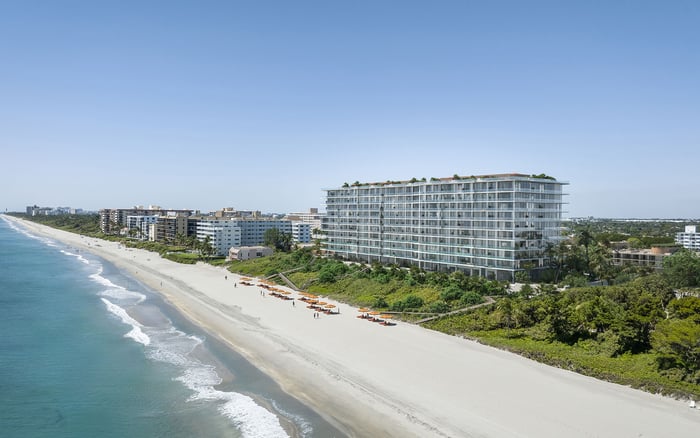
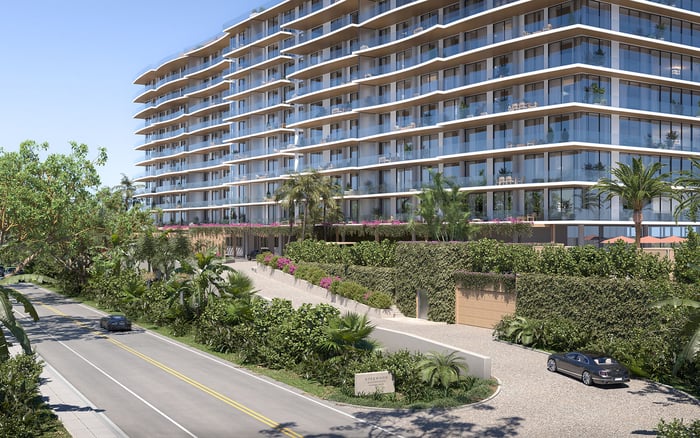
A private-buyer guide to evaluating doorman discretion, front-desk culture, access control, guest handling, and service expectations before closing in Hillsboro Beach.
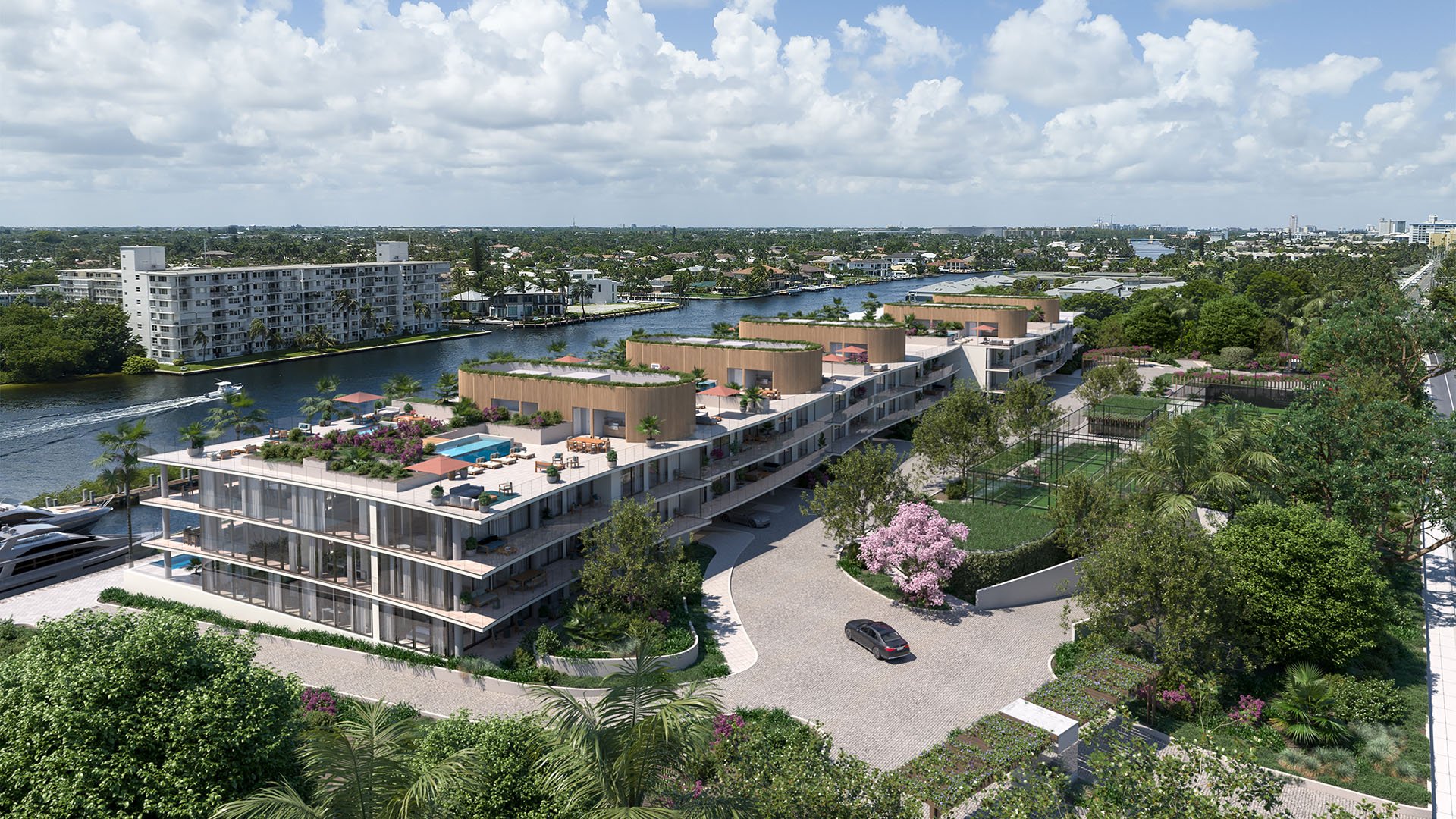
For many Hillsboro Beach buyers, the residence itself receives the first layer of scrutiny: exposure, floor plan, finishes, views, storage, parking, and terrace usability. Yet the daily experience of ownership often begins before the elevator opens. It begins at the door, where staff culture, access controls, and privacy habits quietly determine whether life feels serene or overly visible.
Doorman discretion is not simply politeness. It is the practiced ability to recognize residents without broadcasting their patterns, handle guests without creating social theater, and manage vendors, packages, deliveries, drivers, and service providers with measured professionalism. In a market where buyers may be full-time residents, seasonal owners, or privacy-sensitive principals, this layer of service deserves to be evaluated before closing with the same seriousness as the inspection, title review, and association documents.
The key question is not whether a building has a friendly front desk. The sharper question is whether the building’s service model protects the owner’s rhythm. A gracious hello is welcome. A loose conversation about who is in town, who visited, or which contractor came by is not.
A discreet door team operates with restraint. Staff members know when to anticipate needs and when to disappear. They do not over-explain, gossip, speculate, or volunteer personal details. They understand that privacy is part of the amenity package, especially in an intimate coastal setting where repeat visibility can make routines easy to notice.
Buyers should consider discretion across several categories. The first is identification: how guests are announced, how repeat visitors are recognized, and how unexpected arrivals are handled. The second is documentation: what gets logged, who may view those logs, and how long access information is retained. The third is communication: whether staff call, text, use an app, or rely on a desk phone, and whether those communications feel secure and appropriate.
The fourth category is judgment. A doorman may follow rules, but discretion requires tact in moments the rules do not fully anticipate. A guest arrives early. A driver asks whether the owner is home. A delivery includes a visible brand name. A vendor wants access to a service area. The best-run buildings maintain a consistent tone in these moments: calm, neutral, and protective.
Before closing, buyers should ask practical questions that reveal how the building actually functions. How are guests cleared when an owner is away? Can access permissions be temporary, recurring, or limited to certain time windows? Are vendors escorted, checked in, or allowed to proceed independently? What happens when a resident has not pre-authorized a visitor? How are packages, keys, food deliveries, floral deliveries, and private drivers handled?
These questions are especially important for a second-home buyer who may not be present to correct mistakes in real time. A building that feels effortless during a short showing may operate differently during holiday weeks, service days, or evening hours. The buyer’s representative should press for clarity on after-hours procedures, weekend staffing, emergency contacts, and the difference between concierge service and security protocol.
It is also worth asking how management trains staff on confidentiality. Buyers do not need a theatrical answer. They need evidence of standards: written procedures, consistent staffing, supervision, and a culture that treats resident information as sensitive. If the response is vague, that does not automatically disqualify the property, but it should prompt deeper review.
A building’s lobby often tells the truth in small ways. Does the front desk speak loudly across the room, or does it handle conversations quietly? Are delivery people clustered near resident paths? Are visitor names discussed within earshot? Is the desk calm, or does it feel improvised? When possible, buyers should arrive at different times, not only during a polished appointment.
For an oceanfront residence, the door team may also mediate beach-day rhythms, guest arrivals, valet coordination, service elevators, and seasonal traffic. The experience should feel composed, not rigid. Luxury does not require coldness. It requires control without visible strain.
Buyers considering a boutique building may find the staff-resident relationship more personal. That intimacy can be appealing, but it heightens the importance of boundaries. In a smaller environment, staff may know more about owner schedules, family members, visiting friends, and renovation activity. The ideal culture is warm but not familiar, attentive but not curious.
Discretion should also be considered through the lens of documents and governance. Review house rules, front-desk policies, move-in procedures, contractor access rules, guest registration requirements, and any owner handbooks made available during diligence. The point is not to turn lifestyle into legalism. It is to understand whether the building has a clear operating philosophy.
A gated community may rely on layered access, while a staffed condominium lobby may rely on front-desk judgment and building systems. Either model can work when expectations are explicit. The risk appears when everyone assumes privacy is being protected, but no one can explain exactly how.
For resale considerations, doorman discretion can become part of the intangible value story. Buyers may not assign a line item to it, yet they remember when a building feels protected, quiet, and professionally managed. They also remember when guest handling feels casual, when staff turnover is visible, or when private routines seem too easily observed.
A useful buyer note file might include labels such as Hillsboro Beach, oceanfront, gated community, resale, second home, and boutique so that service observations remain organized alongside financial and physical diligence.
The most obvious red flag is oversharing. If a staff member casually mentions where an owner is, who visits often, which unit is renovating, or when a residence is usually empty, a buyer should pay attention. The comment may seem harmless, but it signals a culture that does not fully understand confidentiality.
Another concern is inconsistency. If one staff member requires authorization and another waves people through, the building may be relying on personality rather than protocol. The same applies to package handling, key release, vendor access, and guest parking. In luxury real estate, inconsistency is rarely invisible for long.
Buyers should also note whether management treats privacy questions as legitimate. A sophisticated building will not be offended by a buyer asking how access works. It will understand that discretion is part of the purchase decision. Defensive or dismissive answers may indicate that the building has not been asked to serve a privacy-conscious clientele with precision.
Before closing, the goal is not to demand perfection. It is to align the building’s daily practices with the buyer’s expectations. A highly social owner may welcome a lobby that feels conversational. A private family office principal may prefer a more formal threshold. A seasonal owner may care most about remote authorization, package control, and vendor supervision.
The right approach is to define the desired experience before documents are signed. Ask how the building protects absence, arrival, guests, deliveries, contractors, and personal information. Observe the lobby. Review the rules. Listen for tone. In Hillsboro Beach, where privacy and coastal ease are often central to the purchase, the front door should be more than staffed. It should be trusted.
Why should a buyer evaluate doorman discretion before closing? Because the front door shapes privacy, guest access, vendor control, and the daily comfort of ownership.
Is a friendly doorman always a good sign? Friendliness is valuable, but discretion requires restraint, confidentiality, and consistent procedures.
What is the most important access question to ask? Ask how guests and vendors are authorized, logged, denied, or redirected when the owner is not present.
Should second-home buyers be more cautious? Yes. Absentee ownership places greater reliance on staff judgment, communication, and package handling.
Can a small building offer strong discretion? Yes, if warmth is balanced with boundaries and staff understand that familiarity is not permission to overshare.
What lobby behavior should concern a buyer? Loud conversations about residents, casual visitor access, visible confusion, or gossip about units are warning signs.
Are written policies enough? Written policies help, but buyers should also observe whether staff behavior matches the stated standards.
How does discretion affect resale value? It can strengthen buyer confidence by making the building feel private, orderly, and professionally managed.
Should privacy questions be asked through the buyer’s agent? Often, yes. A skilled representative can ask directly while preserving the buyer’s own discretion.
What should buyers decide before closing? They should decide whether the building’s service culture matches their privacy expectations and daily lifestyle.
For a tailored shortlist and next-step guidance, connect with MILLION.
If branded residences are on your mind — as a home or as an allocation — we would be glad to share what we are seeing, privately.
Begin a quiet conversation