A practical editorial guide to private-driver staging for Hallandale Beach buyers before closing, focused on arrival planning, walk-through logistics, vendor coordination, family privacy, and a more controlled final week.
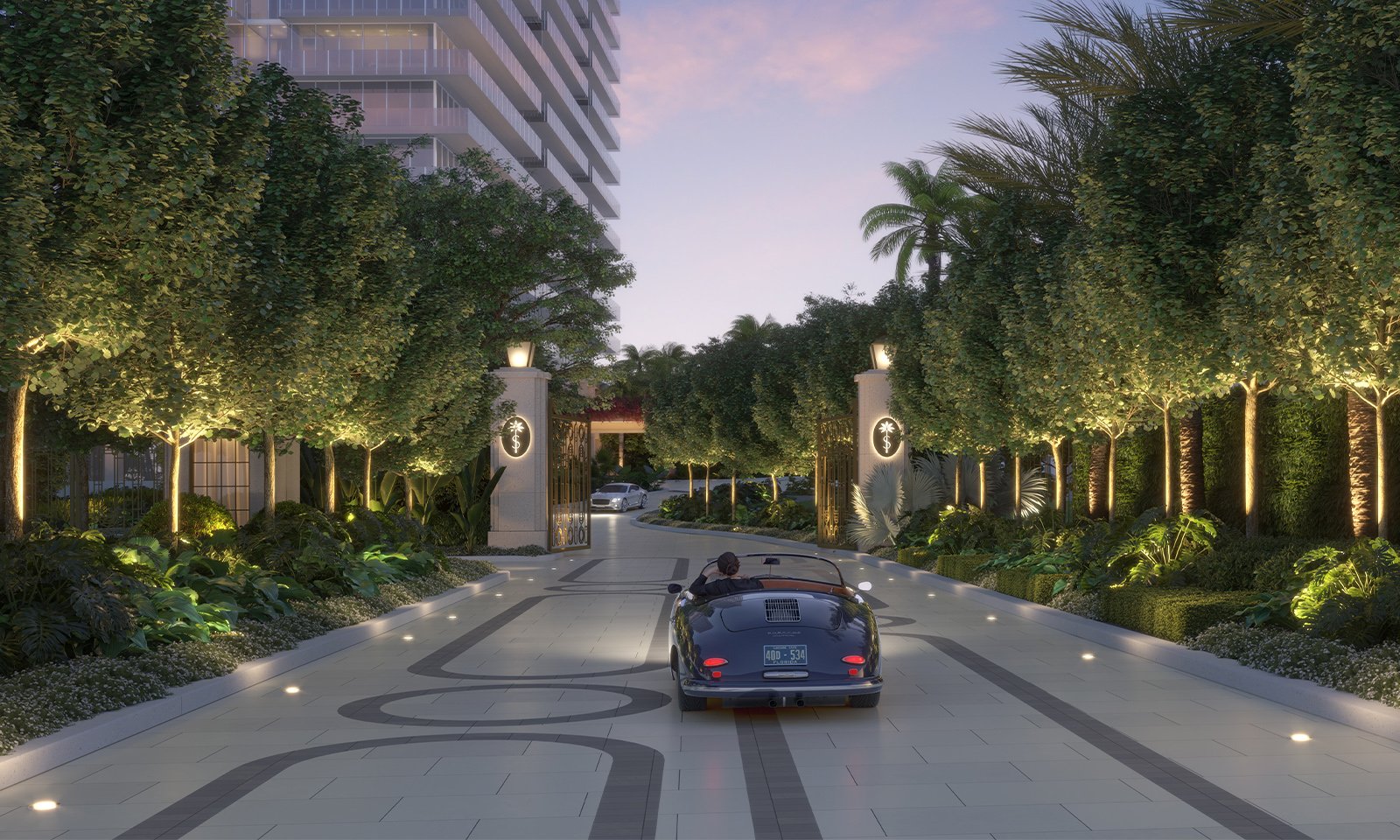
In the final days before a luxury residential closing, attention often narrows to documents, deposits, inspections, insurance, and timing. Yet for many Hallandale Beach buyers, especially those acquiring a primary residence, second home, or investment property, the physical choreography of the week matters just as much. Private-driver staging is the quiet discipline of making every arrival feel deliberate, secure, and unhurried.
This is not simply about hiring a car. It is about controlling movement. It is the difference between arriving with calm precision for a final walk-through and improvising in a crowded porte cochere while advisors, family members, designers, and building personnel are waiting. In high-end coastal real estate, small friction points can distract from decisions that require a clear mind.
For a Hallandale buyer, private-driver staging can create a more graceful closing experience by aligning transportation, access, waiting time, privacy, and contingency planning. The aim is not theatrics. The aim is discretion.
Private-driver staging is especially useful when a buyer is managing multiple people or multiple appointments. A closing week may involve the buyer, spouse, attorney, inspector, designer, family office representative, lender contact, house manager, or trusted contractor. Even when the transaction itself is clean, the calendar can become dense.
International and out-of-state buyers often find the service particularly valuable because several decisions may be compressed into a brief visit. A single day can include an airport arrival, hotel check-in, property access, a walk-through, measurements, a meeting with building management, and dinner with family. A staged driver keeps the day sequenced without making the buyer feel rushed.
It also matters for privacy. A buyer who wants to view a residence quietly, revisit a building after sunset, or bring relatives through without unnecessary exposure benefits from a car plan already understood by the driver and the on-site team. The best version feels almost invisible.
The final walk-through is not the moment to discover that the vehicle cannot wait, that the arrival area is busy, or that a key participant is five minutes behind with no clear handoff. Before the appointment, the buyer’s representative should confirm the arrival window, the appropriate entrance, expected parking or waiting protocol, and who is authorized to enter.
The driver should know whether the visit is meant to be quick, technical, or leisurely. A brief verification walk-through requires a different rhythm than a design-oriented visit with measurements and room-by-room discussion. If a buyer is evaluating furnishings, window treatments, lighting, art placement, or smart-home orientation, the driver should be prepared for a longer hold time without repeated check-ins.
The buyer should also decide who rides together. Some prefer a principal-only arrival, with advisors following separately. Others prefer to place the designer or attorney in the same car to review priorities en route. Either approach can work, but the choice should be intentional.
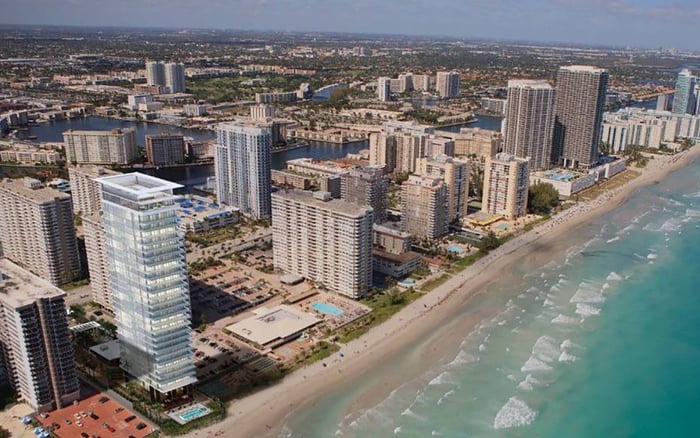
Hallandale has a distinct rhythm because buyers are often moving between coastal residences, nearby marinas, private clubs, airports, and neighboring enclaves. That makes timing more than a courtesy. It becomes part of the purchase experience.
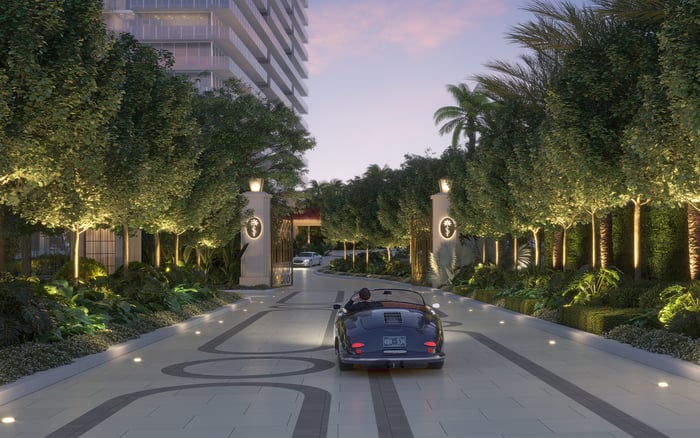
For oceanfront buyers, the arrival sequence should reflect the building’s front-of-house culture. Some residences are designed for a polished, hospitality-style welcome, while others are more residential and understated. The driver should be briefed accordingly. A buyer considering Shell Bay by Auberge Hallandale, for example, may want the pre-closing experience to feel aligned with a broader lifestyle decision rather than a purely transactional visit.
The same is true for new-construction buyers, where access may be more structured, appointments more exact, and vendor movement more sensitive. A driver who understands that the buyer may need to leave, return, and pause between meetings can preserve momentum without adding pressure.
A sophisticated closing often involves more than the named buyer. Family members may want to see the residence before furniture is ordered. A designer may need measurements. A house manager may need to understand deliveries. A security consultant, art advisor, or audiovisual specialist may need a first look. Each person adds value, but each also adds movement.
Private-driver staging can separate these flows. The buyer can arrive first for a quiet impression, followed by advisors at a set time. Family can be brought later, once technical reviews are complete. Vendors can be scheduled around building rules and access windows without turning the visit into a lobby procession.
This matters because pre-closing impressions can shape post-closing decisions. A buyer who experiences the residence calmly is more likely to make thoughtful choices about furnishings, renovations, staffing, and move-in sequencing. A buyer who experiences chaos may begin ownership with unnecessary doubt.
Privacy in real estate is often discussed as an amenity, but before closing it is a practice. It appears in where the car waits, how conversations are handled, who is told the buyer’s name, and whether the visit attracts attention.
A discreet driver should understand that the car is not a stage. Doors are opened without flourish. Calls are not overheard. Names are not repeated in public areas. If the buyer needs a moment before entering or after leaving, the car becomes a private room in motion.
For prominent buyers, the vehicle plan should also avoid patterns. Repeatedly arriving at the same time, using the same entrance, or keeping the car visibly positioned for long periods can create more attention than necessary. Subtle variation can be useful, particularly when a purchase is not yet public within the buyer’s circle.
Even the most elegant plan can fail if access is casual. Before the driver is engaged, the buyer’s representative should confirm whether the building requires names in advance, whether identification is needed, whether there are restrictions on vendor entry, and whether the driver may wait on-site.
Timing should be built with buffers. Luxury buyers often move between meetings where one overrun can affect the rest of the day. A driver staged ten minutes away is not the same as a driver staged and ready. The latter allows the buyer to leave gracefully when a conversation ends early or when a private discussion needs to continue elsewhere.
The best staging also anticipates weather, traffic, and last-minute document needs. A closing week should never depend on luck. It should have an operating plan.
The brief should be concise but exact. Provide the day’s sequence, addresses or meeting points, passenger names, expected wait periods, preferred communication style, and any privacy requirements. If the buyer dislikes calls while in meetings, text-only updates should be specified. If family members are being collected separately, names and timing should be clear.
The driver should also know what not to do. No unnecessary conversation about the property. No speculation about price, ownership, or building reputation. No mention of other clients. A true luxury experience is defined by restraint.
For investment buyers, this is particularly important when advisors are discussing leasing strategy, holding period, or future improvements in transit. The car should support confidential thinking, not become another variable.
The most common mistake is treating the driver as a last-minute convenience. In a high-value closing, transportation should be planned as early as the walk-through itself. Another mistake is overloading the car with too many objectives. If the buyer is trying to inspect, measure, host relatives, negotiate final items, and make design decisions in one visit, even perfect staging cannot create calm.
Buyers should also avoid unclear authority. If multiple advisors are texting the driver, confusion follows. One person should control the schedule. Everyone else should coordinate through that person.
Finally, avoid visible urgency. The tone of closing week should be measured. A staged car helps preserve that tone, but only if the schedule is realistic.
By closing day, private-driver staging should feel like a completed rehearsal. The buyer knows the route, the arrival rhythm, the people involved, and the privacy expectations. There is no scramble for access, no improvised waiting, and no unnecessary conversation in public spaces.
That kind of calm has value. It allows the buyer to focus on the residence, the documents, and the transition into ownership. In Hallandale, where waterfront living, club culture, and regional mobility often intersect, a disciplined arrival plan can make the final step feel as refined as the property itself.
What is private-driver staging before closing? It is the planned use of a private driver to coordinate arrivals, waiting time, privacy, and movement around pre-closing appointments.
Is this only for very high-profile buyers? No. It is useful for any buyer who wants a controlled, discreet, and efficient final week before taking ownership.
When should a buyer arrange the driver? Ideally, once the final walk-through and key appointments are scheduled, so timing and access can be coordinated in advance.
Should the driver attend every pre-closing visit? Not necessarily. The driver is most valuable for walk-throughs, advisor meetings, vendor access, and closing-day movement.
Can family members be included in the staging plan? Yes. Family arrivals can be sequenced separately so the buyer can handle technical items before a more personal viewing.
What should the driver know about the property? Only practical details such as entrances, timing, passenger names, waiting protocol, and privacy preferences.
How does this help with privacy? It reduces improvised arrivals, public waiting, overheard conversations, and unnecessary exposure in shared areas.
Is private-driver staging useful for a second-home purchase? Yes. It helps compress a busy visit into a calmer sequence when the buyer is not locally based.
Does an investment buyer need this level of planning? Often, yes. It supports confidential discussions with advisors and keeps the buyer’s schedule disciplined.
What is the main benefit for a Hallandale closing? The main benefit is control: the buyer arrives prepared, moves discreetly, and keeps focus on ownership rather than logistics.
For a confidential assessment and a building-by-building shortlist, connect with MILLION.
If branded residences are on your mind — as a home or as an allocation — we would be glad to share what we are seeing, privately.
Begin a quiet conversation