A practical luxury design guide to replacing the traditional mudroom with discreet, climate-conscious arrival zones suited to full-time South Florida living.
For full-time owners in South Florida, the traditional mudroom is often the wrong reference point. The classic version, with boots, heavy coats, and winter gear, belongs to another climate and another rhythm of ownership. Here, the need is more nuanced. The home must absorb wet sandals, beach bags, dog leashes, pool towels, golf shoes, deliveries, school bags, and the informal traffic of daily life without allowing any of it to spill into view from the living areas.
The goal is not to recreate a northern utility room. It is to design a graceful threshold between the outside world and the private interior. In a luxury residence, that threshold should feel intentional, quiet, and architecturally consistent. A successful mudroom alternative does not announce itself. It performs with discretion.
This matters most for owners who live in the home year-round. Weekend use can tolerate a little improvisation. Full-time ownership cannot. The arrival sequence becomes part of the household operating system, and when it is poorly planned, clutter quickly migrates into kitchens, galleries, bedroom corridors, and terraces.
South Florida living is indoor-outdoor by nature. A home may have a formal entry, a garage entry, a pool approach, a service door, a dockside path, or a private elevator arrival. Each entry point carries a different kind of mess. The most elegant solution is rarely one large room. It is usually a series of smaller, well-considered interventions.
In Brickell, where many full-time owners live vertically, the issue may be less about yard debris and more about deliveries, umbrellas, gym bags, and the transition from elevator to residence. In Aventura or waterfront single-family settings, the brief can include children, pets, boating accessories, and frequent movement between outdoor and indoor spaces. In a penthouse, the balcony or terrace may function almost like an additional living room, which means cushions, towels, and service items need a place to disappear. Around the pool, the best storage is the kind that prevents wet traffic from reaching the main interior at all.
That is the larger point. A mudroom alternative should be designed around actual circulation, not a generic checklist. The owner should ask where the household truly enters, where items are dropped, who handles them, and what should remain unseen.
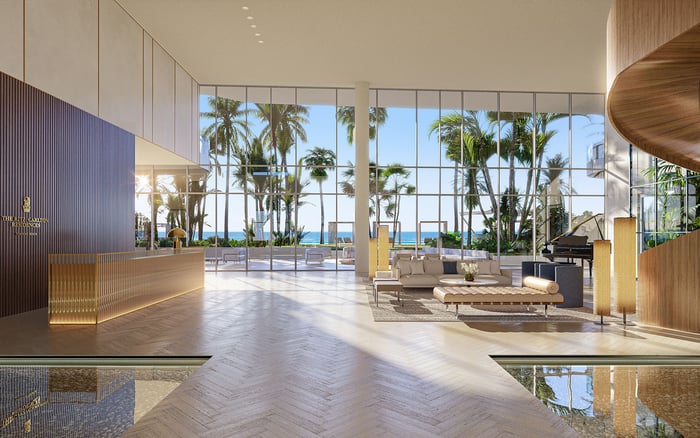
The most refined substitute is often an entry gallery with concealed storage. Instead of benches and hooks, think full-height millwork, flush doors, stone or porcelain flooring, and a discreet landing surface for keys, eyewear, and small accessories. This approach works especially well when the arrival is public-facing and must preserve a polished first impression.
A laundry vestibule is another strong option. When located near a secondary entrance, it can receive wet items, towels, washable bags, and daily clothing overflow without becoming a visual liability. The key is to avoid making it feel like a back-of-house afterthought. Cabinetry, lighting, and hardware should align with the rest of the residence.
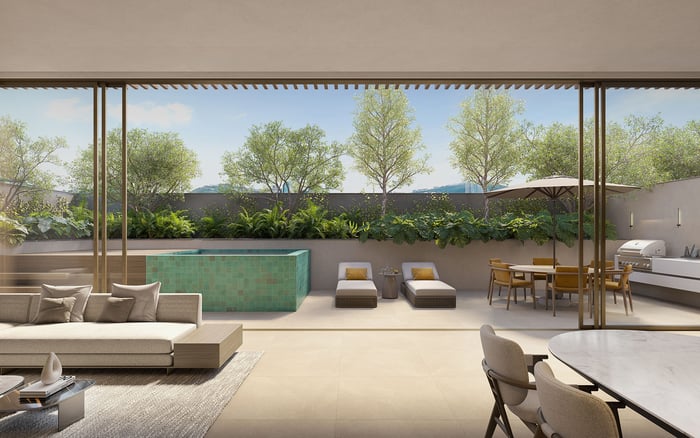
For homes with pool or garden access, the cabana bath can carry much of the mudroom burden. Add closed towel storage, hooks hidden behind a door, a small hamper zone, and durable surfaces that can handle water. If the cabana bath is beautiful enough to serve guests, it can also be practical enough to protect the main rooms.
A garage arrival can be transformed with custom cabinetry, integrated charging, sports storage, and a refined floor finish. This is not about turning the garage into a display closet. It is about giving the household a disciplined transition before anyone reaches the kitchen.
In larger residences, a service corridor or staff entrance may be the most effective solution. Deliveries, florals, pet care, dry cleaning, and housekeeping supplies can be routed away from the primary entertaining spaces. The design should still be attractive, but its highest luxury is operational privacy.
First, prioritize surfaces. South Florida arrival zones need materials that are easy to maintain and visually calm. Stone, porcelain, high-performance wall finishes, and durable millwork can all contribute to a sense of permanence. The finish palette should not feel overly utilitarian. In a luxury home, practical spaces still deserve proportion and restraint.
Second, consider air movement. A closed cabinet for wet towels or shoes can solve one problem while creating another. Ventilated doors, thoughtful spacing, and a disciplined laundry plan can keep storage fresh. Owners should think about what is being stored immediately after use, not only how it looks when empty.
Third, design for sightlines. The best arrival zone keeps visual clutter out of the main axis of the home. If the front door opens to a dramatic living room or water view, storage should not compete with that moment. Concealment is often more valuable than square footage.
Fourth, plan for staff and service. Full-time luxury living often includes a rhythm of vendors, deliveries, maintenance, and household support. A well-planned mudroom alternative gives those movements a defined path, reducing interruptions and preserving the private atmosphere of the residence.
Finally, be honest about behavior. If the household naturally drops bags at the kitchen island, the solution may need to live between the garage and kitchen. If towels pile near the pool door, storage belongs there. Design should improve habits, not deny them.
In a condominium, the elevator arrival is critical. A private foyer can include a concealed closet, a refined console, umbrella storage, and a small zone for daily essentials. The design must feel like part of the residence, not an apartment hallway adaptation. Where space is limited, depth and precision matter more than quantity.
In a townhouse or villa, a secondary entrance can often do the heaviest work. This is where a narrow vestibule, a built-in bench, or a compact laundry connection can create meaningful order. The room does not need to be large. It needs to be placed correctly.
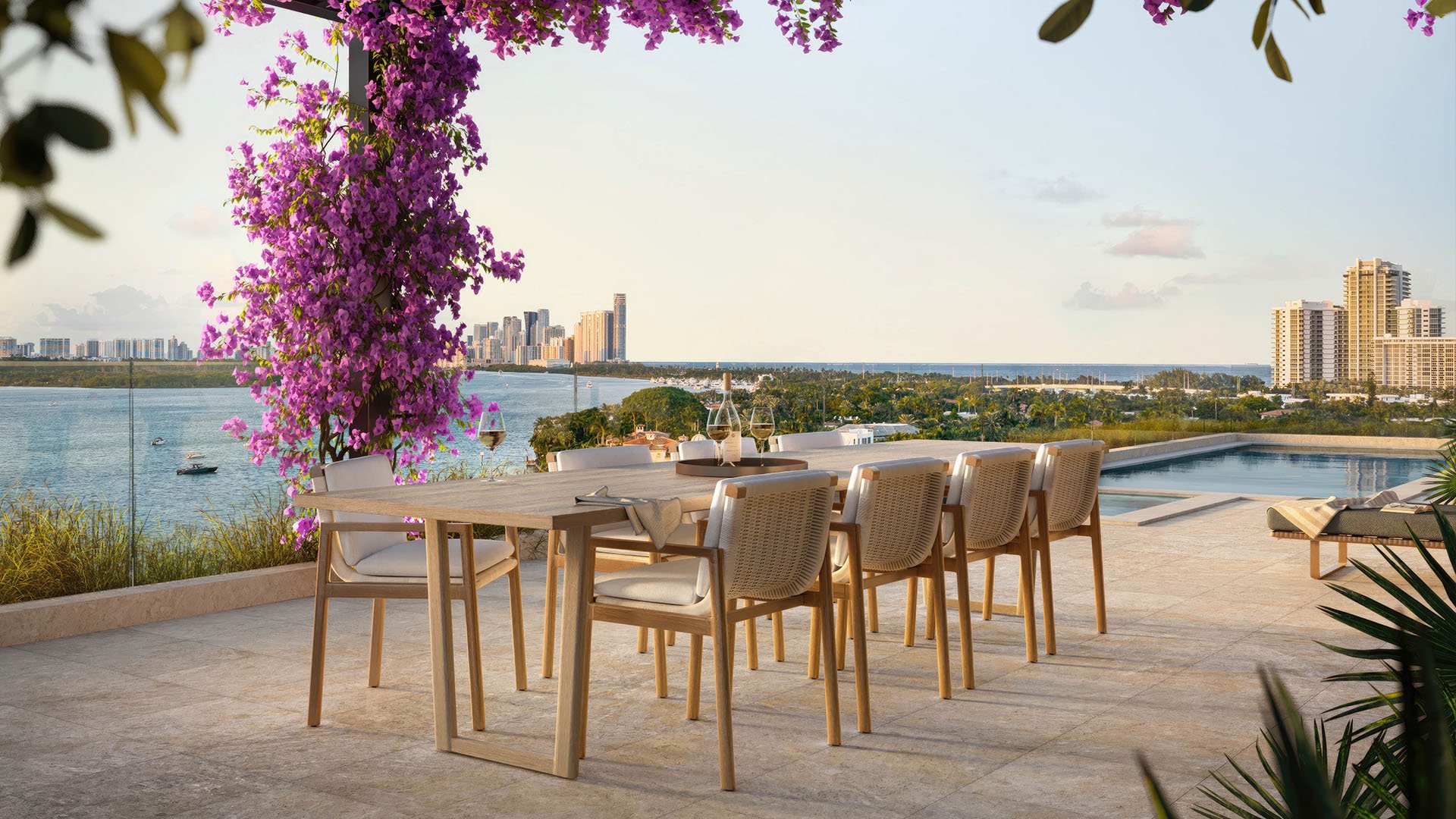
In a waterfront estate, outdoor transitions deserve special attention. A dock, garden, pool deck, or summer kitchen can generate daily traffic that never touches the formal front door. The strongest plan may include multiple micro-zones, each serving one type of movement.
For a full-floor residence or penthouse, storage should be distributed rather than concentrated. A terrace closet for outdoor accessories, a service pantry for deliveries, and a refined entry closet for personal items can work together without sacrificing the architectural drama of the home.
Mudroom alternatives are most successful when they look inevitable. Cabinetry should align with adjacent wall planes. Hardware should be quiet. Lighting should be flattering but functional. Flooring transitions should be deliberate rather than abrupt.
Owners should avoid over-customizing around a temporary phase of life. A wall of tiny cubbies may suit young children for a few years, but it can age quickly. Flexible shelves, adjustable interiors, concealed hampers, and elegant closed storage tend to have broader appeal over time.
The same principle applies to color and material. A dramatic utility zone may be charming in isolation, but if it clashes with the main interiors, it can feel like a renovation fragment. A better approach is to borrow the home’s primary design language and make it slightly more resilient.
The luxury is not in making the space precious. It is in making daily life feel composed. When the arrival sequence is right, the home receives real life without letting real life take over.
Do South Florida homes need traditional mudrooms? Not always. Many homes work better with discreet arrival zones, concealed storage, or cabana bath solutions tailored to the way the household enters.
What is the best mudroom alternative for a condo? A private foyer with built-in concealed storage is often the most elegant choice. It preserves the arrival experience while managing daily essentials.
Can a laundry room replace a mudroom? Yes, if it is located near a common entry point and designed with durable finishes, closed storage, and a place for wet or washable items.
How should owners handle pool towels and wet gear? Keep them close to the pool or cabana bath whenever possible. This prevents moisture and clutter from traveling through the main rooms.
Are open hooks appropriate in a luxury entry? They can be useful in secondary zones, but primary entries usually benefit from closed storage. Concealment keeps the architecture calm.
What should pet owners prioritize? Pet supplies should be stored near the most-used outdoor access point. Closed cabinetry, washable surfaces, and a defined leash area are helpful.
Is a garage entry worth upgrading? Yes, especially for full-time owners who use it daily. A refined garage arrival can improve the entire household routine.
Should mudroom alternatives match the main interiors? They should feel connected to the design language of the home. More durable materials can still look sophisticated and cohesive.
Can small spaces work as arrival zones? Absolutely. A narrow vestibule, shallow cabinet, or hidden closet can be highly effective when it is placed in the right circulation path.
What is the biggest mistake owners make? Designing for an imagined entry rather than the one the household actually uses. The best solution follows real movement through the home.
For a tailored shortlist and next-step guidance, connect with MILLION.
If branded residences are on your mind — as a home or as an allocation — we would be glad to share what we are seeing, privately.
Begin a quiet conversation