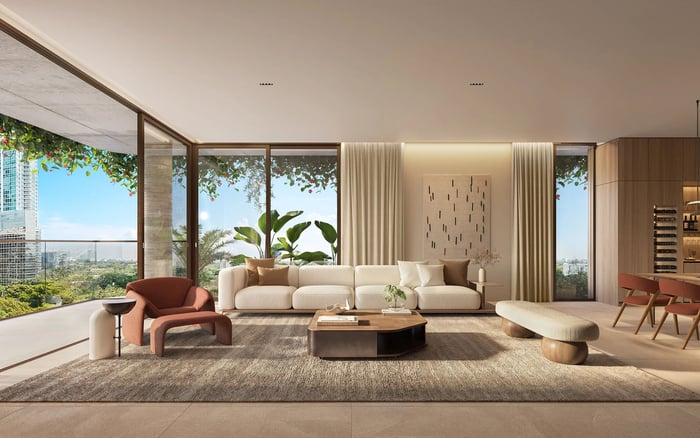
A discreet buyer’s guide to reading bathroom count as a signal of privacy, entertaining capacity, household rhythm, and long-term value in South Florida luxury residences.
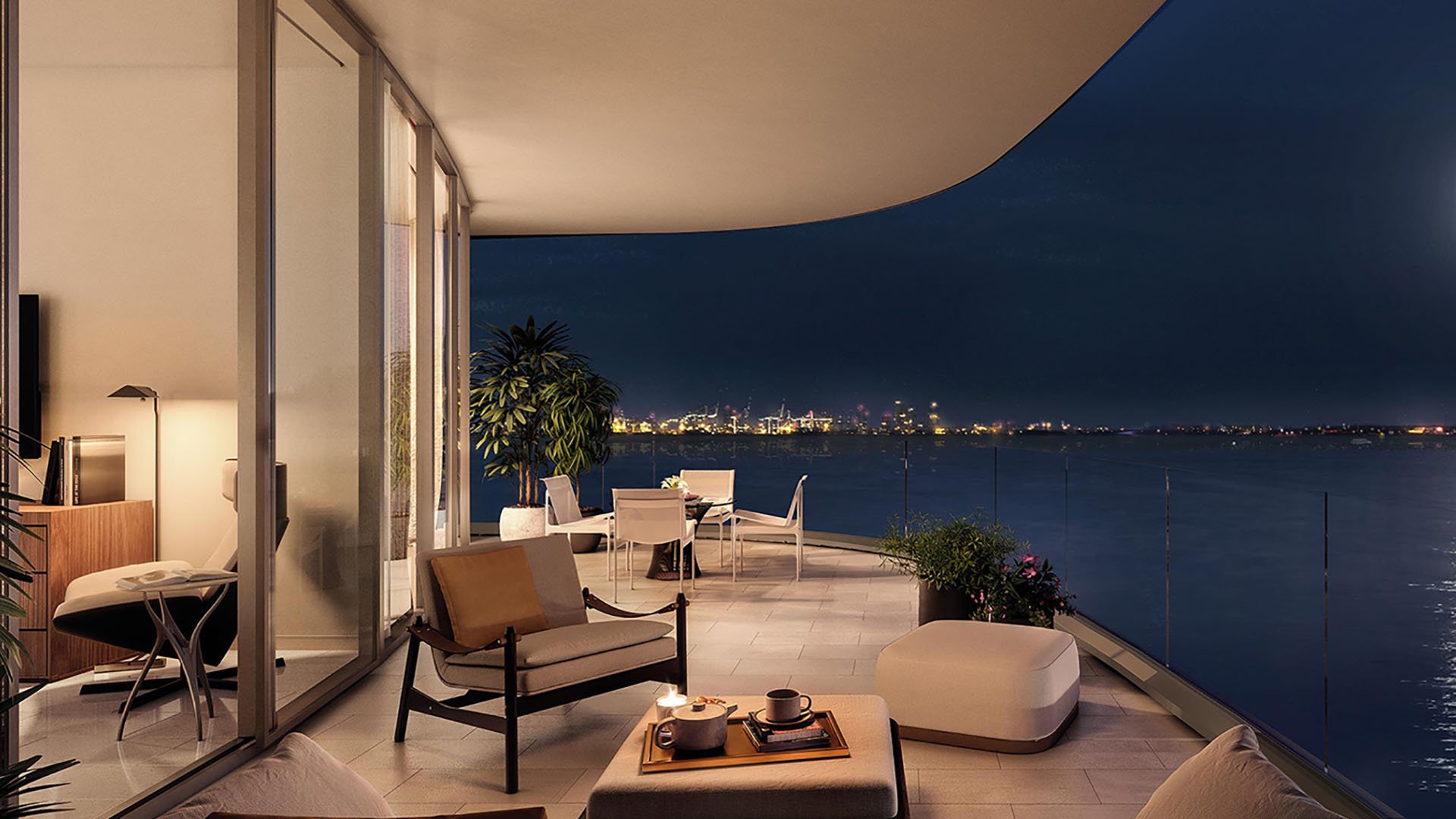
For South Florida’s luxury buyer, bathroom count has always mattered. In 2026, the question is more nuanced. The old shorthand-more bedrooms require more baths-no longer captures how buyers evaluate a serious residence. The sharper question is whether the bathroom plan supports privacy, entertaining, wellness, staff circulation, and the multigenerational use that defines many waterfront and urban homes.
A residence may advertise a generous total, but the number alone is never the full story. A half bath near the entry can carry more daily value than an extra secondary bath tucked down a private corridor. A cabana bath near a pool can transform a weekend gathering. A well-placed powder room can preserve the intimacy of bedroom suites when guests arrive after dinner. Bathroom count has become a proxy for how gracefully a home separates public and private life.
This is especially true in South Florida, where living frequently extends outdoors, guests often stay longer, and residences are expected to perform as both retreat and social setting. The best layouts feel effortless because their service logic has been solved quietly.
Not all bathrooms carry the same weight. A primary bath is a private ritual space, often judged by light, storage, separation, and the ease with which two people can use it at once. Secondary en suites answer a different question: can family or guests occupy the home without negotiation? Powder rooms are about hospitality. Cabana baths are about movement between water, terrace, and interior. Staff or service baths, where present, signal a residence designed for support without intrusion.
The buyer’s task is to understand the hierarchy. A three-bedroom residence with three en suite baths and a powder room can feel more complete than a larger home where guests must pass through sleeping areas. Similarly, a penthouse may impress with square footage, but if bathroom placement does not align with the entertaining plan, the experience can feel oddly compromised.
For 2026 buyers, the conversation is less “How many?” and more “Where, for whom, and under what circumstances?” That line of questioning reveals whether a home was planned for real life or merely drawn to satisfy a marketable ratio.
South Florida entertaining is fluid. A quiet dinner can become a terrace gathering. A day by the water can continue into cocktails. Friends may arrive in resort attire and leave after midnight. In this context, the powder room and outdoor-adjacent bath become crucial. They allow guests to move through social zones without crossing the family’s private quarters.
A terrace, a deep balcony, or a poolside lounge can function at a high level only when the support spaces are nearby. The same principle applies in vertical living. In Brickell, where many buyers compare glass-wrapped residences with dramatic views, the most satisfying floor plans do more than frame the skyline. They anticipate where guests enter, where they refresh, and how the hosts remain relaxed throughout the evening.
Bathroom count also intersects with furniture planning. If the main entertaining area is open, the powder room must be discreet but not difficult to find. If the dining room is formal, the guest bath should not require a tour through the residence. If the home has an office used for meetings, a nearby half bath can preserve the privacy of the rest of the household.
Luxury is often described through finishes, views, and amenities, but privacy is the quieter metric. Bathroom placement is one of the clearest ways to measure it. A thoughtful plan lets every occupant maintain dignity. Children, extended family, overnight guests, and live-in support each have different rhythms. The right bathroom count reduces friction.
This matters in second homes as much as primary residences. A South Florida property may host visiting family for holidays, adult children for long weekends, or friends escaping winter. A bedroom without an en suite can still work, but only if the shared bath is positioned intelligently. A shared bath placed too close to the social area may feel exposed. One placed too deep in the private wing may feel inconvenient for guests.
Buyers should also consider morning and evening compression. A home can feel spacious at noon and strained at 8 a.m. when several people are preparing to leave. The best bathroom plans absorb that pressure without requiring a schedule.
The bathroom has become a wellness room in miniature. Buyers increasingly read the primary bath as part spa, part dressing ritual, part decompression chamber. This does not require theatrical design. It requires proportion, storage, quiet ventilation, layered lighting, and a relationship to the bedroom that feels private without being isolated.
A generous shower may matter more than a seldom-used tub for one buyer, while another may consider a soaking tub essential. Dual water closets, separate vanities, linen storage, and space for beauty or grooming routines can influence how a residence feels day after day. The count may get a buyer through the door, but the quality of the primary bath often shapes the emotional decision.
In new-construction residences, buyers should study plans carefully rather than assume every bath delivers the same standard. The difference between a secondary bath that feels complete and one that feels compressed may affect guest comfort, rental flexibility, and the future resale conversation.
Bathroom count can influence investment logic because it speaks to the breadth of the future buyer pool. A residence that allows each bedroom to function independently may appeal to families, seasonal users, and hosts. A home with a strong powder room strategy may appeal to buyers who entertain. A plan with only the minimum count may still succeed, but it often asks the buyer to accept a lifestyle compromise.
That compromise becomes more visible at the upper end of the market. Buyers paying for premium views, privacy, and finish quality usually expect the plan to match. If the bedroom count is ambitious but the bathroom plan is thin, the residence may feel stretched. If the bath count is generous but poorly located, the total can look better on paper than it lives in practice.
The most durable layouts are not necessarily the ones with the highest number. They are the ones with the fewest awkward moments. No guest searching through private halls. No pool traffic crossing a formal living room. No secondary bedroom dependent on a bath that doubles as the main guest powder room. These are the small frictions sophisticated buyers notice quickly.
A strong showing strategy is simple: walk the home by use case. Arrive as a guest. Where is the first bathroom? Host a dinner in your mind. Does the powder room support the social space? Imagine a weekend with family. Do the guest suites feel self-sufficient? Picture a morning when every bedroom is occupied. Does the plan still feel calm?
Then study the invisible adjacencies. Is the primary bath buffered from the living areas? Can someone use a guest bath without passing the kitchen? Is there a logical bath for the pool or beach return? Does a service provider have access without moving through intimate rooms? These details rarely photograph as dramatically as marble or water views, but they determine whether the residence feels composed.
The 2026 buyer behind the bathroom count is ultimately asking a deeper question: will this home protect my lifestyle when it is full, active, and being used as intended? The best residences answer yes without announcing the effort.
Why does bathroom count matter so much in luxury real estate? It reflects privacy, guest comfort, and how well the residence supports daily life. The total matters, but placement matters more.
Is one bathroom per bedroom always enough? It is a strong baseline, but many luxury buyers also expect a powder room or outdoor-adjacent bath. The right answer depends on how the home is used.
What is the role of a powder room? A powder room protects bedroom privacy during entertaining. It should be convenient for guests without feeling exposed.
Should buyers prioritize a cabana bath? It can be highly valuable in homes with a pool, beach access, or large outdoor living areas. It keeps wet traffic away from formal interiors.
How should I judge a primary bathroom? Look at proportion, storage, privacy, lighting, and whether two people can use it comfortably. Finishes should support function, not distract from it.
Can too many bathrooms be a problem? Only if the plan feels inefficient or maintenance becomes excessive. A well-designed count should feel natural rather than inflated.
Does bathroom count affect resale? It can shape future buyer interest because it influences flexibility and comfort. Strong en suite planning usually reads well across buyer profiles.
What should I check in a condo floor plan? Study guest access, en suite privacy, powder room location, and the path from terrace or amenity use. Small placement choices can change the experience.
Is bathroom quality as important as quantity? Yes. A beautifully placed, well-proportioned bath can add more daily value than an extra bath in an awkward location.
What is the best way to shortlist comparable options for touring? Start with location fit, delivery status, and daily lifestyle priorities, then compare stacks and elevations to validate views and privacy.
For a confidential assessment and a building-by-building shortlist, connect with MILLION.
If branded residences are on your mind — as a home or as an allocation — we would be glad to share what we are seeing, privately.
Begin a quiet conversation