A buyer-focused comparison of Auberge Beach Residences & Spa Fort Lauderdale and ORA by Casa Tua Brickell, examining how coastal resort wellness and urban hospitality shape daily ownership, privacy, spa traffic, and long-stay livability.

For South Florida’s luxury buyer, wellness is no longer defined by a gym, a treatment room, or a pool deck. The more revealing question is how wellness changes the way a residence is actually lived in. Does the building feel restorative after a long flight? Do common areas remain composed when residents, guests, and service teams overlap? Can an owner stay for several weeks without feeling dependent on a car, a hotel reservation, or a fragmented daily routine?
That is the real comparison between Auberge Beach Residences & Spa Fort Lauderdale and ORA by Casa Tua Brickell. One is rooted in oceanfront resort living, where beachfront calm, spa culture, pools, dining, and concierge-style services shape the ownership rhythm. The other is a Brickell city-base concept shaped by hospitality, social energy, restaurants, work areas, fitness, and programming. The distinction is not better versus worse. It is coastal resort wellness versus urban hospitality lifestyle.
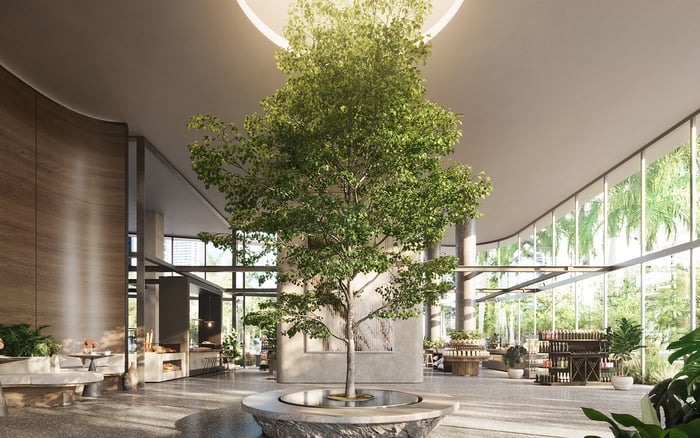
Auberge Beach Residences & Spa Fort Lauderdale is positioned as an oceanfront luxury condominium with a resort-residential ownership experience. Its wellness identity is anchored by a mature spa-and-resort model rather than a purely residential amenity package. That matters because a hospitality-forward wellness environment can support a broader treatment culture, more structured service, and a deeper sense of arrival.
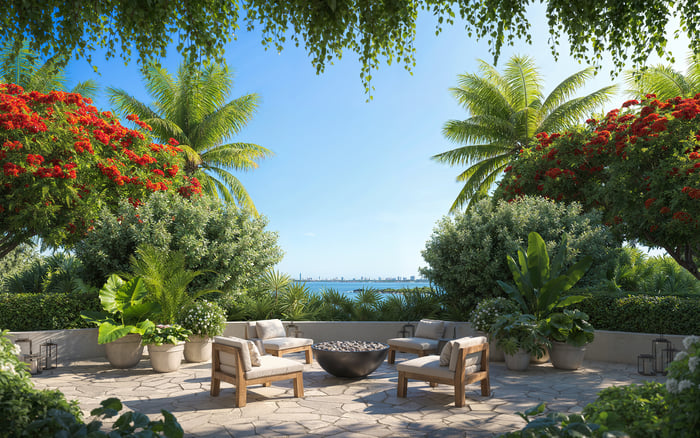
The appeal is strongest for an owner who wants the residence to function as a retreat. Mornings can be organized around the beach, outdoor movement, water views, pool time, spa access, and a slower coastal cadence. For long stays, this is not incidental. A building that supports restorative routines can make extended ownership feel less like occupying a condo and more like inhabiting a private resort base.
In the Fort Lauderdale market conversation, Auberge is especially relevant to buyers who value quiet, sea air, and hotel-caliber ease over dense urban nightlife. It is better aligned with an owner who wants the day to begin outdoors, continue through service-supported amenities, and end in a calmer residential setting. For a second-home buyer, that may be the difference between occasional use and a residence that becomes part of a repeat seasonal pattern.
ORA by Casa Tua Brickell approaches wellness from a different angle. It is positioned as a Brickell luxury tower shaped by Casa Tua’s hospitality, dining, and social-lifestyle identity. Rather than presenting wellness as a standalone spa resort, ORA’s concept sits inside a broader ecosystem that can combine fitness, social spaces, dining, work areas, and programming.
That makes the ownership experience more urban, more flexible, and likely more club-like. For buyers who want Miami as a daily base rather than a beachfront escape, ORA’s location is central to its livability. Brickell offers proximity to restaurants, offices, services, fitness options, and daily conveniences. The wellness value is not only what happens inside the building. It is also the ability to step into a dense urban network without planning every movement around transportation.
This distinction matters for owners who stay longer than a weekend. A spa-driven retreat can be deeply restorative, but an urban residence can be more practical for owners who mix business, dining, social commitments, and flexible use. ORA by Casa Tua Brickell is strongest for buyers who want that integrated Miami lifestyle, where wellness is part of a wider pattern of movement, convenience, and social access.
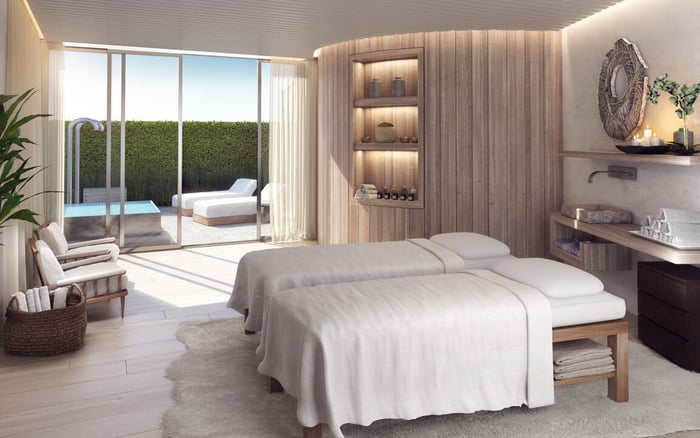
Spa traffic is one of the least discussed but most important elements in branded and hospitality-influenced residential ownership. A robust spa can be a genuine advantage, especially when it brings treatment depth, staffing, and a sense of professionalized wellness. But the same strength can affect how private a building feels, particularly during peak periods around spa reception, pools, dining, valet, or arrival areas.
At Auberge, the resort-residential character may create more shared amenity traffic than a strictly private condominium. For some owners, that is precisely the point: atmosphere, service, energy, and a fuller resort experience. For others, the trade-off is worth studying carefully, especially if daily privacy is a priority. The question is not whether activity is good or bad. It is whether the activity supports the way the owner wants to live.
At ORA, the format is likely to feel more residential-urban in everyday use, though the final wellness menu and access experience depend on operating structure and resident demand. Its wellness spaces may feel more woven into daily life than destination-spa driven. The result could be a different kind of privacy: less resort intensity, but more social and lifestyle programming around the building’s hospitality identity.
A buyer comparing Auberge and ORA should move beyond amenity count. The better lens is long-stay livability. If an owner plans to spend several weeks at a time in residence, the small frictions become more visible. How easy is it to maintain routines? How often will common spaces feel busy? Does the location reduce or increase logistical dependence? Does the building support quiet recovery, social life, work, dining, and daily errands in the right proportions?
Auberge is the stronger fit for buyers prioritizing beachfront calm, resort services, restorative routines, and a coastal retreat atmosphere. It is a place for owners who want the property itself to carry much of the lifestyle. The beach, spa, pool, dining, and service environment form a relatively complete daily world.
ORA is the stronger fit for buyers prioritizing Brickell convenience, social programming, restaurants, flexible use, and access to Miami’s urban services. It is more compelling for those who want a city residence that can flex between personal retreat, business base, and social hub. The building is part of the lifestyle, but the neighborhood is also central to the experience.
Luxury buyers often say they want convenience, but convenience has different meanings. At Auberge, convenience means resort-style ease: services, beach access, spa culture, pools, dining, and an environment built for retreat. At ORA, convenience means urban proximity: restaurants, offices, services, fitness options, workspaces, and the ability to participate in Miami’s daily rhythm without leaving the district.
The same is true of privacy. A quiet beachfront base can feel private because it separates the owner from the city. A Brickell residence can feel private because it reduces the need to invite the city into the home; everything needed may be nearby. Each model has its own version of discretion.
The buyer’s task is to match building energy with personal rhythm. An owner who values early morning beach walks, spa treatments, and an atmosphere of retreat will likely read Auberge differently than an owner who values dinner access, meetings, social programming, and walkable convenience. The most refined choice is the one that makes daily life feel effortless, not merely impressive on an amenity sheet.
Auberge Beach Residences & Spa Fort Lauderdale and ORA by Casa Tua Brickell represent two sophisticated directions in South Florida luxury living. Auberge frames wellness through the language of the coast, where the beach and resort services support restoration. ORA frames wellness through the language of the city, where dining, social life, work, fitness, and programming merge into an urban residential ecosystem.
For the right buyer, Auberge offers the stronger emotional pull of retreat. For the right buyer, ORA offers the stronger practical pull of Brickell. The defining question is simple: should the residence remove you from the pace of South Florida, or place you at the center of it with style and control?
Is Auberge Beach Residences & Spa Fort Lauderdale more wellness-focused than ORA? Auberge is more spa-and-resort oriented, while ORA integrates wellness into a broader hospitality and urban lifestyle concept.
Is ORA by Casa Tua Brickell better for long stays? ORA can be stronger for owners who want Brickell convenience, restaurants, work access, services, and social programming during extended stays.
Which property is better for a quiet retreat? Auberge is better aligned with buyers seeking beachfront calm, restorative routines, and a resort-residential atmosphere.
Which property is better for walkability? ORA has the advantage for buyers who value Brickell’s dense urban network of dining, services, offices, and daily conveniences.
Does spa traffic matter when buying a luxury residence? Yes. Spa, pool, dining, valet, and arrival traffic can influence how private or active the ownership experience feels.
Will Auberge feel more like a resort? Yes. Auberge’s identity is rooted in an oceanfront resort-residential model with spa access, pools, dining, and concierge-style services.
Will ORA feel more social? ORA is likely to feel more urban, social, and club-like because of its Casa Tua hospitality identity and Brickell setting.
Which is better for an owner who works while in residence? ORA may be the stronger fit for buyers who need urban services, work areas, restaurants, and business-district proximity.
Should buyers compare only the amenity lists? No. Buyers should evaluate who uses the wellness spaces, how busy common areas feel, and whether the building supports extended daily living.
What is the best way to shortlist comparable options for touring? Start with location fit, delivery status, and daily lifestyle priorities, then compare stacks and elevations to validate views and privacy.
To compare the best-fit options with clarity, connect with MILLION.
If branded residences are on your mind — as a home or as an allocation — we would be glad to share what we are seeing, privately.
Begin a quiet conversation