A discreet buyer’s guide to evaluating marina security, dock protocols, association documents, insurance obligations, and closing diligence for Fisher Island residences.

On Fisher Island, the marina is more than a place to keep a vessel. It is part arrival court, part private-club threshold, and part working waterfront. For a buyer considering a residence near the water, marina security deserves the same scrutiny as building reserves, insurance, title, and association governance.
The issue is not simply whether a dock feels private during a tour. The sharper question is how access is managed when the owner is away, when guests arrive, when crew are servicing a vessel, when a contractor needs after-hours entry, or when weather creates urgency. Marina security is a daily operating system, and sophisticated buyers study that system before closing.
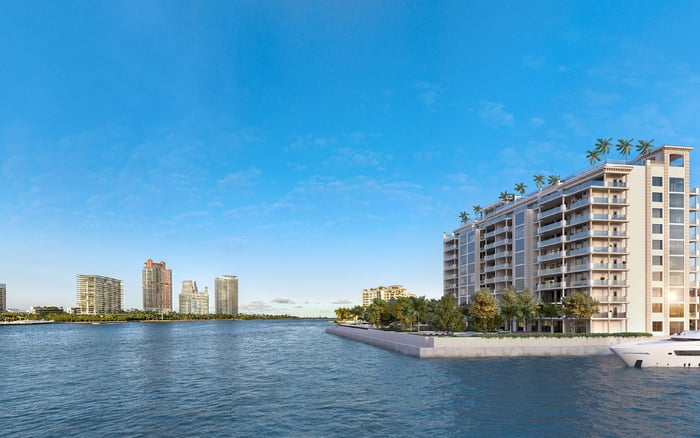
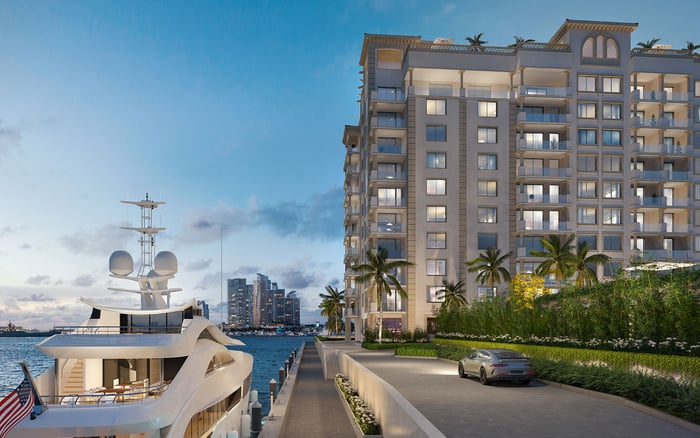
This is especially relevant for waterview residences where the marina contributes to both lifestyle and visual value. At Fisher Island properties such as Palazzo del Sol, Palazzo della Luna, and The Residences at Six Fisher Island, buyers often weigh privacy, circulation, service access, and the relationship between residential life and waterfront operations. The same lens applies across the broader Fisher Island market, where discretion is central to the appeal.
A marina-related review should begin with documents, not impressions. Buyers should ask for the governing materials that address dock use, access rights, marina rules, guest procedures, vessel registration, insurance requirements, maintenance responsibilities, and any limitations on transferability or slip rental.
The key is to determine whether the marina benefit is appurtenant to the residence, separately owned, licensed, leased, assigned, or subject to availability. Each structure can carry different rights and obligations. A boat slip that appears to be part of the lifestyle presentation may, in practice, be governed by separate rules and costs.
Buyers should also understand who controls access. Is entry managed by the island, the building, a marina operator, an association, or some combination? A layered security environment can be desirable, but only when responsibilities are clear. Ambiguity can create inconvenience when an owner needs immediate crew access or when a visiting captain arrives outside ordinary expectations.
Strong marina security is not always visible. Gates, cameras, patrols, lighting, and identification protocols matter, but the more revealing details are operational. Who may enter the dock area without the owner present? How are vendors approved? Are recurring crew members credentialed differently from one-time guests? What happens if a vessel alarm triggers after hours?
A buyer should also ask how incident communication works. If there is a dockside concern, is the owner contacted directly, through management, through a captain, or through an association representative? In a luxury setting, speed and discretion carry equal weight. The best procedures protect privacy without slowing necessary response.
For owners who travel frequently, the review should include remote oversight. Not every owner will visit the marina weekly, and not every vessel will be actively used year-round. The practical question is whether the security and management system can support an absentee owner without constant personal intervention.
Fisher Island ownership is defined in part by controlled access and a quiet social rhythm. Marina security should reinforce that atmosphere, not complicate it. Buyers should consider the complete journey from arrival to residence, including guests who may come by water, vendors who may service the vessel, and household staff who may need to coordinate with crew.
The privacy standard should be consistent. If a residential lobby is tightly controlled but the dock area permits loose circulation, the owner may experience a gap between expectation and reality. Conversely, if the marina is too restrictive without clear procedures, daily convenience can suffer.
For families, the review should also include pedestrian movement near the docks, evening lighting, and how children, guests, and service providers are expected to move between residences and the waterfront. Marina security is partly about property protection, but it is also about comfort.
Before closing, buyers should ask counsel and insurance advisors to review how marina use intersects with liability. Vessel ownership, dock access, crew activity, guest boarding, storm preparation, and maintenance work can all create exposure. The goal is not alarm, but clarity.
Association documents may require specific insurance coverage, proof of vessel registration, hold-harmless language, or compliance with operational rules. Some obligations may fall on the owner; others may fall on the vessel owner, captain, operator, or marina manager. If the residence buyer and vessel owner are not the same person or entity, the structure should be carefully aligned.
The most elegant ownership experience is one where legal rights, practical access, and insurance coverage all point in the same direction. If they do not, the issue should be resolved before closing, not after the first season of ownership.
In South Florida, marina security includes preparation for severe weather. Buyers should understand who is responsible for securing vessels, removing loose items, coordinating haul-out if applicable, and communicating procedures before a storm. The marina’s written rules may be just as important as its physical infrastructure.
Questions should be specific. What notice is given to owners? Are captains required to follow particular timelines? Are there restrictions on leaving a vessel in place during certain conditions? Who has authority to act if the owner is unavailable?
A well-run waterfront environment anticipates these decisions. For a buyer, clear storm protocols can signal disciplined management, while vague answers may indicate future friction.
Luxury buyers often focus the final walk-through on interiors, terraces, appliances, and views. If marina use is central to the purchase, the marina should receive its own walk-through. Visit at different times if possible. Observe lighting, circulation, signage, staff presence, dock condition, and how access is handled in practice.
If the purchase includes or depends on a slip, confirm the exact location, dimensions, permitted vessel parameters, utility access, and any current or pending maintenance issues. Confirm that keys, access credentials, transponders, fobs, registrations, and owner approvals are addressed before closing.
The point is not to turn a lifestyle purchase into a checklist exercise. It is to preserve the lifestyle that made the property compelling in the first place.
For the ultra-premium buyer, marina security is less about fear than stewardship. A private waterfront asset should feel calm, orderly, and intelligently managed. The right questions reveal whether the property can support the owner’s actual life, including travel, guests, staff, crew, seasonal use, and weather planning.
A beautiful view may sell the first impression. Governance, access control, and operational discipline protect the ownership experience after closing. On Fisher Island, that distinction matters.
Should marina security be reviewed before closing? Yes. Buyers should review marina rules, access procedures, and related obligations before key contingencies expire.
Is a boat slip always included with a Fisher Island residence? Not necessarily. Buyers should confirm whether slip rights are owned, leased, licensed, assigned, or subject to availability.
What documents should a buyer request? Ask for association rules, marina regulations, access policies, insurance requirements, and any slip-specific agreements.
Why does vendor access matter? Crew, cleaners, mechanics, and provisioning teams may need regular entry, so approval procedures should be clear and practical.
Should insurance be reviewed separately? Yes. Marina use can involve vessel, liability, guest, crew, and storm-related considerations that merit specialist review.
How important are storm protocols? Very important. Buyers should understand who acts, when notices are sent, and what owners must do before severe weather.
Can marina rules affect resale value? They can influence buyer perception, especially when waterfront convenience and privacy are central to the purchase.
Should the final walk-through include the dock area? Yes. If marina use is part of the acquisition, the dock area should be inspected before closing.
What is the biggest mistake buyers make? Treating the marina as an amenity rather than a governed, operational environment with its own rules and risks.
Who should help evaluate marina security? A buyer should coordinate real estate counsel, insurance advisors, property management contacts, and vessel professionals.
To compare the best-fit options with clarity, connect with MILLION.
If branded residences are on your mind — as a home or as an allocation — we would be glad to share what we are seeing, privately.
Begin a quiet conversation