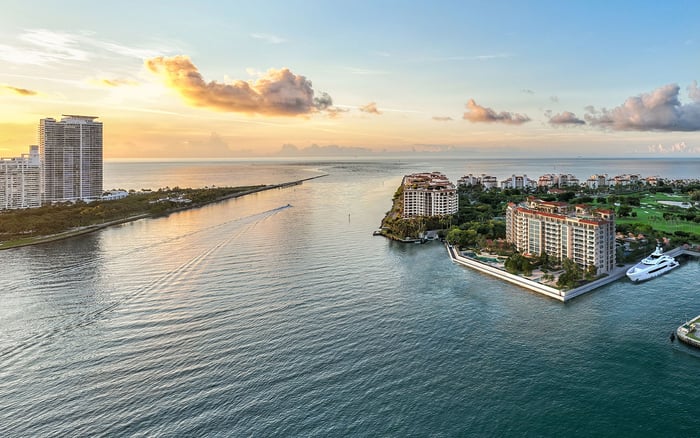
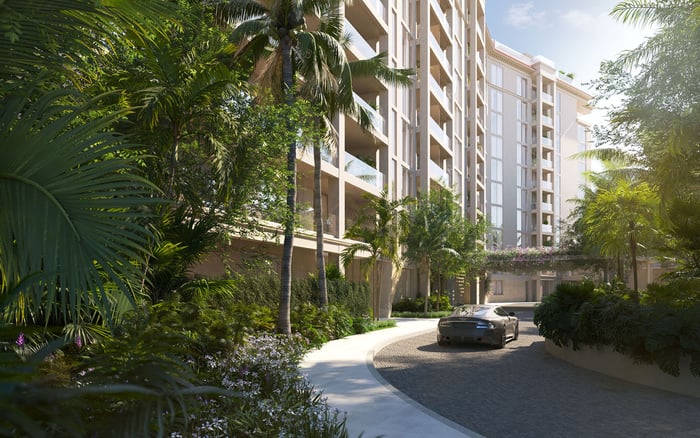
A buyer-side checklist for evaluating deep-water dockage in Fisher Island estate transactions, covering title, permits, vessel fit, environmental constraints, flood risk, and closing leverage.
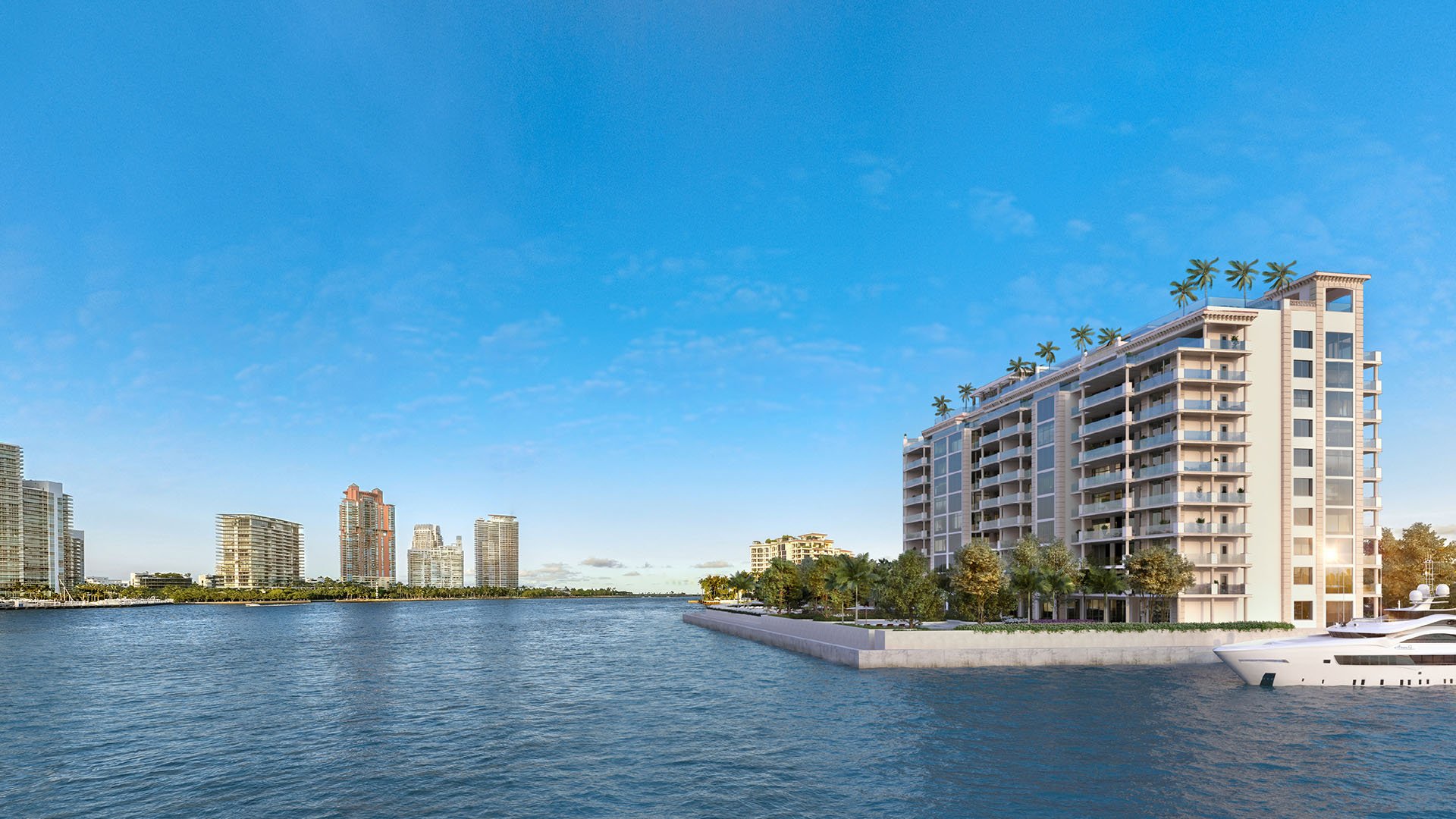
On Fisher Island, a dock is not a decorative amenity. It can be the functional hinge between a private estate, a yacht program, and the daily rhythm of island living. For many buyers, this is more than a Fisher Island lifestyle question; it is a Boat-slip, Marina, and Waterview underwriting exercise that can shape price, contingency structure, insurance planning, and post-closing use.
The most consequential mistake is assuming that “deep-water dockage” in marketing language equals confirmed legal and operational suitability. It may not. A serious buyer should treat dock diligence with the same discipline applied to title, structural systems, privacy, and security. On an island where discretion is part of the value proposition, the cleanest transactions are often the ones where the dock file is assembled early, reviewed quietly, and tested against the vessel that will actually use it.
That same discipline applies whether the buyer is considering an estate-scale residence, a condominium lifestyle, or a broader island comparison that includes The Links Estates at Fisher Island and The Residences at Six Fisher Island. Waterfront language should be read precisely, not emotionally.
The first question is not depth. It is ownership and authority. Confirm the upland parcel, legal description, riparian rights, easements, and recorded dock-related instruments before relying on any advertised dock rights. Property records can help verify parcel boundaries, ownership, assessed data, and whether waterfront improvements appear in the relevant records.
The buyer’s counsel should determine whether the dock, seawall, lift, utilities, access walkway, and related structures sit wholly within the upland parcel’s rights or extend waterward into areas requiring separate authorization. Structures beyond the shoreline may involve sovereign submerged lands, where consent, an easement, or a lease may be relevant. If the right to maintain or use the dock depends on a recorded instrument, the exact terms matter: duration, transferability, maintenance obligations, insurance, repair rights, and any restrictions on vessel size or commercial use.
Request surveys, as-builts, permits, submerged-land authorizations, maintenance records, correspondence, and any association approvals early enough to support inspection periods. If the seller cannot produce a coherent dock file, that absence is itself a negotiation point.
A dock that exists physically is not necessarily clean from a permitting standpoint. Construction, alteration, maintenance, removal, and abandonment of work affecting surface waters can trigger environmental review. Dredging, shoreline stabilization, pilings, dock expansions, lifts, utility upgrades, and seawall modifications may also require state, county, federal, and association analysis.
For Fisher Island buyers, the practical takeaway is simple: separate current legality from future ambition. A buyer may be comfortable with the dock as-is but should not assume that a deeper berth, a wider platform, a new lift, or a revised approach channel can be created after closing. Dredging commonly raises submerged-land, habitat, and permitting questions. County environmental rules may affect coastal construction, filling, water quality, mangroves, and shoreline work.
This is where comparison shopping can be clarifying. A buyer evaluating Palazzo del Sol or Palazzo della Luna may be focused on service, privacy, and arrival sequence, while an estate buyer with a yacht must also confirm the legal anatomy of the waterfront itself.
“Deep water” is not a universal category. It is a vessel-specific conclusion. The right analysis tests actual depth, draft, beam, length overall, swing room, turning radius, approach channel, tide range, currents, and under-keel clearance. A site-specific sounding or current hydrographic survey is more useful than a listing phrase, particularly for larger yachts operating near narrow approaches or busy channels.
The checklist should include the route from the berth to Biscayne Bay, Government Cut, and the Atlantic, along with obstructions, aids to navigation, restricted areas, and practical maneuvering considerations. Tide and current conditions can materially affect under-keel clearance and handling. Navigation notices should be checked for hazards, construction, dredging activity, or temporary restrictions that could affect yacht access.
A prudent buyer will ask the captain, marine surveyor, and waterfront engineer to review the same file. The question is not only whether the yacht can sit at the dock. It is whether it can arrive, depart, turn, load, fuel, connect utilities, and operate safely under real conditions.
South Florida’s coastal environment adds a second layer of diligence. Protected seagrass habitat can be a major constraint, and the review should consider whether prop wash, dock shading, dredging, pilings, or construction could affect sensitive resources. If deeper water is needed, the buyer should treat that as a separate feasibility study, not a closing assumption.
Flood risk also belongs in the dock file. Review flood zone, base flood elevation, insurance implications, seawall condition, dock elevation, fixed-pier usability, storm repair expectations, and longer-term exposure to sea-level rise, storm surge, king tides, and nuisance flooding. A dock that works elegantly today may require adaptation planning over a long ownership horizon.
Before contingencies expire, the buyer’s team should have a complete file: title and legal review, recorded rights, boundary confirmation, permits and authorizations, as-builts, structural inspection, hydrographic survey, environmental screen, flood-risk review, vessel-fit analysis, utility review, maintenance history, and association correspondence. If future work is contemplated, each item should be priced and treated as conditional: expansion, lift installation, utility upgrades, dredging, seawall modification, or repairs.
The most sophisticated buyers use this work not to create friction, but to create certainty. If the dock supports the intended yacht program, it reinforces the estate’s value. If it does not, the buyer can renegotiate, escrow, narrow the use case, or walk away before inheriting a waterfront problem with a trophy address.
Is advertised deep-water dockage enough for a Fisher Island buyer? No. Depth and dock rights should be verified through records, surveys, permits, and vessel-specific testing.
What should be reviewed first in a dock diligence file? Start with the upland parcel, legal description, riparian rights, easements, and recorded dock instruments.
Can a buyer assume dredging will be approved after closing? No. Dredging can raise environmental, submerged-land, county, and federal permitting issues.
Why does vessel fit require more than depth? Draft, beam, length, turning radius, tide range, currents, approach channels, and under-keel clearance all matter.
Should the captain participate in diligence? Yes. The captain can assess real maneuvering, docking, routing, clearance, and operating constraints.
Do dock improvements need separate approvals? They may. Lifts, utilities, expansions, pilings, seawalls, and dredging should each be reviewed separately.
How does environmental review affect value? Habitat constraints can limit modification options, delay work, increase cost, or prevent certain improvements.
Why review flood maps for a dock purchase? Flood data can affect insurance, repair planning, dock elevation, seawall strategy, and long-term usability.
Can missing dock records affect negotiations? Yes. Missing permits, surveys, as-builts, or authorizations can support escrow demands or price adjustments.
Is this checklist a substitute for legal or engineering advice? No. It is a buyer-side framework to organize the specialists needed before closing.
For a discreet conversation and a curated building-by-building shortlist, connect with MILLION.
If branded residences are on your mind — as a home or as an allocation — we would be glad to share what we are seeing, privately.
Begin a quiet conversation