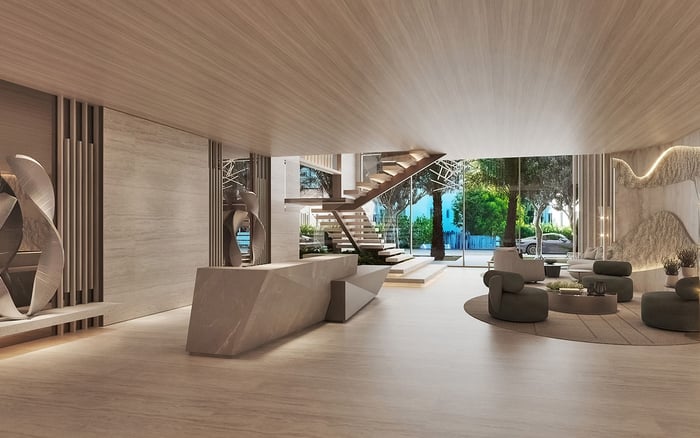
A buyer-focused guide to evaluating home-office acoustics at La Maré Bay Harbor Islands, including exterior noise, glazing ratings, inter-unit isolation, HVAC placement, interior finishes, upgrade flexibility, building rules, and the importance of written acoustic commitments for pre-construction purchasers.
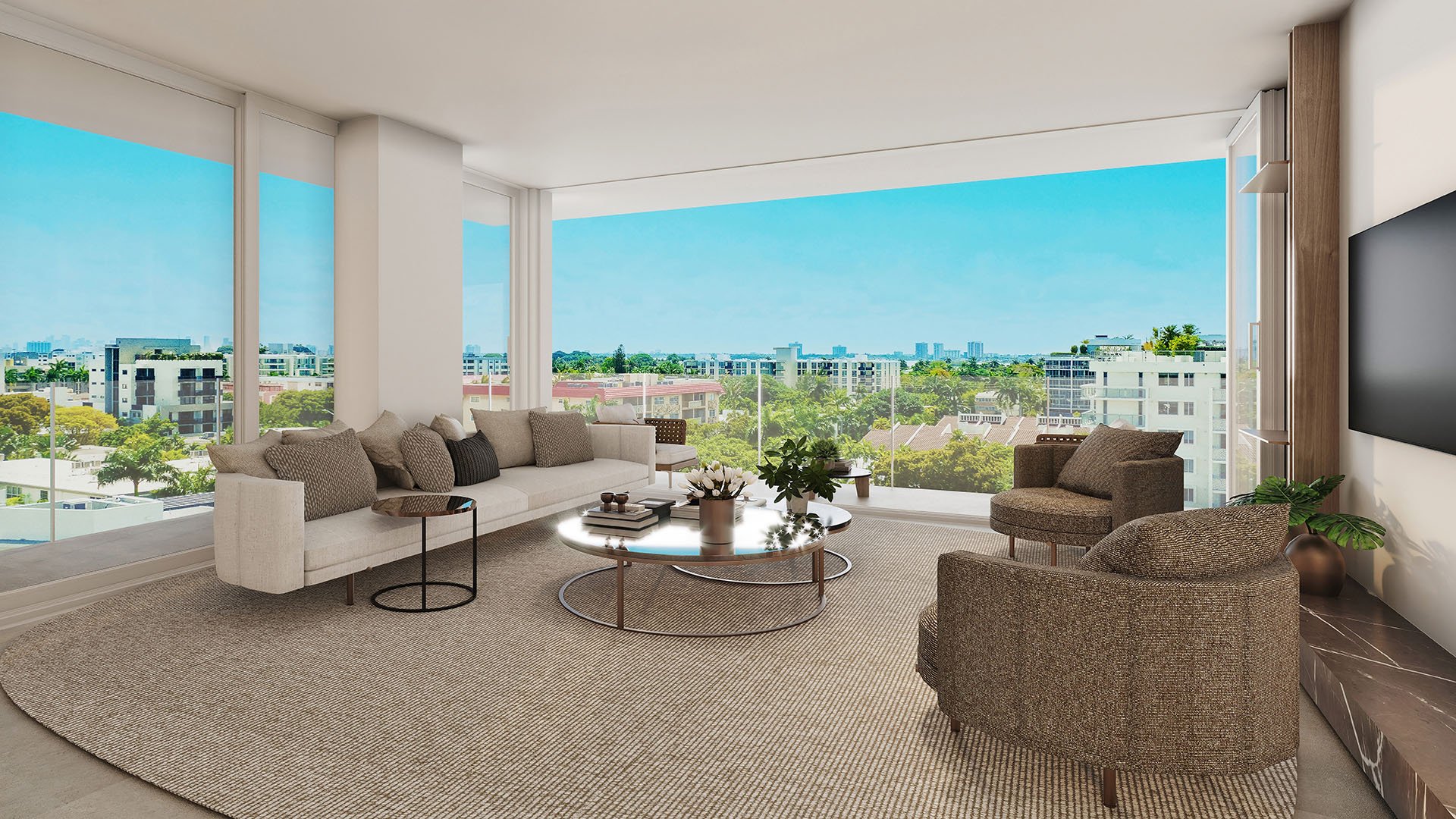
At La Maré Bay Harbor Islands, the home-office conversation should be as precise as the discussion around water, light, terrace depth, and interior finish. A luxury waterfront residence can feel serene in a rendering, but the real test for an executive, founder, attorney, physician, investor, or creative professional is whether the home can support sustained focus, confidential calls, and polished video meetings.
That requires acoustic due diligence. Buyers should not assume that a high-end residence is automatically a high-performance office. They should ask how the residence is designed to manage exterior sound, interior transmission, mechanical noise, and reverberation. In a Bay Harbor setting, that means considering waterfront activity, streets, neighboring properties, amenity patterns, and the daily rhythms of a sophisticated residential building.
The objective is not to turn a residence into a recording studio. It is to understand whether the most important room for work can be made calm, private, and consistent enough for the way the buyer actually lives.
The first question is simple: how does the exterior envelope reduce noise from outside the residence? Waterfront homes may benefit from open views and expansive glazing, but glass and sliding-door systems are often the most important acoustic variables. Buyers should request details on the acoustic ratings for windows and sliding doors, including STC and OITC where available.
Those numbers matter because different types of noise behave differently. Speech, traffic, marine activity, nearby service movement, and general urban background sound may not be controlled by the same assembly in the same way. A waterview office that looks exceptional can still be distracting if the glazing package is not suited to the buyer’s work habits.
The right request is specific: what are the window and sliding-door acoustic ratings, and how do they compare across rooms? If the intended office faces a more active exposure, the buyer should understand whether that room receives the same acoustic consideration as quieter interior spaces.
A floor plan can look elegant while placing the office in a challenging acoustic position. Buyers should ask whether the proposed office shares walls, floors, or ceilings with elevators, corridors, amenity areas, mechanical rooms, or neighboring residences. Even in a refined boutique setting, adjacency can define the workday.
The most useful exercise is to mark the likely desk location, video-call backdrop, and seating area directly on the plan. Then ask what surrounds those exact points vertically and horizontally. If the office is below a terrace, next to a corridor, above an amenity zone, or adjacent to a neighbor’s entertainment area, the acoustic strategy becomes more important.
Buyers should also ask for inter-unit sound-isolation specifications. The goal is to understand how walls and slabs are designed to limit voices, footsteps, music, and impact noise. In luxury real estate, privacy is not only visual. It is also the ability to speak freely without feeling exposed, and to work without absorbing the life of the building around you.
HVAC is often overlooked until the first video call reveals a low hum, a rush of air, or a grille positioned too close to the microphone. Buyers should verify whether the mechanical systems serving the residence are designed for quiet operation during focused work and virtual meetings.
The practical questions are direct. Where are the air handlers, ducts, vents, and return-air grilles in relation to the likely desk or conference-call area? Are any mechanical rooms close to the intended office? Can airflow be managed without placing a vent directly above the primary work zone?
This is especially important for buyers who expect long calls, recording sessions, telemedicine, legal consultations, financial discussions, or board-level meetings. A room may be visually perfect, but if the mechanical system announces itself in every conversation, it is not performing at the level the residence suggests.
The best home office is separated from the loudest parts of domestic life. Buyers should ask whether the floor plan allows a dedicated office away from bedrooms, kitchens, living rooms, terraces, and entertainment areas. A beautiful den beside the main social space may be ideal for occasional email, but less suitable for confidential calls or multi-hour concentration.
New-construction buyers should think beyond the marketing label of a room. Is the space deep enough for proper furniture placement? Can a door close it off from circulation? Is there a natural wall for a camera background? Can the office remain calm while guests use the terrace or family members move between kitchen and living areas?
At La Maré Bay Harbor Islands, the buyer’s question should not be, “Is there a den?” It should be, “Which room can become a true office, and what needs to be specified now to make it perform?”
Luxury materials can create their own acoustic challenges. Stone, glass, large-format tile, and minimal millwork may produce echo or reverberation inside a room. That does not make them undesirable. It means the home office should be designed as an acoustic environment, not only as a visual composition.
Buyers should ask whether rugs, drapery, wall panels, acoustic treatments, millwork, or built-ins can be incorporated without conflicting with design guidelines. The most elegant solutions are often integrated early: fabric-backed panels behind shelving, heavier drapery that softens glass, custom millwork that breaks up reflections, or a rug that reduces sharpness underfoot.
Speech privacy may also depend on doors, partitions, and interior wall assemblies. Buyers should confirm whether these elements can be upgraded around the office area. A solid-core door, improved seals, or enhanced partitions can matter more in daily use than a decorative finish that photographs beautifully.
Acoustics are not only about construction assemblies. Building rules influence the quiet of daily life. Buyers should review policies for construction hours, amenity use, deliveries, events, renovations, and resident work. These rules can affect whether a residence feels calm at 10 a.m. on a Tuesday, not only at sunset.
For pre-construction purchasers, the most important principle is to request written acoustic-performance commitments rather than relying on renderings or broad sales-language descriptions. The buyer should ask what will be documented, what can be customized, and what level of performance is tied to the actual residence.
If work-from-home performance is central to the purchase, an independent acoustic consultant may be appropriate. This is particularly true for confidential calls, recording, telemedicine, legal work, finance, or executive meetings. A consultant can review plans, identify weak points, and help the buyer ask more exact questions before finishes and partitions become difficult to change.
Before signing, buyers should ask for the window and sliding-door acoustic ratings, the wall and slab sound-isolation specifications, the location of elevators and mechanical rooms, and the HVAC layout serving the unit. They should also ask whether the intended office can be upgraded with better doors, partitions, seals, rugs, drapery, panels, millwork, or built-ins.
The checklist should include lifestyle questions as well. When will construction or renovation work be permitted? How are deliveries handled? What amenity activities may create daytime sound? Are events governed in a way that protects residents who work from home?
For the ultra-premium buyer, these are not minor details. They are the difference between a residence that is merely beautiful and one that supports the complete life of its owner.
Why should La Maré Bay Harbor Islands buyers focus on home-office acoustics? A waterfront residence may appear visually calm, but office performance depends on exterior sound control, room placement, mechanical quiet, and interior finish choices.
What should buyers ask about windows and sliding doors? They should request acoustic ratings, including STC and OITC where available, because glazing is often a weak point in sound isolation.
Is the quietest room always the best office? Not necessarily. The best office should combine quiet adjacency, privacy, practical furniture placement, and separation from busy living areas.
Why do elevators and corridors matter? Shared walls, floors, or ceilings near circulation areas can transmit voices, footsteps, and operational sounds into a work zone.
What should buyers ask about walls and slabs? They should ask how inter-unit assemblies are designed to limit voices, music, footsteps, and impact noise between residences.
Can HVAC affect video calls? Yes. Air handlers, ducts, vents, and return-air grilles can create sound that is noticeable during calls or focused work.
Do luxury finishes make acoustics better or worse? Hard materials such as stone, glass, and large-format tile can create echo unless balanced with softer or absorptive elements.
Can buyers improve speech privacy after purchase? Often, improvements may involve doors, seals, partitions, drapery, rugs, panels, or millwork, but buyers should confirm what is permitted.
Are building rules relevant to work-from-home comfort? Yes. Rules for construction hours, deliveries, events, amenities, and renovations can shape the everyday acoustic experience.
When should a buyer hire an acoustic consultant? A consultant is worth considering when confidential calls, recording, telemedicine, legal work, finance, or executive meetings are central to daily use.
When you're ready to tour or underwrite the options, connect with MILLION.
If branded residences are on your mind — as a home or as an allocation — we would be glad to share what we are seeing, privately.
Begin a quiet conversation