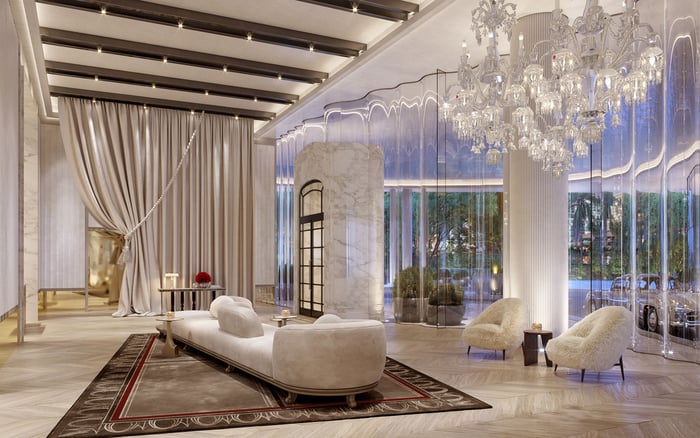
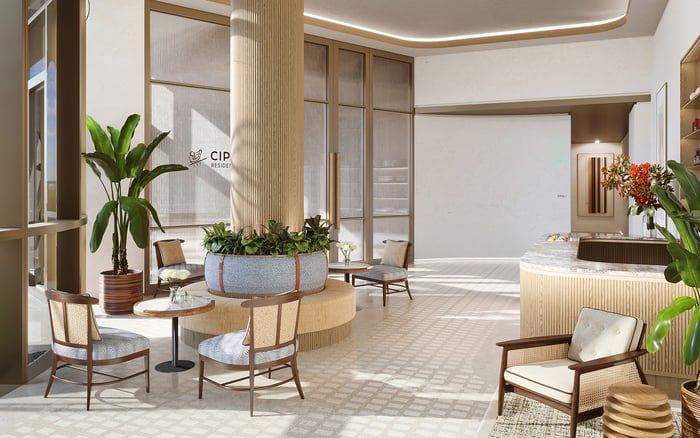
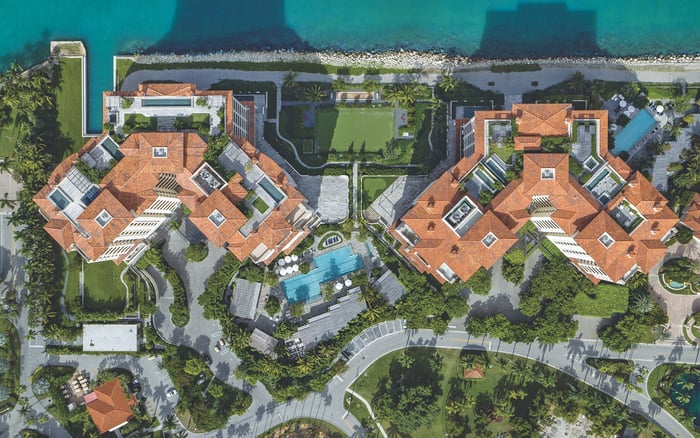
A practical guide for family buyers evaluating spa crowding, privacy, access rules, and everyday wellness convenience in South Florida luxury condominiums.
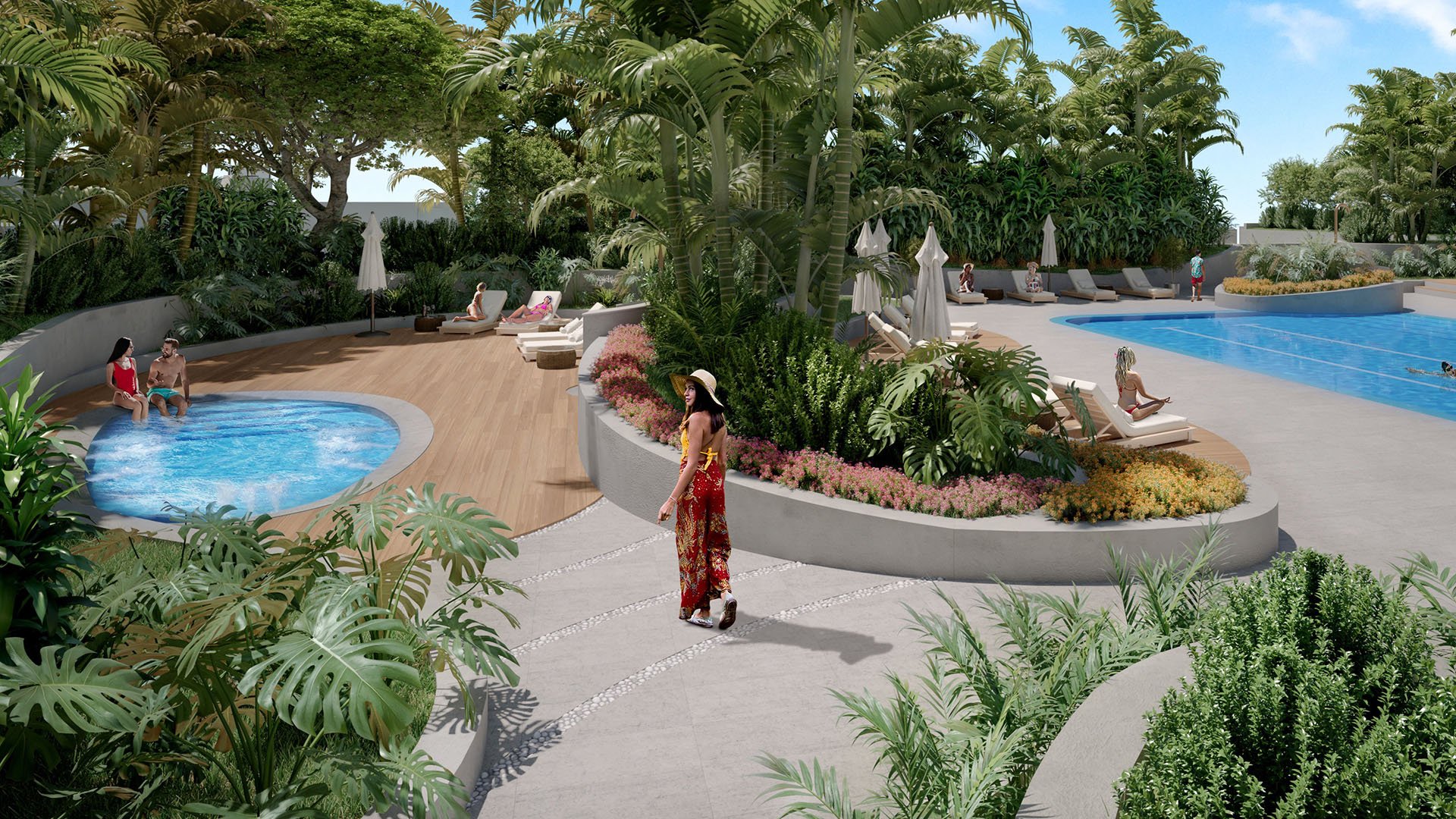
In South Florida’s upper tier of condominium living, the spa has evolved from a pleasant extra into a central part of the residential promise. For family buyers, however, the defining question is not whether the spa photographs beautifully. It is whether the amenity functions gracefully on an ordinary Tuesday, after school pickup, before dinner, or during a long holiday weekend when the building is full.
Spa crowding is more than an inconvenience. It can shape privacy, routine, and the sense of calm many buyers are seeking in the first place. A family choosing between Brickell, Aventura, Edgewater, Surfside, or a Fort Lauderdale search brief may be comparing views, schools, commuting patterns, and floor plans. Yet the wellness program deserves the same scrutiny, particularly when parents expect to use it often while children and guests also influence the rhythm of the building.
The most refined buildings are not always the least crowded, and the most dramatic amenity decks are not always the easiest to use. For families, the best fit is often a residence where wellness feels available, predictable, and well managed rather than theatrical.
A spa is a place. A wellness system is an operating culture. Family buyers should look beyond the visible checklist of steam rooms, saunas, treatment rooms, relaxation lounges, and fitness adjacencies. The deeper issue is how residents move through the amenity, how appointments are managed, how guests are accommodated, and whether the building has enough structure to keep demand from overwhelming the experience.
A spa that serves as a quiet retreat for residents can feel very different from one that becomes a social shortcut, a rainy-day fallback, or an informal waiting area. Families should ask how the amenity is intended to be used. Is it primarily therapeutic and appointment based, or is it open-ended and casual? Are there separate spaces for pre-treatment quiet, post-treatment rest, and general relaxation? Do residents pass through the spa on the way to other amenities, or is it protected from traffic?
These distinctions matter because families often use buildings in layers. One parent may want a treatment, another may be coordinating children’s schedules, and visiting relatives may be curious about the amenities. Without clear boundaries, even a beautifully finished spa can feel busy at the exact moment it should feel restorative.
The most useful due diligence often comes from practical questions. When is the spa most active? Are weekends meaningfully different from weekdays? Do holidays change the experience? Are appointment times spaced to preserve quiet, or scheduled tightly to maximize use? A private showing may reveal finishes, but it rarely reveals congestion.
Families should also consider how their own routines intersect with building life. A couple expecting early morning wellness access will evaluate a spa differently from parents hoping to use it in the late afternoon after school routines settle. Buyers who host grandparents or adult children may need to understand guest limits more carefully than a single owner who rarely entertains.
Privacy is another important dimension. In a resort-style setting, a busier spa may feel energetic and social. In a primary residence, that same energy may feel exposed. For buyers who value discretion, the questions become more specific: Can residents arrive without crossing high-traffic areas? Are locker areas proportionate to expected use? Is there a waiting lounge, or do residents gather in corridors? Is the treatment experience buffered from elevator traffic and pool activity?
Spa crowding rarely occurs in isolation. It often reflects the relationship between pool areas, fitness rooms, lounges, and outdoor decks. When amenities are clustered tightly, families should study how one popular space affects another. A spa positioned beside a heavily used pool deck may inherit noise and foot traffic. A spa attached to a fitness center may see more drop-in activity than one that is intentionally separated.
This does not mean integration is a flaw. In a well-planned building, proximity can be convenient and elegant. The question is whether the design distinguishes between active and quiet uses. A family may welcome a strong fitness program and a vibrant pool scene while still wanting the spa to remain calm. The best amenity plans create transitions, using corridors, reception points, doors, acoustic separation, and staff oversight to signal that the experience has changed.
Parents should also be candid about children’s patterns. Even if children are not using spa facilities directly, their schedules influence how adults use them. A wellness amenity that requires extensive planning may become less valuable than a slightly smaller one that is reliably accessible.
The governing details of spa use can be as important as the architecture. Family buyers should seek clarity on reservation procedures, cancellation rules, guest privileges, age policies, service menus, staffing models, and whether certain facilities are resident-only. If a building permits broad guest access, buyers should understand how that access is controlled. If access is tightly limited, they should decide whether that supports their lifestyle or restricts how they expect to host.
The most important point is alignment. A family buying a second residence may prefer flexible guest privileges because relatives and friends will visit seasonally. A family using the condominium as a primary home may prefer stricter controls that protect daily calm. Neither model is inherently superior. The right answer depends on how the household will actually live.
Buyers should avoid relying on verbal impressions alone. Rules can change, but the current structure reveals how the building thinks about shared luxury. A well-managed spa is not necessarily empty. It is organized, legible, and respectful of residents’ time.
A family visit should include more than a walk-through. If possible, observe the path from residence to spa, the transition from elevators to amenity areas, and the way staff acknowledge residents. Notice whether the spa feels serene because it is empty at an off-hour or because the design and management support calm even when other amenities are active.
Look for subtle indicators. Are towels, lockers, and lounge seating proportionate to the promise being made? Does the reception experience feel controlled or improvised? Are conversations contained, or does sound travel? Can a resident leave the spa feeling discreetly restored, or does the exit route return immediately to a busy social environment?
For families comparing multiple neighborhoods, the answer may vary by lifestyle rather than prestige. Brickell can suit buyers who want immediate urban energy. Aventura may appeal to families prioritizing convenience and a broader daily radius. Edgewater can offer proximity to cultural and waterfront routines. Surfside may speak to buyers who prefer a more residential coastal cadence. A Fort Lauderdale consideration may bring a different balance of boating, beach access, and family pacing. In each case, the spa should support the household, not compete with it.
Spa crowding is ultimately a quality-of-life issue. The most successful purchase is not necessarily the building with the longest amenity menu. It is the residence where shared spaces feel properly scaled, thoughtfully governed, and compatible with the way a family lives.
For South Florida family buyers, wellness should be assessed with the same seriousness as light, floor plan, parking, storage, and view. A spa can be a genuine daily luxury, but only when access, privacy, and management work together. The right questions before purchase can protect the quiet that luxury is meant to provide.
Is spa crowding a real issue for family buyers? Yes. Even an elegant spa can feel less useful if access is unpredictable or the setting feels too busy for regular family routines.
Should buyers ask about spa reservation rules? Yes. Reservation windows, cancellation policies, and guest access can all affect how easily a family can use the amenity.
Does a larger spa always mean less crowding? Not necessarily. Layout, staffing, access rules, and resident behavior can matter as much as overall size.
Are guest privileges important for second-home owners? They can be. Families who host often should understand exactly how guests may use spa facilities and whether limits apply.
What should parents observe during a tour? Parents should study circulation, noise, locker areas, waiting spaces, and how the spa connects to pool and fitness amenities.
Can pool activity affect spa privacy? Yes. When pool and spa areas are closely linked, noise and traffic may influence the sense of calm.
Should families visit amenities at different times? When possible, yes. Different times of day can reveal how the building operates beyond a quiet scheduled showing.
Do age policies matter in luxury condo spas? Yes. Families should understand age restrictions and whether children are permitted in any spa-adjacent areas.
Is spa crowding more important for primary residences? It often is. Primary residents may rely on the amenity more regularly, making predictability especially valuable.
What is the best way to compare buildings? Compare not only finishes, but rules, staffing, circulation, privacy, and whether the amenity matches your household rhythm.
For a tailored shortlist and next-step guidance, connect with MILLION.
If branded residences are on your mind — as a home or as an allocation — we would be glad to share what we are seeing, privately.
Begin a quiet conversation