A buyer-oriented look at how 2200 Brickell and Colette Residences Brickell frame the next phase of seasonal ownership in Miami, with Brickell emerging as a practical full-service city base for affluent 2026 buyers.
.jpg)
Seasonal ownership in South Florida is no longer defined only by the classic resort rhythm: arrive for winter, live near the sand, depart before summer, repeat. For a growing tier of affluent buyers, the more relevant question is whether a residence can operate as a private, effortless Miami base for part of the year without requiring compromise on city access, privacy, or ease of use.
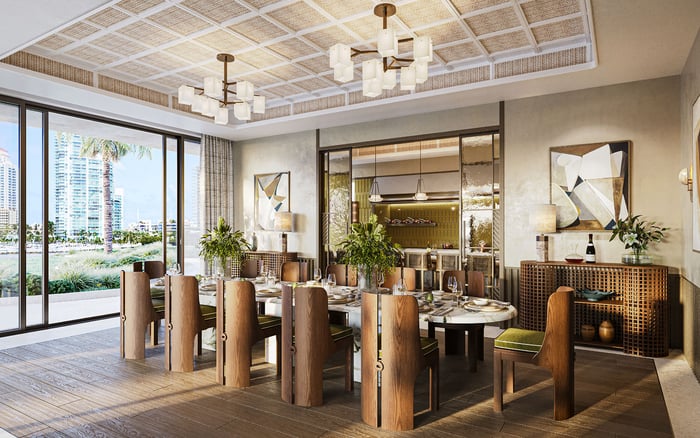
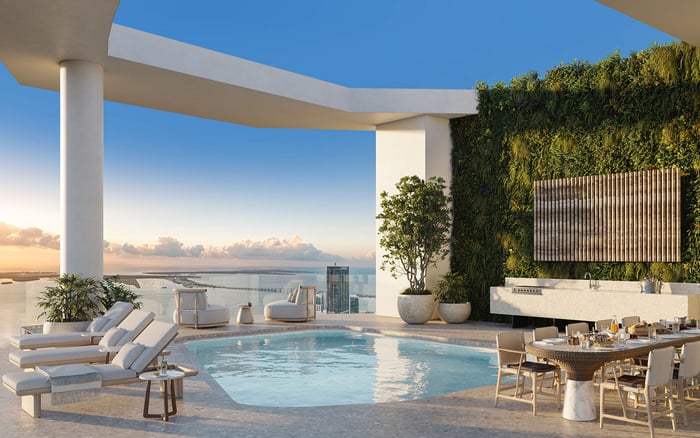
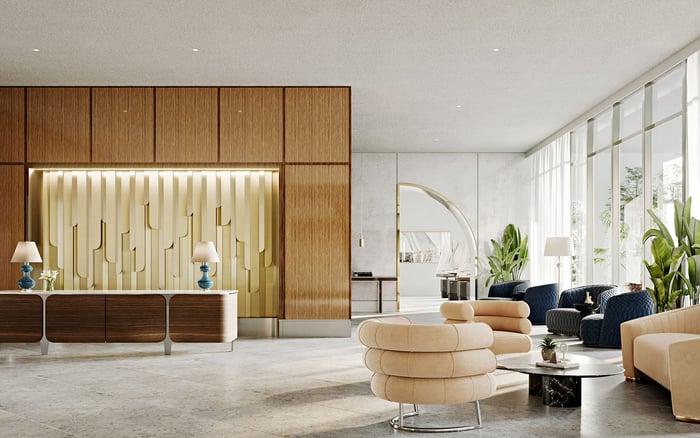
That is why 2200 Brickell and Colette Residences Brickell are useful case studies for 2026 buyers. They are not beachfront analogues, and they should not be read through a resort-only lens. Their significance is that both sit within Brickell, the district that has become South Florida’s clearest laboratory for full-service urban seasonal ownership.
The contrast is not about declaring one model superior. It is about understanding what each suggests. 2200 Brickell illustrates the appeal of new-construction Brickell inventory for buyers who want a Miami foothold that feels connected, contemporary, and city-facing. Colette Residences Brickell points to a more private, lock-and-leave interpretation of Brickell living, one that may resonate with buyers who value discretion and convenience as much as address.
Brickell’s relevance to seasonal ownership comes from a clear shift in buyer behavior. The part-time Miami residence is increasingly being evaluated as a lifestyle instrument, not merely as a real estate allocation. A buyer may still care about value preservation, future flexibility, and the broader strength of Miami demand, but the core decision often begins with a practical question: will this home work beautifully for the way I actually use the city?
For the 2026 buyer, proximity to dining, finance, culture, wellness, airports, and social life can matter as much as direct beach access. Brickell gives seasonal owners a version of Miami that is highly usable for long weekends, extended winter stays, business-linked travel, and family visits. It also reduces the friction that can come with maintaining a secondary residence from afar.
This is where the distinction between a vacation property and a part-time, primary-quality residence becomes important. A seasonal owner may not occupy the home year-round, but expectations are increasingly full-time in standard. The residence must feel ready on arrival, secure in absence, and sophisticated enough to host both private family time and a polished Miami calendar.
2200 Brickell is best understood as a signal of how new construction in Brickell can serve buyers who want an urban Miami base rather than a resort substitute. The appeal is not simply that it is in Brickell. It is that Brickell itself can answer a different seasonal brief: efficient access, contemporary residential expectations, and a setting embedded in the city’s daily life.
For a buyer arriving from New York, Chicago, Toronto, London, Mexico City, São Paulo, or another major urban market, this kind of residence can feel familiar in cadence while still distinctly Miami in atmosphere. The buyer is not necessarily seeking escape from urbanity. Often, the goal is to trade one city season for another, with better weather, waterfront proximity, and a more fluid social rhythm.
That makes 2200 Brickell especially relevant in the conversation around second-home use. The buyer is not only asking how the asset might perform. The buyer is asking whether the residence can become the default Miami address: the place where clothes can remain in the closet, routines can restart quickly, and the city can be used without ceremony.
For a MILLION reader, the vocabulary around this choice often includes Brickell, new-construction, pre-construction, second-home, boutique, and lifestyle. Those terms are not marketing abstractions. They describe the way affluent owners increasingly sort opportunities by use case, privacy, building feel, and the amount of effort required to live well for only part of the year.
Colette Residences Brickell introduces a different, though complementary, seasonal ownership idea. If 2200 Brickell helps define the urban Miami base, Colette Residences Brickell helps frame the appeal of privacy and convenience within the same district. For seasonal owners, that distinction matters because the best part-time residence should not feel like a property that constantly requires attention.
The phrase lock-and-leave is often overused, but for this buyer profile it is central. Owners may arrive for a week, stay for a month, depart for another residence, then return with little notice. They want the emotional ease of a private home without the operational weight that can accompany a larger estate or a highly idiosyncratic property.
In that context, Colette Residences Brickell reflects a more discreet interpretation of Brickell seasonal living. The draw is not only access to the city. It is the possibility of having that access wrapped in a residence that feels manageable, private, and composed when the owner is both present and away.
That is particularly relevant for buyers who already own elsewhere in South Florida. A Palm Beach, Fisher Island, Miami Beach, or Coconut Grove owner may look at Brickell not as a replacement, but as a complementary address. The seasonal pattern becomes more nuanced: one residence for quiet retreat, another for city energy, and a portfolio of homes organized around how time is actually spent.
A 2026 buyer considering these two projects is unlikely to think in isolation. Brickell has a wider field of high-end residential options, and the comparison often becomes less about headline labels and more about personal fit. Some buyers will also evaluate projects such as Cipriani Residences Brickell, St. Regis® Residences Brickell, or Una Residences Brickell as part of a broader understanding of the district.
The point is not to flatten these residences into a single category. It is to recognize that Brickell now offers multiple ways to express seasonal ownership. Some buyers prioritize branded sensibility. Others care more about scale, privacy, daily convenience, or the way the residence feels during short stays. The common thread is that Brickell has matured into a market where part-time ownership can still feel residential, polished, and grounded in city life.
For advisors and buyers, the most useful question is not simply which building is more desirable. It is which building best matches the owner’s calendar. A buyer planning extended winter use may need a different setting than one planning frequent three-night stays. A buyer who entertains regularly may read the building differently than one who wants anonymity and quiet. A buyer who treats Miami as a business base may assign more value to immediacy and service than to views alone.
The lesson from 2200 Brickell and Colette Residences Brickell is that seasonal ownership is becoming more precise. Affluent buyers are not only choosing South Florida. They are choosing a pattern of use. Brickell’s rise in this conversation reflects the desire for residences that can absorb irregular schedules while still delivering a high standard of everyday living.
For 2026 buyers, the smartest approach is to begin with the calendar. How often will the residence be used? Who will use it? Will it be a couple’s city base, a family meeting point, a business-linked address, or an occasional Miami retreat? Those answers should shape the search before design preferences or investment logic take over.
2200 Brickell and Colette Residences Brickell reveal two sides of the same movement. One points to the confidence buyers have in Brickell as a new-construction city base. The other points to the growing importance of privacy, convenience, and low-friction ownership. Together, they show that the future of seasonal ownership in Miami is not only on the sand. Increasingly, it is in the city, behind a private door, ready when the owner arrives.
Why are 2200 Brickell and Colette Residences Brickell relevant to 2026 buyers? Both projects help illustrate how seasonal buyers are evaluating Brickell as a part-time Miami base rather than looking only to resort or beachfront settings.
Is Brickell mainly an investment market for seasonal buyers? For this buyer profile, Brickell is increasingly about lifestyle utility as well as investment logic, especially for owners who want a functional Miami address.
What does 2200 Brickell suggest about seasonal ownership? It suggests that new-construction Brickell residences can appeal to owners seeking an urban Miami base with convenient access to the city.
What does Colette Residences Brickell suggest about seasonal ownership? It highlights the appeal of privacy, convenience, and lock-and-leave living for buyers who may use Miami intermittently.
Are these projects being compared as direct substitutes? Not exactly. The comparison is most useful because each reflects a different interpretation of seasonal ownership within the same Brickell setting.
Why is lock-and-leave living important for seasonal owners? Seasonal owners often arrive and depart on irregular schedules, so ease of maintenance and confidence while away become central considerations.
Should 2026 buyers focus first on pricing or lifestyle fit? Pricing matters, but lifestyle fit should come first because the strongest seasonal residence is the one that matches the owner’s actual calendar.
Is Brickell a replacement for Miami Beach or Palm Beach? Not necessarily. For many affluent owners, Brickell can complement other South Florida homes by serving as a more urban, city-focused base.
What questions should buyers ask before choosing a Brickell residence? They should ask how often they will use it, who will occupy it, how much privacy they require, and how closely the building matches their routine.
What is the main takeaway from this Brickell comparison? Seasonal ownership is shifting toward full-service urban residences that make part-time Miami living feel effortless, private, and complete.
To compare the best-fit options with clarity, connect with MILLION.
If branded residences are on your mind — as a home or as an allocation — we would be glad to share what we are seeing, privately.
Begin a quiet conversation